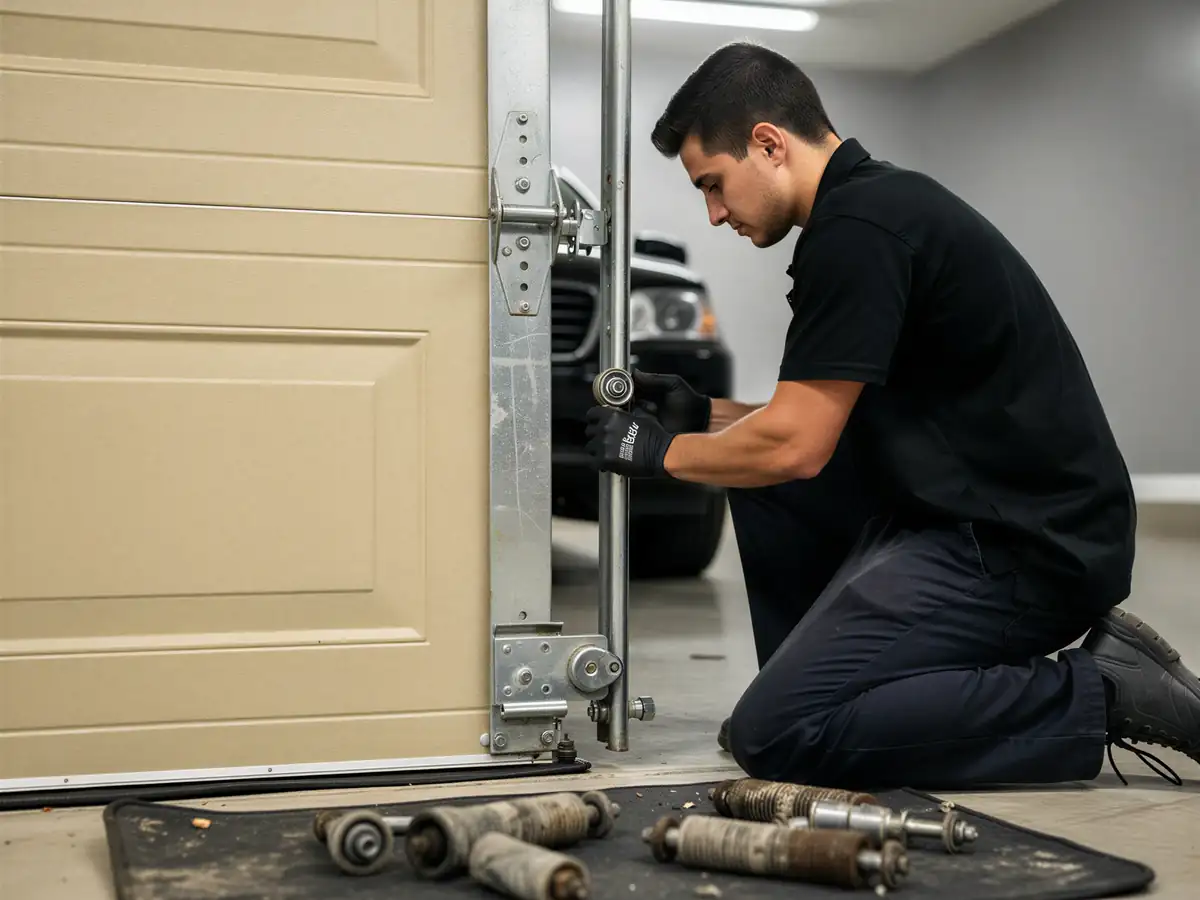
Where This Job Goes Sideways
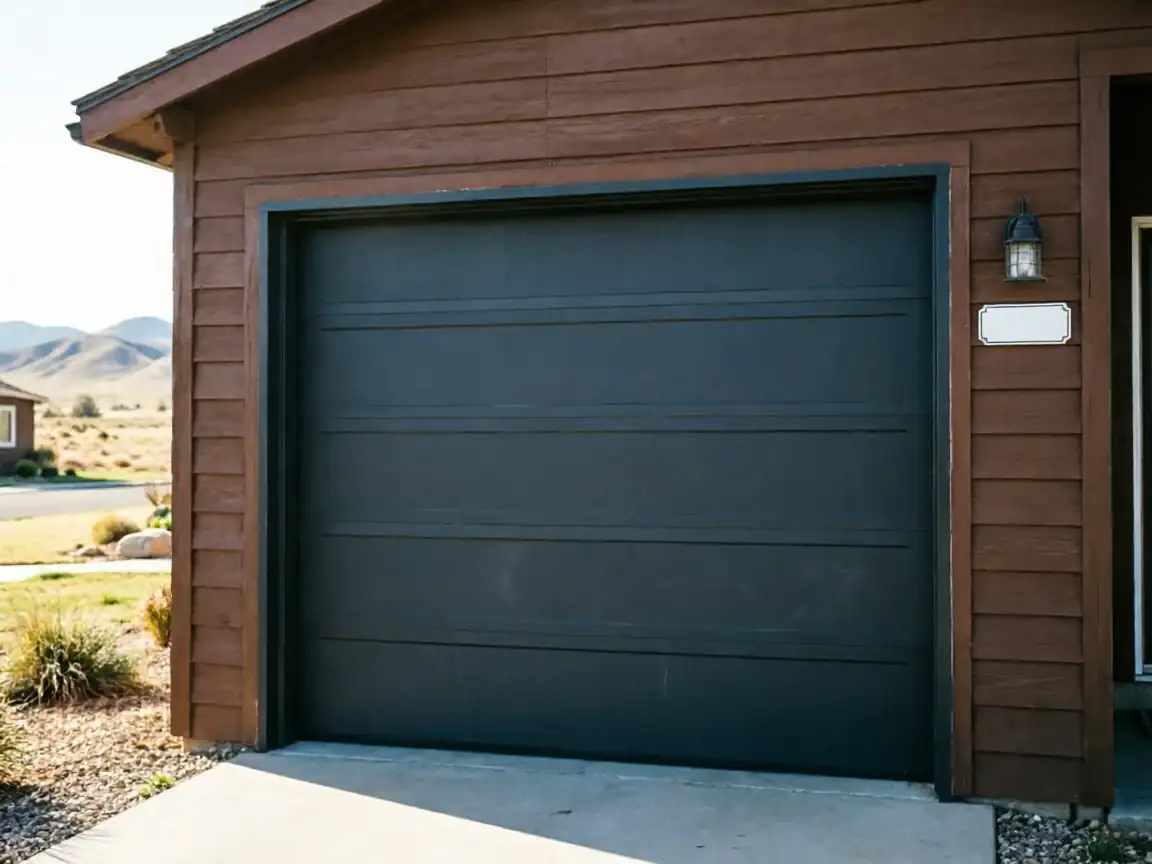
Fort Hall sits ten miles out from our shop in Pocatello, which matters more for this job than it sounds like it should. A roller call here is rarely a clean swap-and-go, because the door behind it is usually original or close to it. With a median year built around 1977, a lot of these garages still run the steel rollers and tracks that came with the house - stamped steel brackets, no sealed bearings, track gauge that doesn't match what's on the shelf of a big-box store.
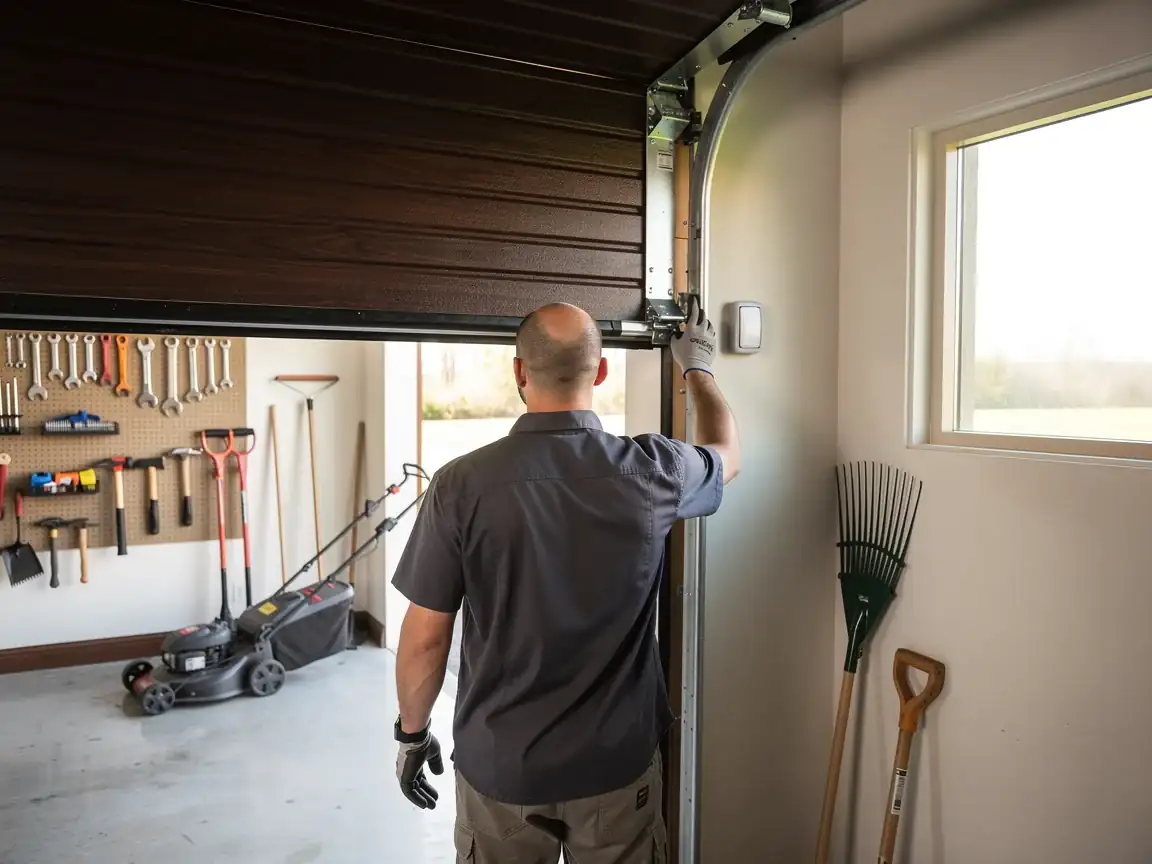
The failure pattern we see is track wear, not just a cracked roller. Forty-some years of a roller riding slightly off-center grooves the inside of the track, and once that happens, a new roller rides the same bad path and wears out again in a season or two. So the real question on a service call out here isn't "which roller," it's whether the track needs straightening or replacing first. Skip that step and you're paying for a truck trip twice.
The DIY Question
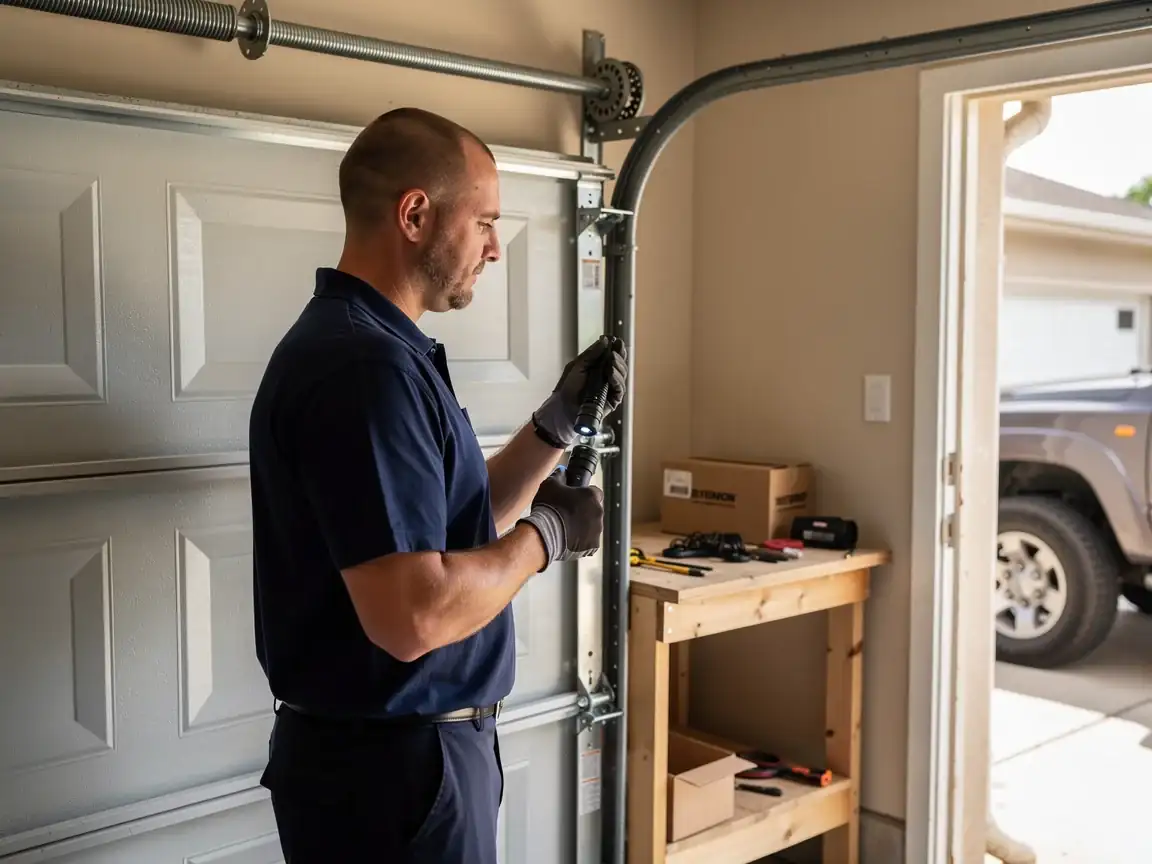
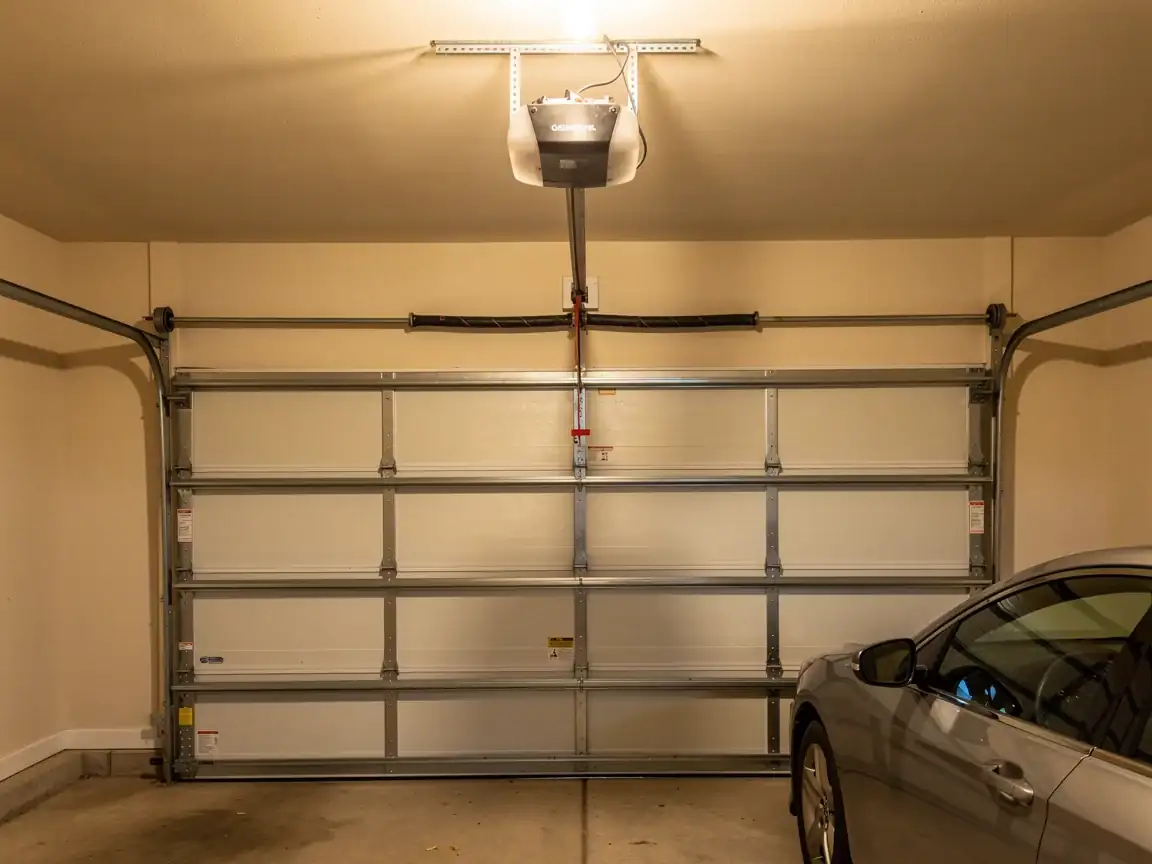
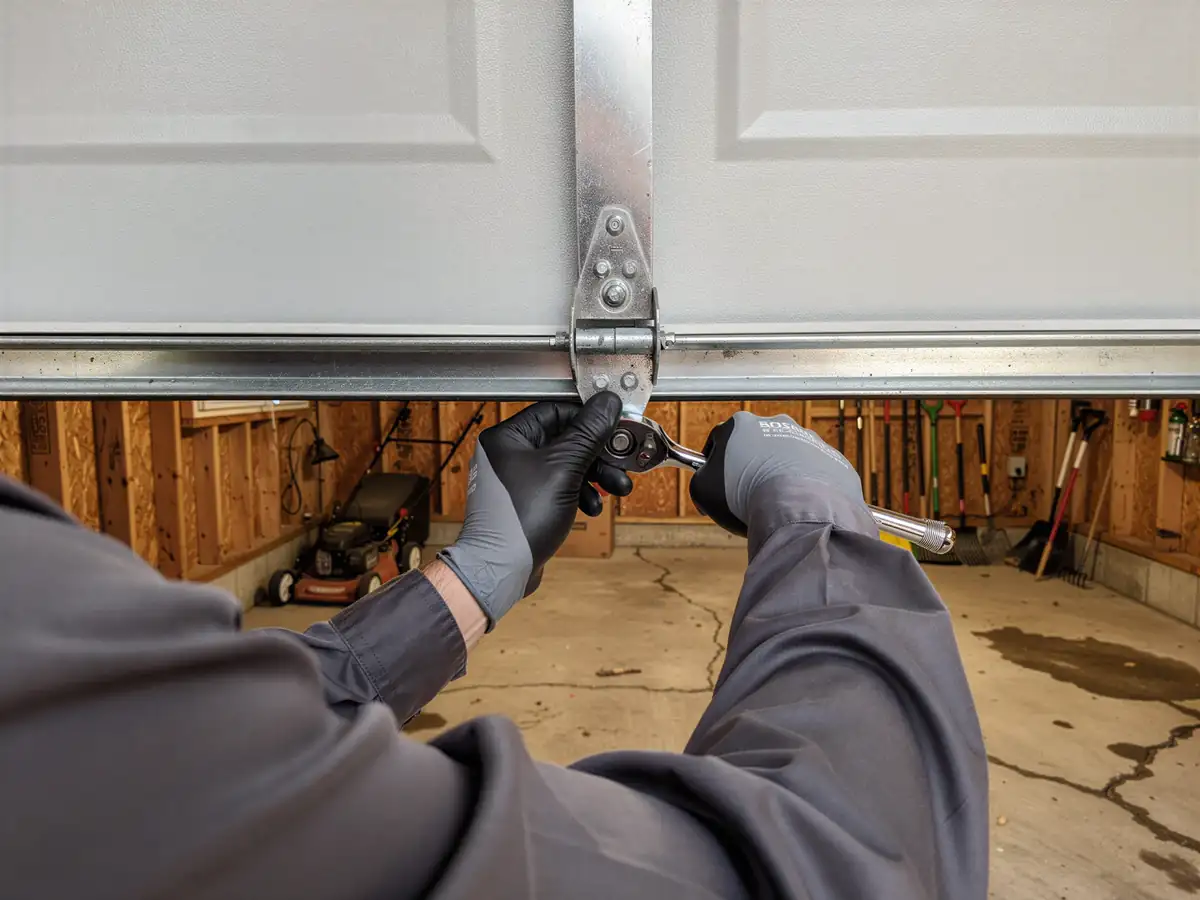
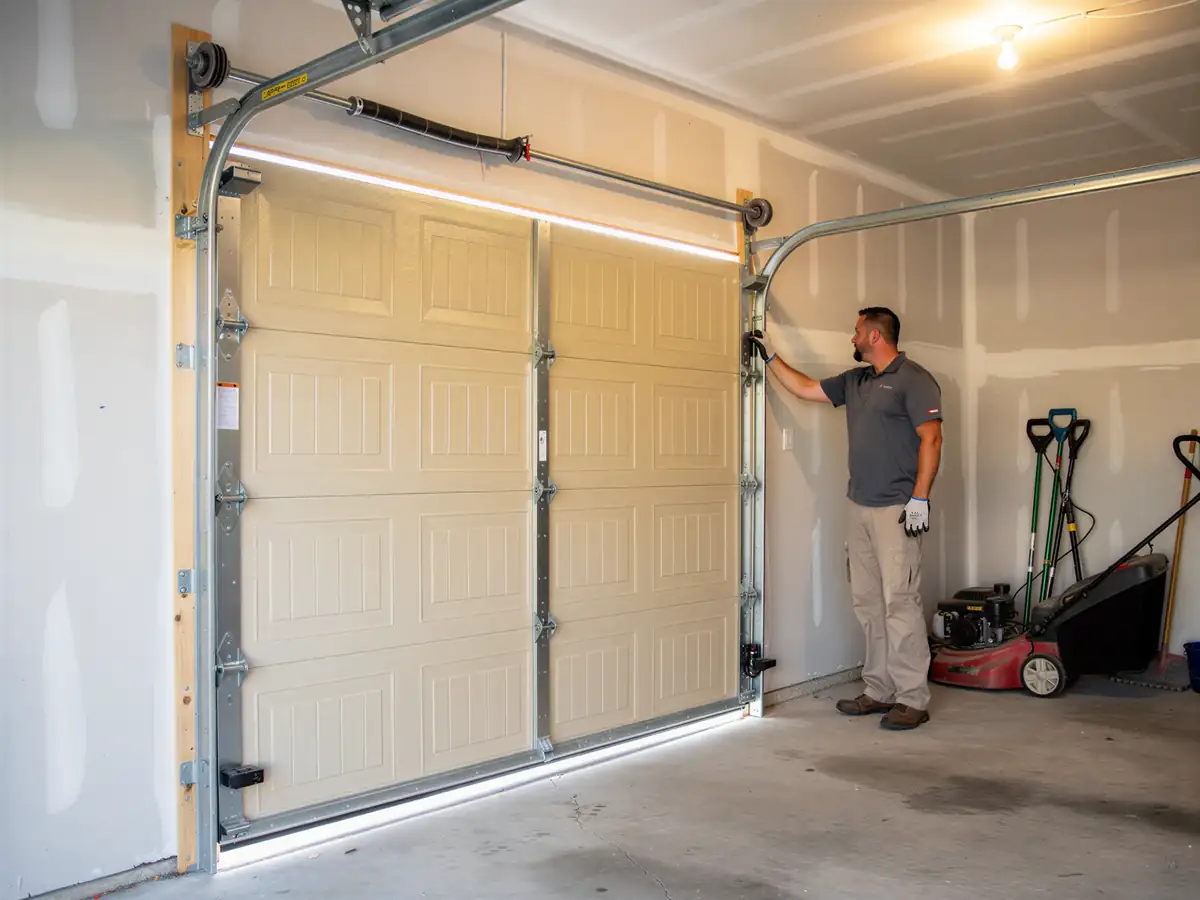
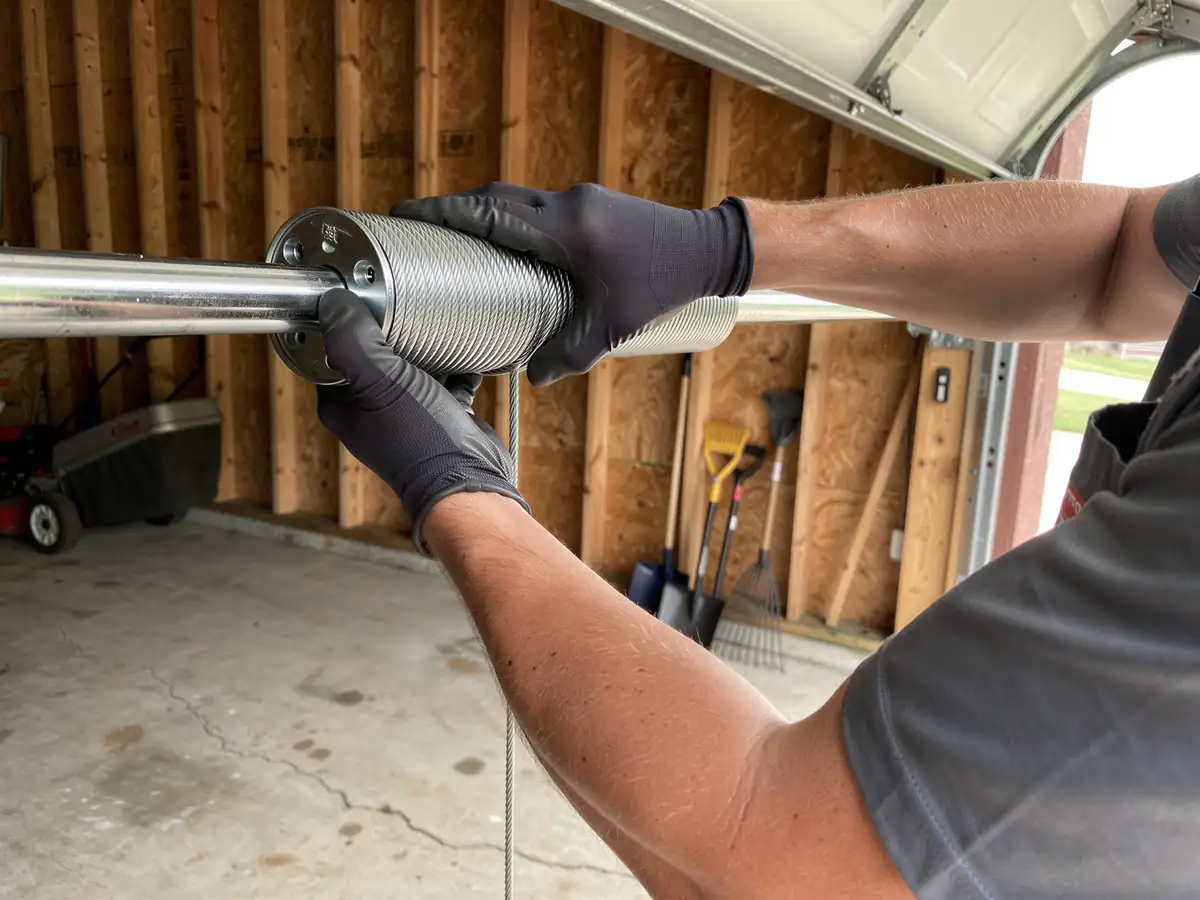
Swapping a roller sounds like a bolt-and-socket job, and on some doors it is. On a door built the way most of Fort Hall's were in the late 1970s, the bottom rollers sit under spring tension on the cable drums, and the track brackets are often rusted or bent enough that pulling one roller shifts the whole section. We won't pretend this is beyond a careful homeowner with the right clamps and a torsion bar lock - plenty of people do the top rollers themselves without trouble.
Where we tell people to stop is the bottom two rollers on a door with a visibly bowed track, or any job where the spring looks original. That's not us protecting work - a spring that's been under load since 1977 doesn't owe you a warning before it lets go. If you're not sure which rollers you're looking at, send us a photo before you start pulling bolts.
How Long You Are Without the Door
We run calls in Fort Hall from Pocatello
So the first thing that happens on any job here is ten miles of travel before a wrench touches anything - that's worth knowing if you're timing your day around it. Once the truck's there, a straight roller swap on a door with sound track is a short job. It stops being short the moment the track needs pulling and re-hanging, which is common enough on doors from this era that we check it before quoting anything over the phone.
We don't carry every roller size on the truck for every trip
If your door uses an odd-gauge track from the original builder, that can mean a second visit once we've confirmed the part. We'd rather tell you that up front than promise a one-trip fix and miss it.
What the Repair Takes
For most of the roller jobs we run in Fort Hall, the swap goes from the original steel rollers to sealed-bearing nylon or steel rollers, depending on what the track can take. Nylon rollers run quieter, but in a cold-climate winter the cheap ones get brittle and chip at the edges - on a door up here, that's not a theoretical problem, it's a return call in February. We lean toward the heavier-duty sealed units for that reason.
With Fort Hall's median household income sitting well under the wider service area's, we try to scope the job as a roller-and-track repair rather than push a full door replacement unless the door itself is failing - a bent track doesn't always mean the door's done. If the track is too far gone to true up, replacing it costs less than people expect, and we'll tell you that number before we start, not after.