What Local Conditions Do
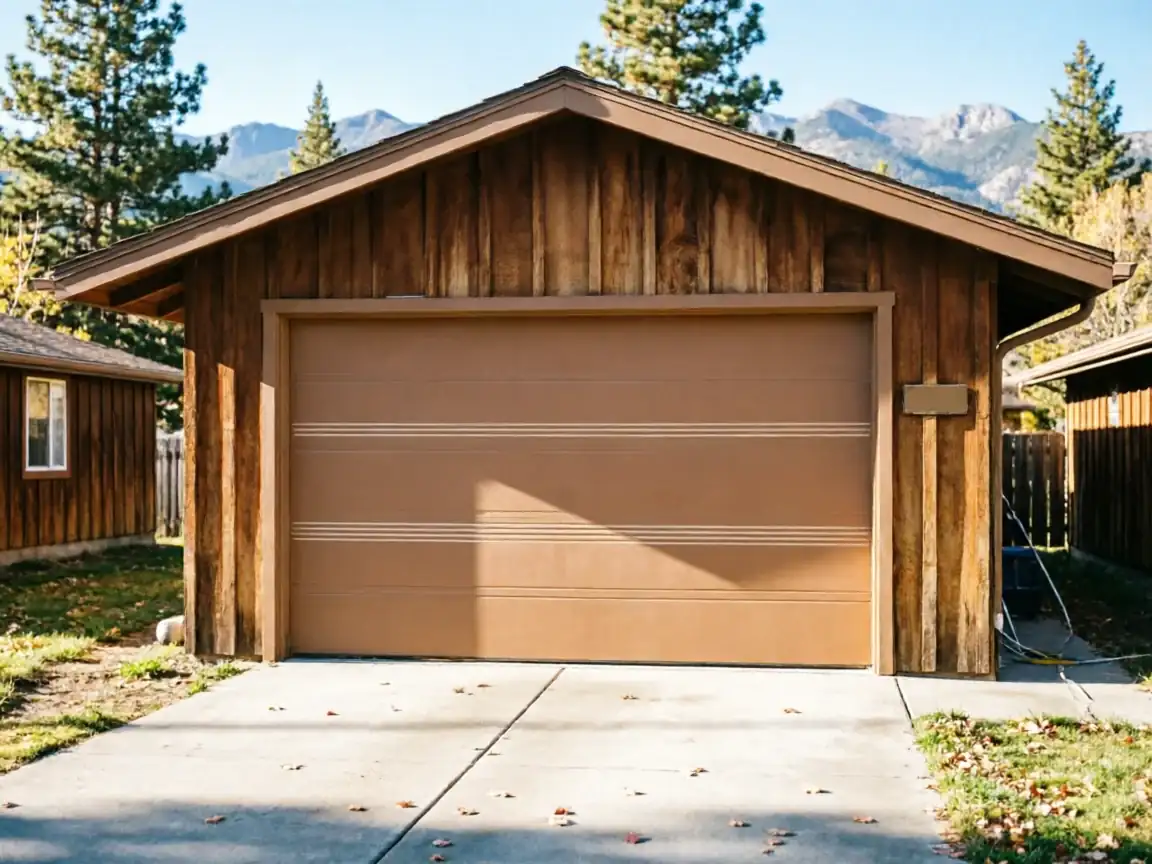
Pocatello sits in a severe cold climate band, and that matters more to a garage door than most homeowners think. Steel contracts in the cold, grease thickens, nylon rollers crack, and torsion springs lose tension faster than they would in a mild climate. A door that's fine in October can bind or jump its track the first hard freeze of the year.
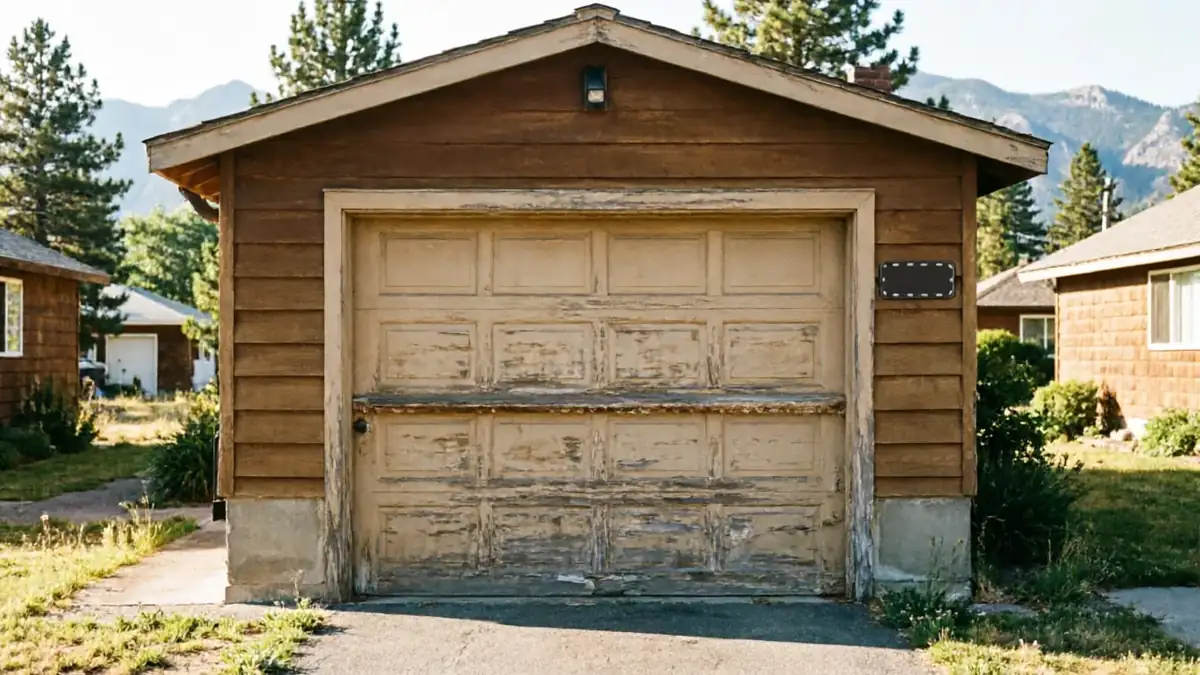
Most houses here were built between 1964 and 1995, with the median landing around 1980. That's not a small window - it covers everything from old single-layer steel doors with no insulation to early insulated panels from the late '80s and '90s. None of that stock was built with today's weatherstripping or opener safety standards in mind, which is the real reason so many Pocatello calls are about doors that are original to the house.
The short version: if your door was installed when the house was built, it's been fighting Pocatello winters for 30 to 60 years straight. That's a long service life for moving steel parts, springs under constant load, and a motor that was never rated for the duty cycle a modern opener handles.
What to Look At First
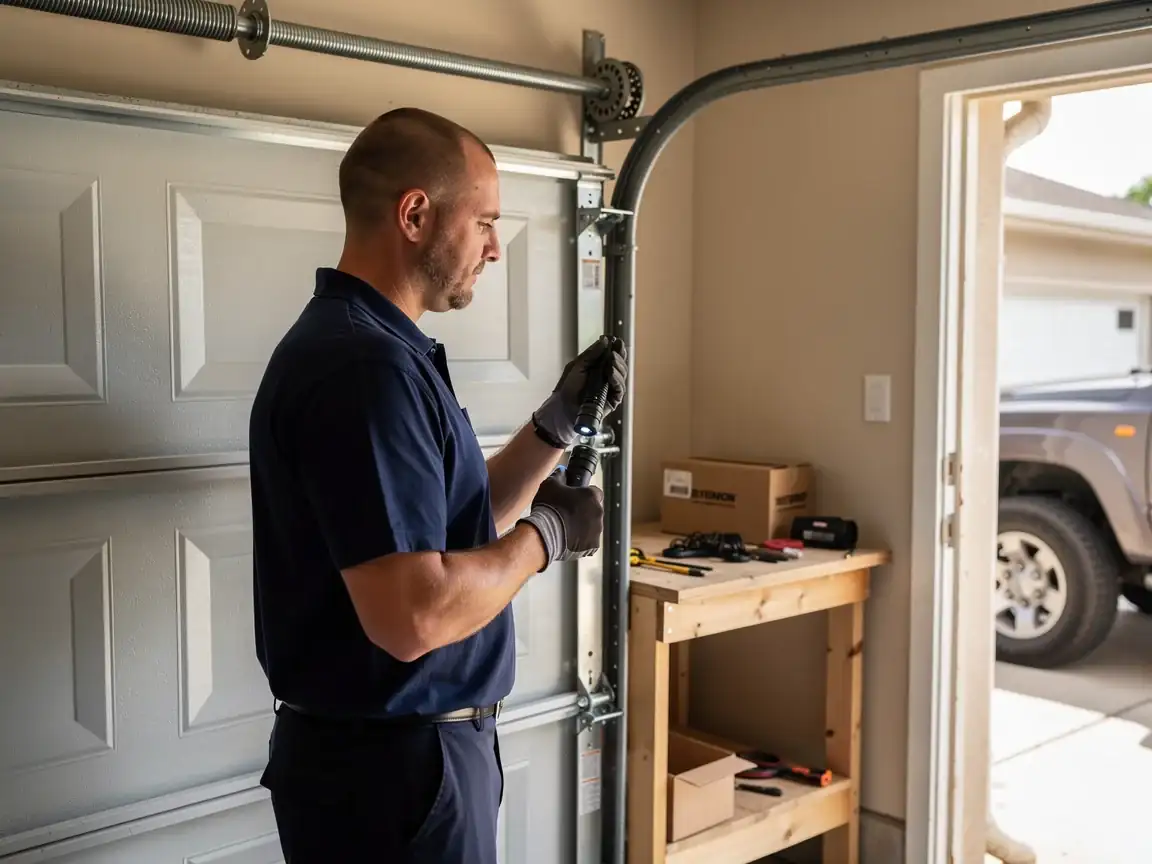
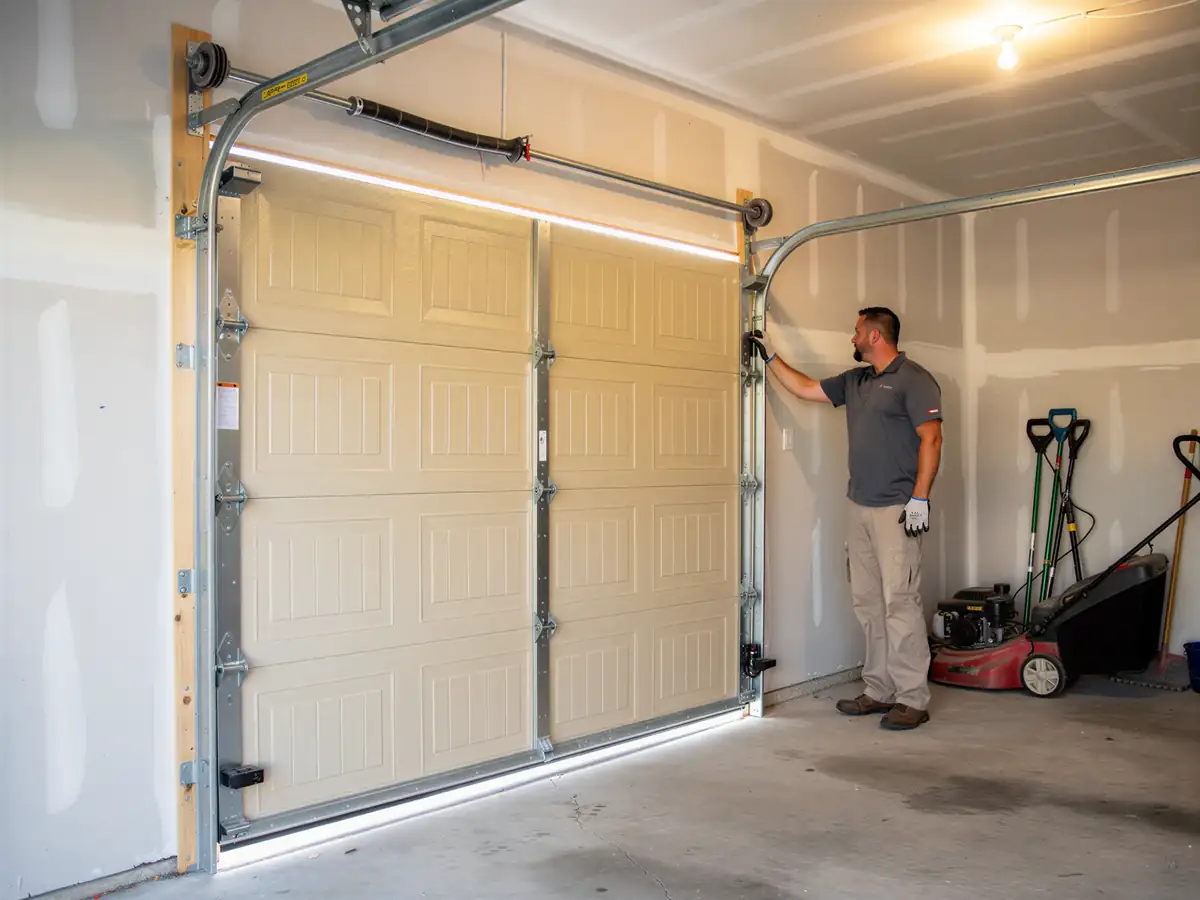
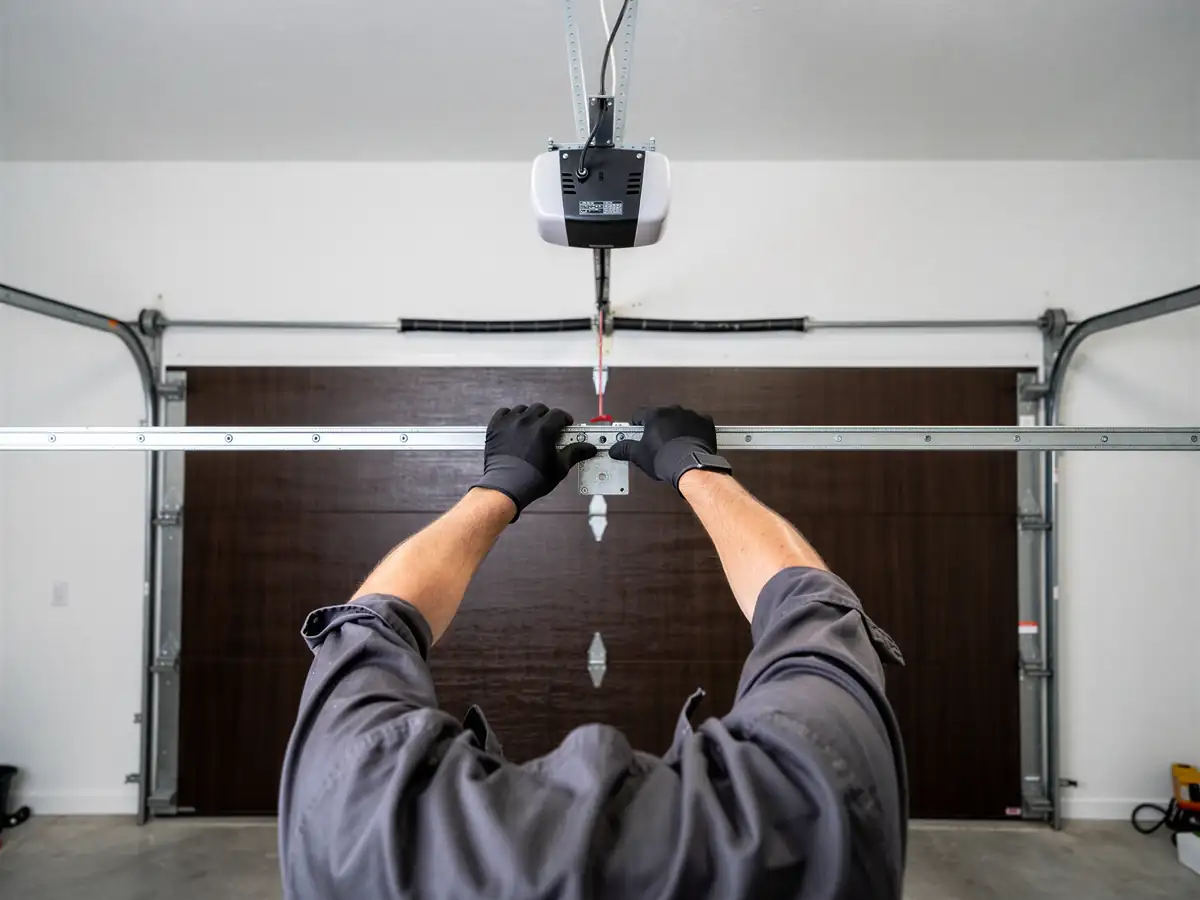
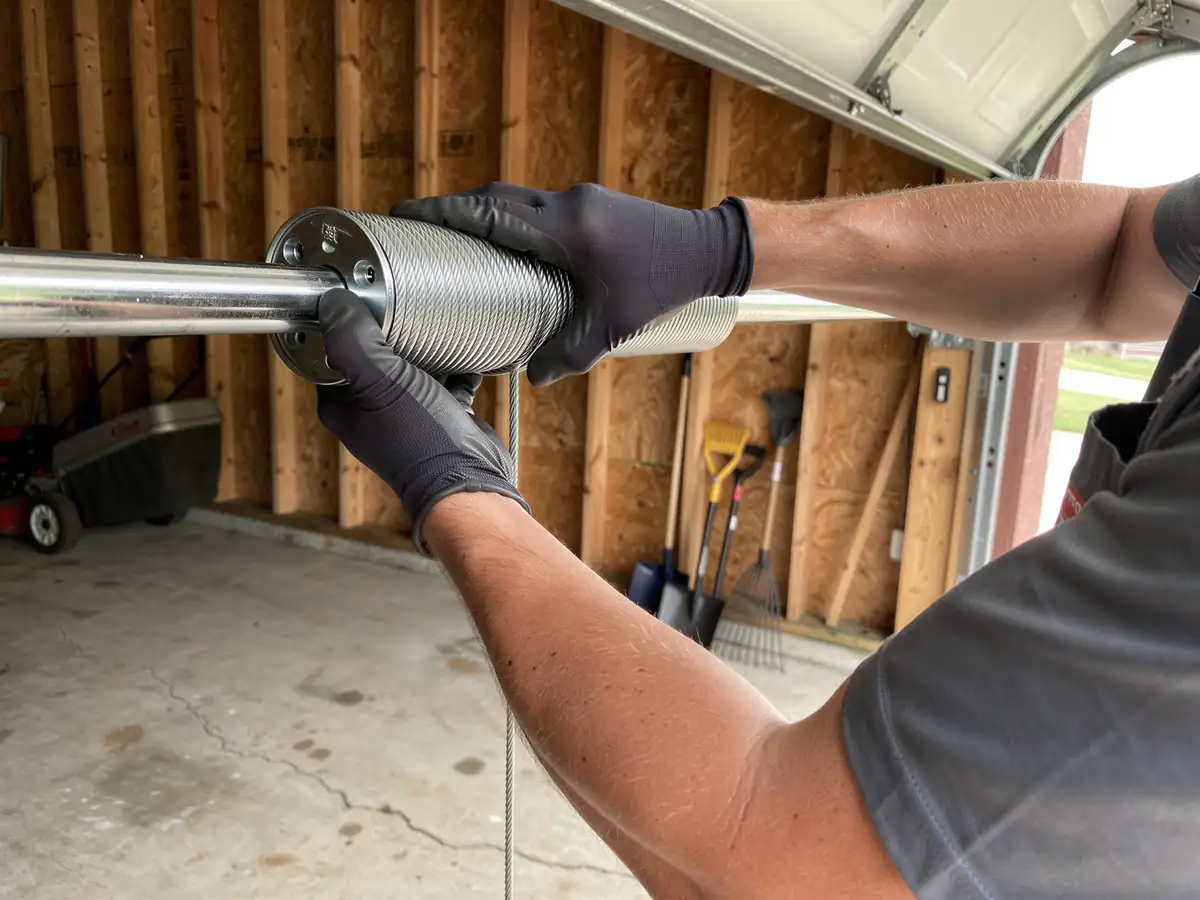
Before you call anyone, open the door by hand with the opener disconnected. If it's hard to lift or it drops on its own, the torsion spring has lost tension - common on doors from the 1980s stock that makes up most of the area, since those springs are now decades past their rated cycle count.
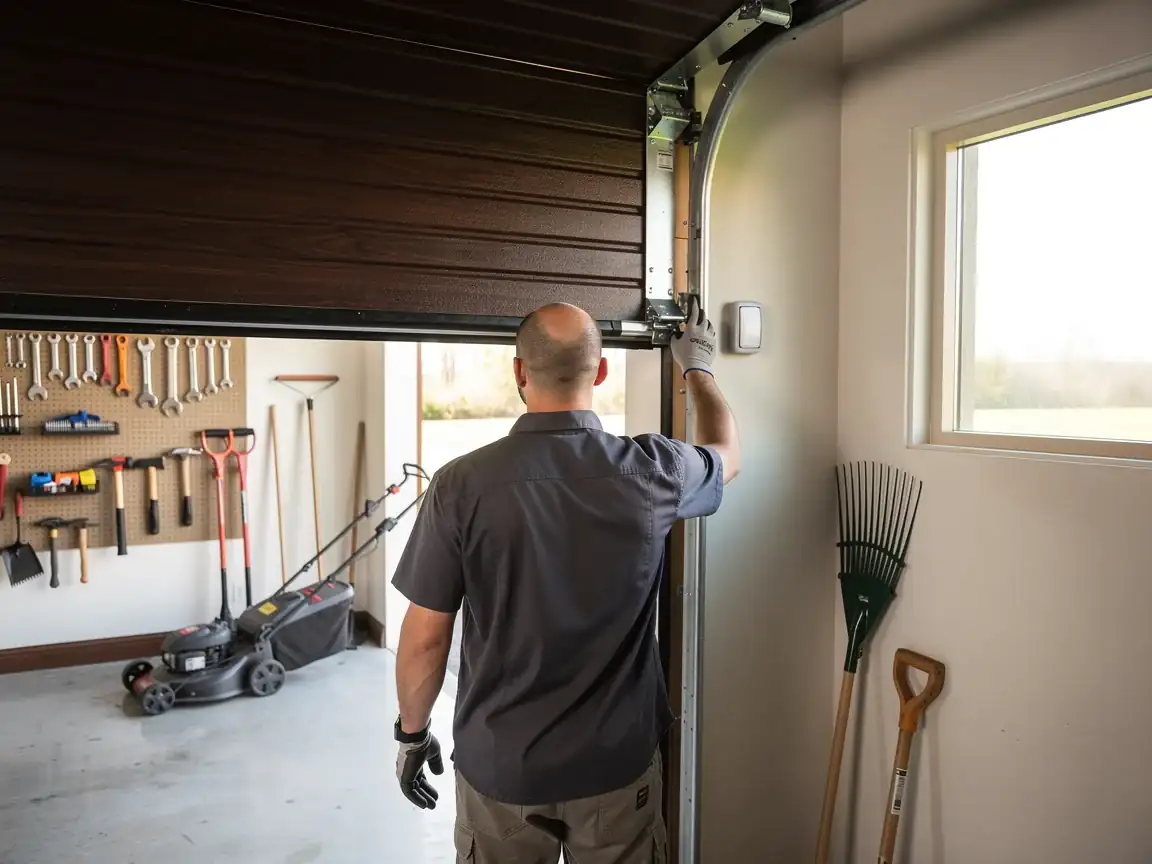
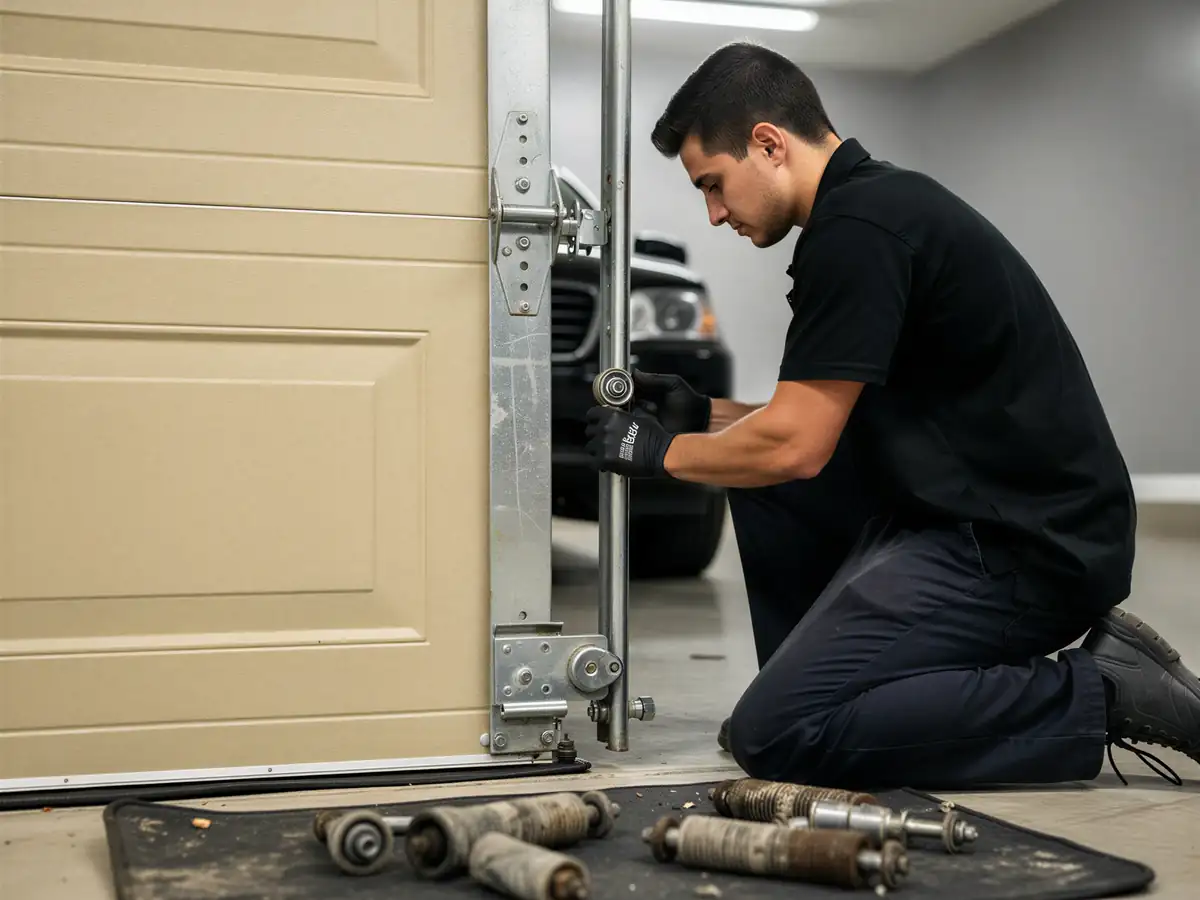
Next, look at the track brackets and rollers. Cold-climate freeze-thaw cycles work screws loose in the jamb over the years, and steel rollers that were standard on older builds wear grooves into the track faster than the nylon rollers used on newer installs. If you hear grinding or see metal shavings at the bottom of the track, that's the roller talking.
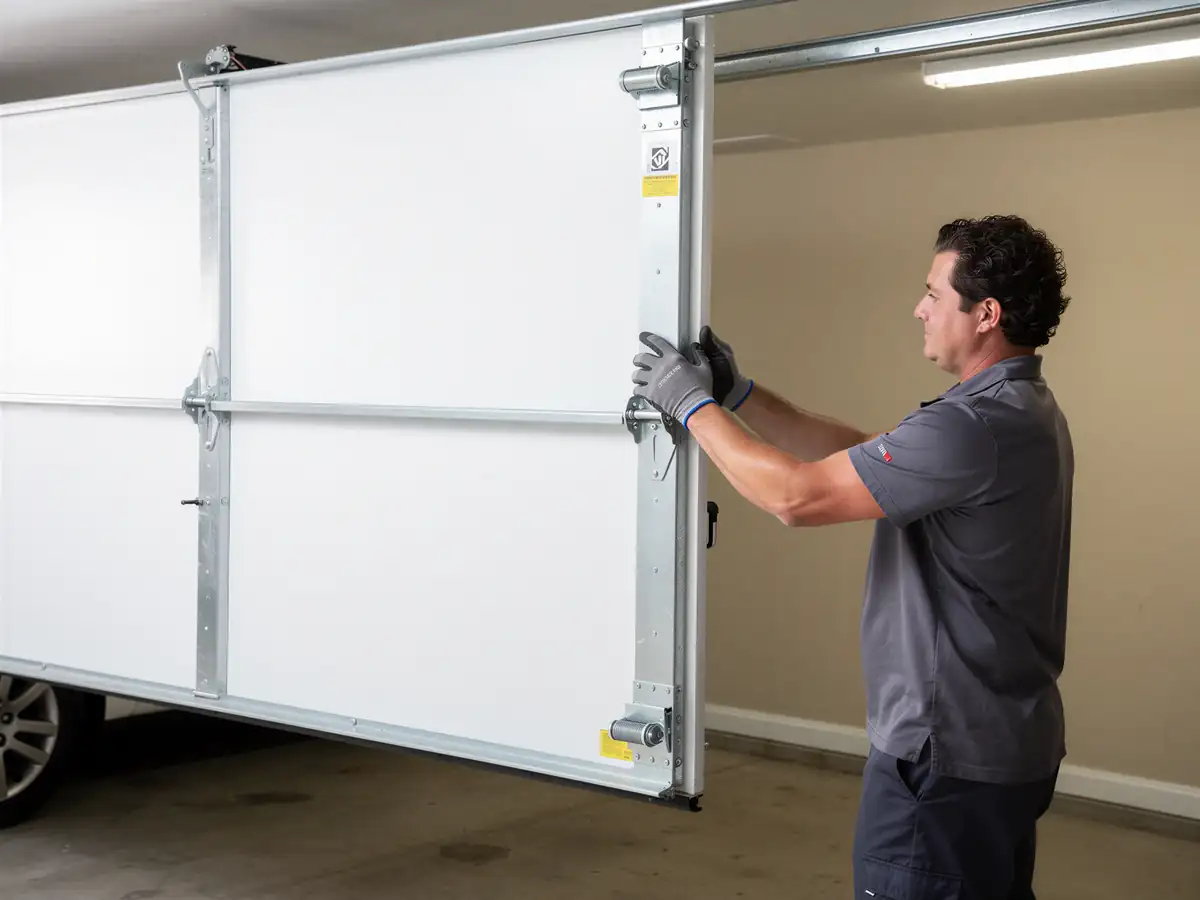
Check the bottom panel and weatherstrip last. Doors from the 1964-1995 era often have thinner gauge steel at the bottom section, since that part takes the most ground moisture and road salt over a winter. Rust-through at the bottom corners is common on original doors and it's a good sign the panel, not just the hardware, needs attention.
Write down what you find. A spring and a worn roller are a repair call. Rust through the bottom panel on a door this old is a different conversation.
The Situation
The service area runs about 7,325 households
With 3,950 of those owner-occupied houses - the group actually on the hook for a garage door decision instead of a landlord. Median household income across the area sits around $66,000, which puts a full door-and-opener replacement in the range homeowners here plan for rather than absorb on impulse.
- 7,325 households
- 3,950 owner-occupied
That budget reality shapes the repair-versus-replace call more than people expect
A spring, a cable, or a set of rollers is a controlled cost against a door that's otherwise sound. A full tear-out and new insulated door is a bigger number, and on a $66,000 median income it's one most households want to be sure they actually need before they sign off on it.
Given how much of the local stock dates to 1964-1995
A lot of these doors are at the point where the steel itself, not just the hardware, is the limiting factor. That's the honest line: hardware failures are almost always worth fixing. Panel failure on a 40-year-old door usually isn't, because you're paying labor to patch a door that's going to need the same labor again in a few years.
When It Stops Being a DIY Job
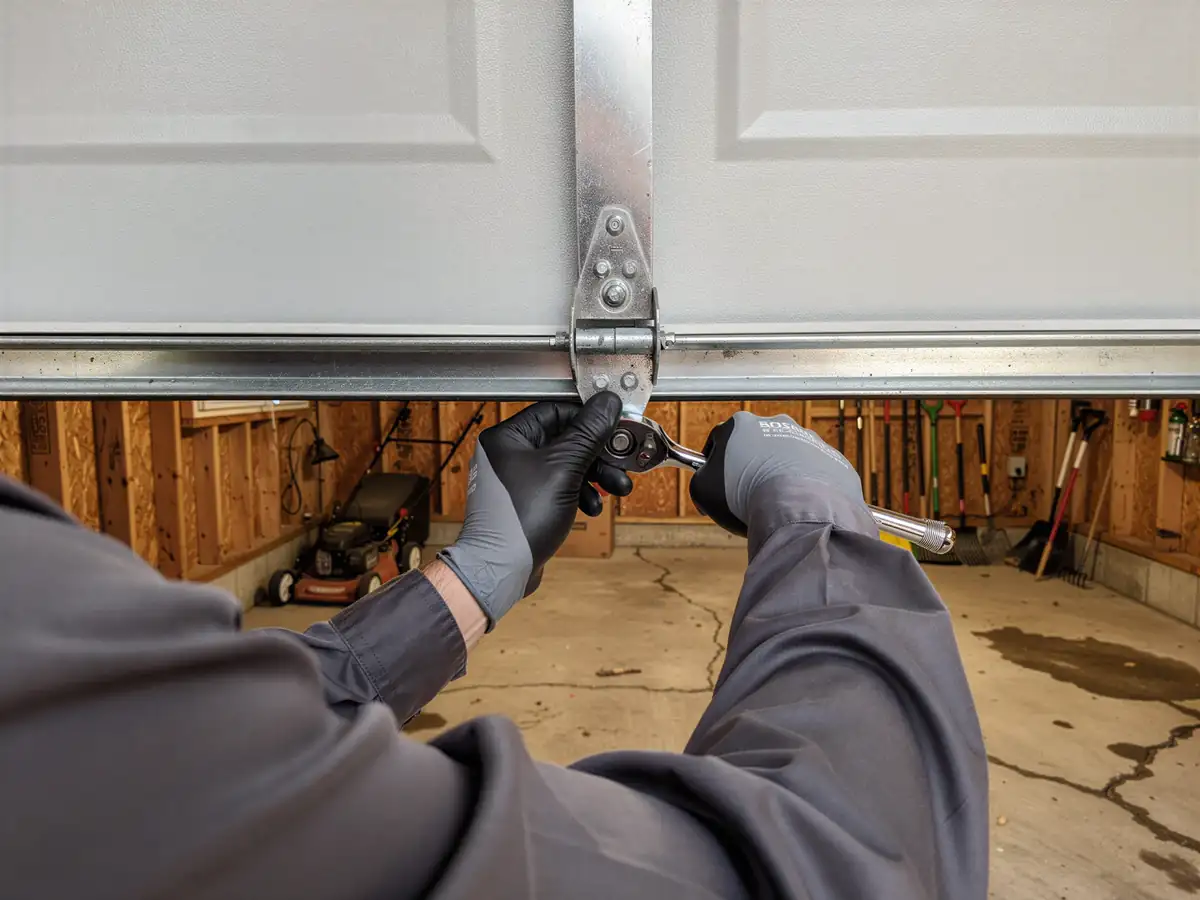
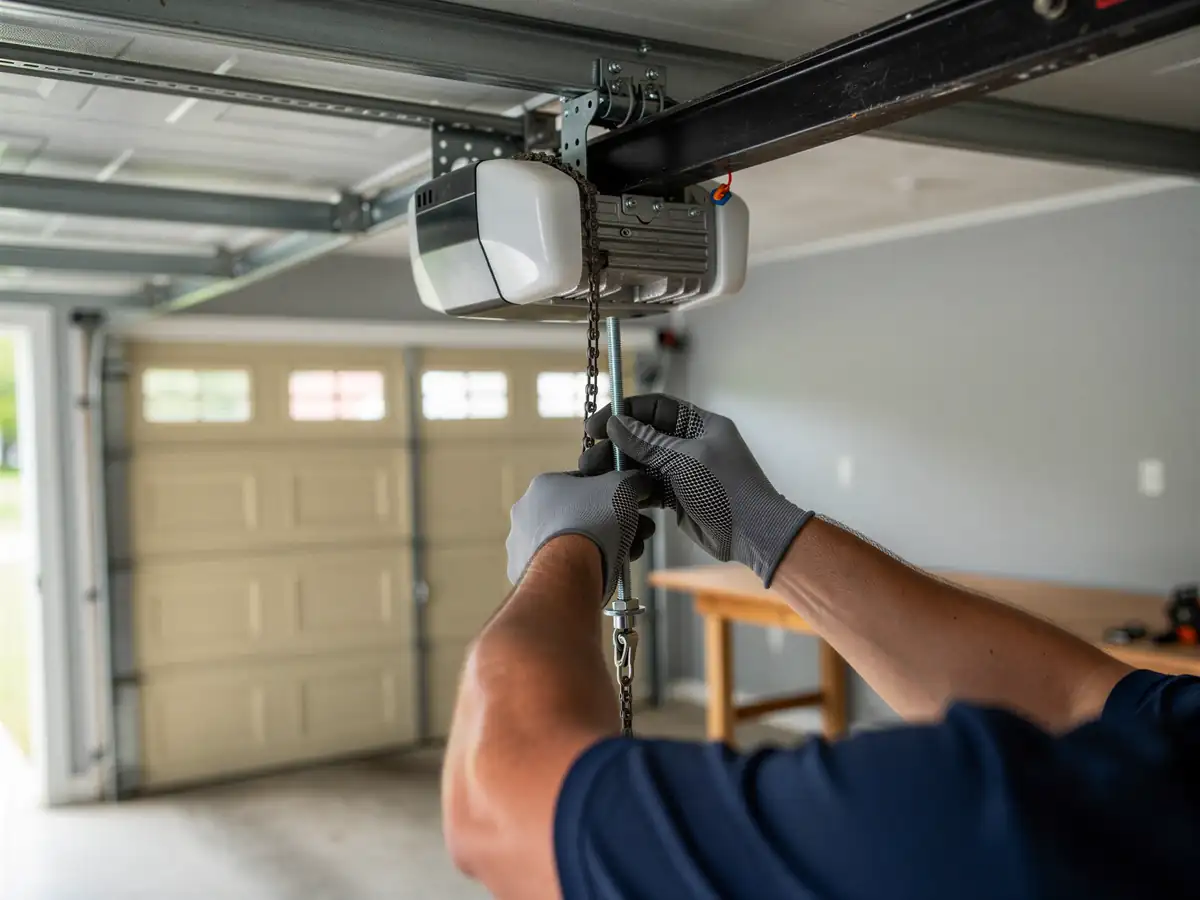
Swapping a roller or tightening a bracket is reasonable for a handy homeowner. A torsion spring is not - it's under enough stored tension to break a bone or crack a windshield, and that doesn't change whether the door is five years old or fifty. If the spring is the problem, that's a call-out, not a weekend project.
We also won't tell you a cracked, rusted-through bottom panel on an original 1964-1995 door is a five-minute fix. It isn't. Patching rust on steel that thin usually buys a season, not a decade, and we'll say so up front rather than sell a repair we don't believe in.
One limitation worth knowing: on the oldest doors in the area, matching hardware - specific drum sizes, older track profiles - isn't always something we can get same-day. If your door is original to a house built in the '60s or '70s, expect us to ask a few more questions before we quote a repair, because the part might need to be ordered rather than pulled off the truck.