The Symptom
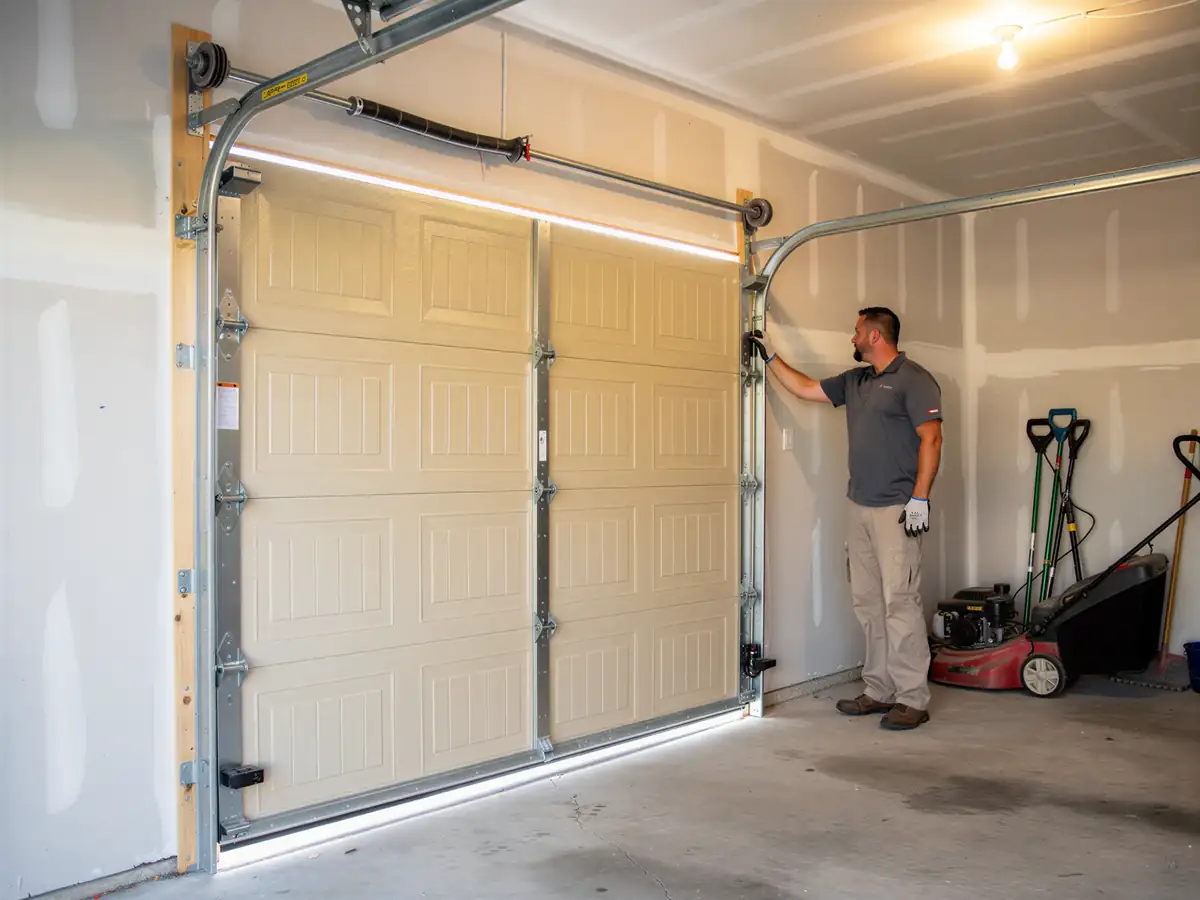
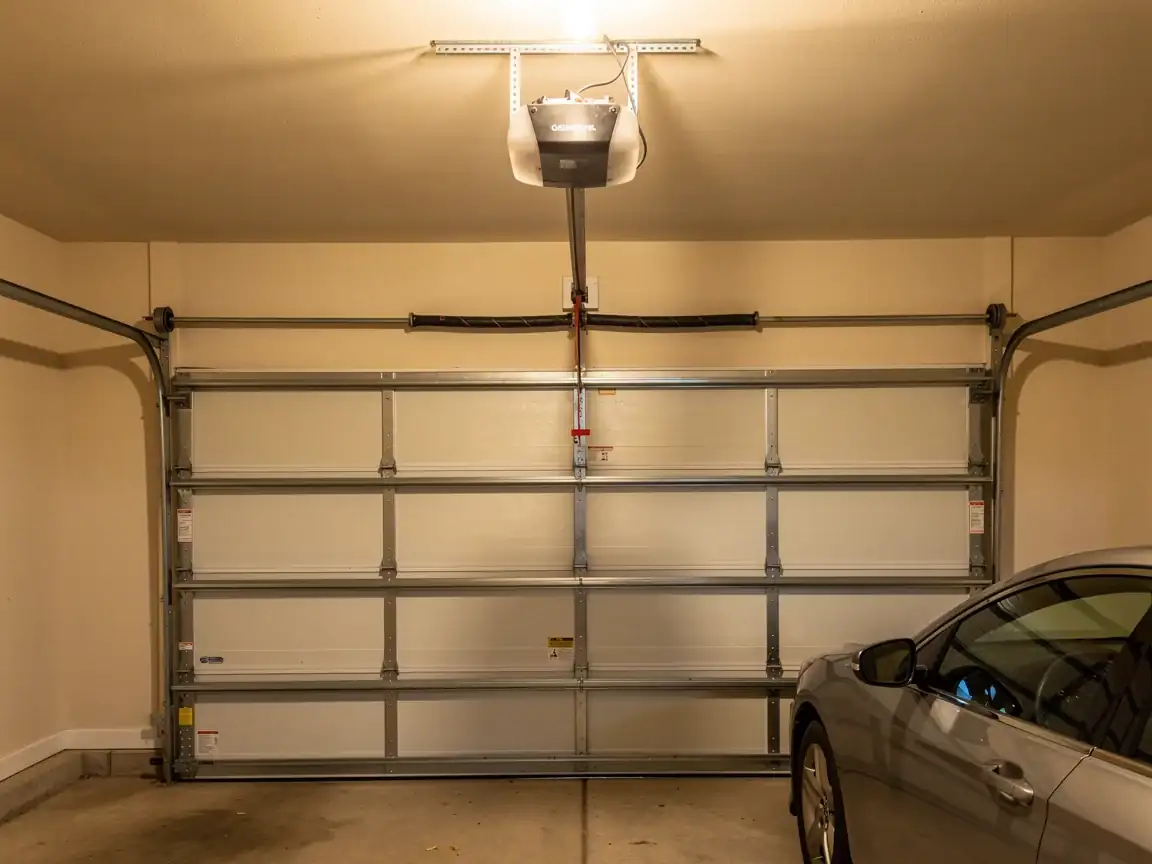
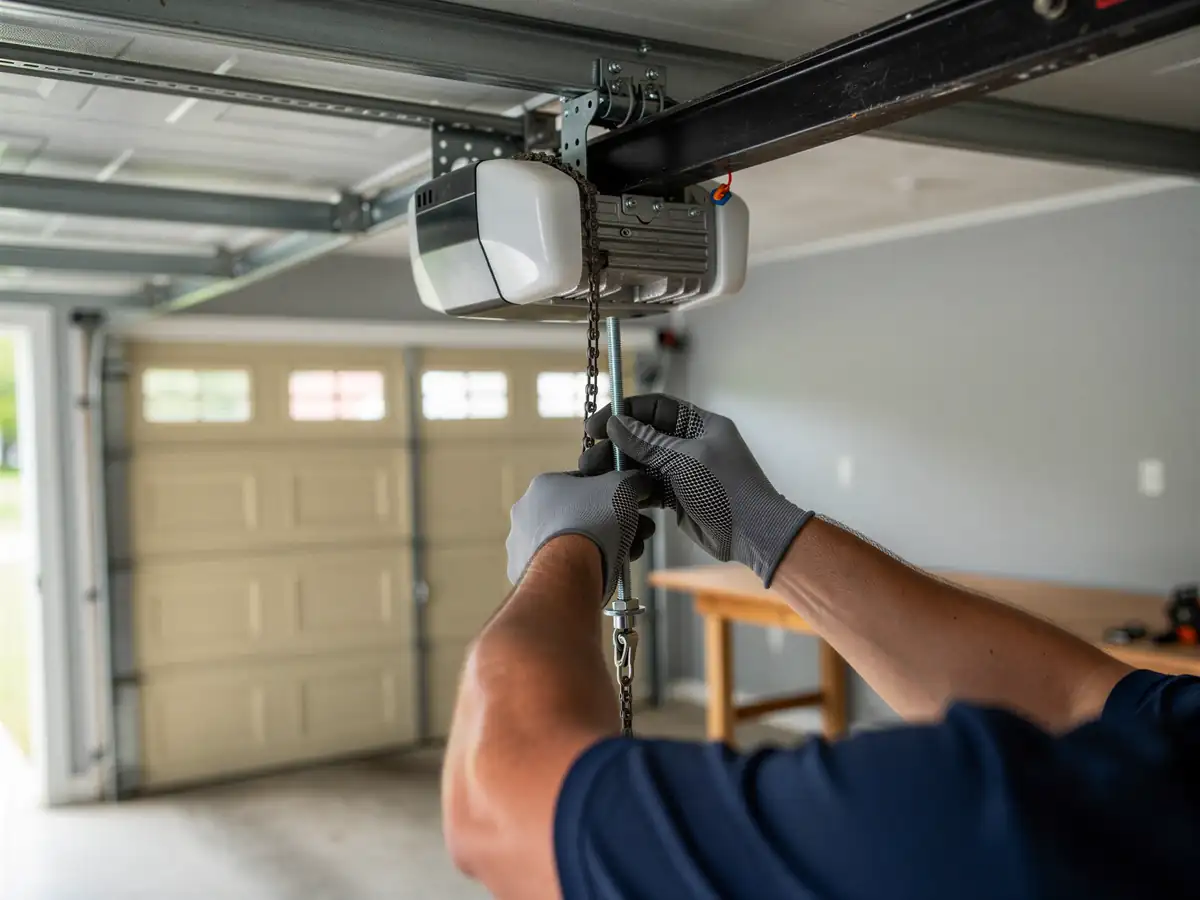
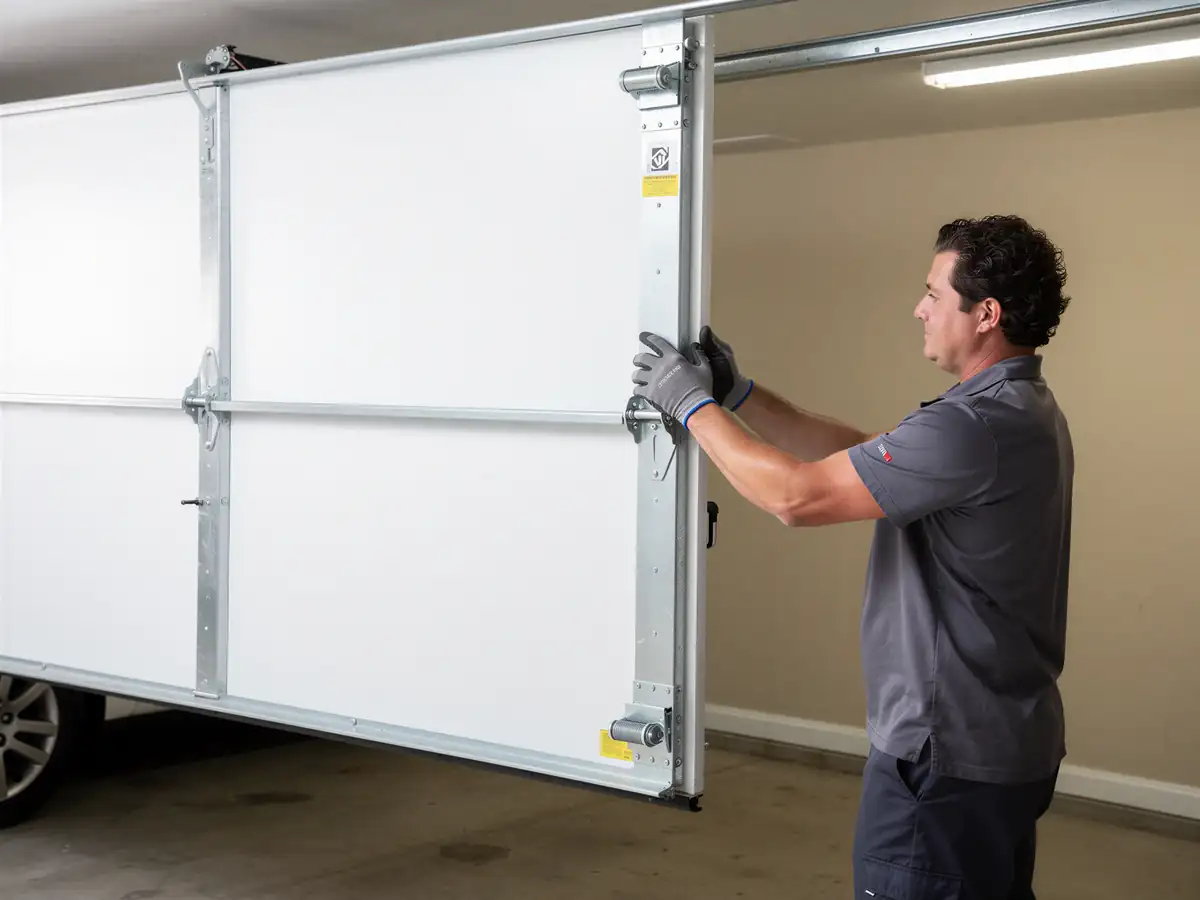
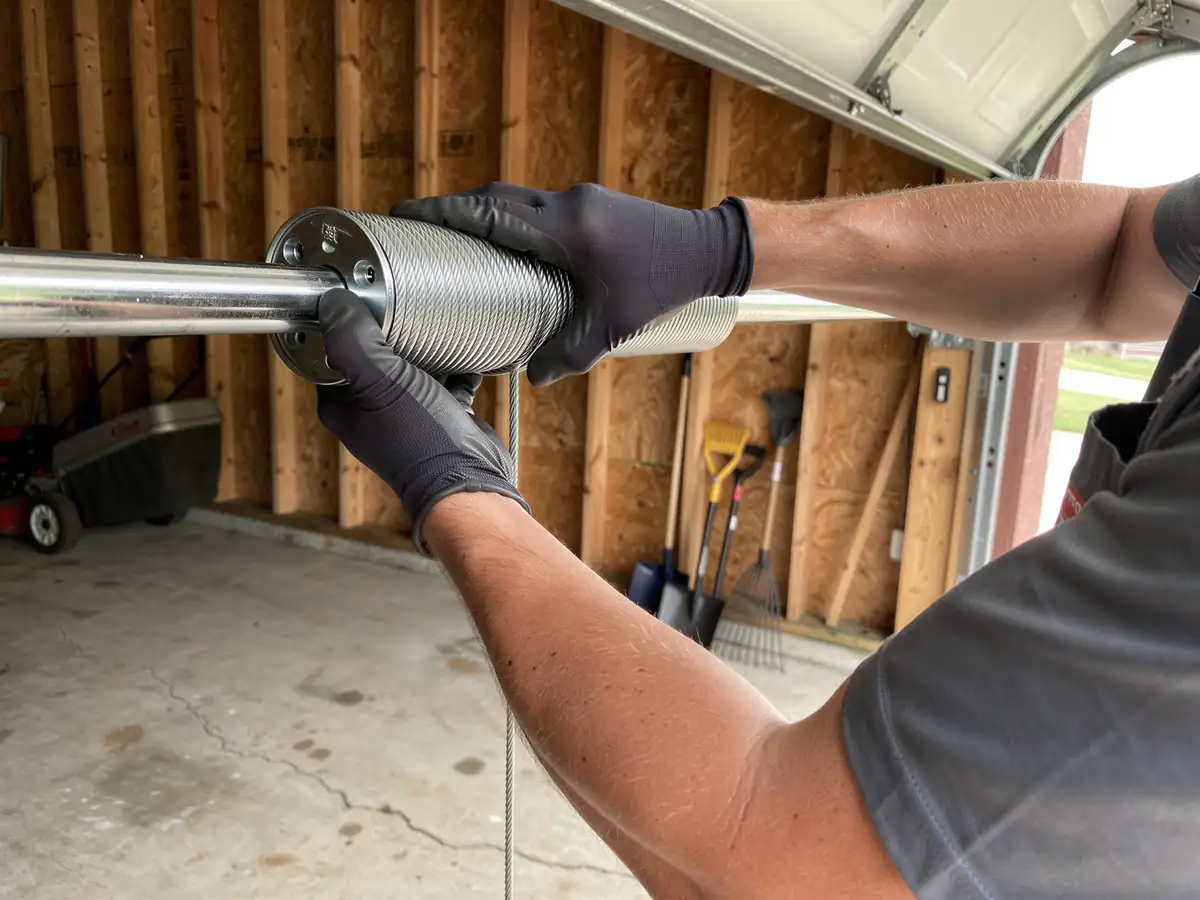
A garage door that drops crooked, stalls halfway, or comes down with a bang usually means a cable has let go or is about to. Look for one side of the door sitting lower than the other, a loud snap followed by the door refusing to move, or a cable visibly unwound from its drum at the top corner of the door. Sometimes you catch it early: a frayed strand sticking out like a broken guitar string, or a cable riding off its track groove. If the door only moves a few inches before the opener strains and reverses, that's the opener trying to lift a door that one cable is no longer sharing the load on. Don't keep running the opener through this - it finishes the job the cable started and can bend the track or crack a panel. A door hanging on one cable can also fall the rest of the way without warning, which is a real hazard if anyone's standing under it or has a hand near the bottom section. Most Pocatello calls for this come in as 'the door just dropped' - that's a cable, nearly every time, not a spring.
The DIY Question
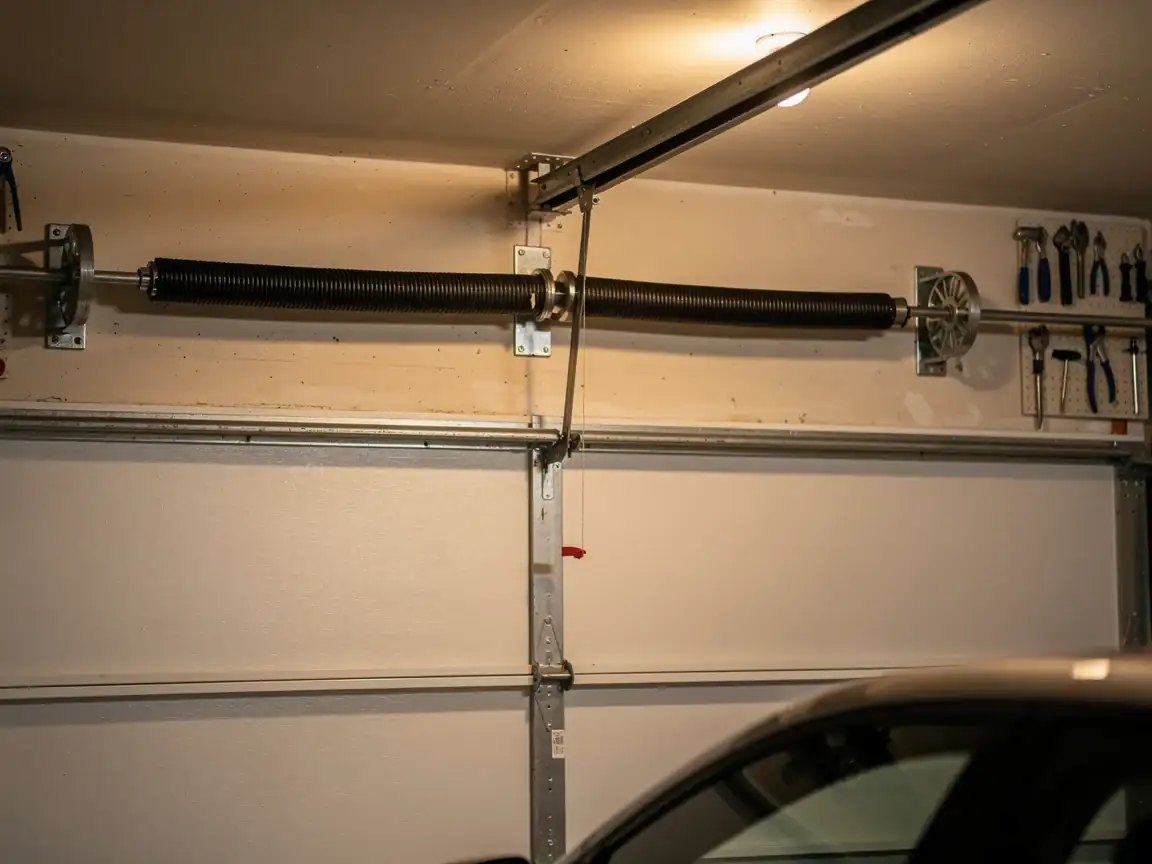
Cables are under high tension even with the door closed, because the springs are still loaded against them. Pulling one loose, unwinding it from the drum, or cutting a frayed strand to 'see how bad it is' can send it whipping across the garage hard enough to cut skin or crack a windshield if your car's inside. This isn't a job we'd tell a homeowner to try with a ladder and a wrench. Measuring your own cable length or ordering a replacement online is fine, but installing it without release clamps and winding bars on a wound spring is where people get hurt. If the door is still moving and you just want to stop using it until a tech comes, pull the emergency release cord, prop the door manually if it's safe to do so, and leave the opener switched off at the wall. That's about the limit of what's safe to do yourself - everything past that involves tensioned steel.
What the Repair Takes
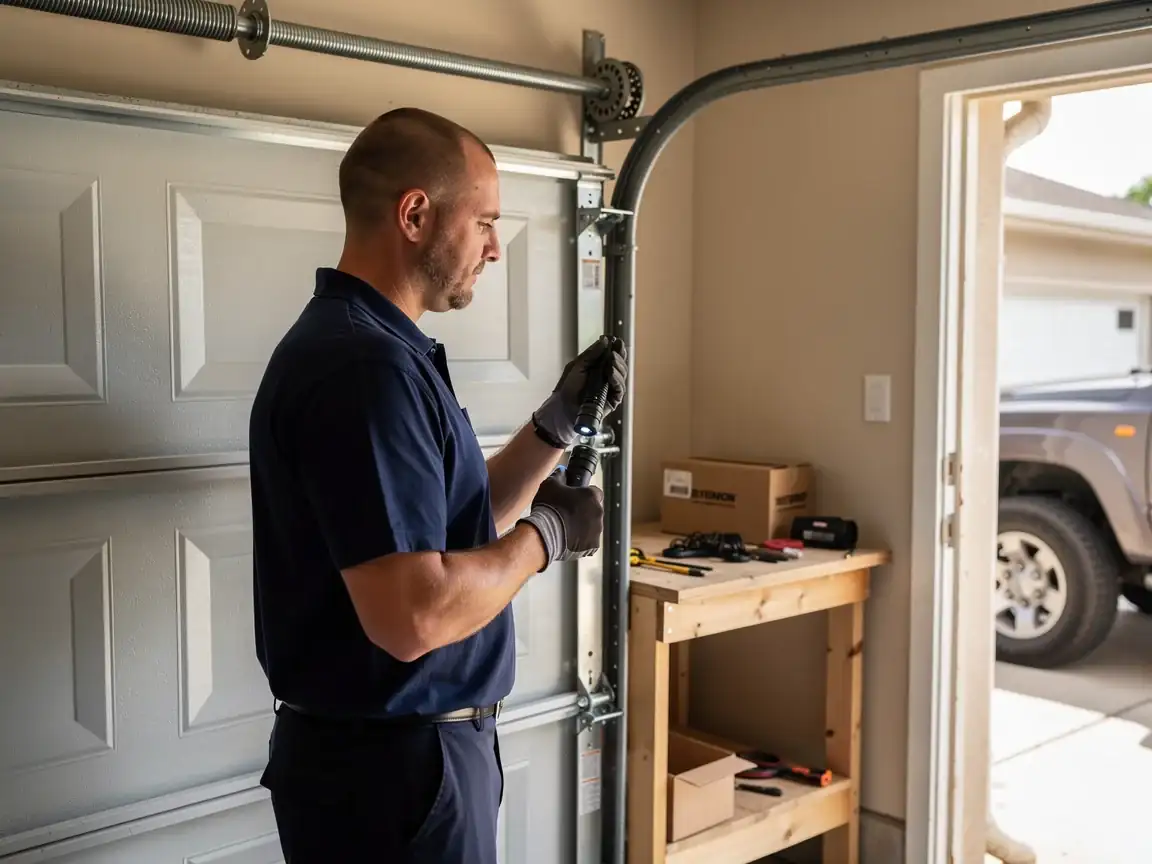
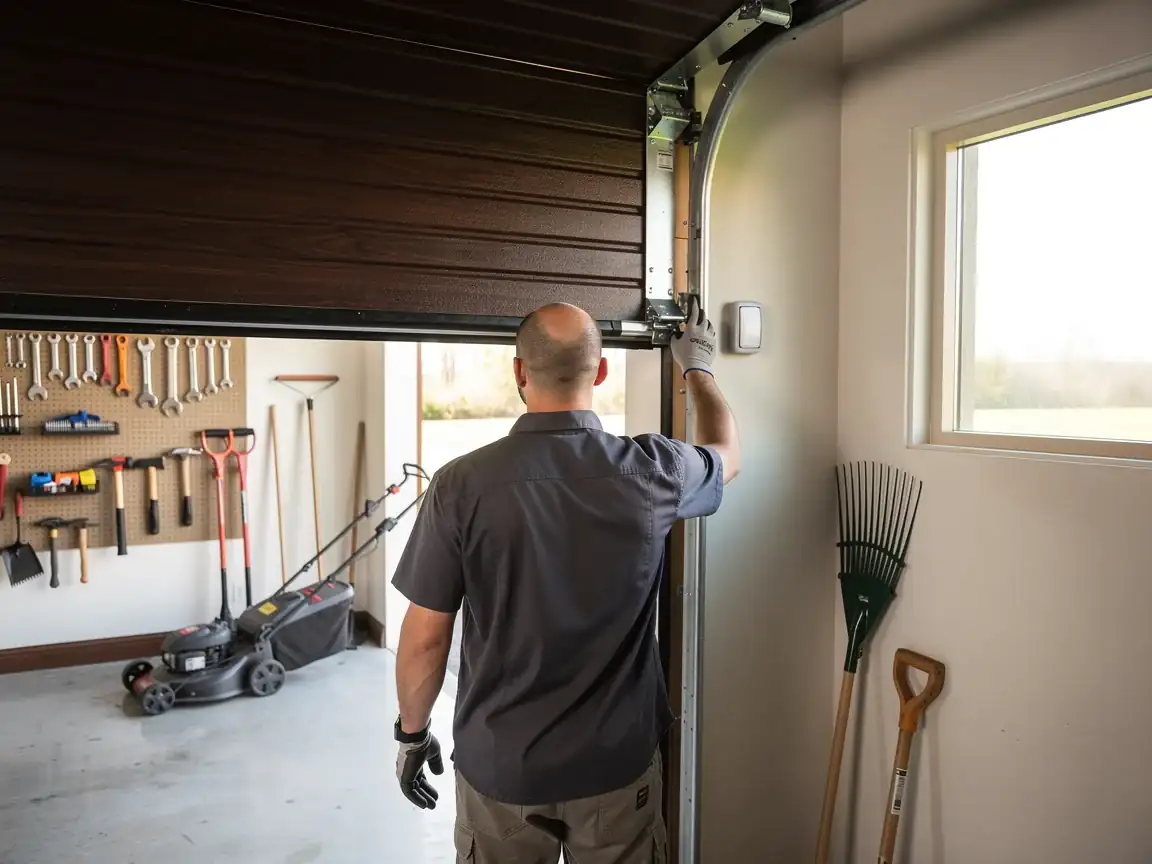
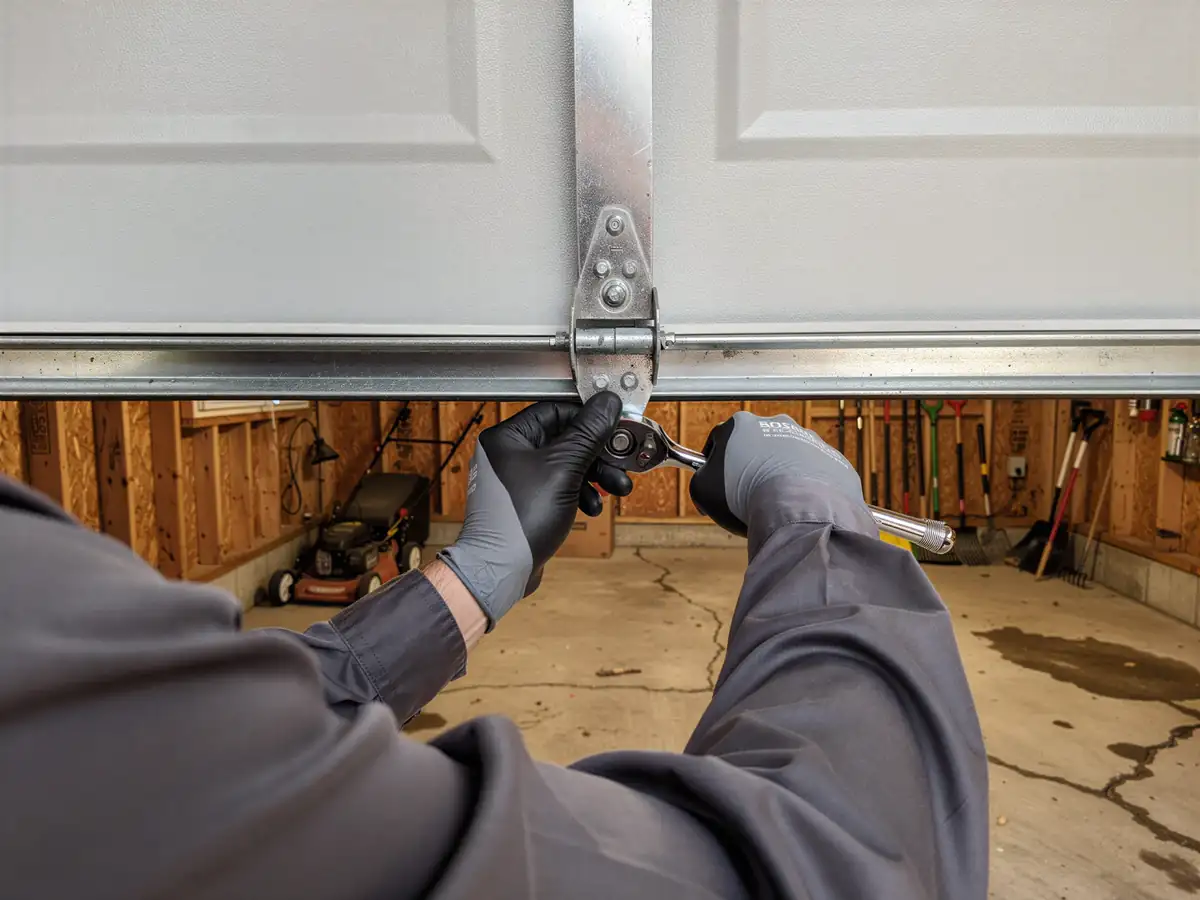
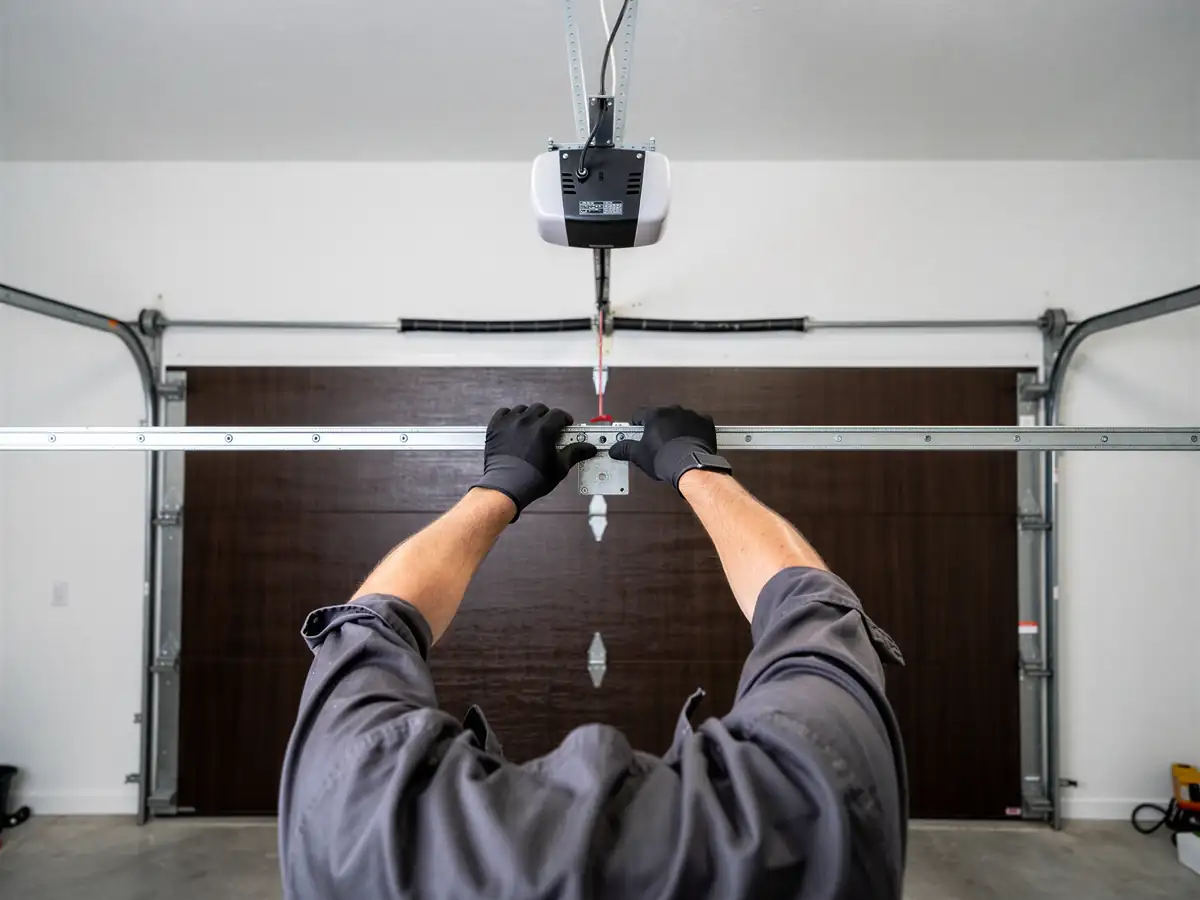
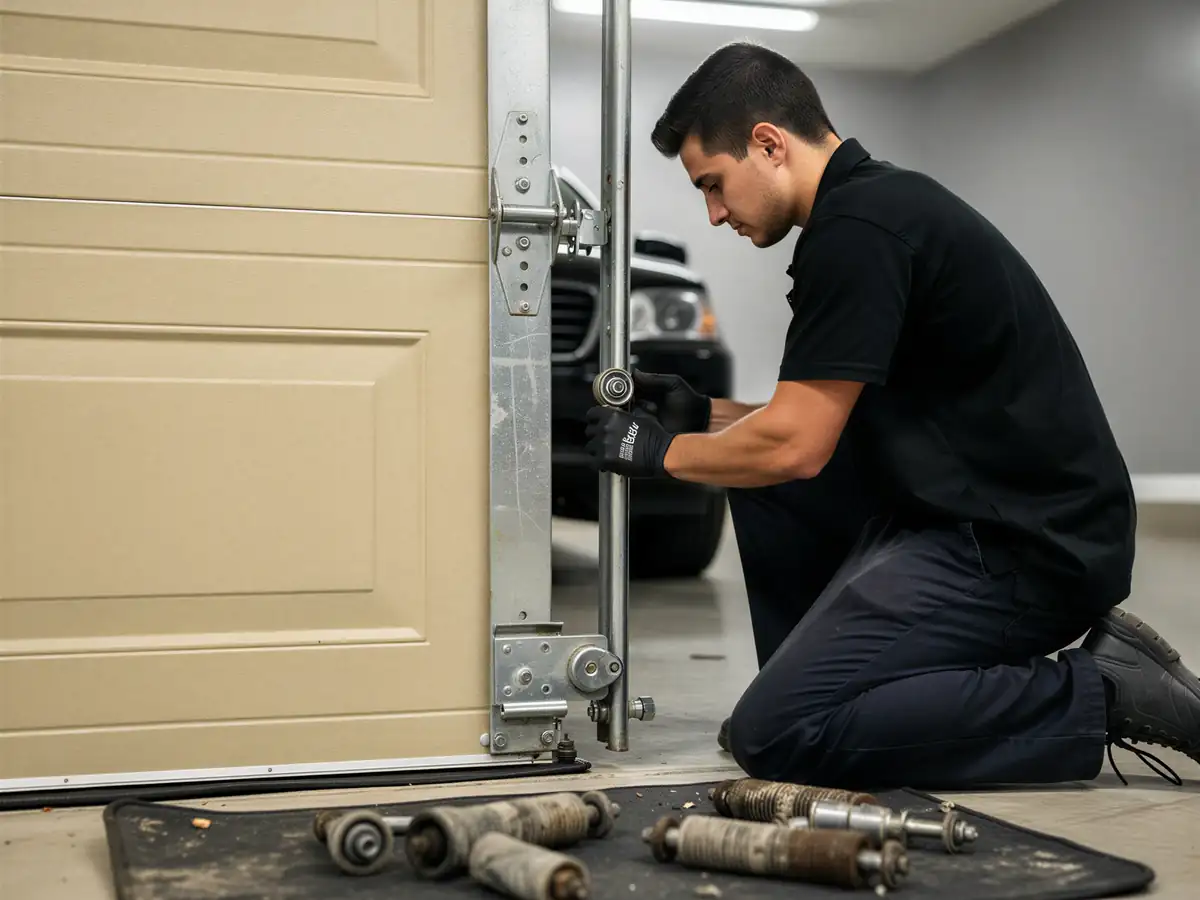
A straightforward cable replacement means releasing spring tension safely, pulling both cables (we replace in pairs so they wear evenly), checking the drums and bottom brackets for wear that caused the fray in the first place, and re-tensioning the door so it balances and reverses correctly on the opener's safety settings. If the original hardware on a 1980s-era door is worn past that - pitted drums, a bent shaft, a track that's been fighting a misaligned cable for years - replacing cable alone won't fix the underlying problem, and we'll tell you that rather than send a cable out to fail again in a year. One honest limit: if your door track or spring system is end-of-life, cable repair is a stopgap, not a fix, and we'd rather say so up front than charge you twice.