What Was Built Here
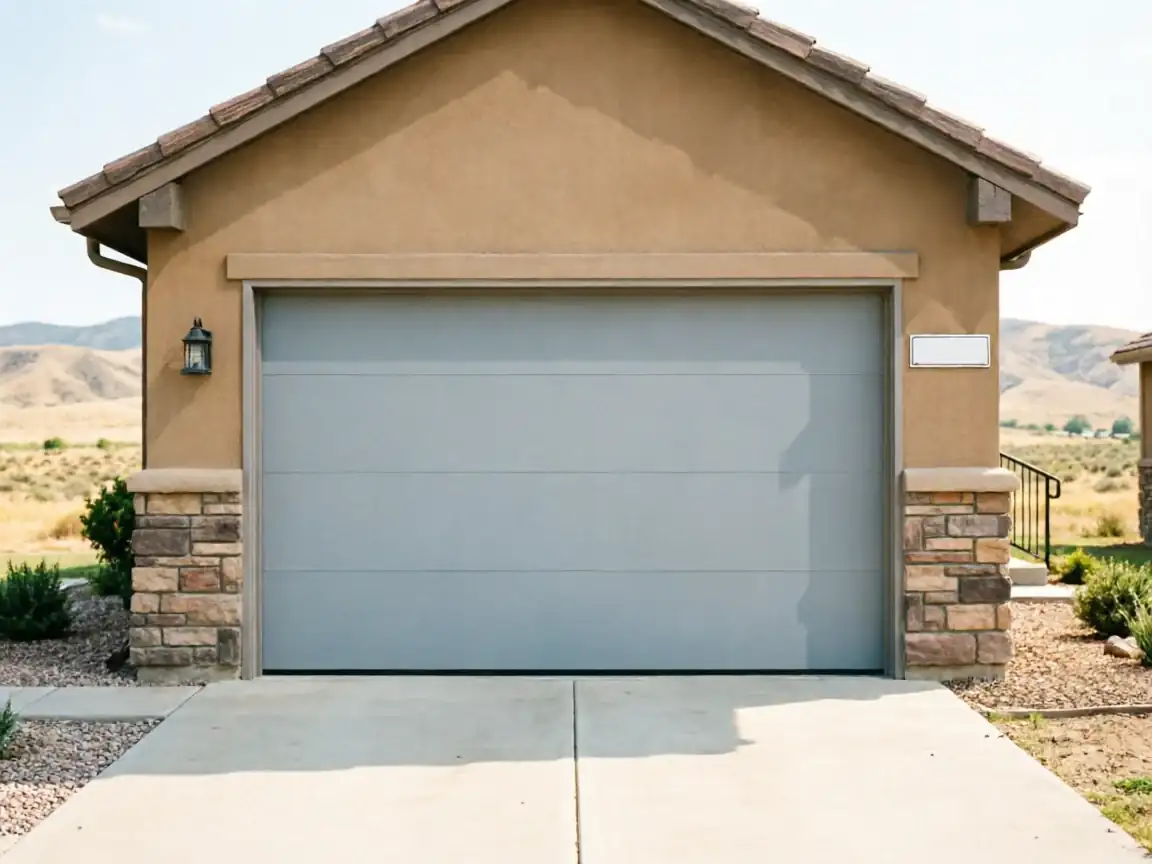
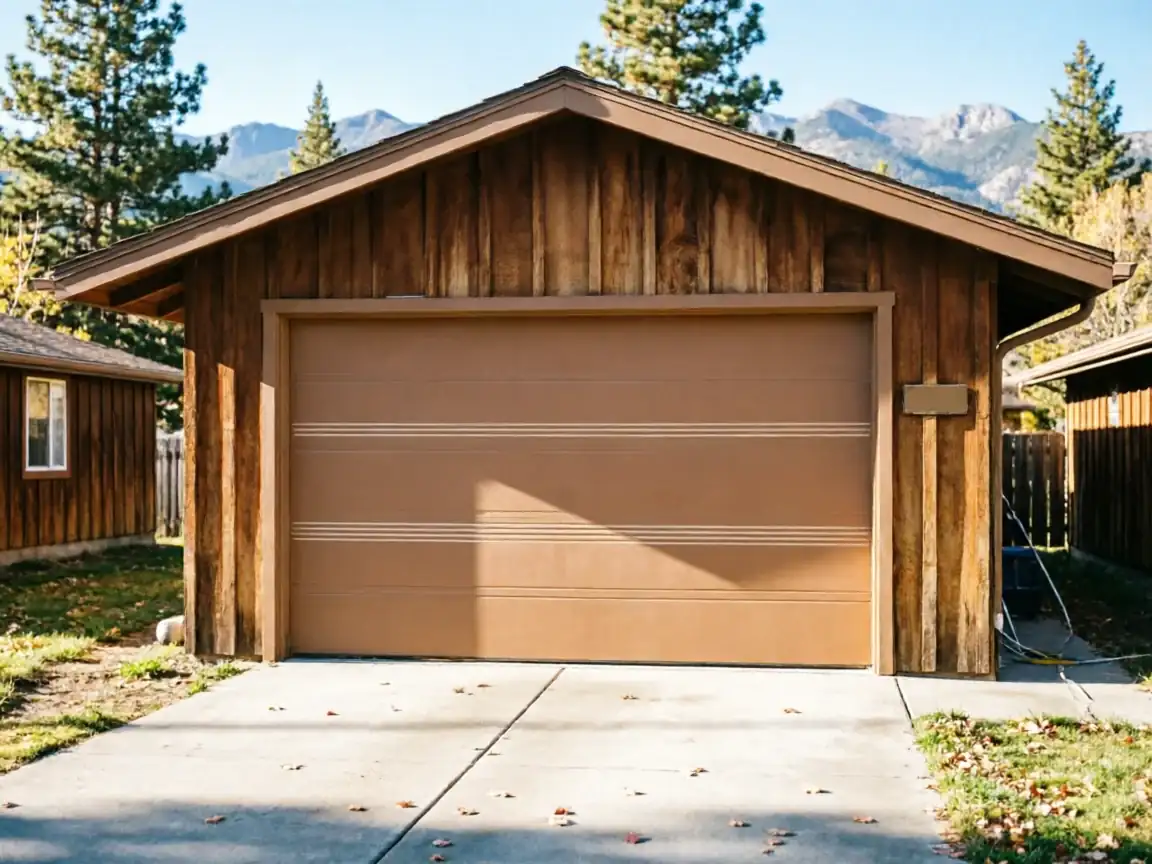
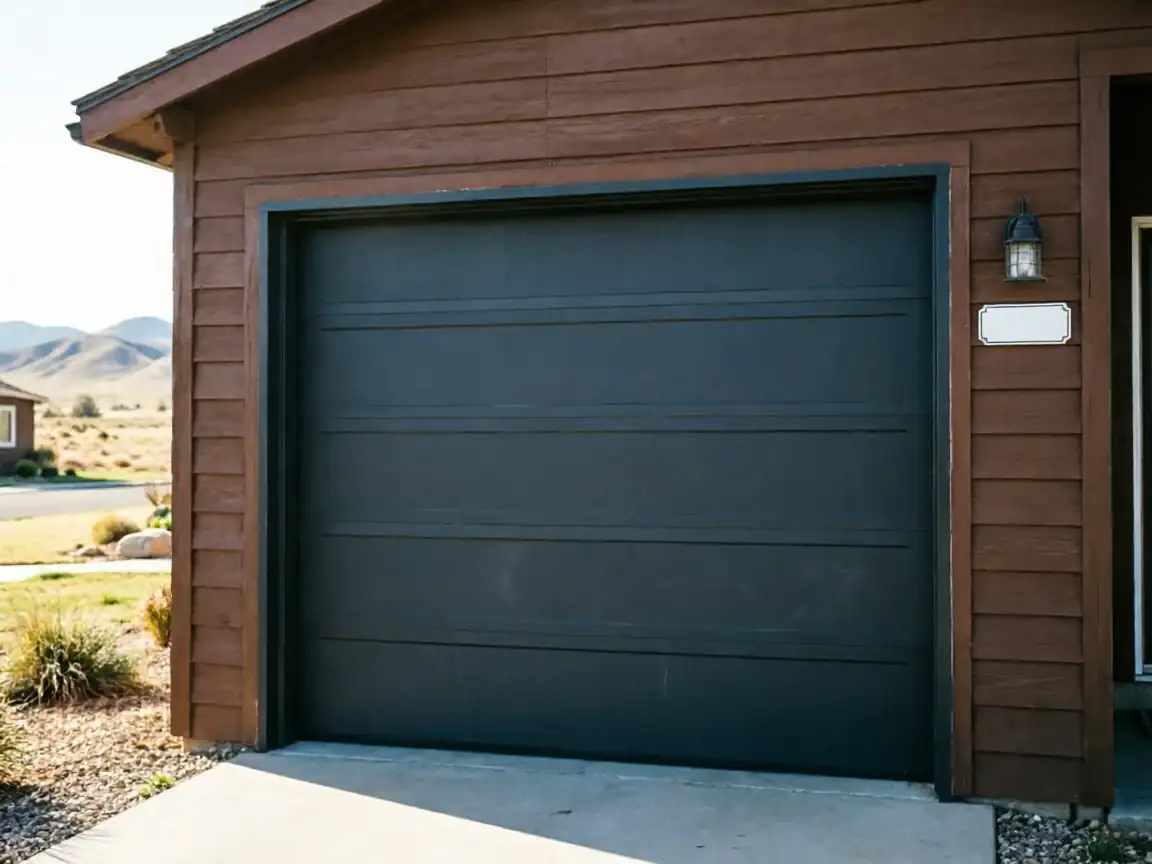
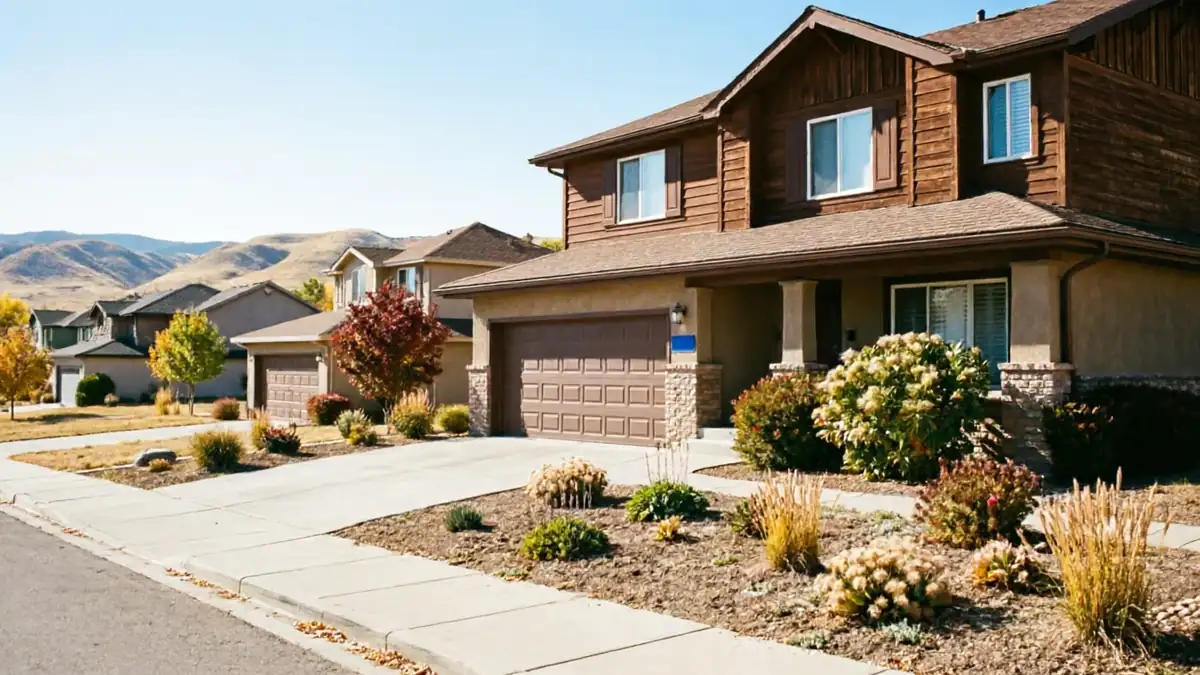
Chubbuck's housing is younger than most of the rest of our service area. The typical house here was built around 1995, while the broader area we cover runs on a median build year closer to 1980. That's a real gap - about fifteen years - and it shows up in the doors we find on these jobs.
Across the four communities we track, the stock mostly falls into the 1980s and 90s, but Chubbuck sits at the newer edge of that range. With roughly 5,560 households here, this is one of the bigger pockets we serve, and the median household income runs around $78,646 - noticeably above the $66,000 median across the full service area, which covers about 7,325 households and 3,950 owner-occupied houses.
That income and age profile matters for the kind of calls we get. Newer builds mean fewer doors held together with whatever hardware was on hand decades ago, and more owners who replace a failing opener instead of nursing it along for another winter.
What That Means for Doors
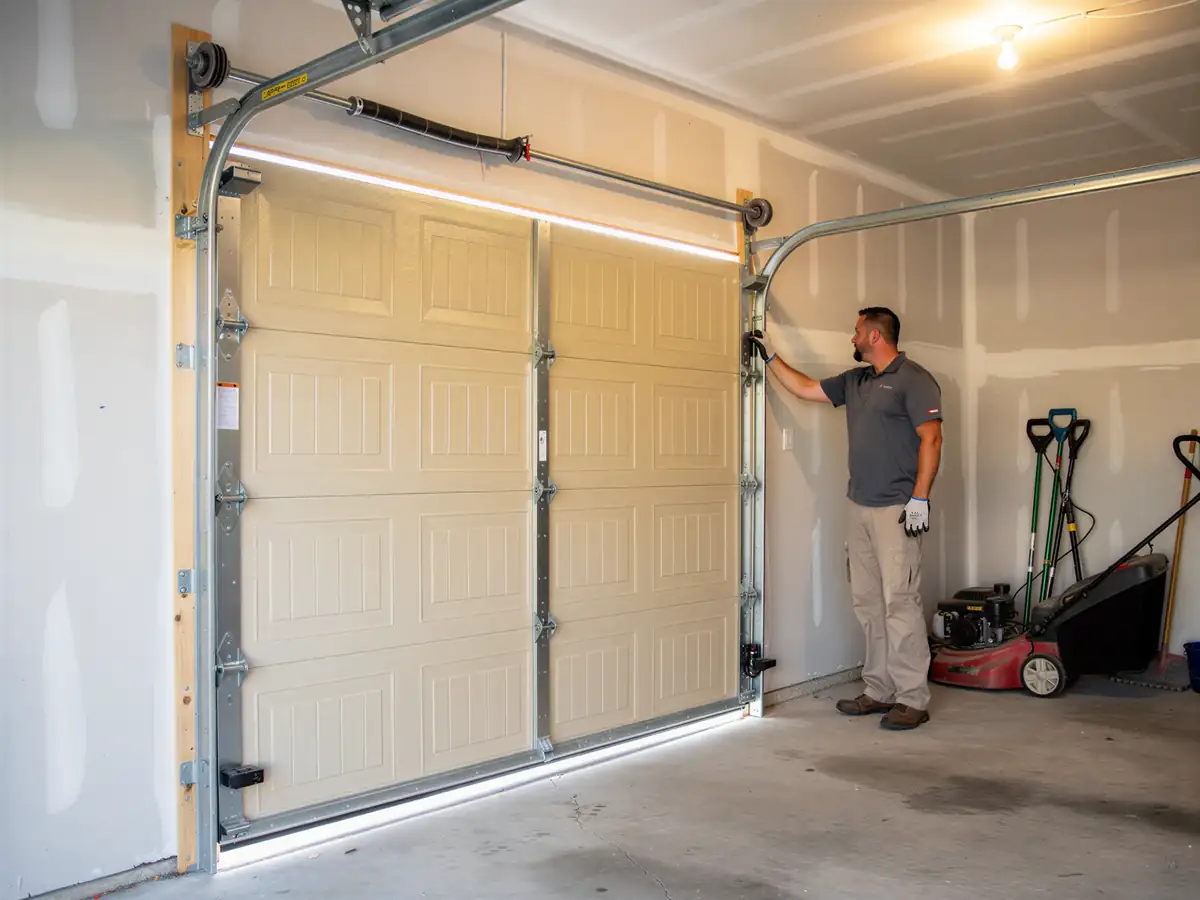
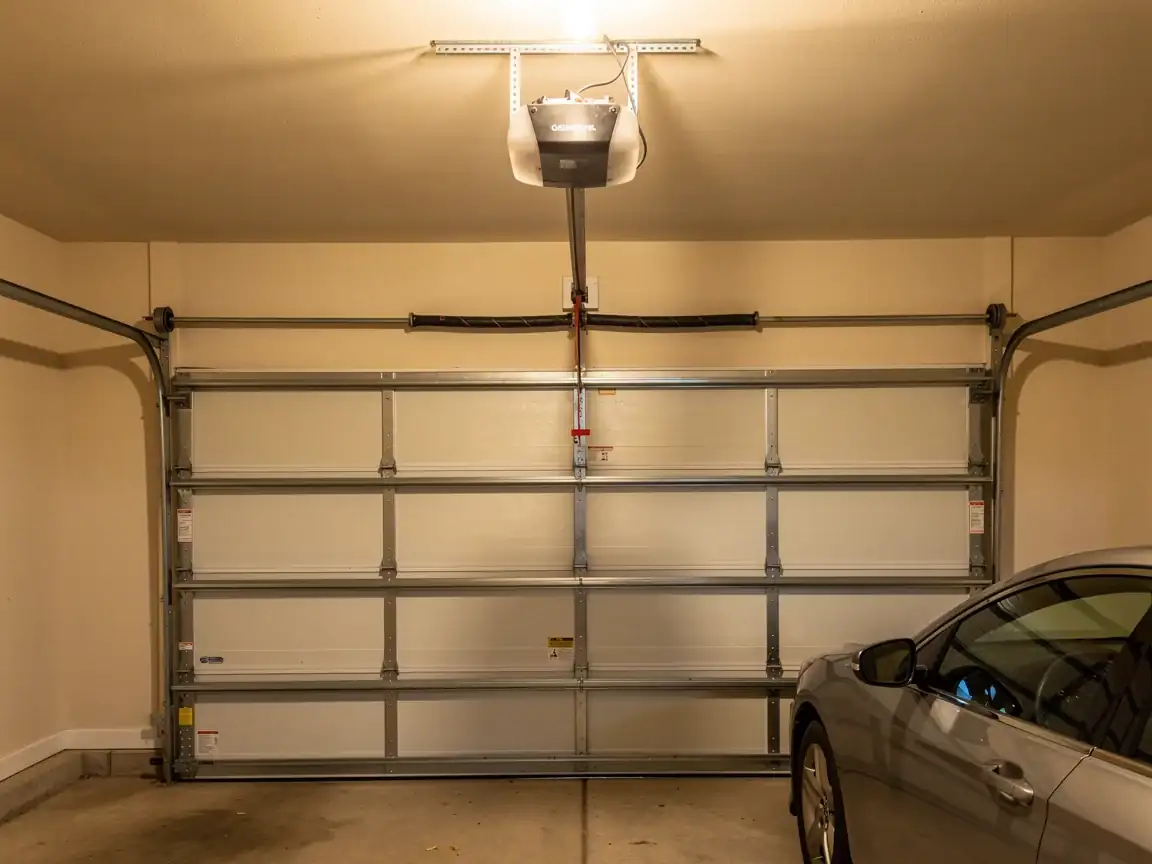
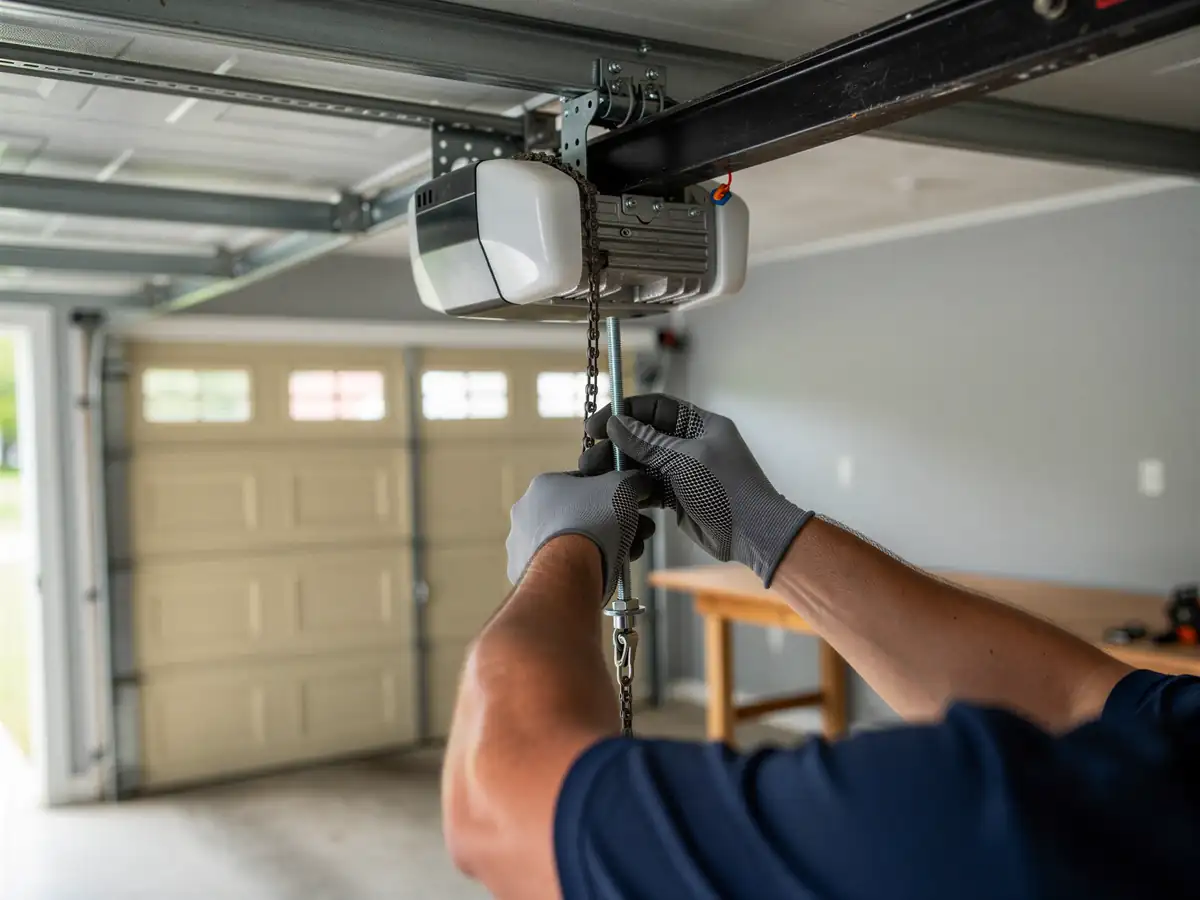
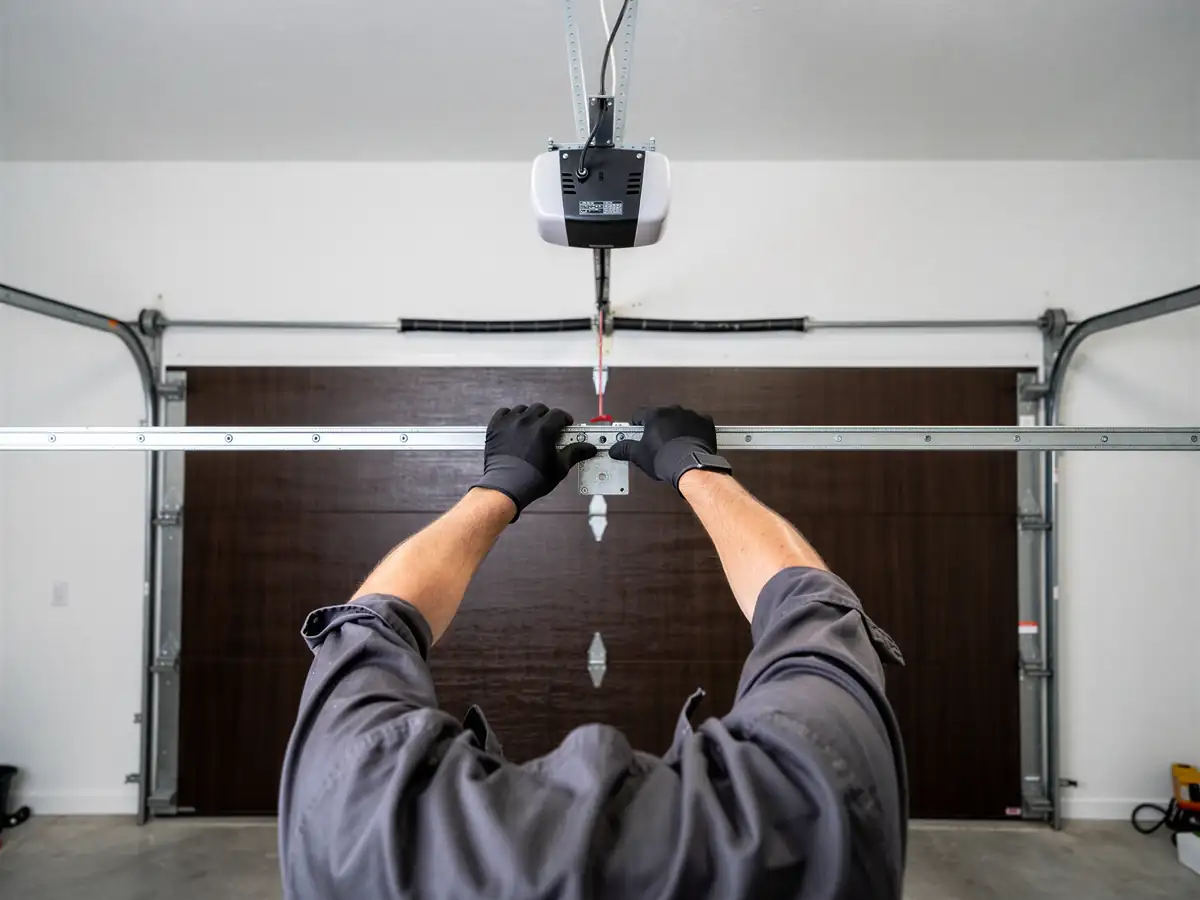
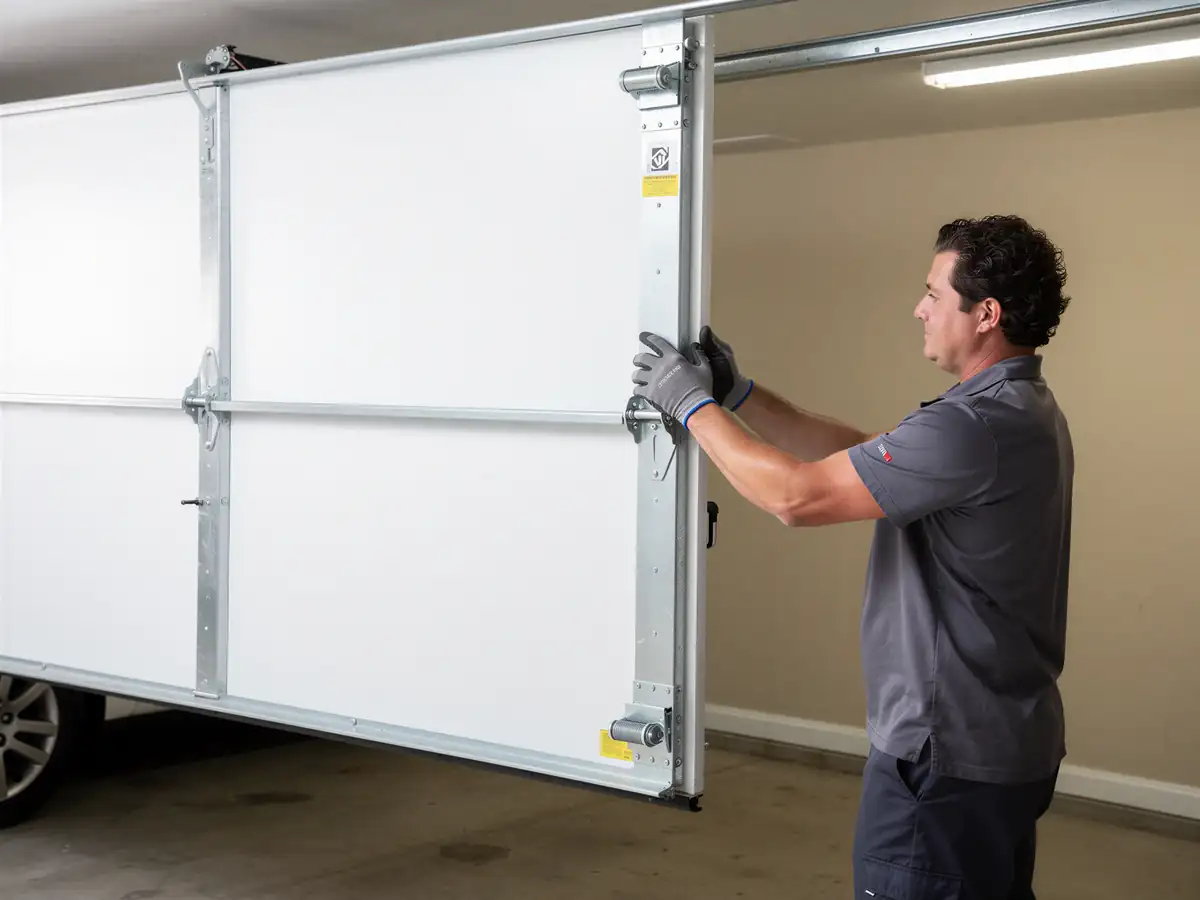
A door installed around 1995 is a different animal than one from 1970. Most houses here got steel sectional doors on torsion spring setups rather than the older extension-spring rigs you still find on pre-1980 construction elsewhere in the area. Factory chain-drive openers from that era are now 25 to 30 years into service - well past the point where the circuit board, the drive gear, or the capacitor is the thing that quits, not the door itself.
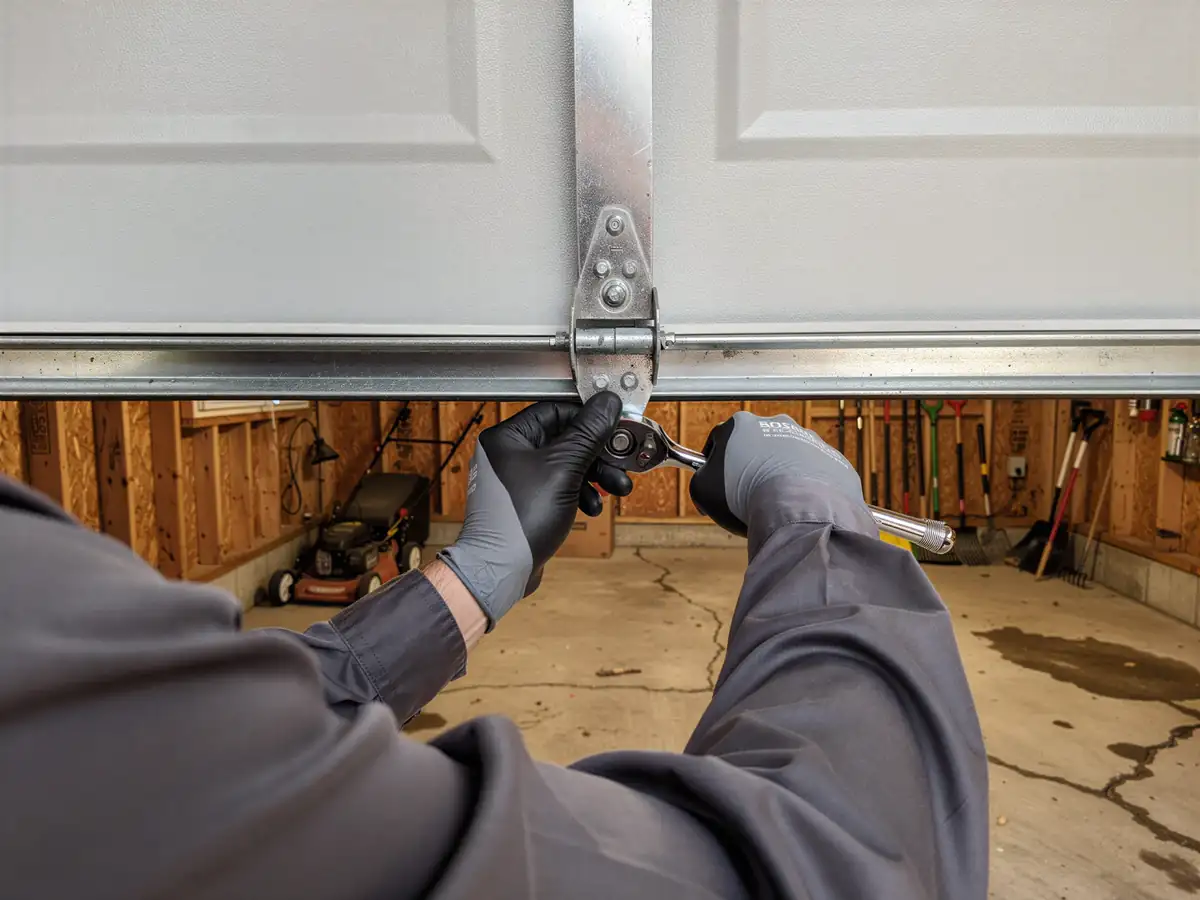
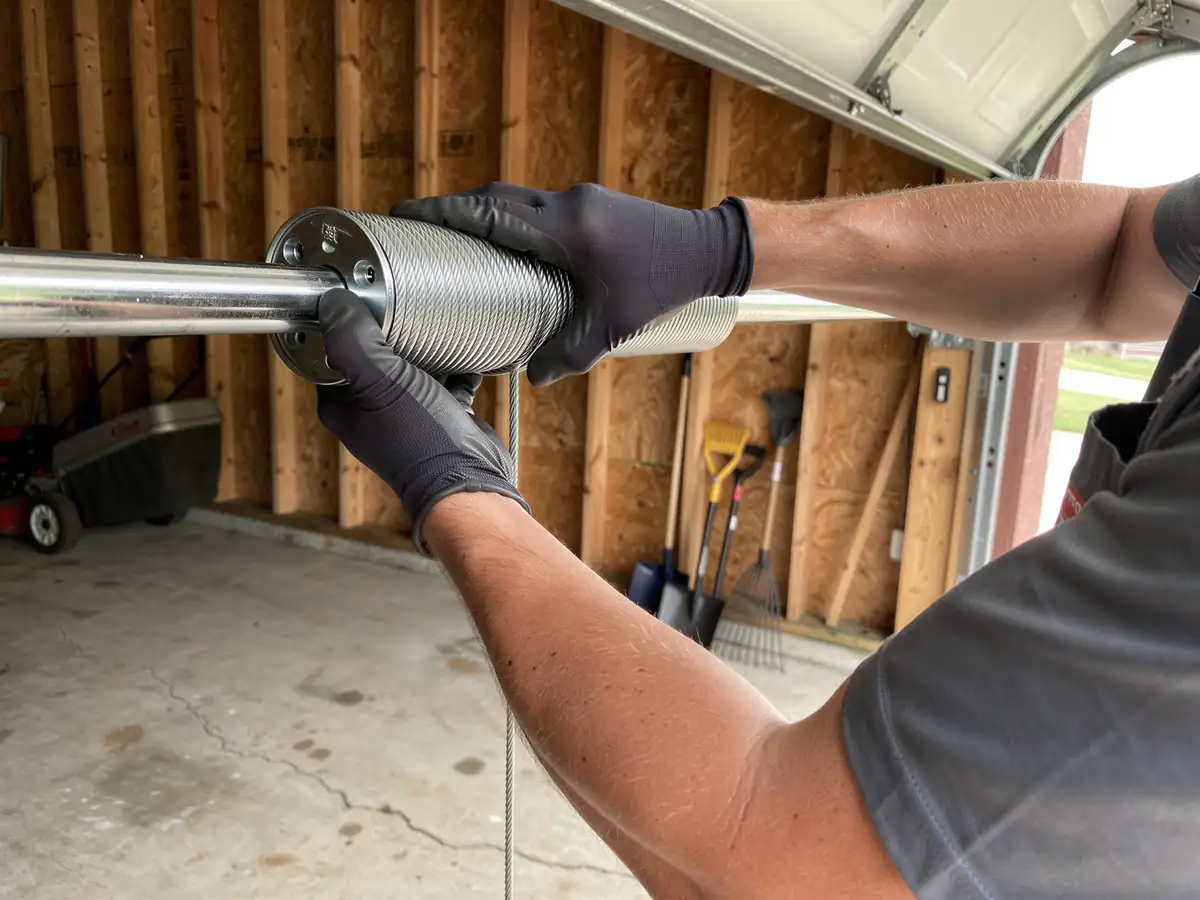
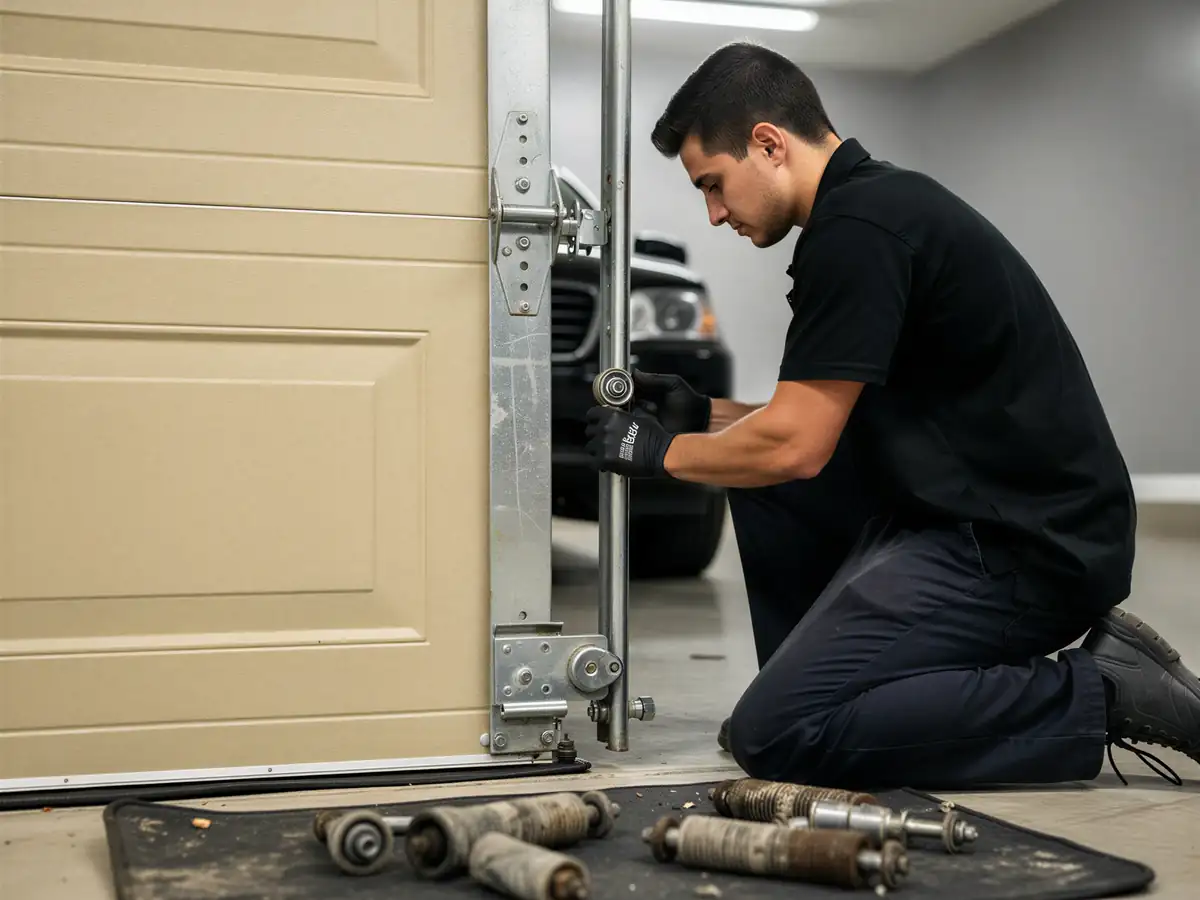
Torsion springs on a door this age are usually on their second or third set already, since a spring is rated in cycles, not years, and a well-used door burns through cycles fast. The original rollers are often still steel, not nylon, which matters once cold weather sets in.
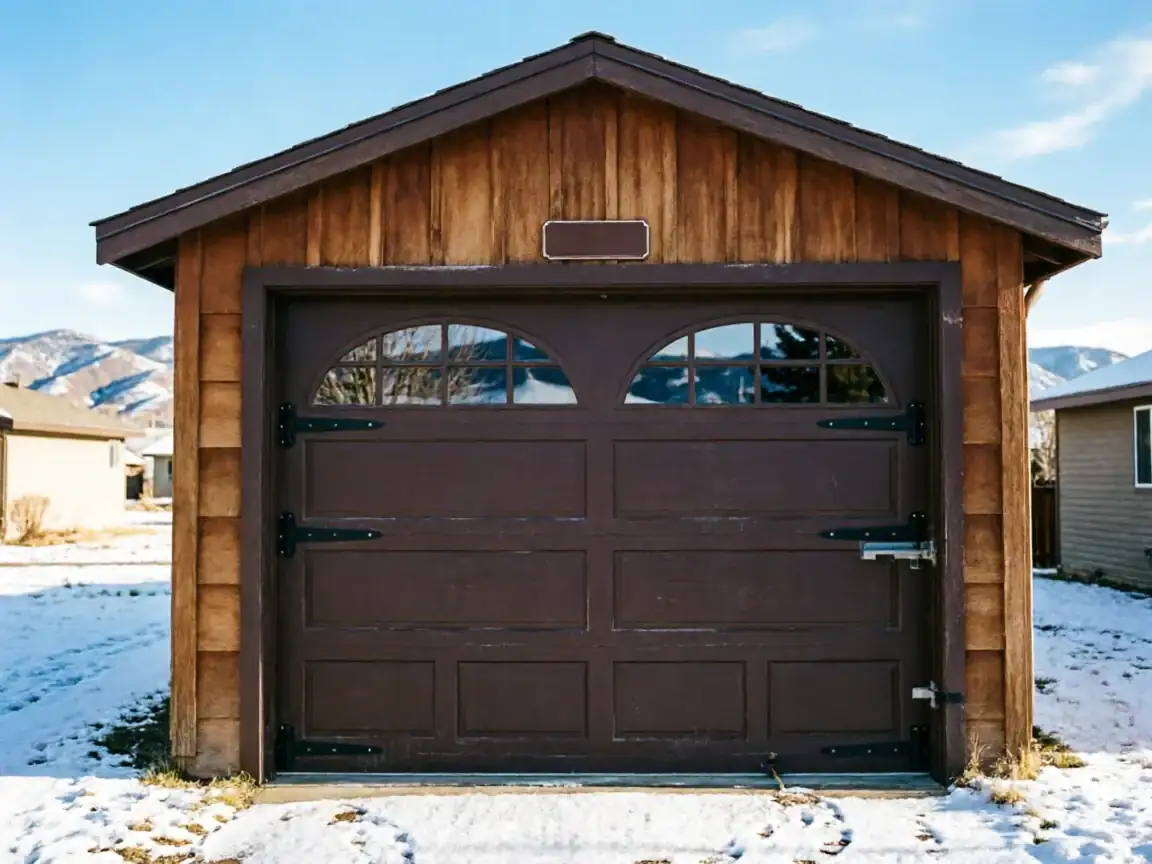
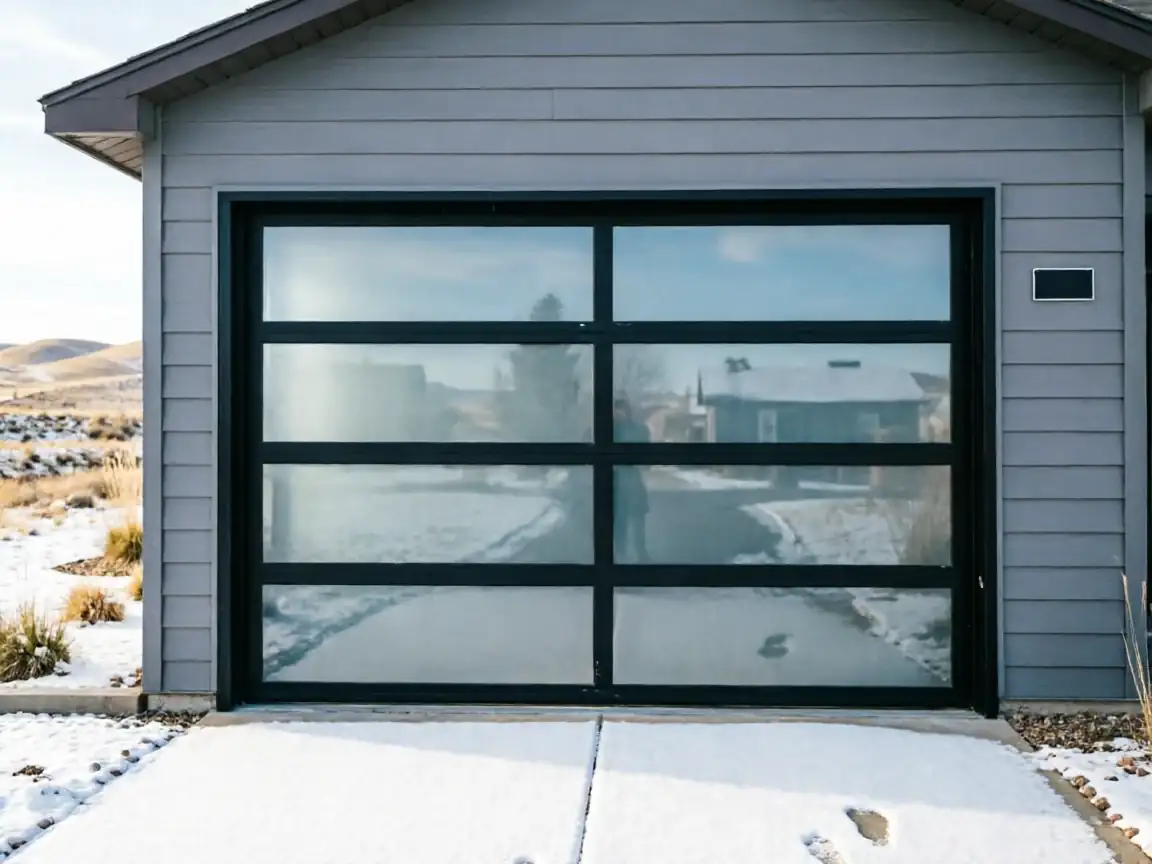
This area falls in a severe cold climate band, and that affects hardware directly: stiff steel rollers binding in the track on sub-zero mornings, grease gone thick, and openers straining to pull a door that's heavier than it should be because the springs have lost tension. None of that is unique to any one house - it's just what happens to doors of this age, in this climate, after enough winters.
When We Can Get There
Chubbuck sits about 4 miles from Pocatello
Which makes it the closest stop on our route among the communities we serve - closer than Arbon Valley at 6 miles, Fort Hall at 10, or Aberdeen at 20. We don't keep a depot or staging point in Chubbuck itself; every truck runs out of Pocatello.
That short distance means less drive time gets built into scheduling here than on farther jobs
But we're not going to promise a response window we haven't actually committed to. What we can say is that a 4-mile run is a short one, and it's usually easier to slot a Chubbuck call into the same day as nearby work than it is for the longer trips out toward Aberdeen.
What We Will Not Take On
We don't stock every opener part on the truck. Some circuit boards and drive assemblies for older units have to be special-ordered, and if yours is one of those, you're waiting on a part regardless of how close we are.
We also won't talk you into replacing a door that still has useful life left in it just because a spring broke. If the track is straight, the panels are sound, and the opener runs fine, a spring swap is the right call - not a full replacement. On the flip side, if the springs, the opener, and the rollers are all failing around the same time on a door this age, patching one part while the rest is about to go isn't doing you a favor either. We'll tell you which situation you're in before we start work, not after.