The Symptom
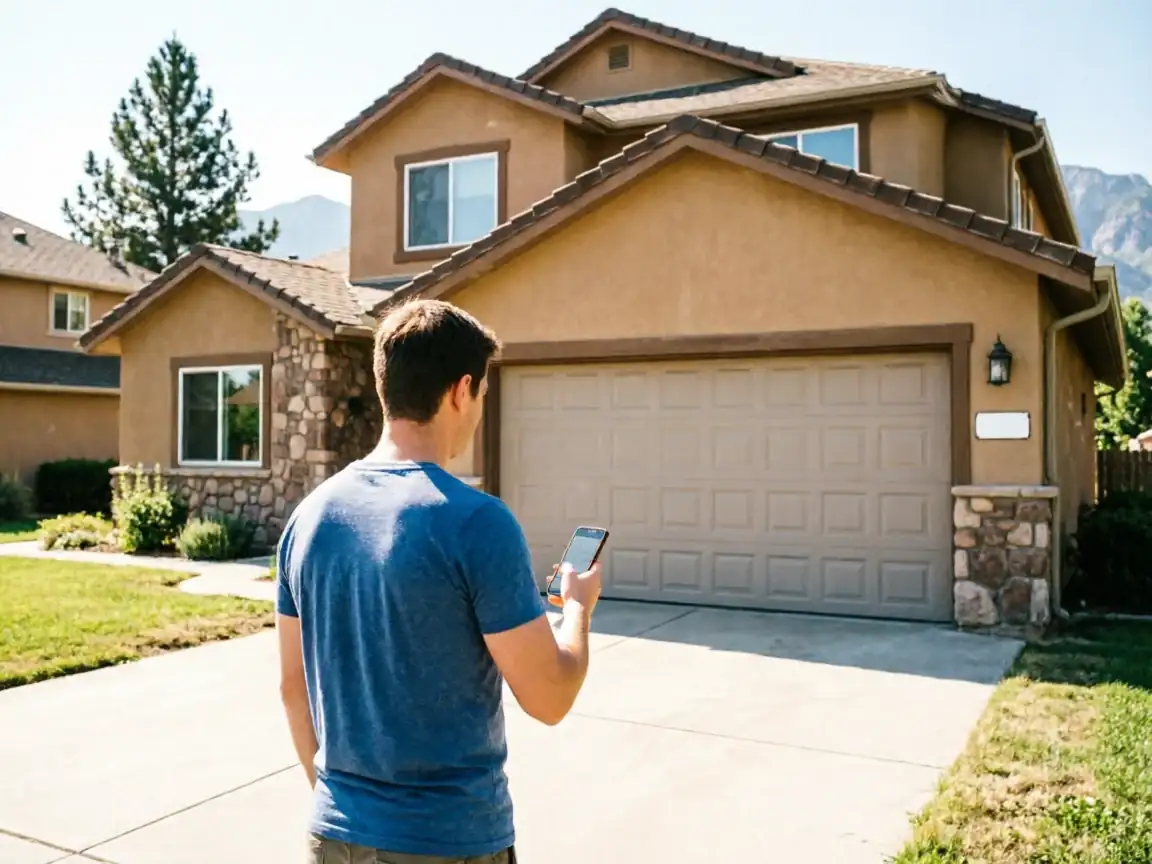
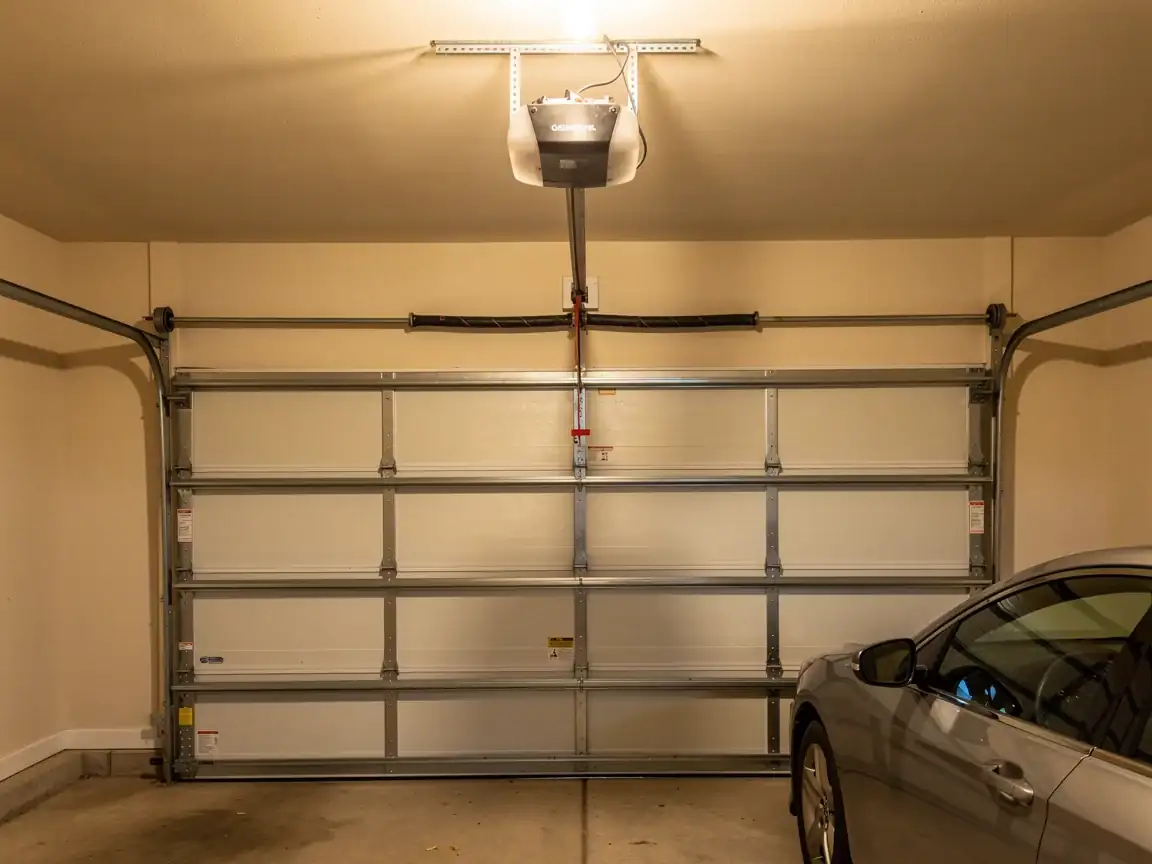
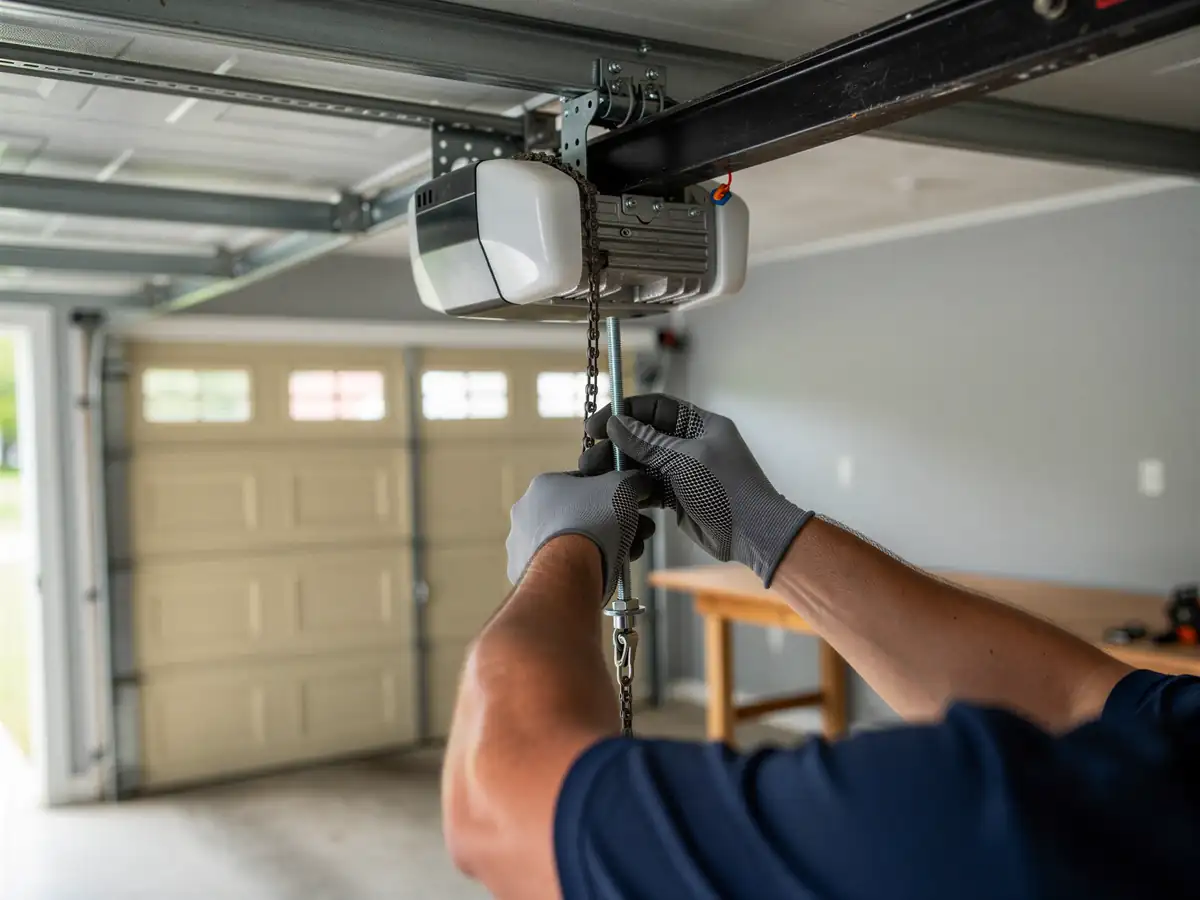
The opener hums but the door doesn't move. Or it moves a few inches and reverses. Or the remote works from the driveway but not from the street, and some mornings it just sits there dead. These are the calls we get most from Pocatello homeowners, and they almost always trace back to the motor unit itself, the drive gear, the logic board, or the sensors at the bottom of the track - not the door or the springs.
A lot of owners assume a dead opener means a dead door. Usually it doesn't. The door panels, hinges, and rollers can be fine while the opener's capacitor, gear, or circuit board has quietly failed. Figuring out which it is before you start swapping parts saves a trip and saves money, because openers and door hardware fail for different reasons and get fixed in different ways.
The DIY Question
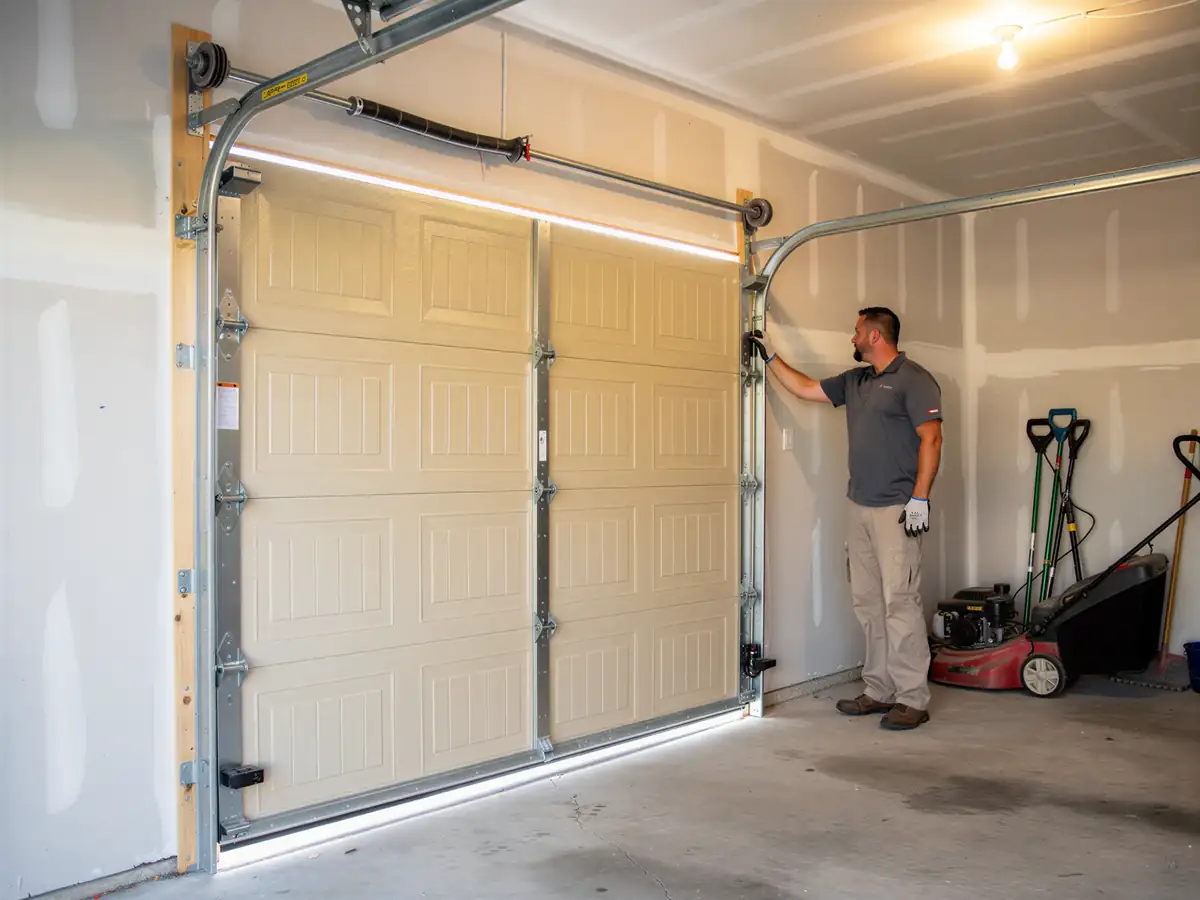
Some of this is reasonable to check yourself. Reversing sensors at the bottom of the rails get knocked out of alignment by a bike or a snow shovel - a quick look at whether both little LED eyes are lit and facing each other can solve it in five minutes. Dead remote batteries, a tripped breaker, or a disconnected safety cord are also worth a look before anyone calls a tech.
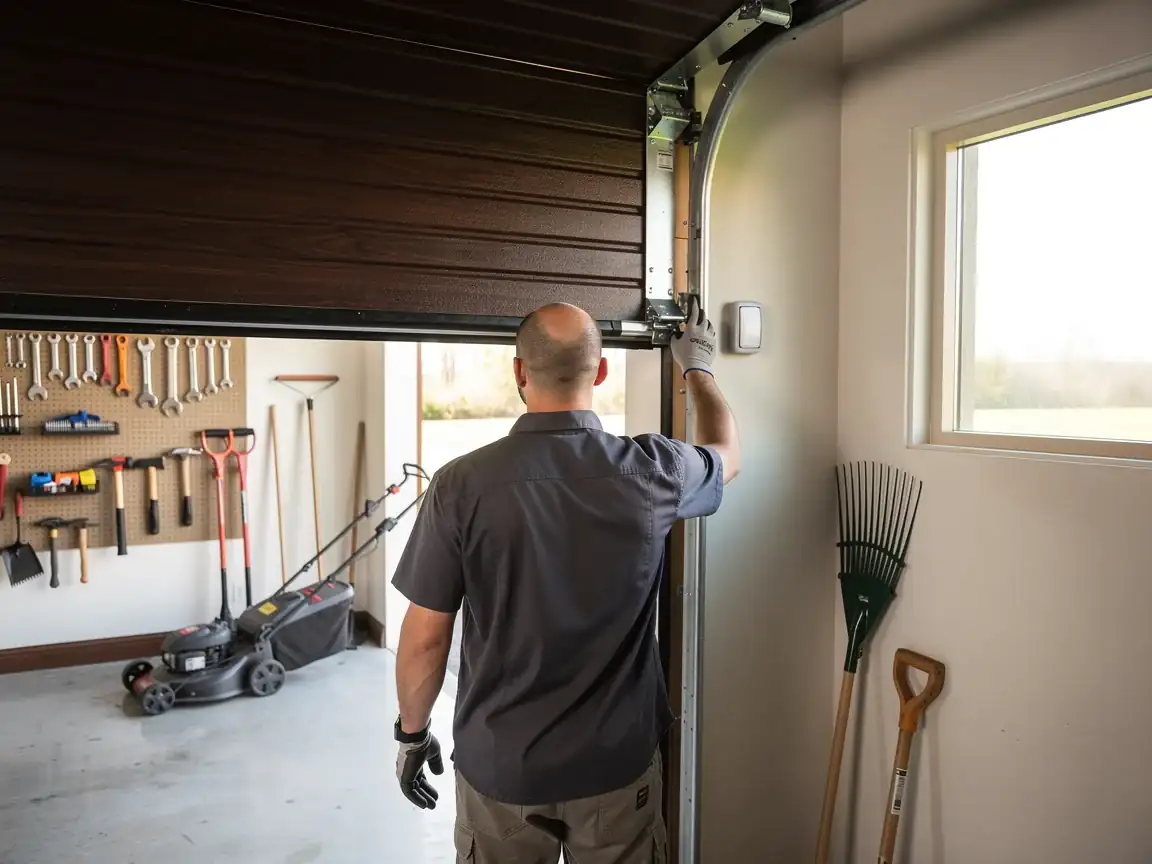
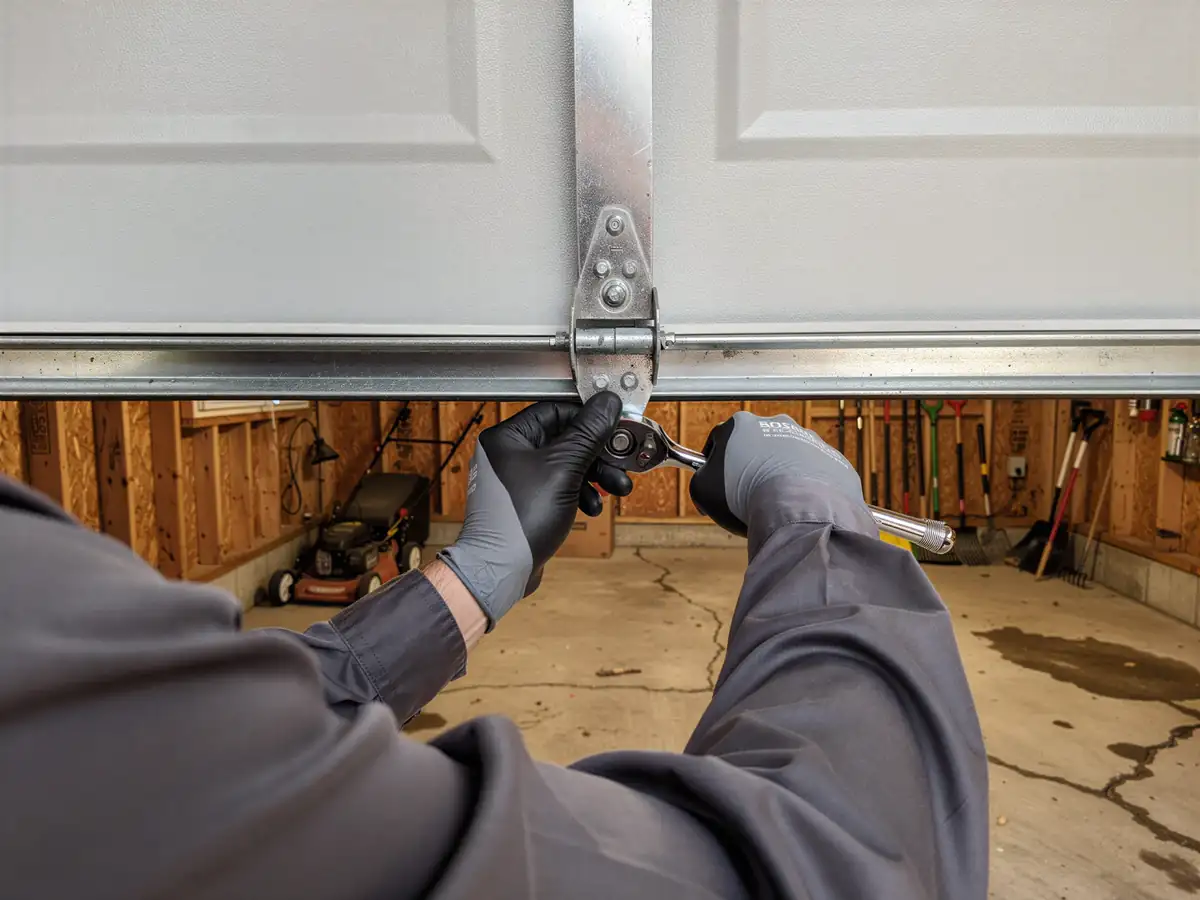
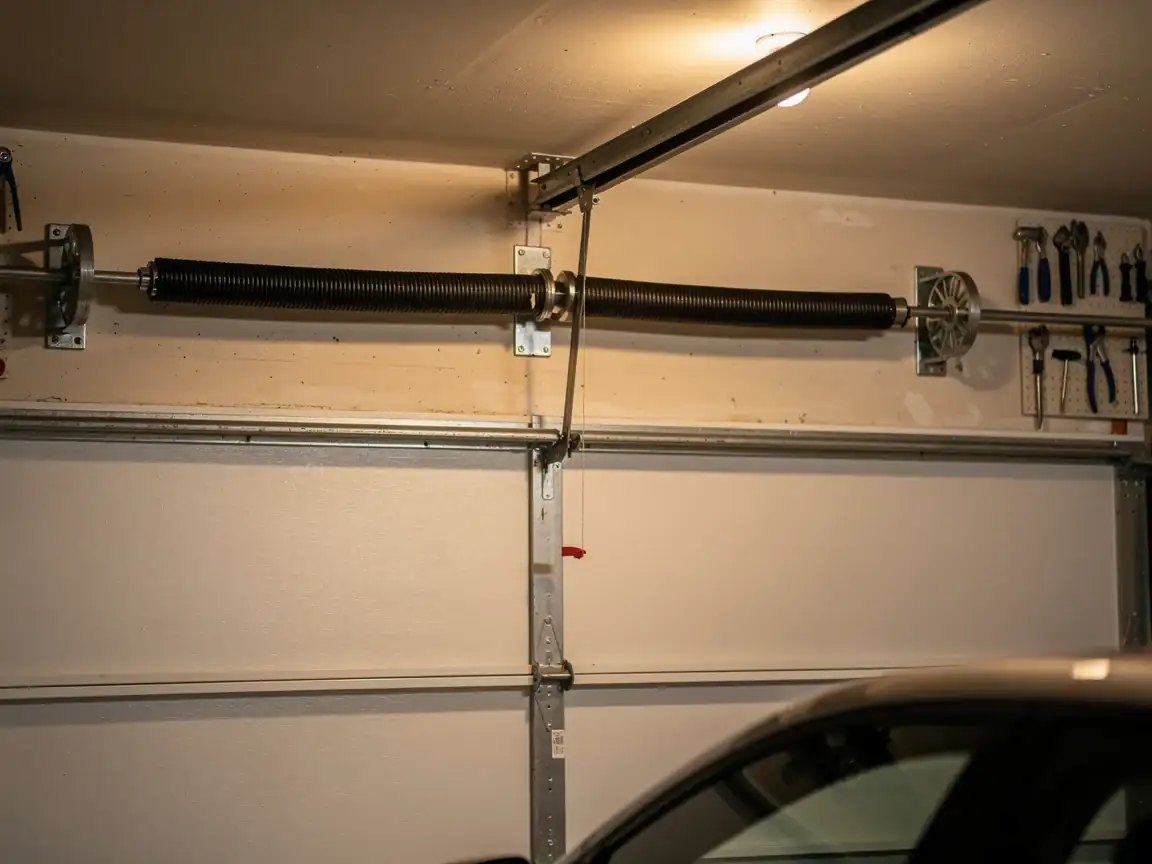
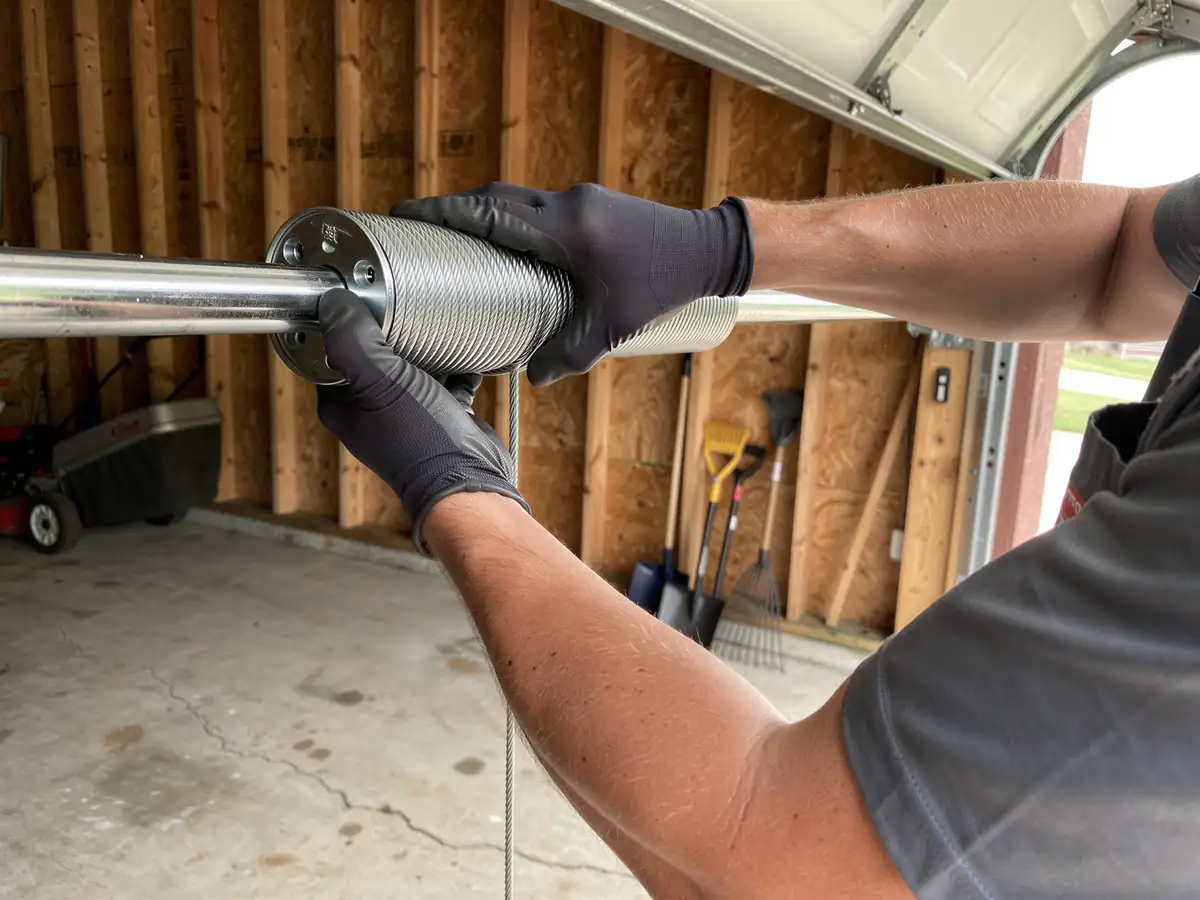
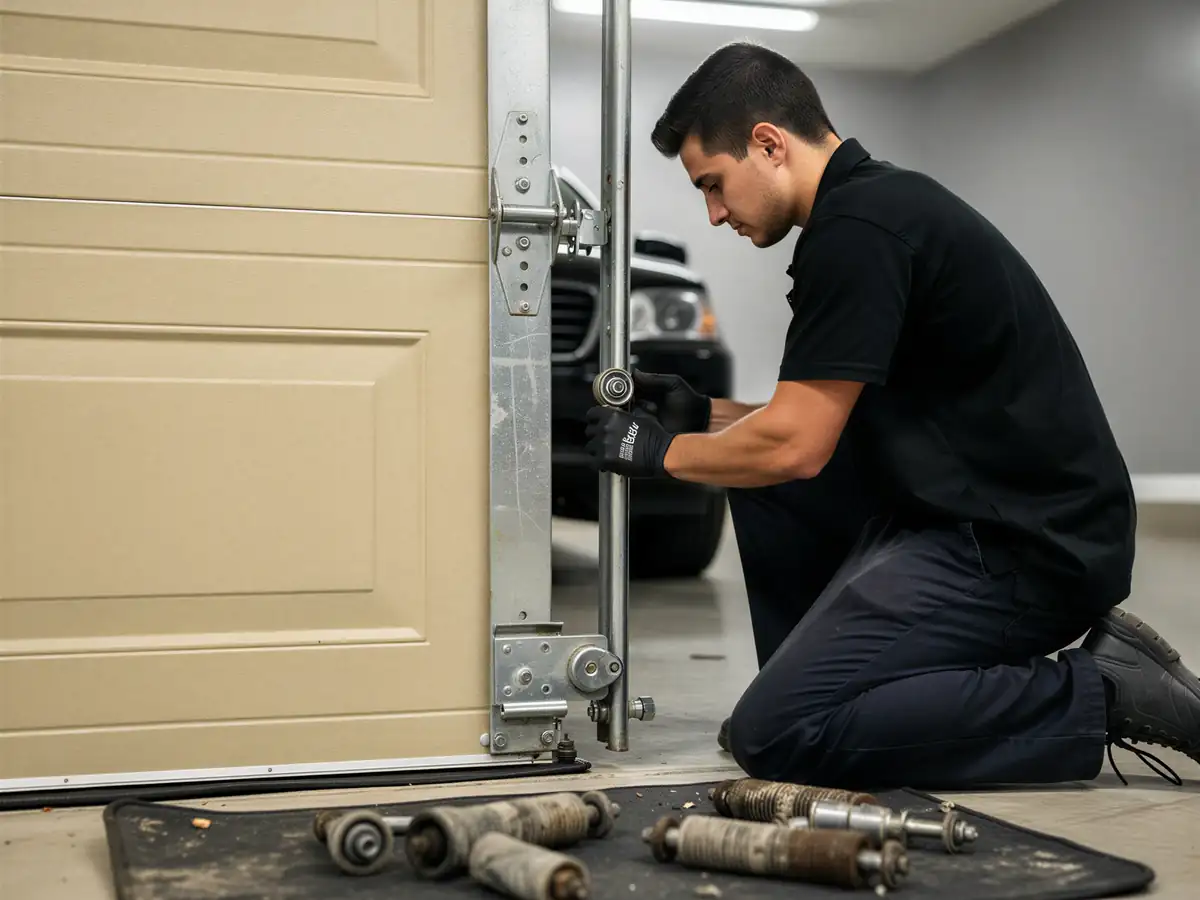
What's not worth doing yourself: opening the opener housing to get at the drive gear or circuit board, or working on anything while the door is under spring tension. Stripped nylon gears are a common failure on units from the 1980s and 90s, and replacing one means taking the cover off a motor that's still wired into your home's power and potentially still connected to a door under load. That's where we'd rather you call than improvise.
What Causes It Around Here
Housing across the Pocatello area mostly went up between 1964 and 1995
With a lot of it dating to the 1980s and 90s. That means a large share of openers in the service area are either original chain-drive units from that build era or early replacements - both now old enough that nylon drive gears, capacitors, and logic boards are reaching end of life around the same time across whole neighborhoods.
The cold is the other half of it
This is a severe cold climate, and openers mounted in unheated garages take a beating from the swing between a warm afternoon and a sub-zero night. Capacitors lose their charge faster in cold, lubricant in the drive gear stiffens up, and circuit boards that are already marginal from age start throwing errors only in winter. We see a clear jump in opener calls once the hard freezes set in, concentrated in houses built in that same 1964-1995 window.
What the Repair Takes
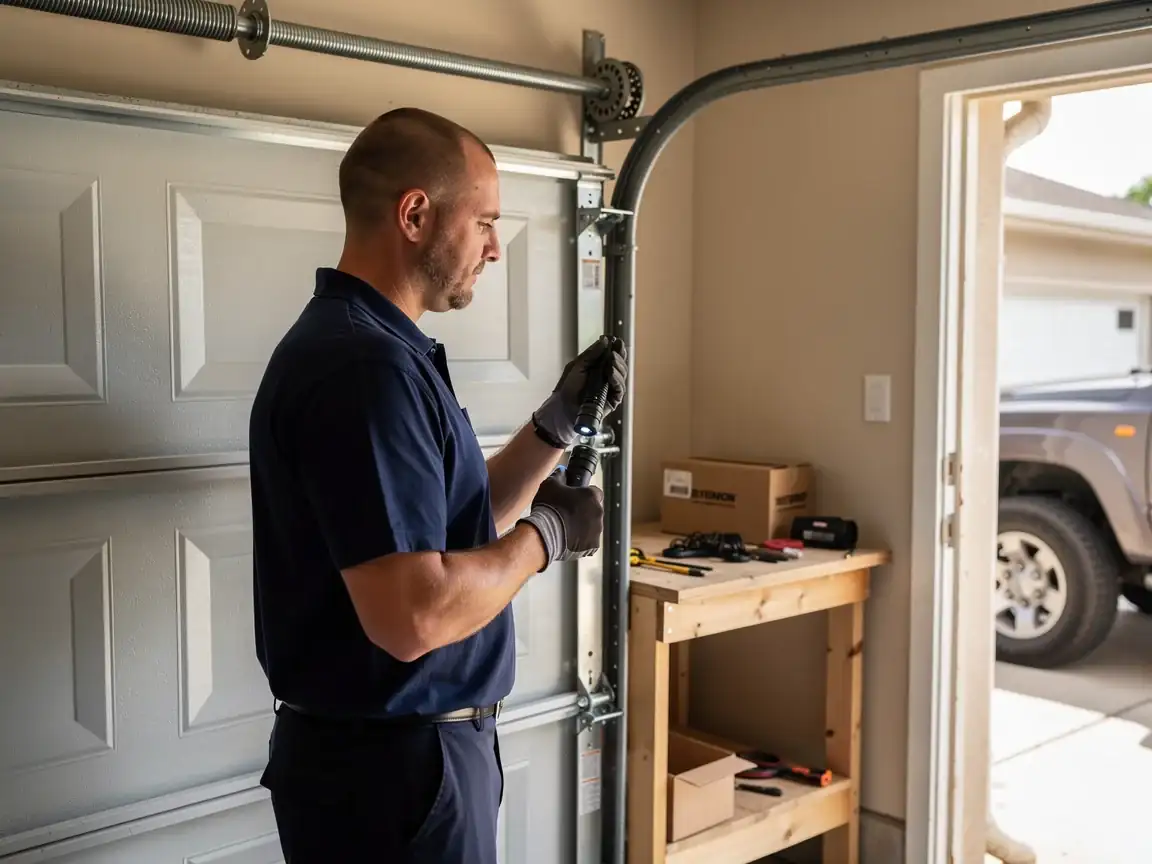
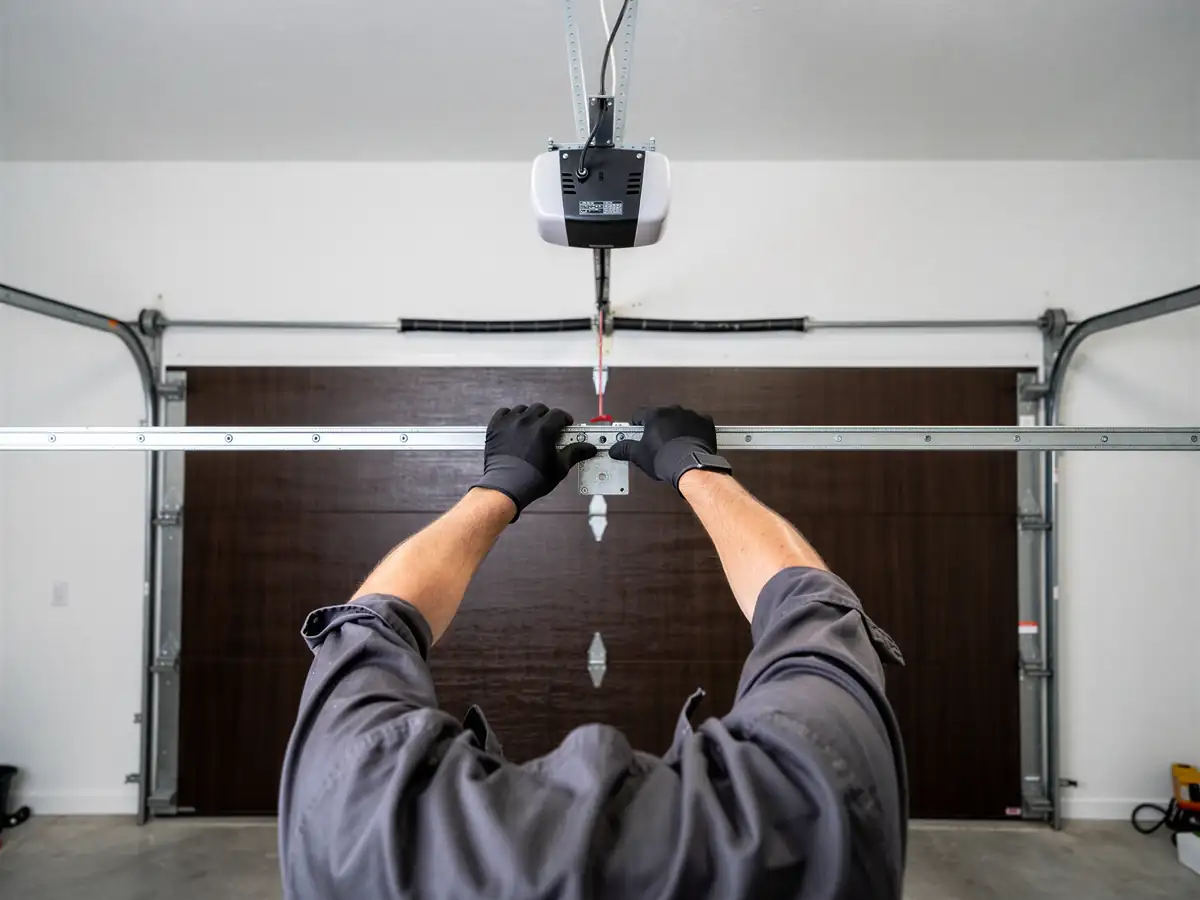
Most opener repairs are a single visit: diagnose the fault, replace the failed part - gear kit, capacitor, logic board, or sensor - and test the door through a full cycle in both directions. If the motor itself has failed on a unit from the original 1980s build era, replacement is often the more honest call than repair, since parts for motors that old can be hard to source and a new unit comes with a working warranty on the whole system.
We work across the service area, including Chubbuck, Arbon Valley, Fort Hall, and Aberdeen, and the diagnosis is the same no matter which of those neighborhoods the house sits in - it's the age of the opener and the cold that drive the failure, not the street it's on.