The Symptom
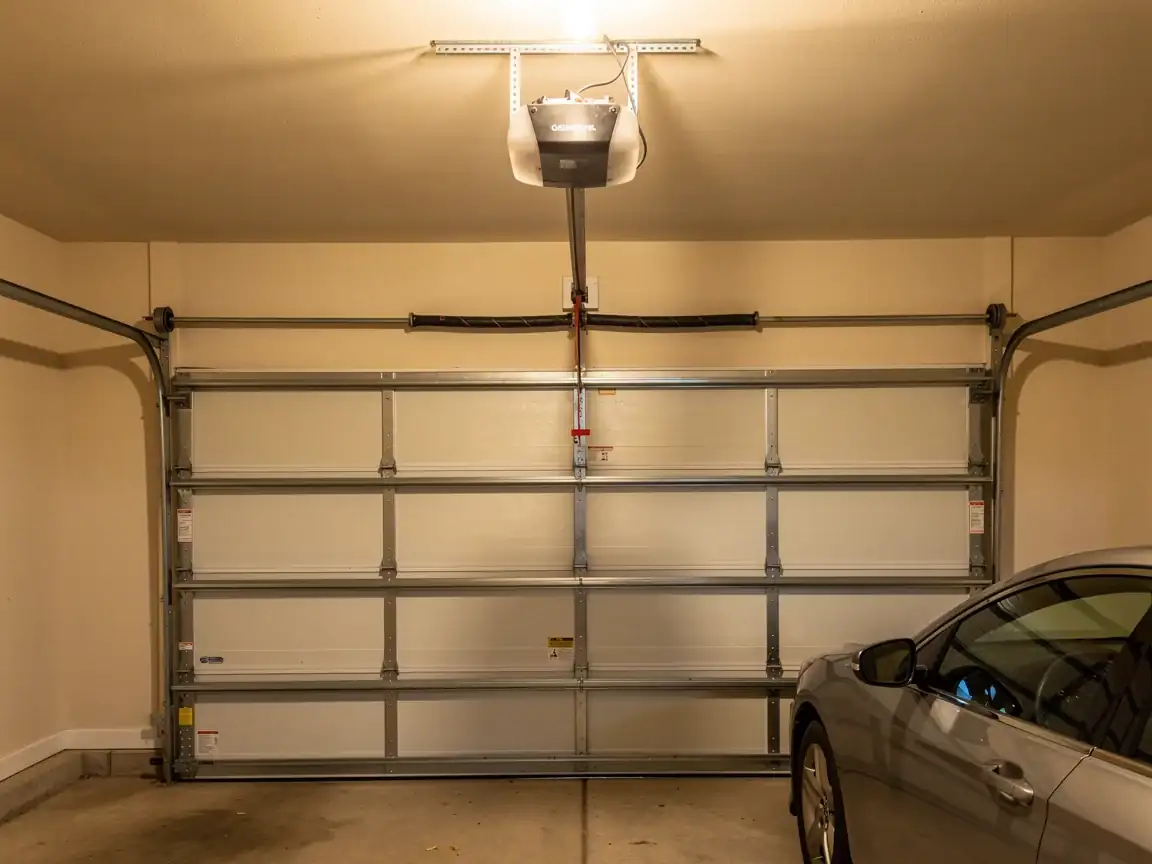
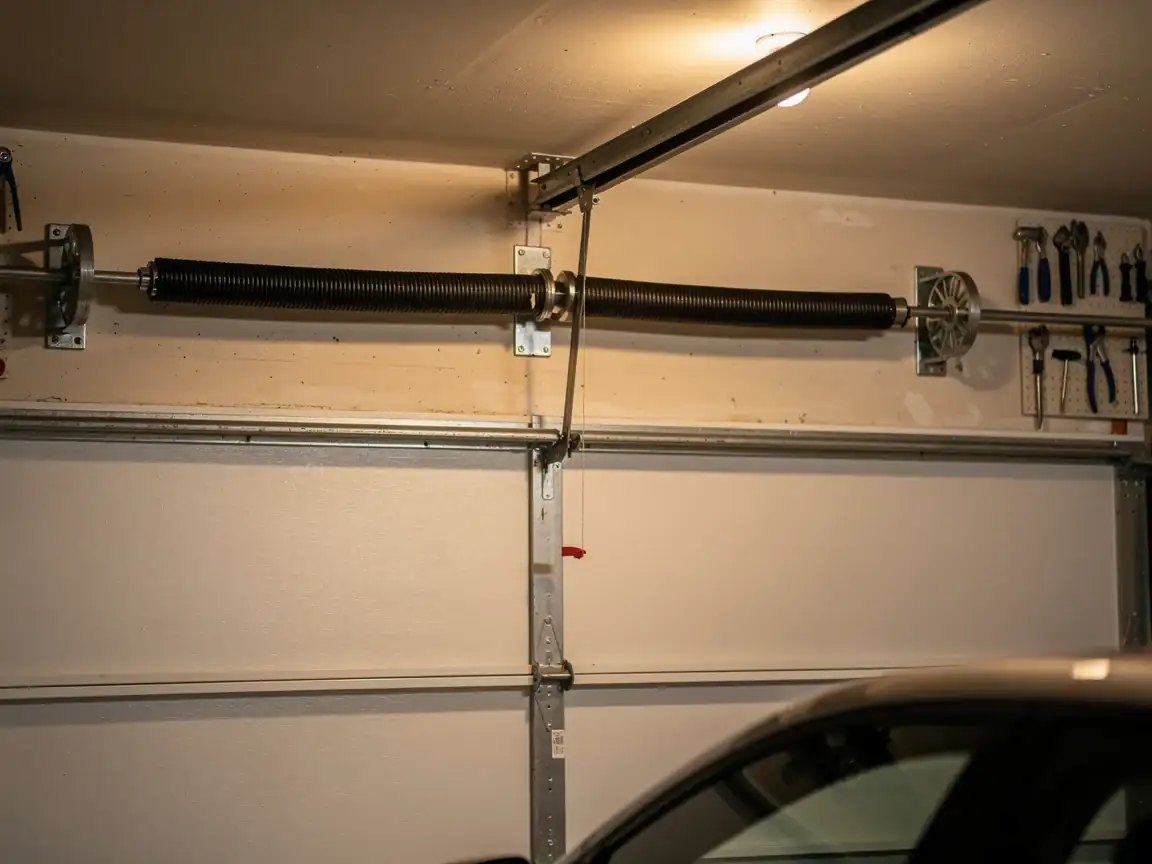
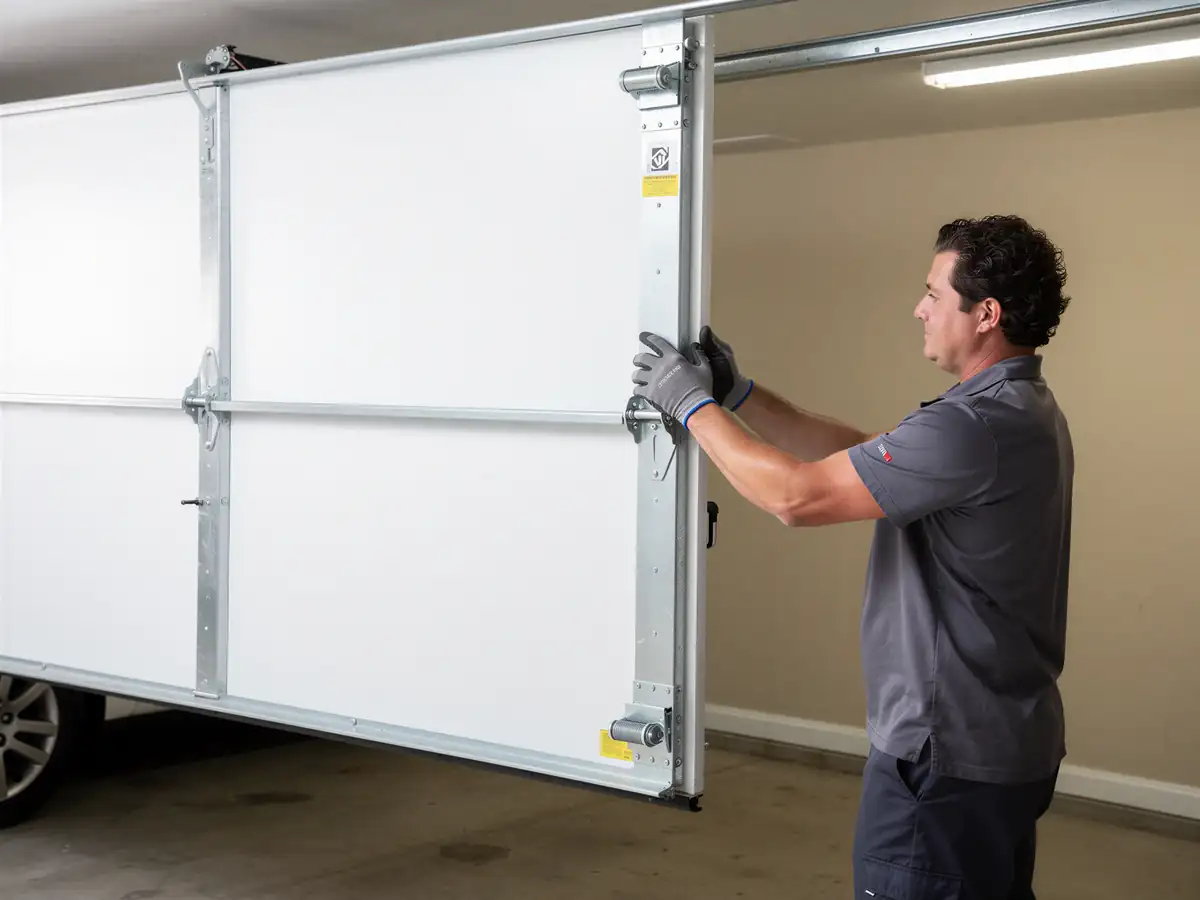
The door won't budge past a foot off the ground, or it slams down the last few inches instead of settling. Sometimes it's a loud bang from the garage first thing in the morning - that's a torsion spring letting go, and it almost always happens on the coldest mornings of the stretch, not in July. Other times the opener strains and hums but the door doesn't move at all, which usually means the spring already broke days earlier and the opener's been doing a job it was never built to do. A door that looks fine but feels heavy when you lift it by hand, with the opener disconnected, is telling you the same thing before it fails outright. None of these are opener problems even though the opener is what you notice first. The opener is a motor sized to assist a balanced door, not lift dead weight, and once a spring goes, everything downstream - cables, rollers, the opener's drive gear - starts taking stress it wasn't designed for. Catching it at the "heavy to lift by hand" stage is cheaper than catching it at the "bang" stage.
The DIY Question
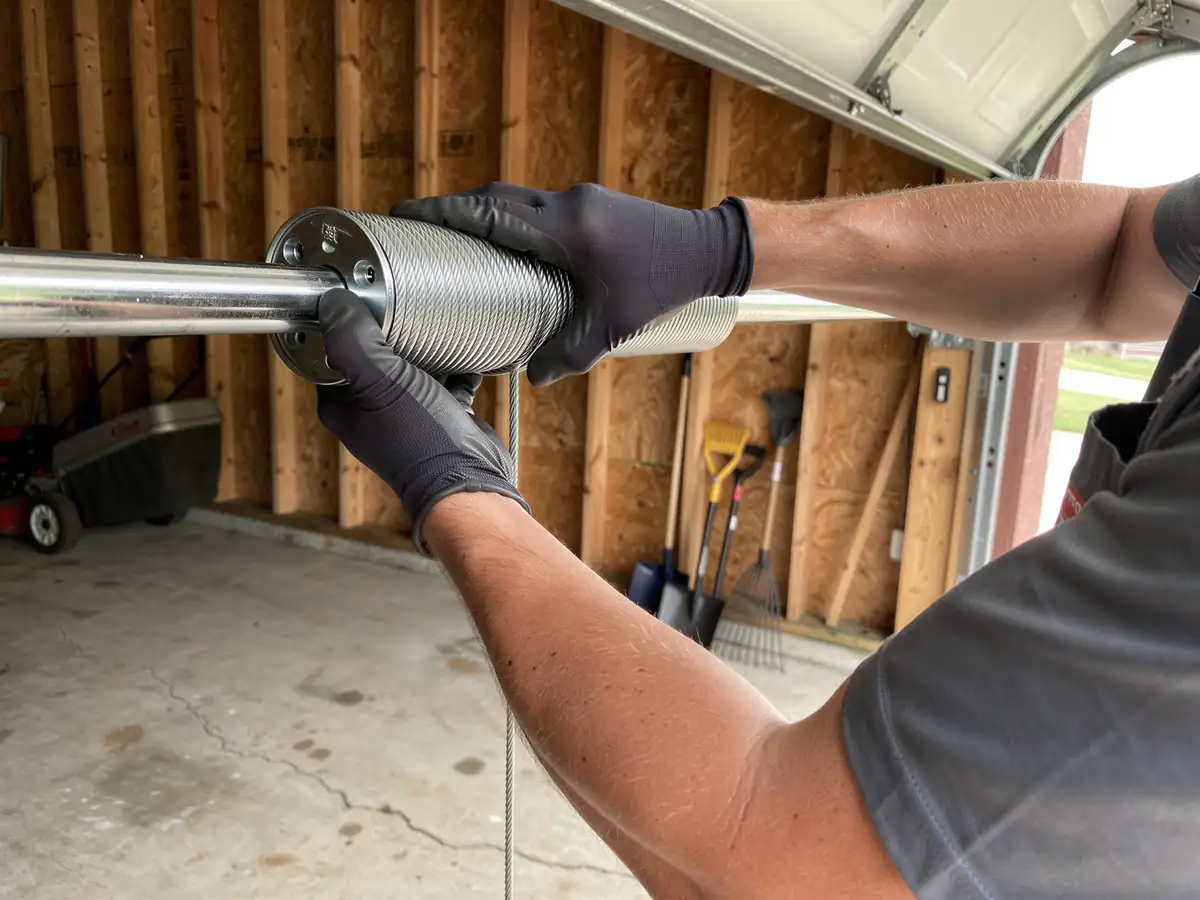
Lubricating rollers and hinges, tightening loose bolts on the track brackets, checking the weatherstrip at the bottom - those are fine to do yourself and worth doing twice a year. Replacing a torsion spring is not. A standard residential torsion spring on a double door is wound under enough tension to break a wrist or worse if the winding bars slip, and the tools for it aren't something most homeowners have sitting in the garage. We'll say plainly: we don't talk customers through doing this over the phone, and we don't think a YouTube video is a substitute for doing it with the right bar set and a second set of hands. If your door has a broken spring, the safe move is to leave the door closed, unplug the opener so it doesn't try to force it, and call it in. One honest limitation on our end - if the spring size we need isn't one we carry on the truck that day, it can mean a short wait on parts rather than a same-visit fix.
What the Repair Takes
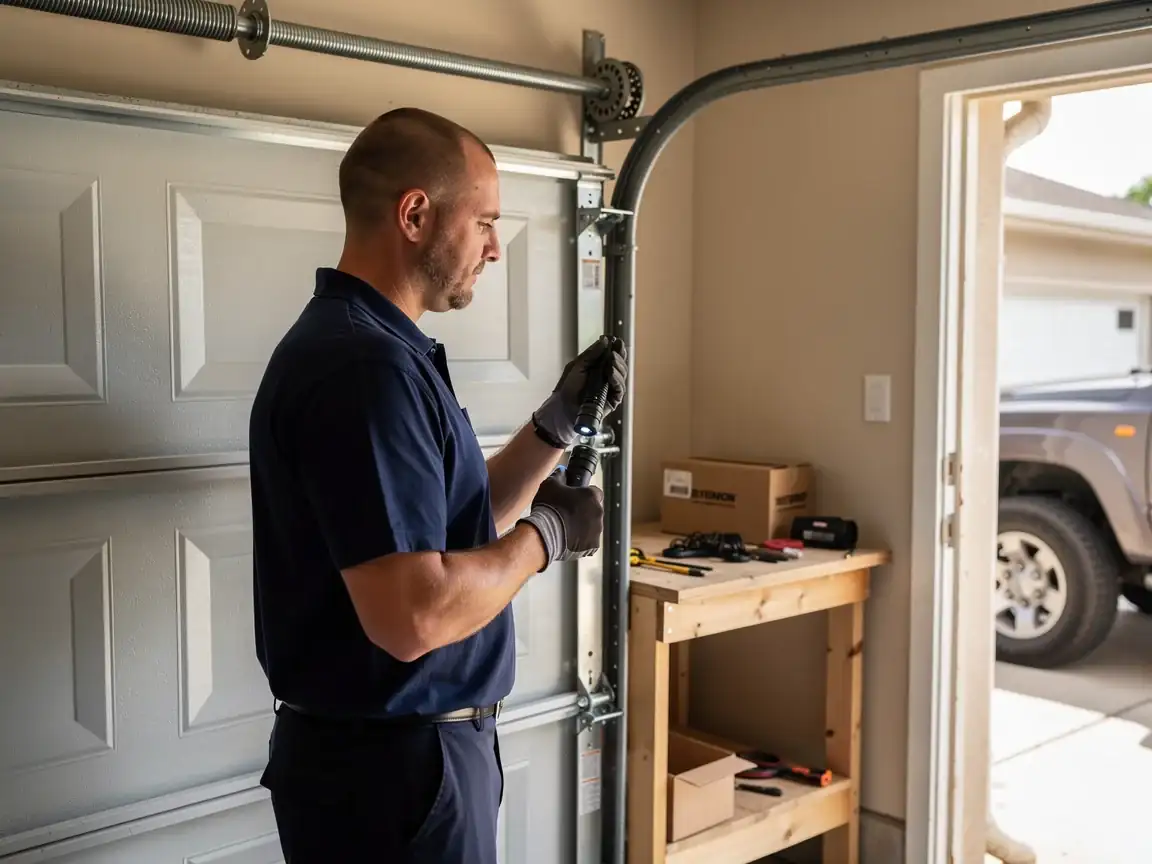
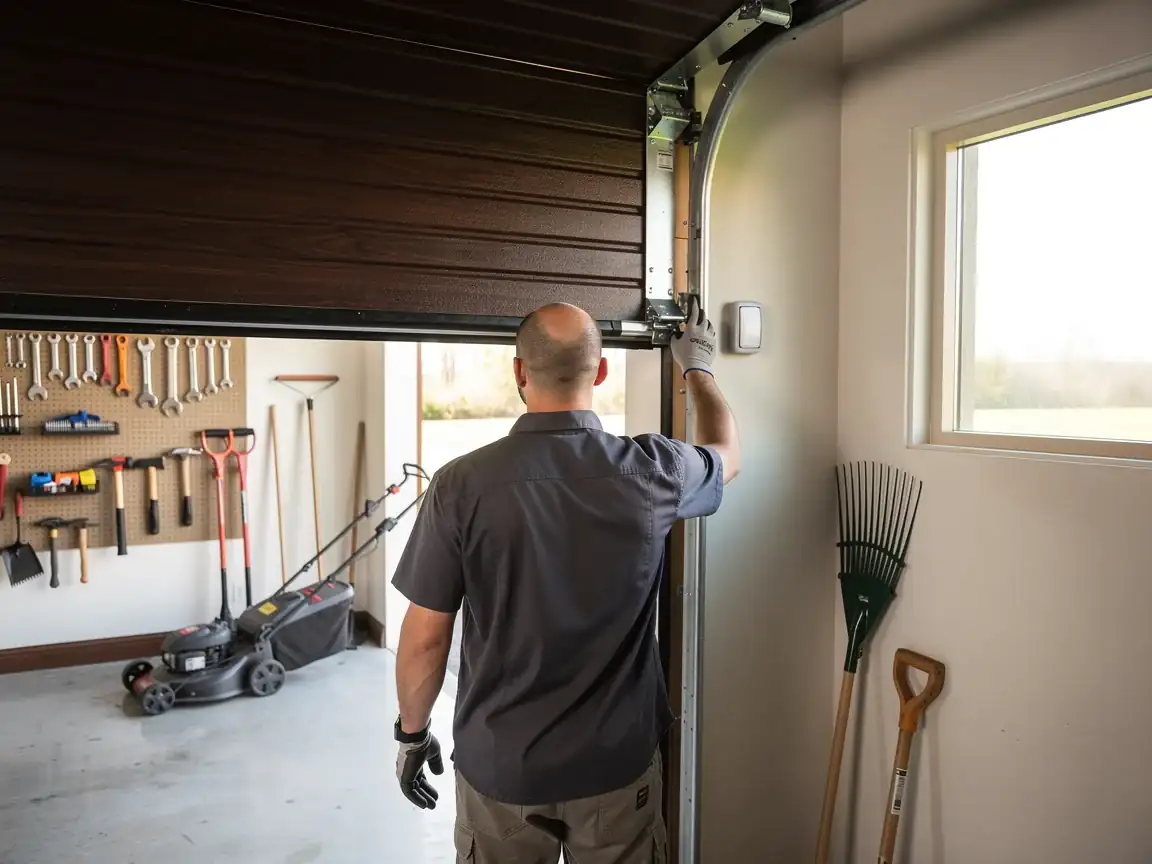
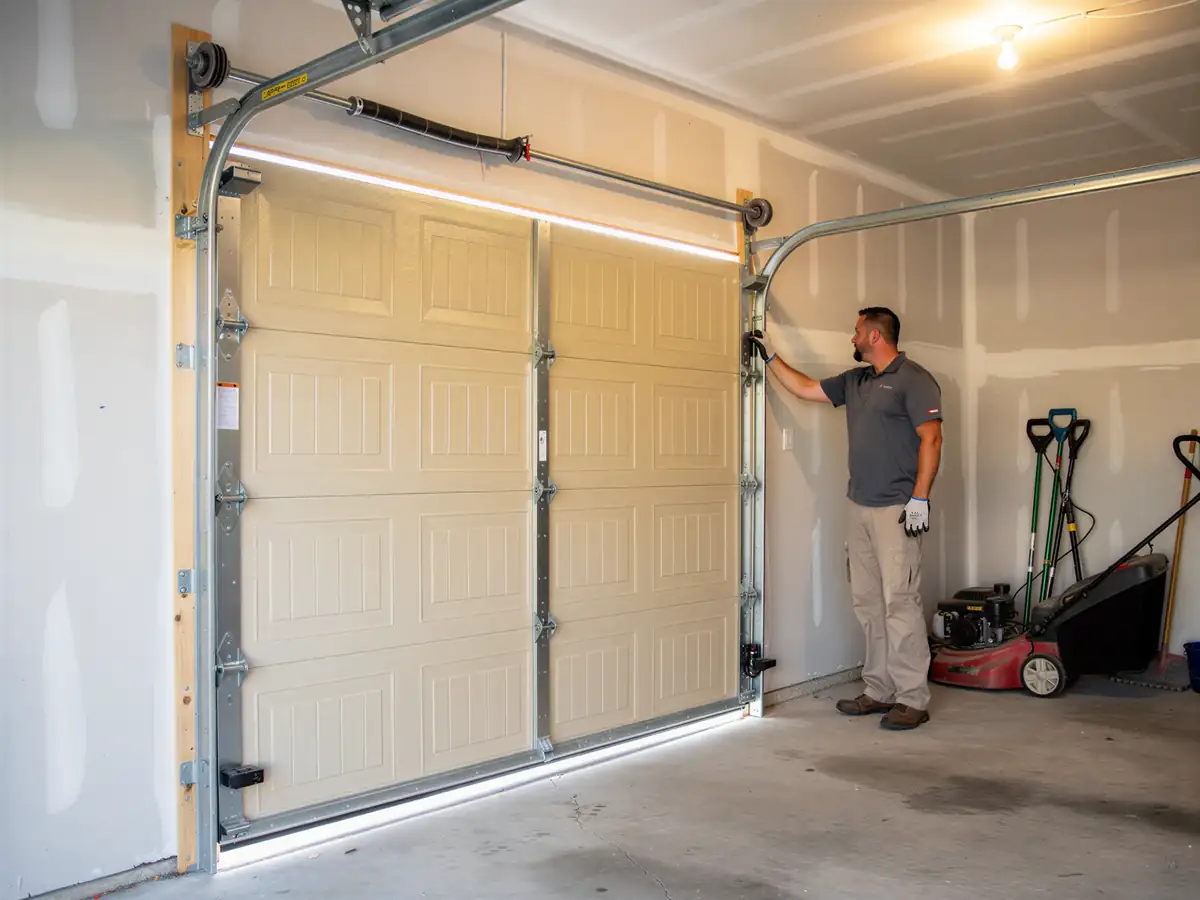
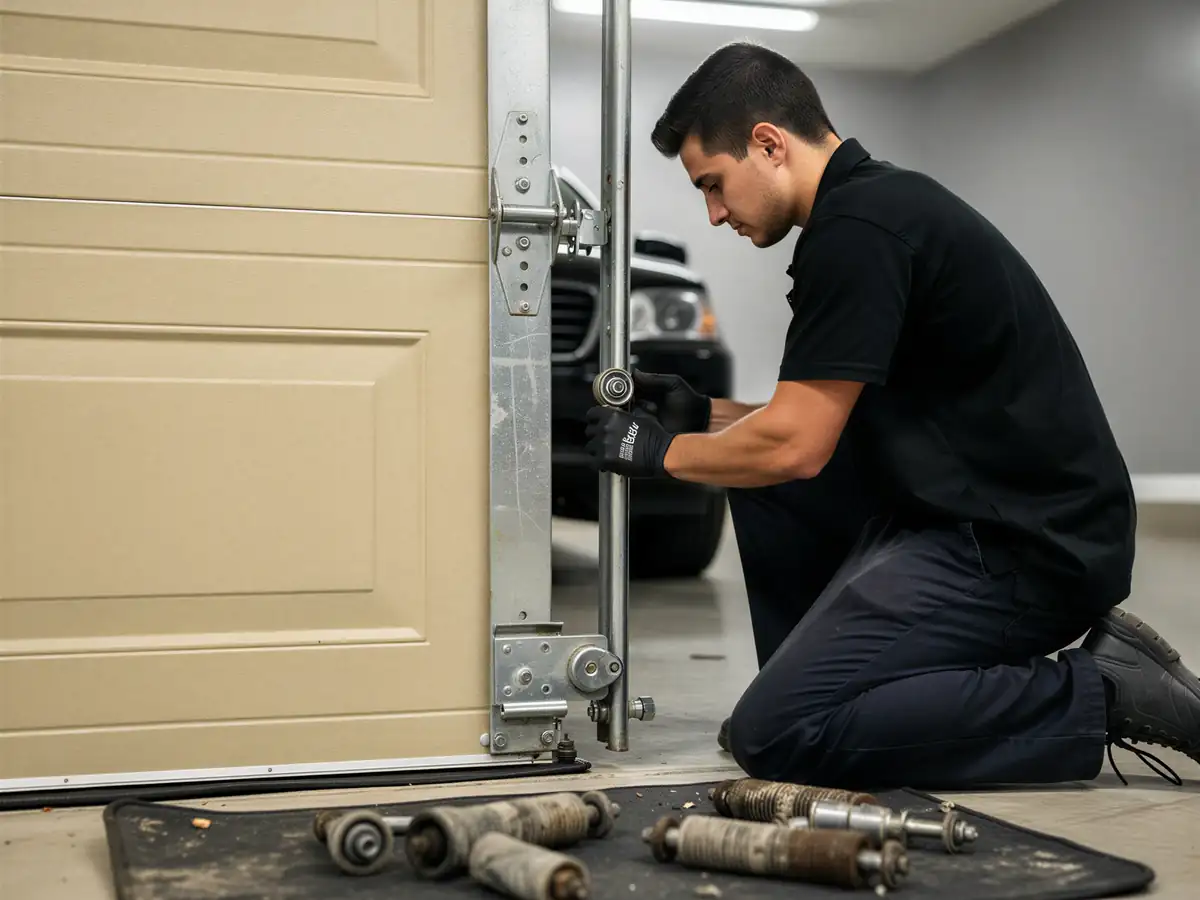
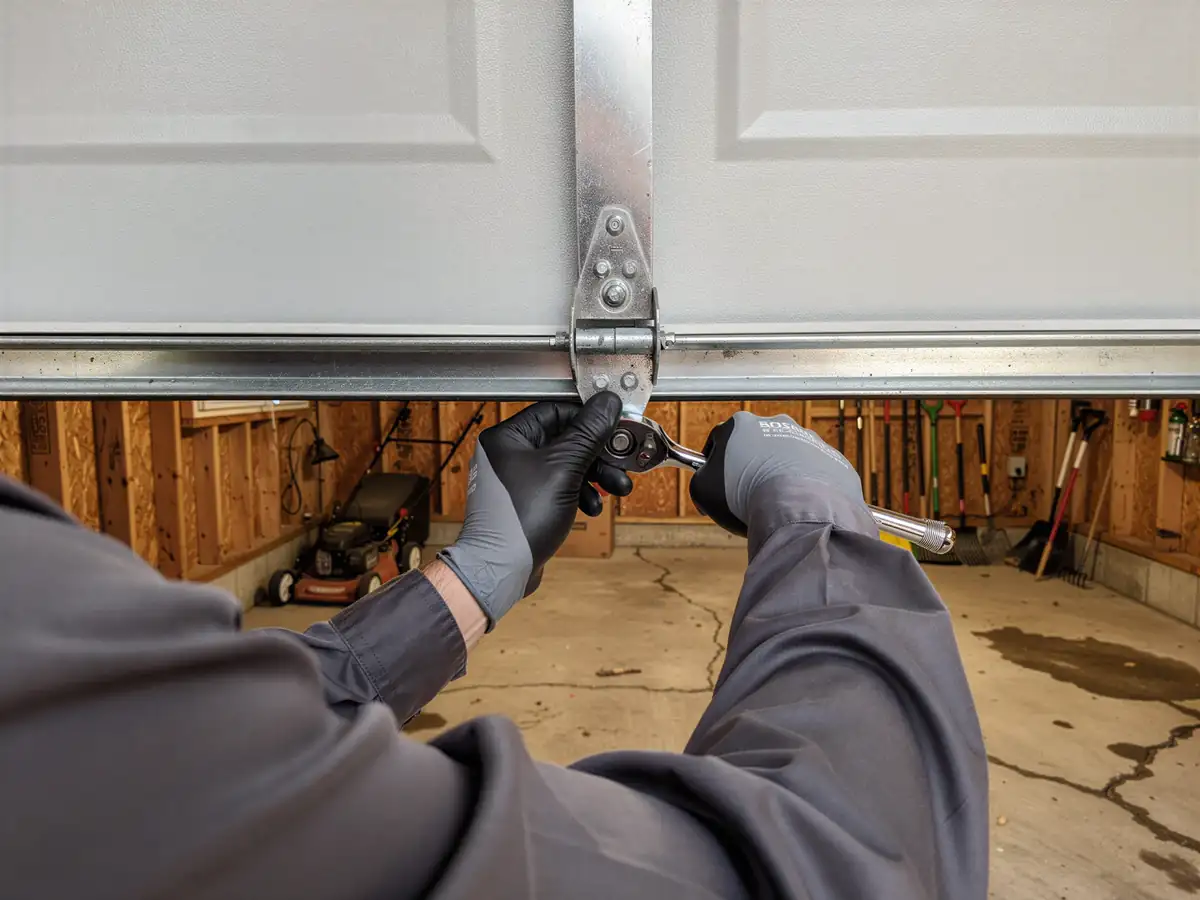
We start by checking the spring's wire size, inside diameter, and length against what the door and track actually need - not just swapping in whatever's closest, since a mismatched spring either over-lifts or under-lifts the door and wears out the opener or the cables. Springs are replaced in pairs on most doors even if only one has broken, because the other one is the same age and close behind it. After the new springs are wound to the right turns for the door's weight, we balance the door by hand - disconnect the opener, lift it partway, and it should hold there on its own. If it drifts up or drops down, the spring tension isn't right yet. Then we reconnect the opener, run it through a full cycle, and check the safety reverse. Across the Pocatello service area - out to Chubbuck four miles off, Fort Hall at ten miles, Aberdeen out at twenty - the spring on your door is likely the same age bracket as the one we replaced on a near-identical house last week, since so much of the stock here was built in that same twenty-year window. A straightforward spring swap is usually a single visit; it's the parts lead time on an unusual size that can push it out.