What Local Conditions Do
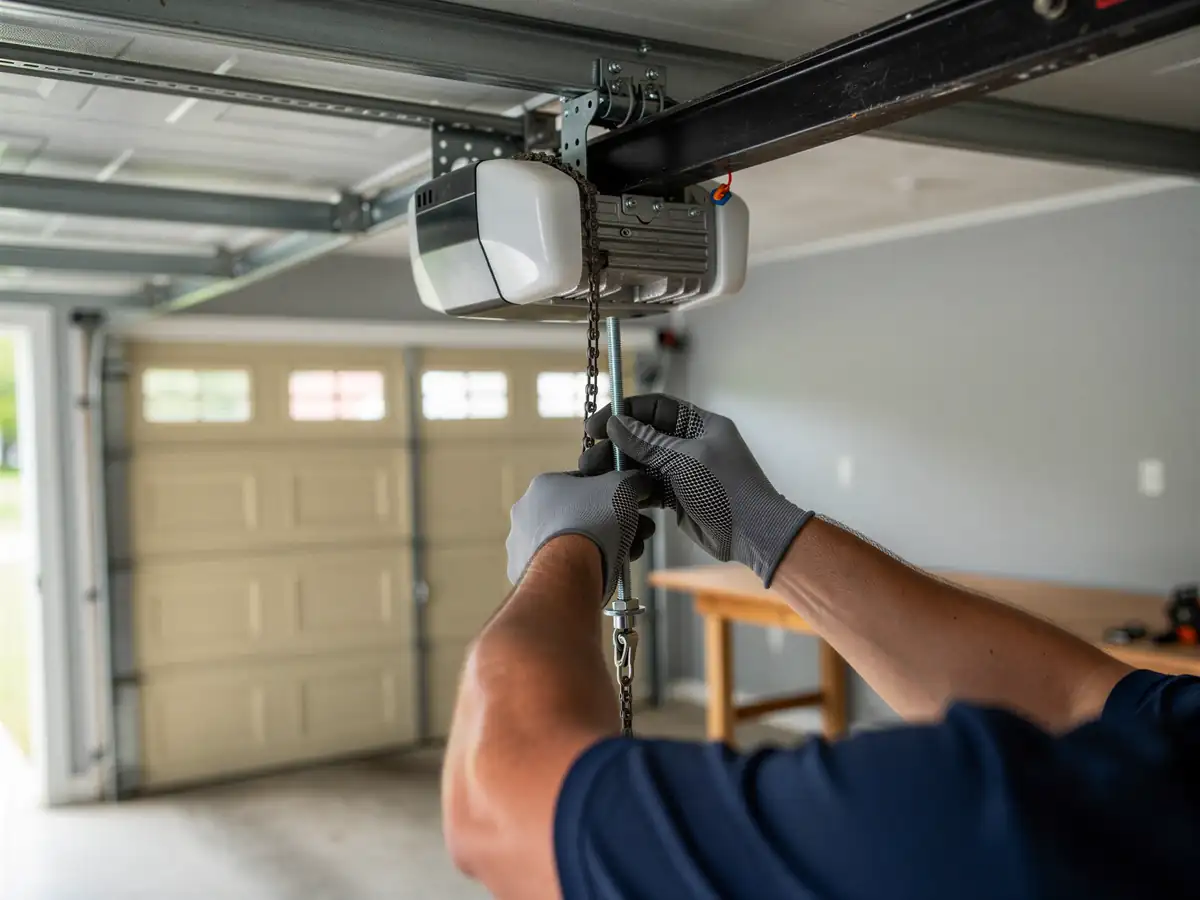
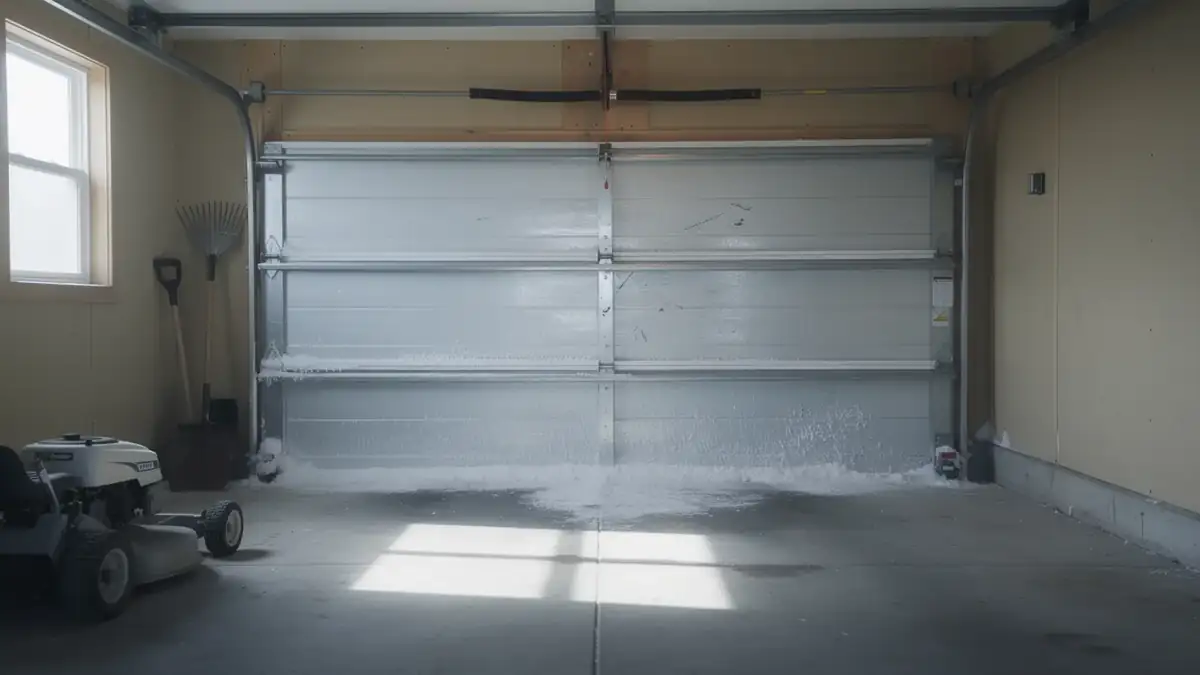
In a cold severe climate band, steel contracts, grease stiffens, and torsion springs lose a measurable amount of lift on the coldest mornings - not broken, just tighter than the opener's logic board expects. Housing here went up mostly between 1964 and 1995, median around 1980, which puts a lot of doors on houses built before insulation rules took their current shape. That matters because the panel itself, not just the hardware, is doing less work against the cold than a door installed in the last ten years. Original doors from that era are often single-layer steel or thin sandwich panels, and the foam core, where there is one, has usually degraded by now. The opener fights harder, the spring sags faster, and the symptoms show up as a door that labors on the up-stroke only when the temperature drops. This isn't a problem you fix with better remote batteries. It's the door and the climate working against each other, and it shows up every winter on a predictable schedule rather than randomly, which is worth knowing before you assume something's suddenly broken.
What to Look At First
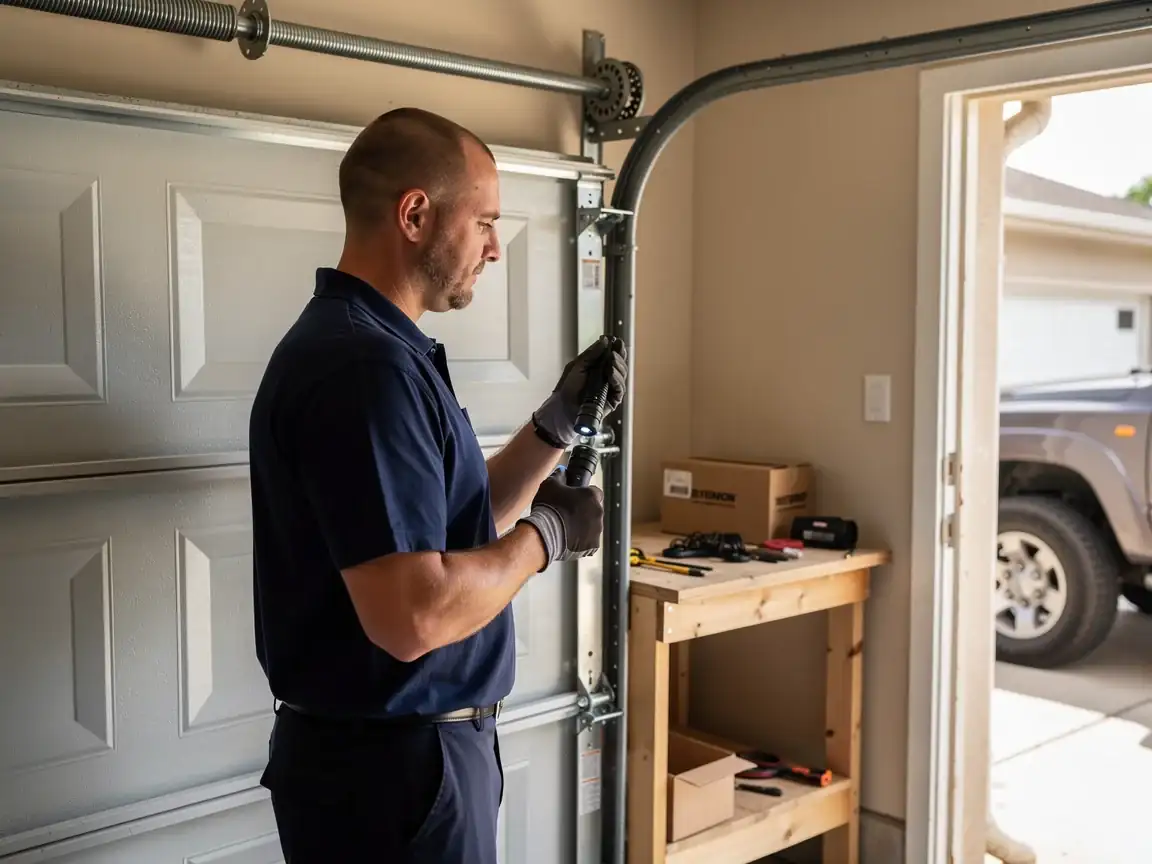
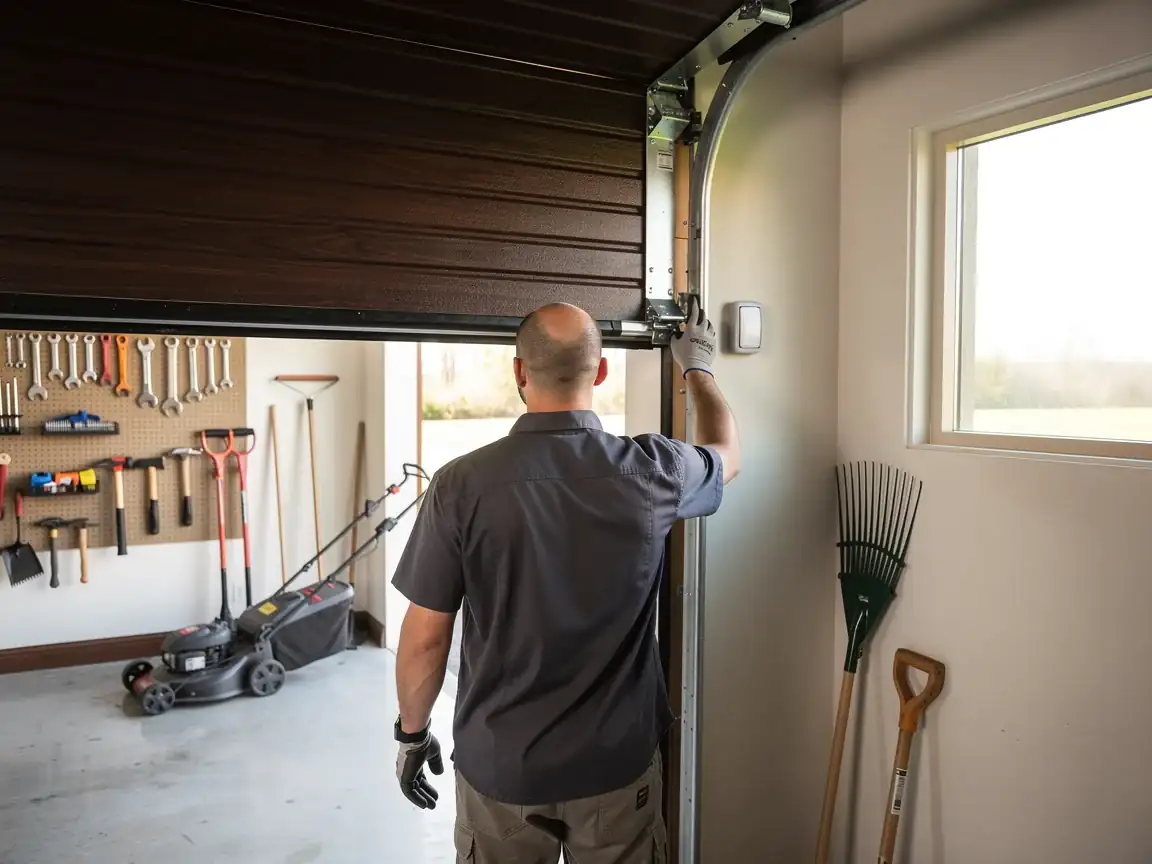
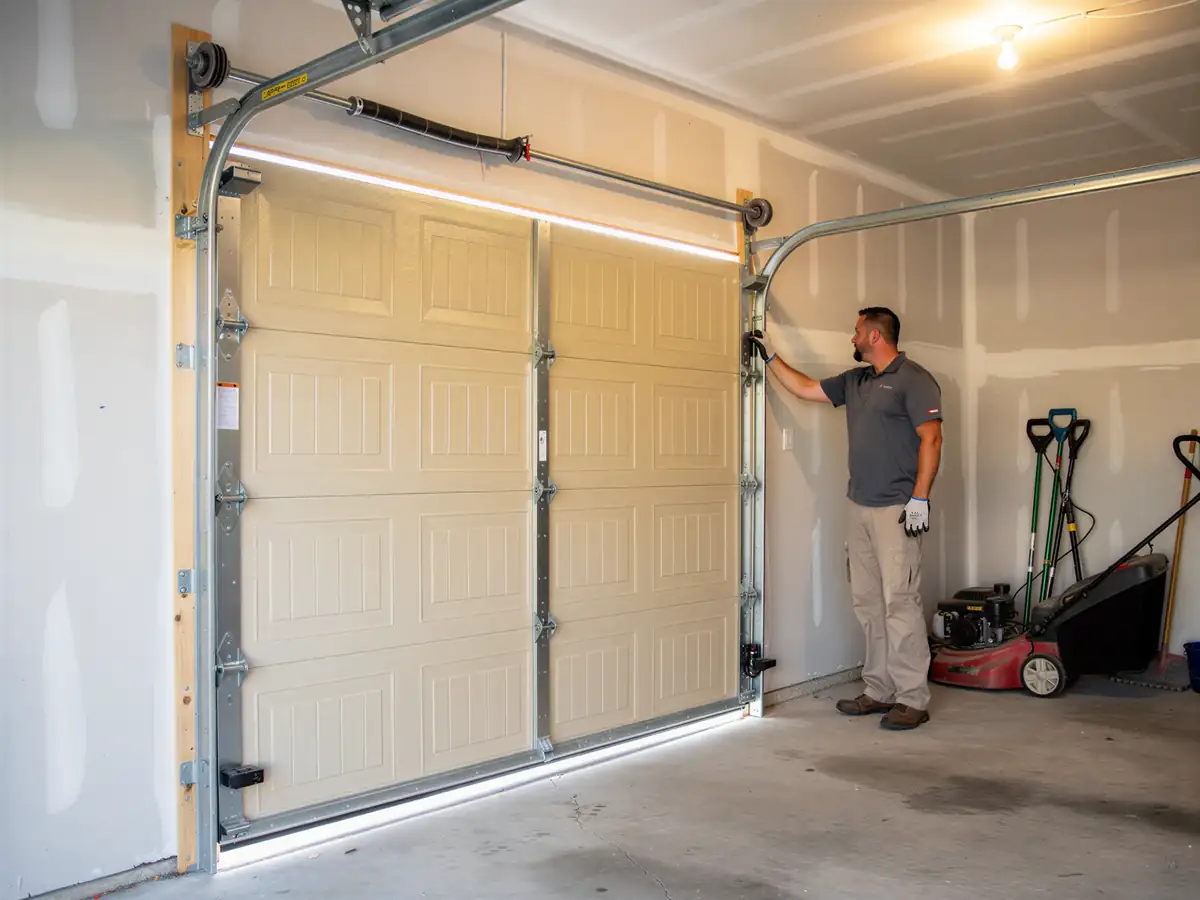
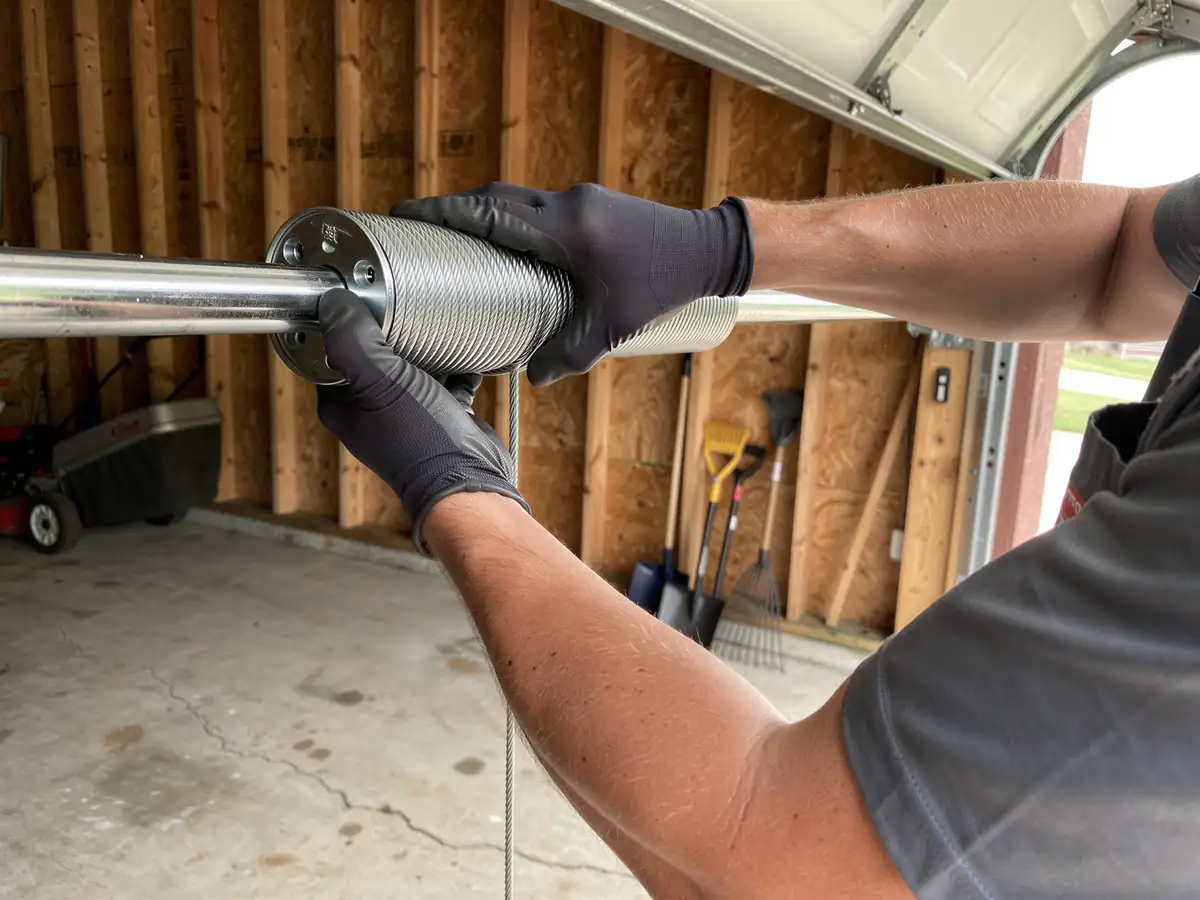
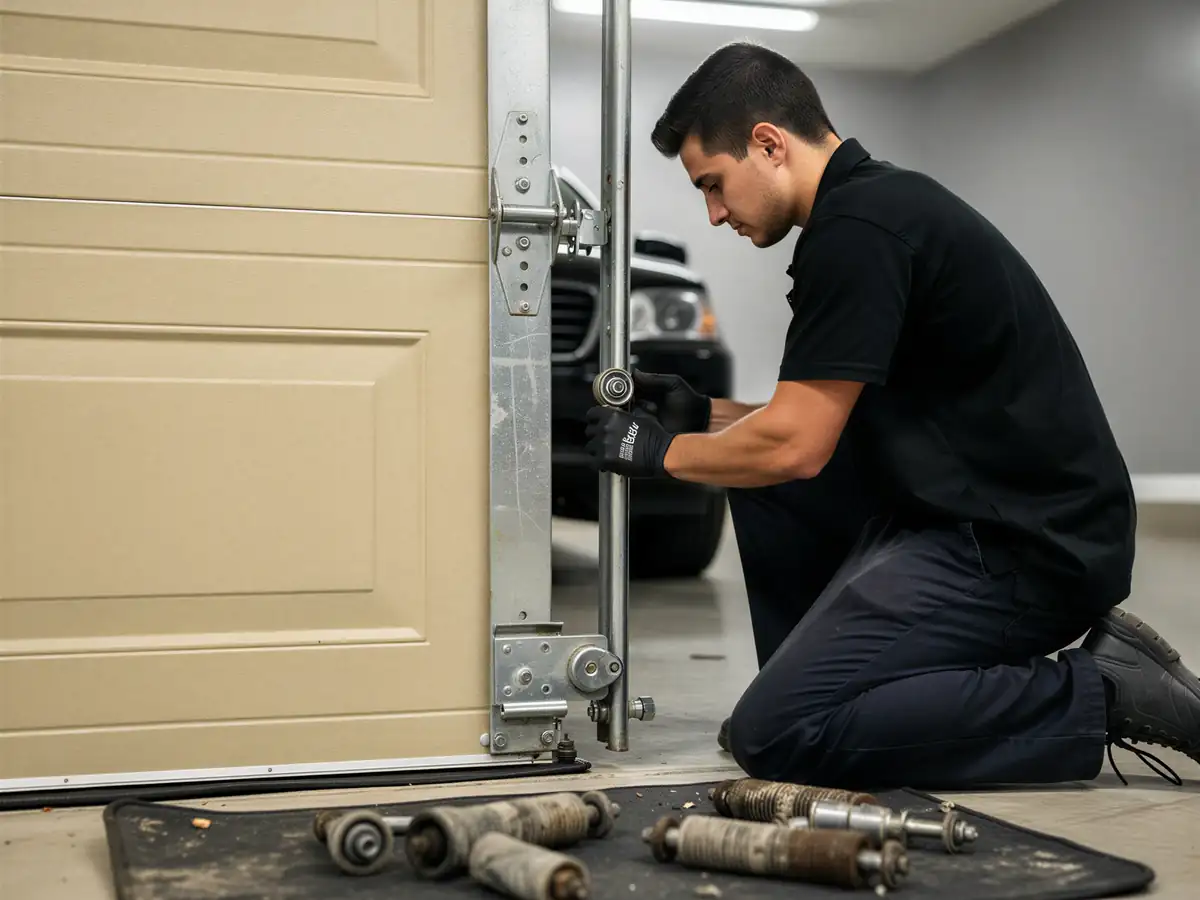
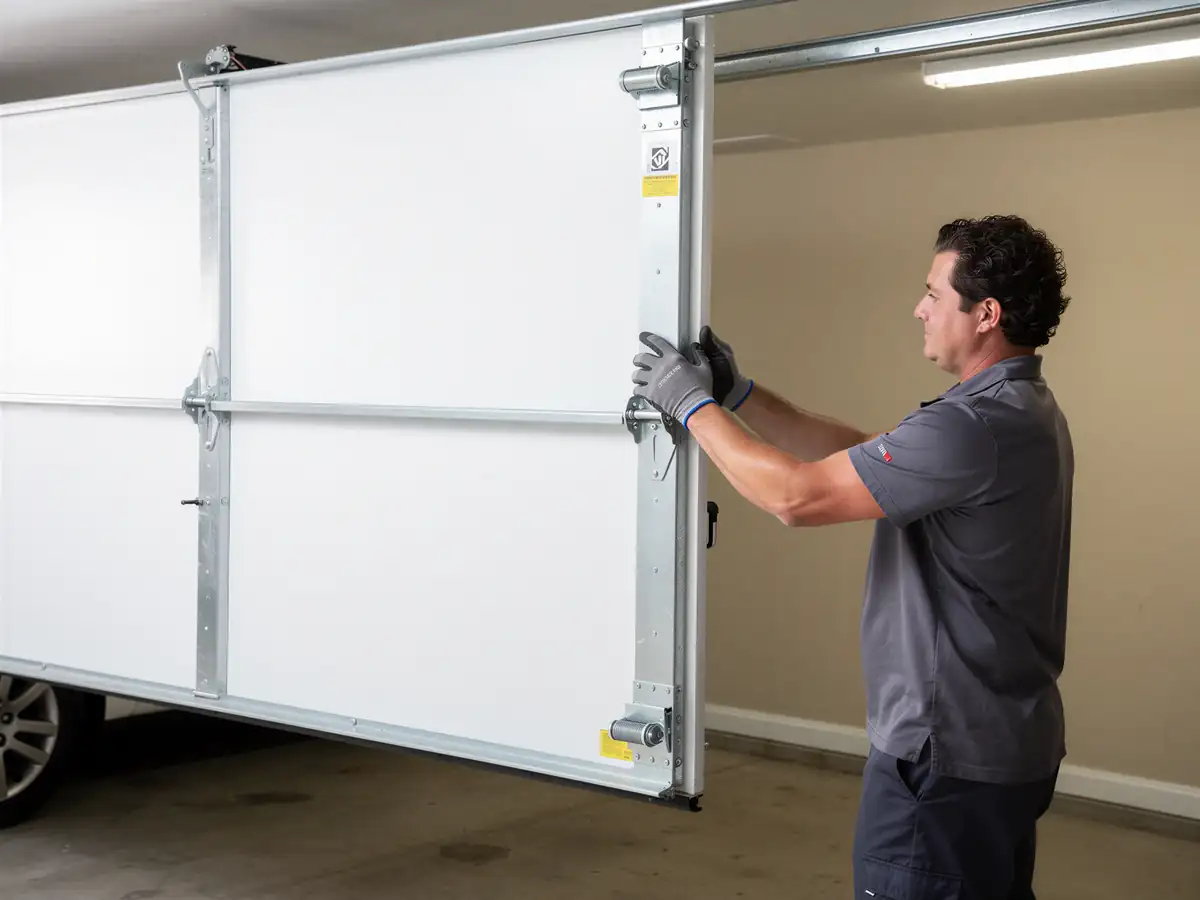
Start with the weatherstrip along the bottom panel - on a door this age it's likely original vinyl, and cold makes it crack rather than compress, so you lose the seal that keeps wind off the slab. Next, look at the spring itself: on torsion setups from the 1970s and 80s, the winding cone can be undersized for a taller door if a panel was swapped at some point without matching the spring. Check the track bolts for play - decades of thermal cycling loosens lag screws in jamb studs that have shrunk and swelled through enough winters to work the holes oval. Rollers matter too; steel rollers from original builds squeal and bind in cold grease where nylon ones wouldn't, and plenty of owners never upgraded. Last, check the bottom corners of the panel for rust-through, since original steel doors in this climate band corrode from the inside out where condensation sits against the un-primed back face. None of this needs tools beyond a flashlight and a ladder, but it tells you whether you're looking at a lubrication job or a hardware replacement before anyone calls a truck.
When It Stops Being a DIY Job
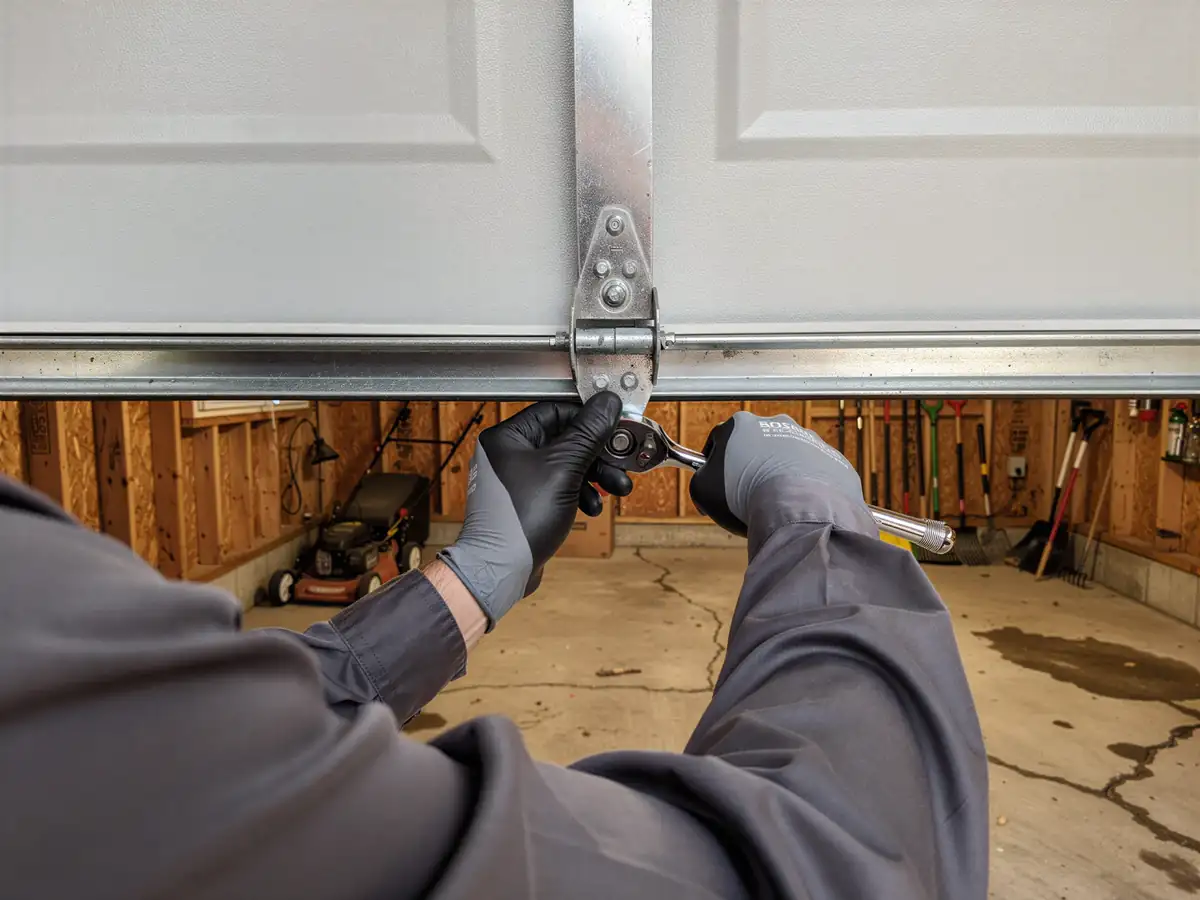
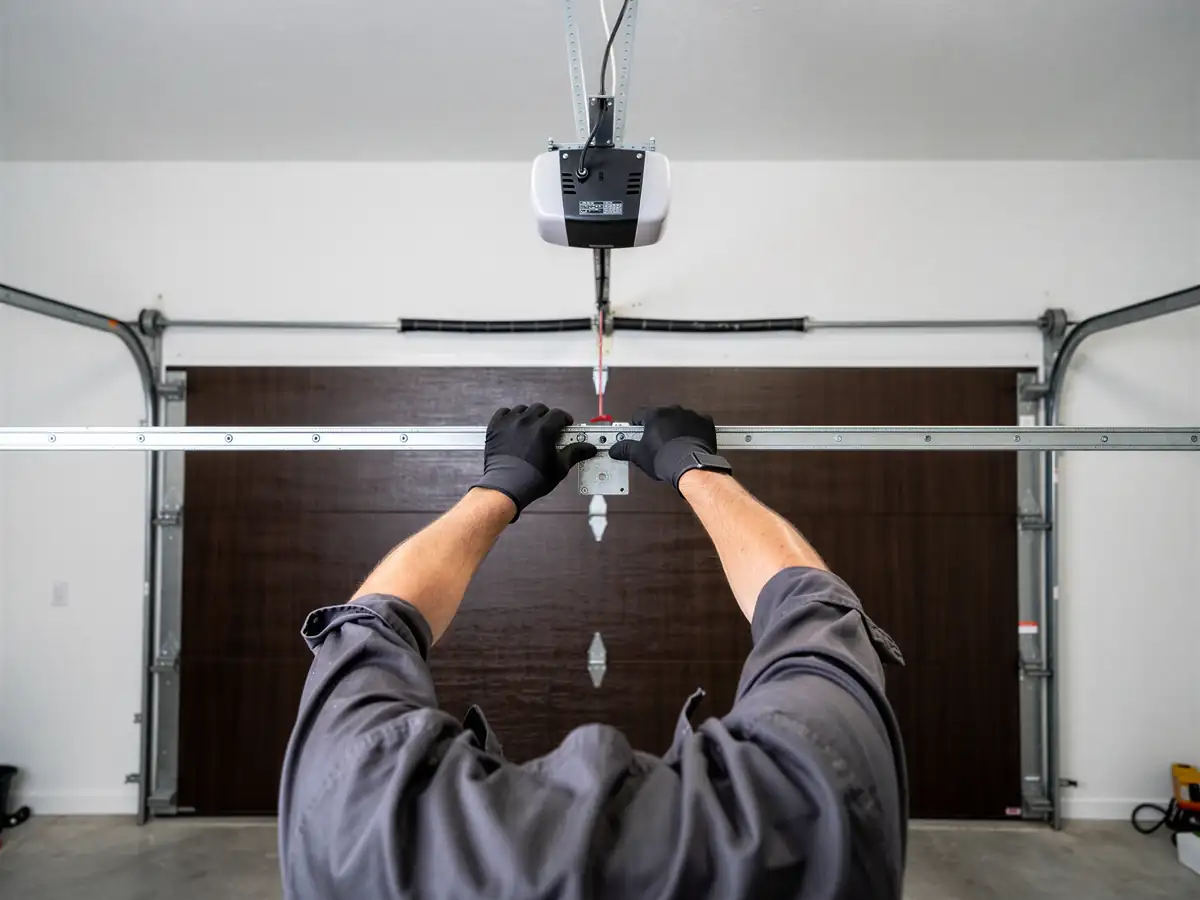
Swapping a roller or tightening a loose bracket is reasonable weekend work. A torsion spring is not - the tension stored in one of these, even on a single-car door from this era, is enough to break a wrist or worse, and the winding bars needed to do it safely aren't something most owners keep in the garage. If your door is original to a house built before insulation rules existed in anything like their current form, and the panel is rusted through at the bottom corners, a repair is throwing money at a door that's already lost the fight against the climate - replacement is the honest answer there, not another patch. We also won't promise a same-day fix if the part isn't common; some hardware from the 1964-1995 build era is no longer stocked anywhere nearby, and a wrong spring size on a door this old causes more problems than it solves. Know the difference between tightening a bolt and resetting spring tension, and call when it's the second one.