What Was Built Here
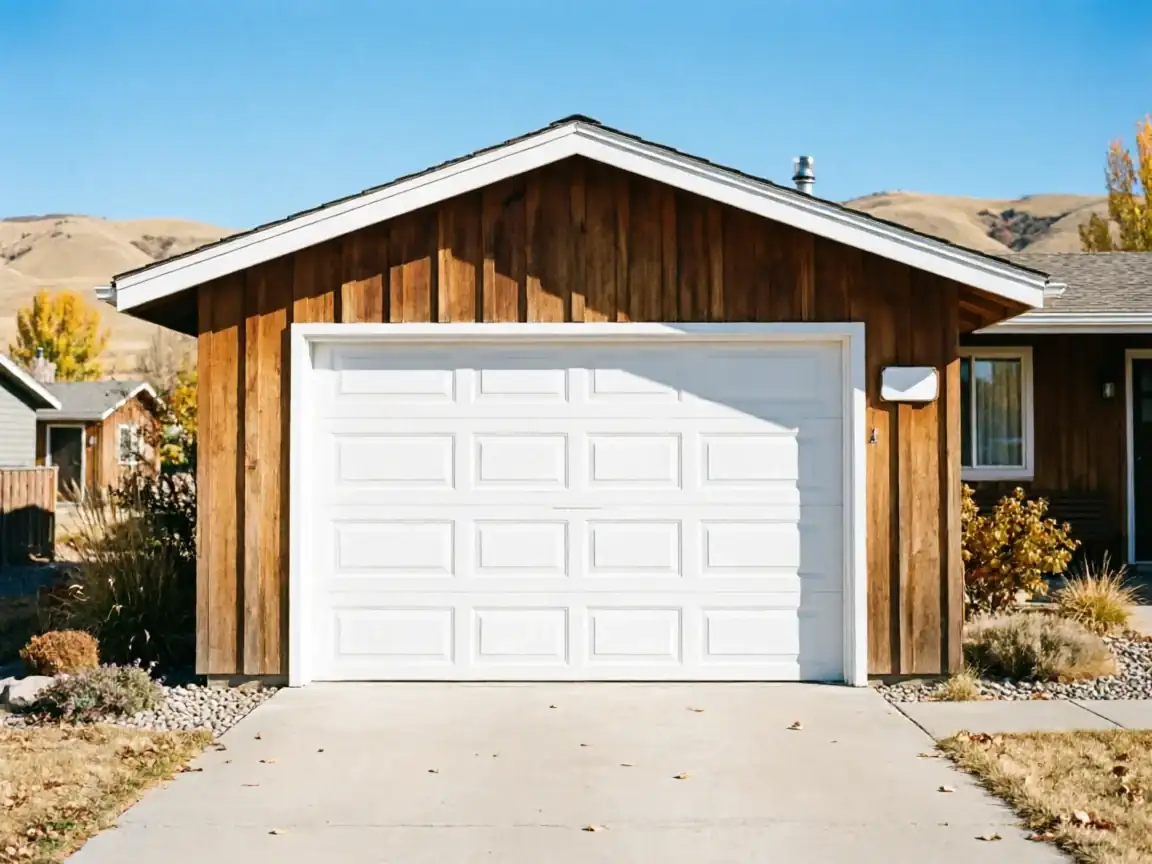
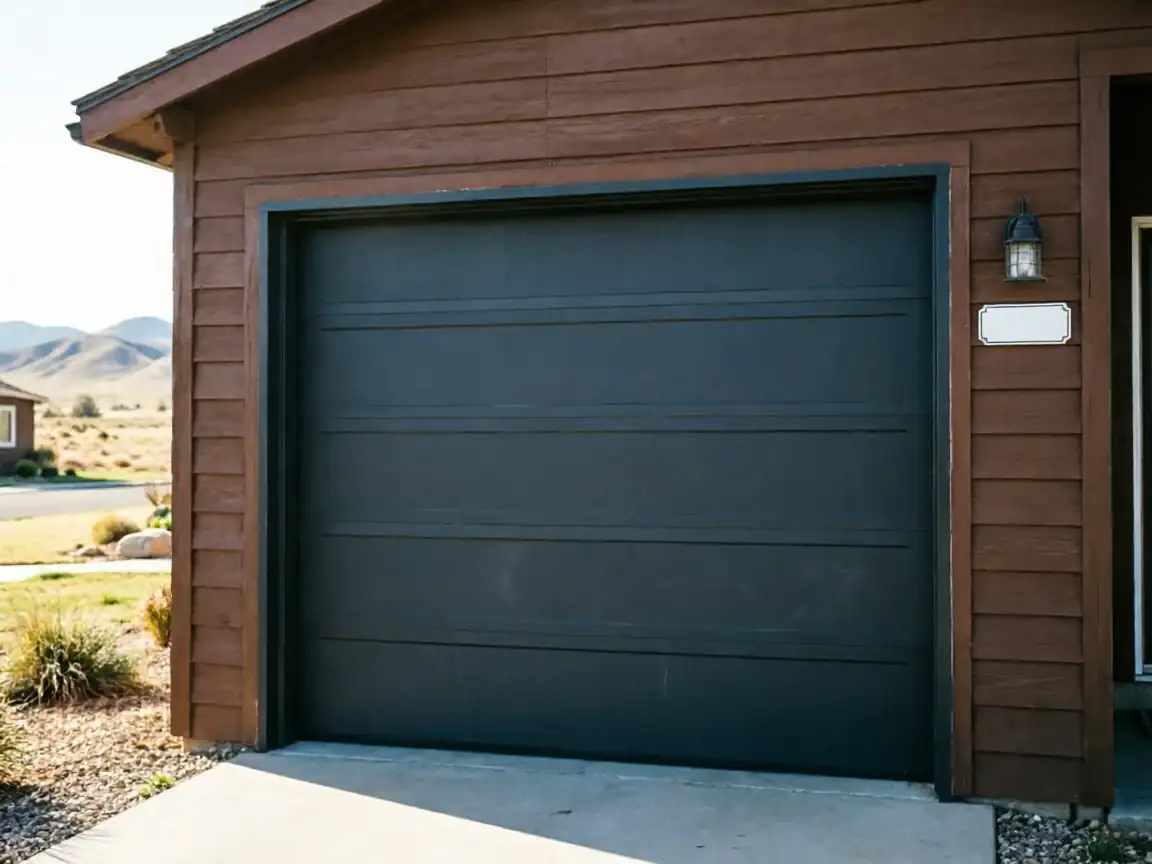
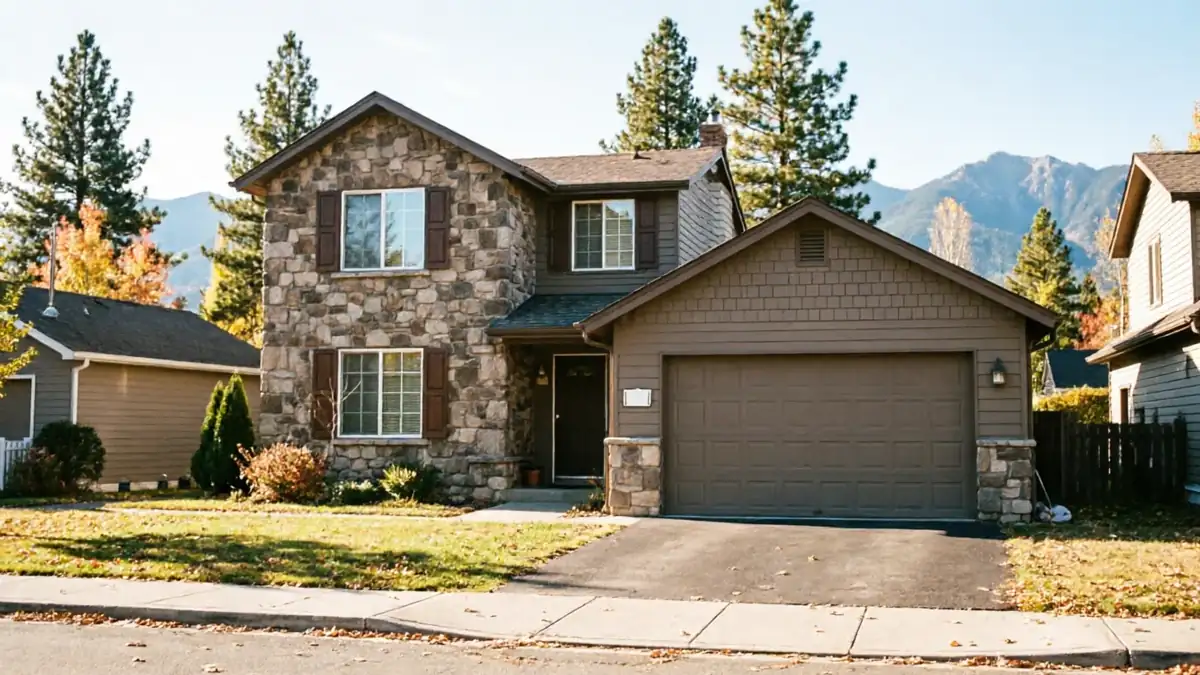
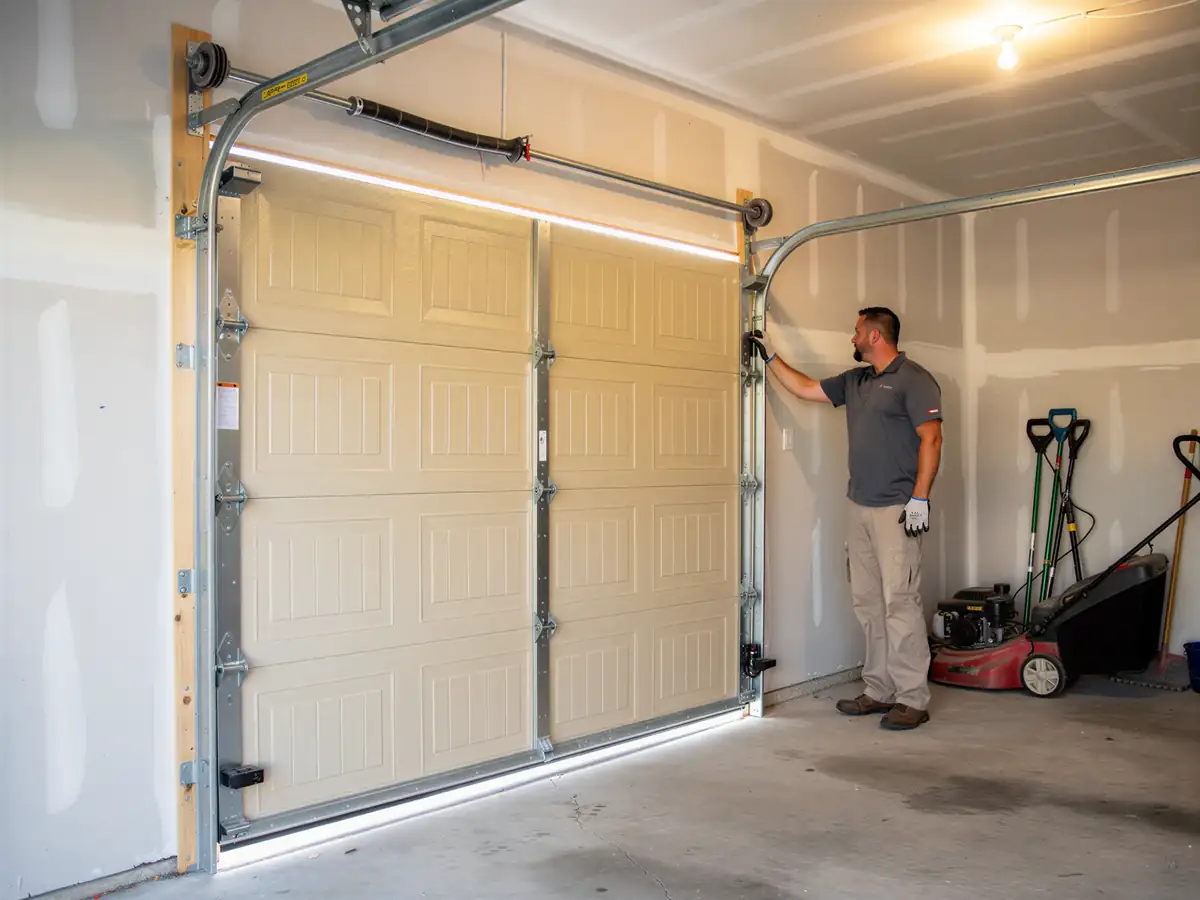
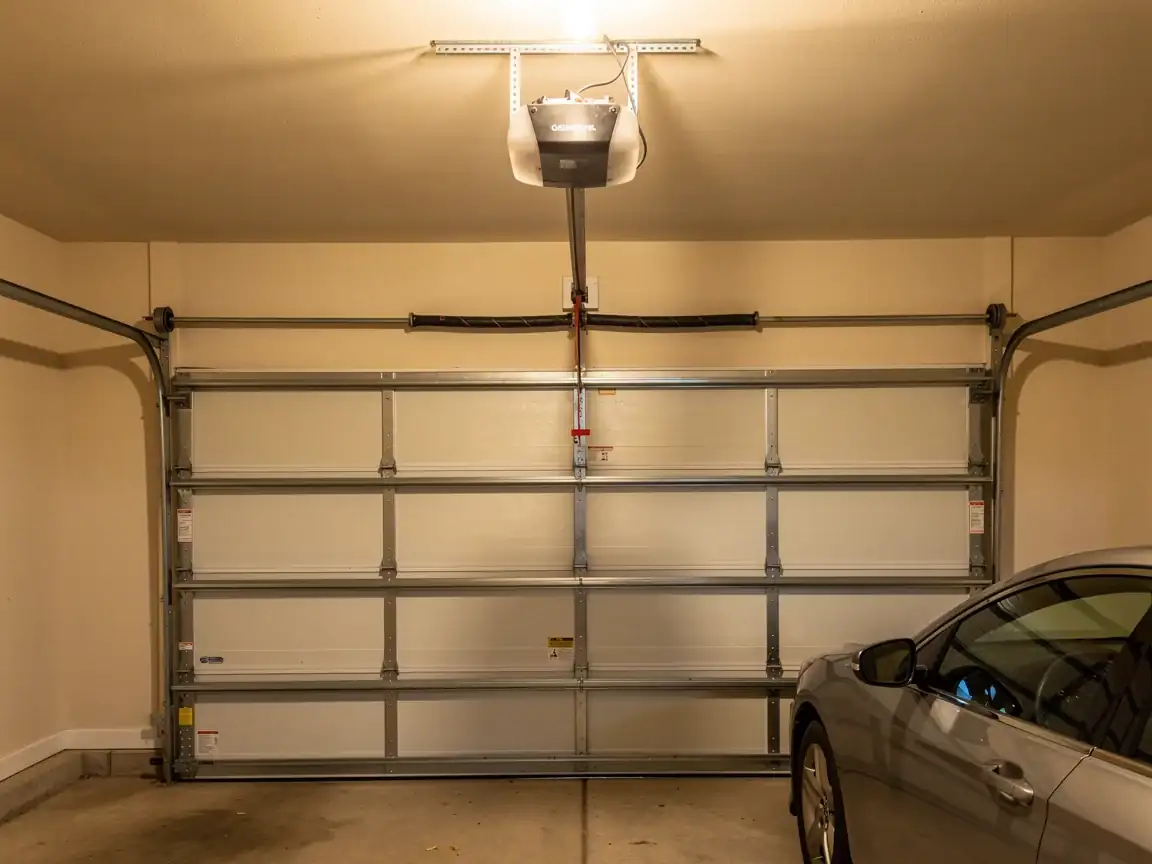
Aberdeen's housing skews older than most of the areas we cover out of Pocatello. The median year built here is 1964, a good sixteen years ahead of the 1980 median across our wider service area. That gap matters. A door installed on a house built in 1964 has gone through at least two, sometimes three, full replacement cycles by now - and whoever did the last one may not have matched the original hardware. With 693 households in Aberdeen, you're not looking at a cookie-cutter subdivision built in one pass by one builder. You're looking at a town where doors got swapped out piecemeal over sixty years, which means the garage next door can have completely different track width, spring type, or opener mounting than yours. We see this a lot in towns this age: a extension spring system from a 1970s retrofit sitting next to a torsion setup from a 2000s remodel, two houses apart. Median household income here runs $67,813, a bit above the wider service area's $66,000, which tends to show up as more owners replacing a door outright rather than patching it - but plenty of original hardware is still out there, working fine until it isn't.
What That Means for Doors
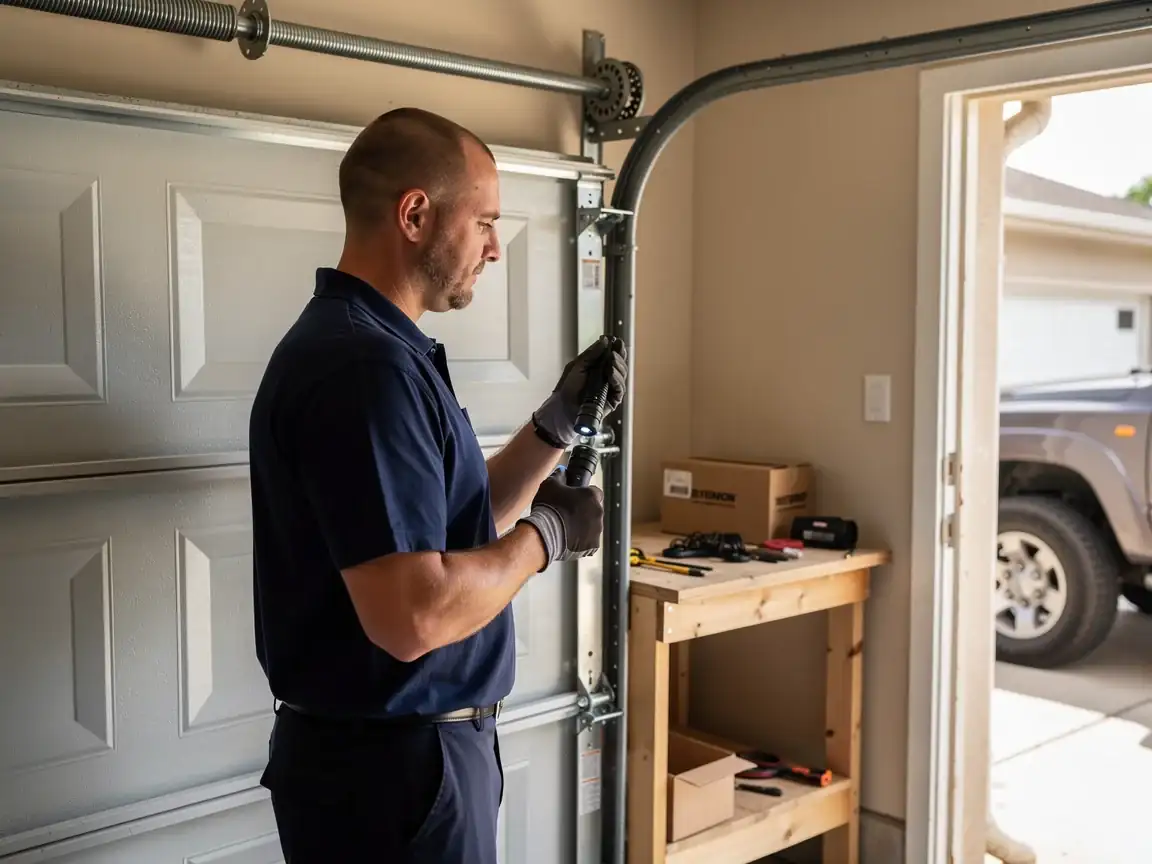
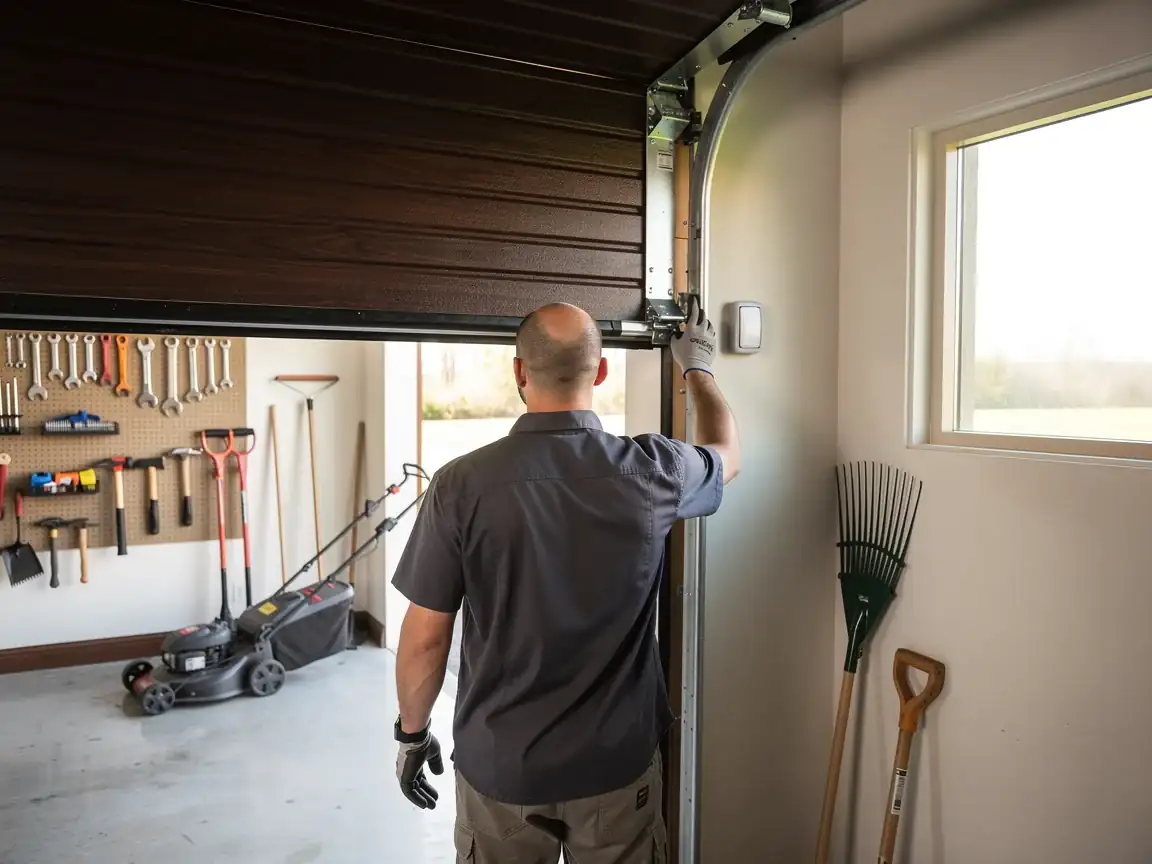
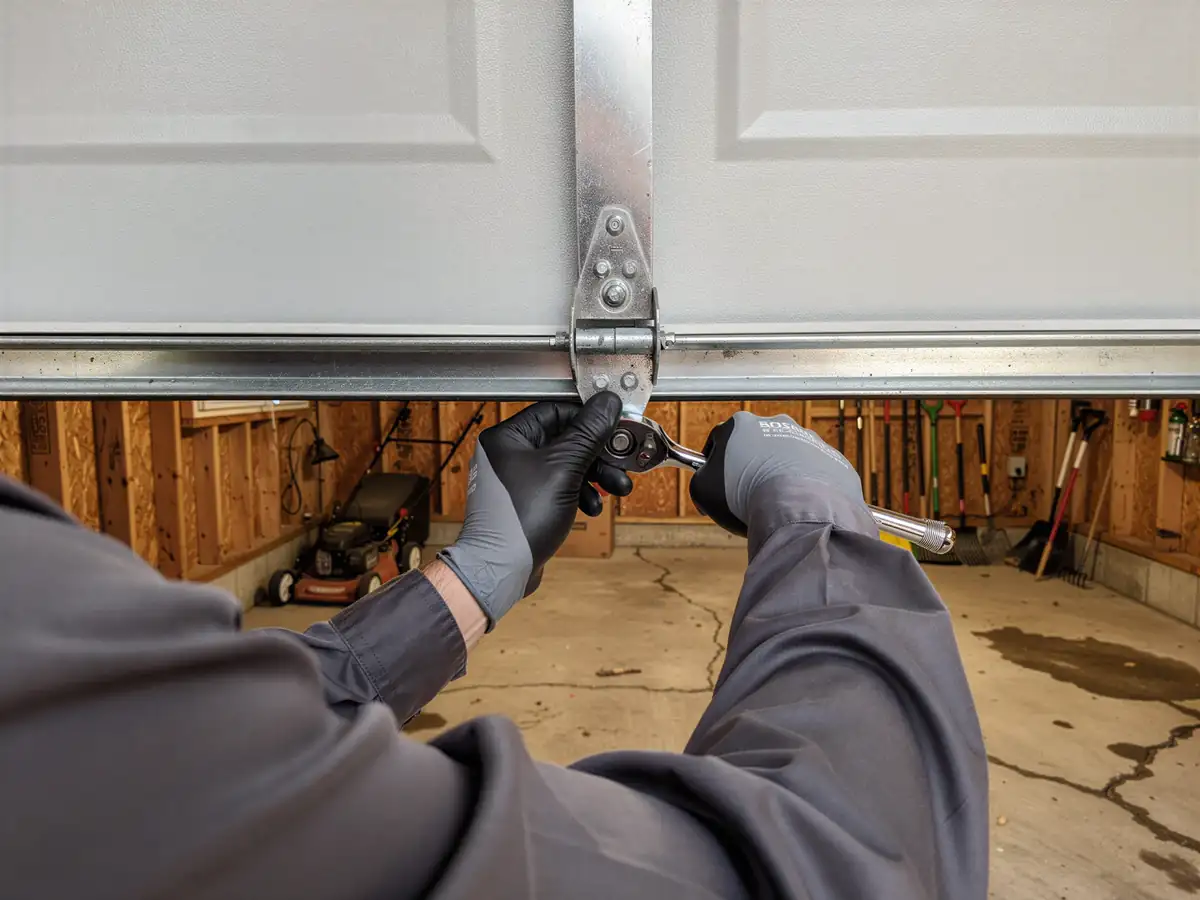
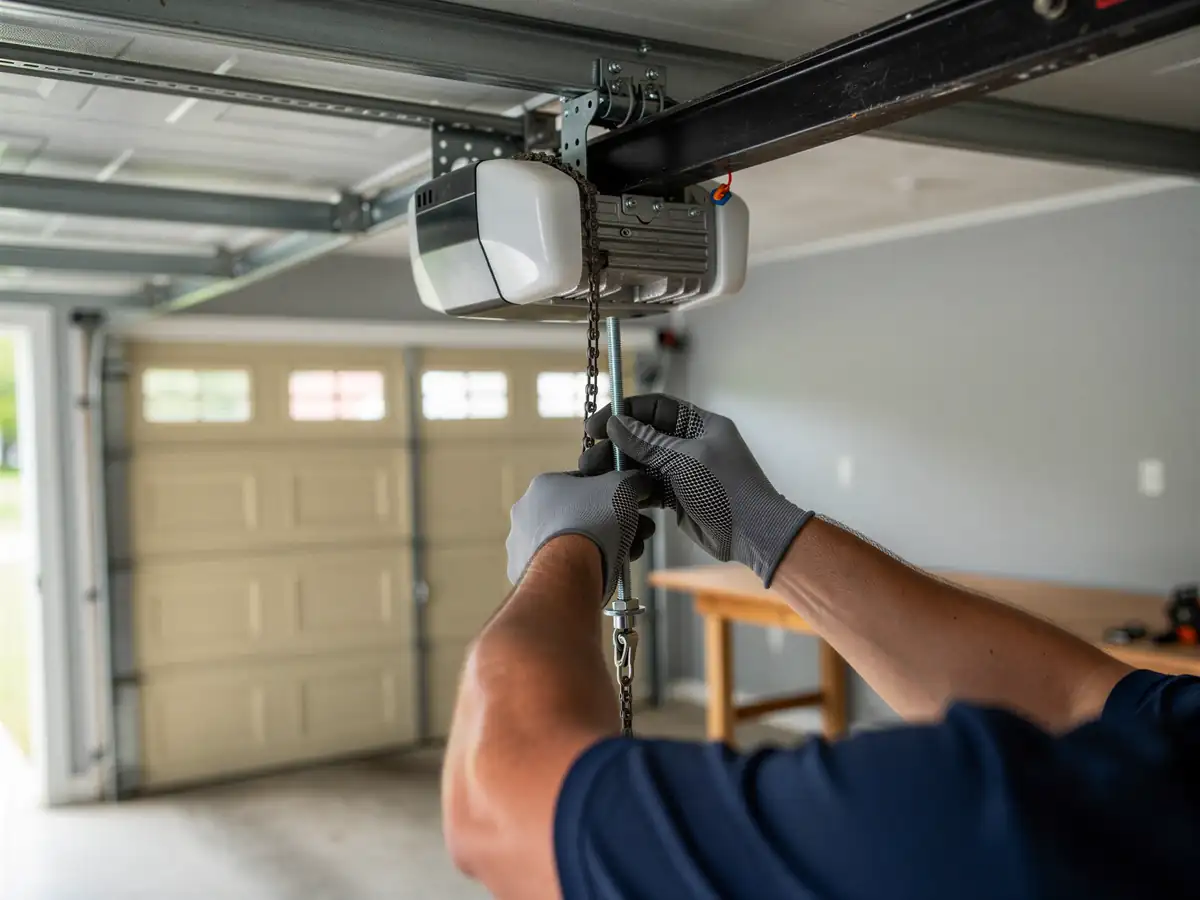
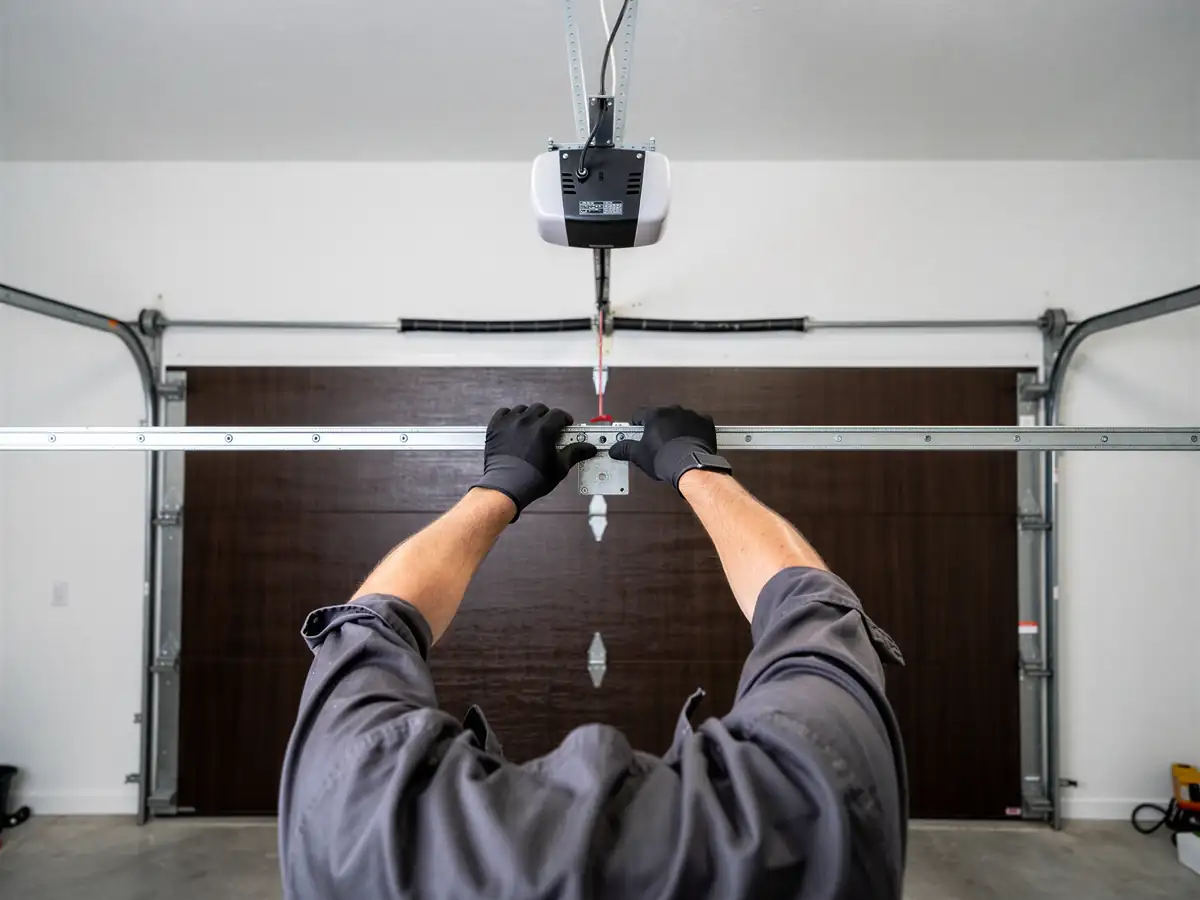
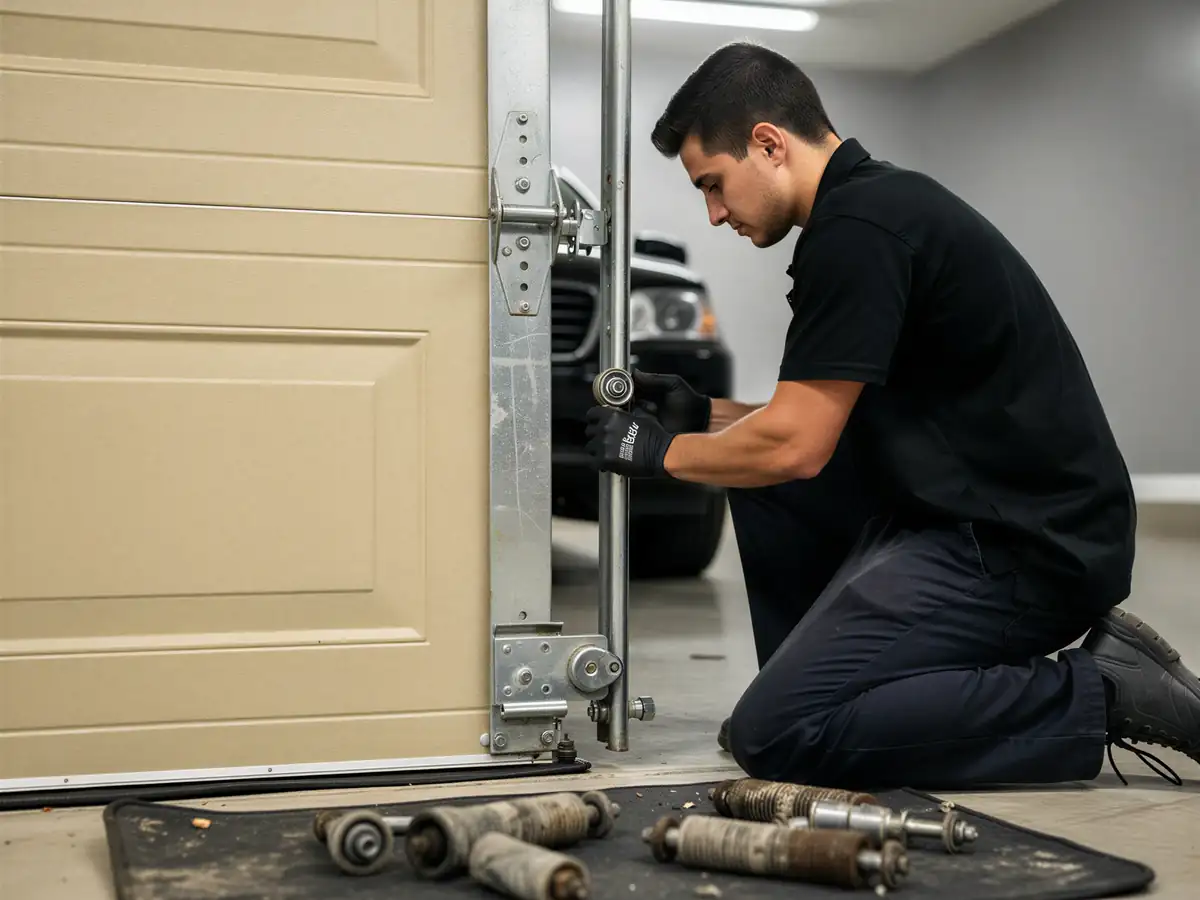
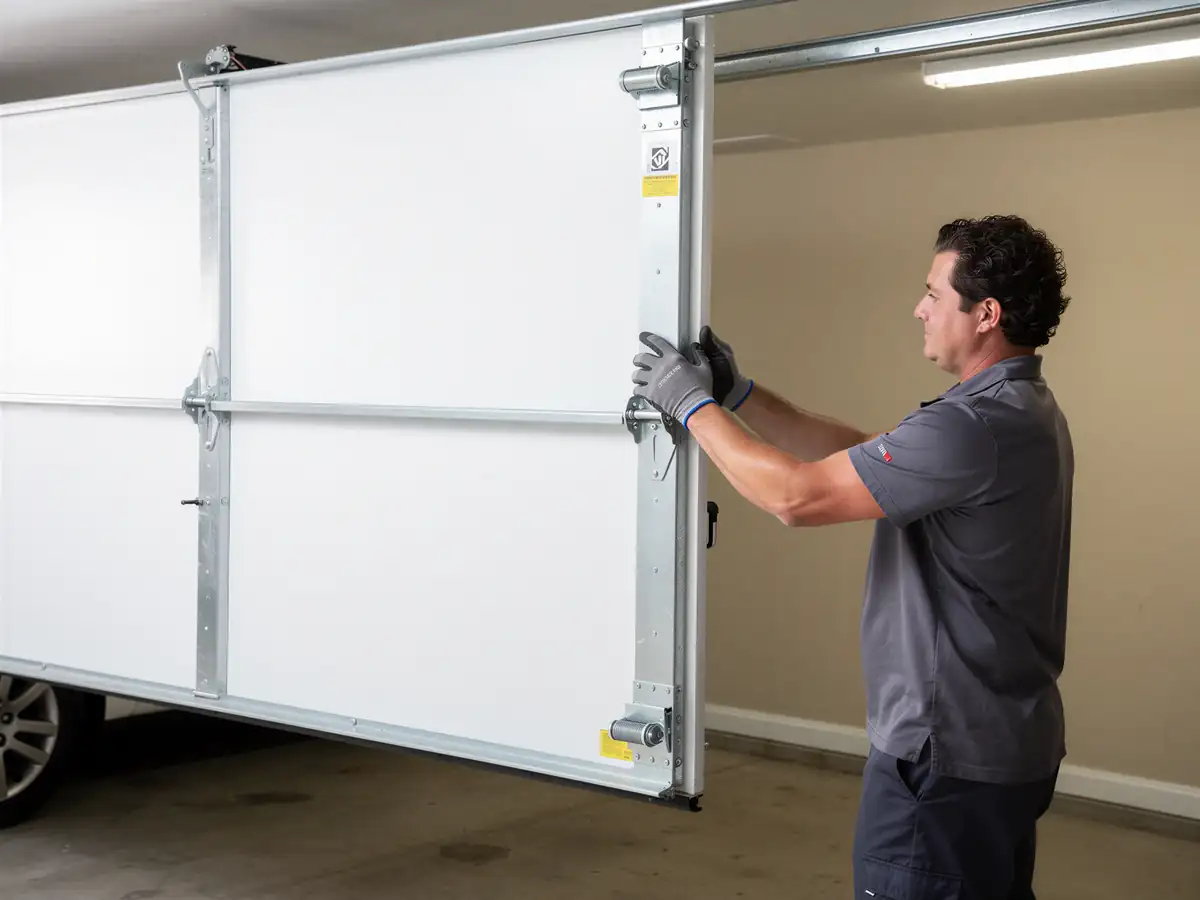
Older housing stock plus severe cold winters is not a gentle combination for garage door hardware. Steel contracts in deep cold, torsion springs lose tension faster, and nylon rollers that were fine in July start binding in January. On a door with 1960s-era framing, we also run into non-standard track widths and jamb spacing that newer stock doors don't fit without modification. The honest version: if your door is original to a 1964 build and hasn't been touched, the opener - if there even is one - is likely a unit that predates modern safety reversal standards, and that alone is a reason to replace rather than repair. We don't rebuild those; we'll tell you straight when a part is obsolete enough that chasing it costs more than a new unit. For doors that got a reasonable 1990s or 2000s opener upgrade, repair is usually the right call - bearings, cables, and rollers wear out regardless of the home's age, and those parts are still stocked.
What We Will Not Take On
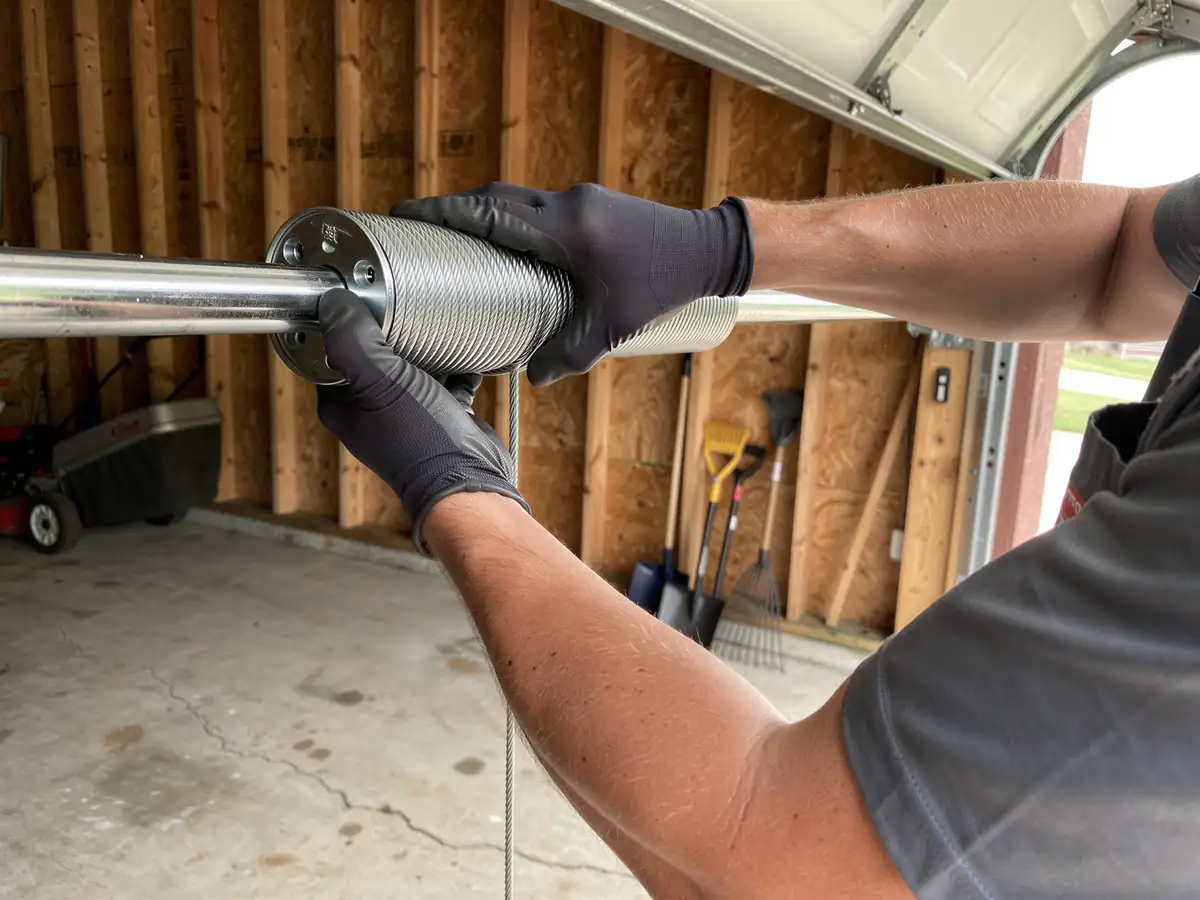
We won't drive the 20 miles for a job we can diagnose over the phone as a five-minute fix - a sensor that needs wiping down, a remote battery, a track that just needs a shot of lubricant. That's not worth your money or our fuel. We also won't try to rebuild a door frame that's rotted or shifted enough that the opening itself is out of square; at that point it's a carpentry job before it's a garage door job, and we'll say so rather than force hardware onto a frame that won't hold it. And for the oldest original doors still running on hardware from the 1960s build era, if the track, drum, or spring anchor is bent or corroded past safe adjustment, we'll recommend replacement over a patch - pretending otherwise just sets up the next failure.