Parts We Carry
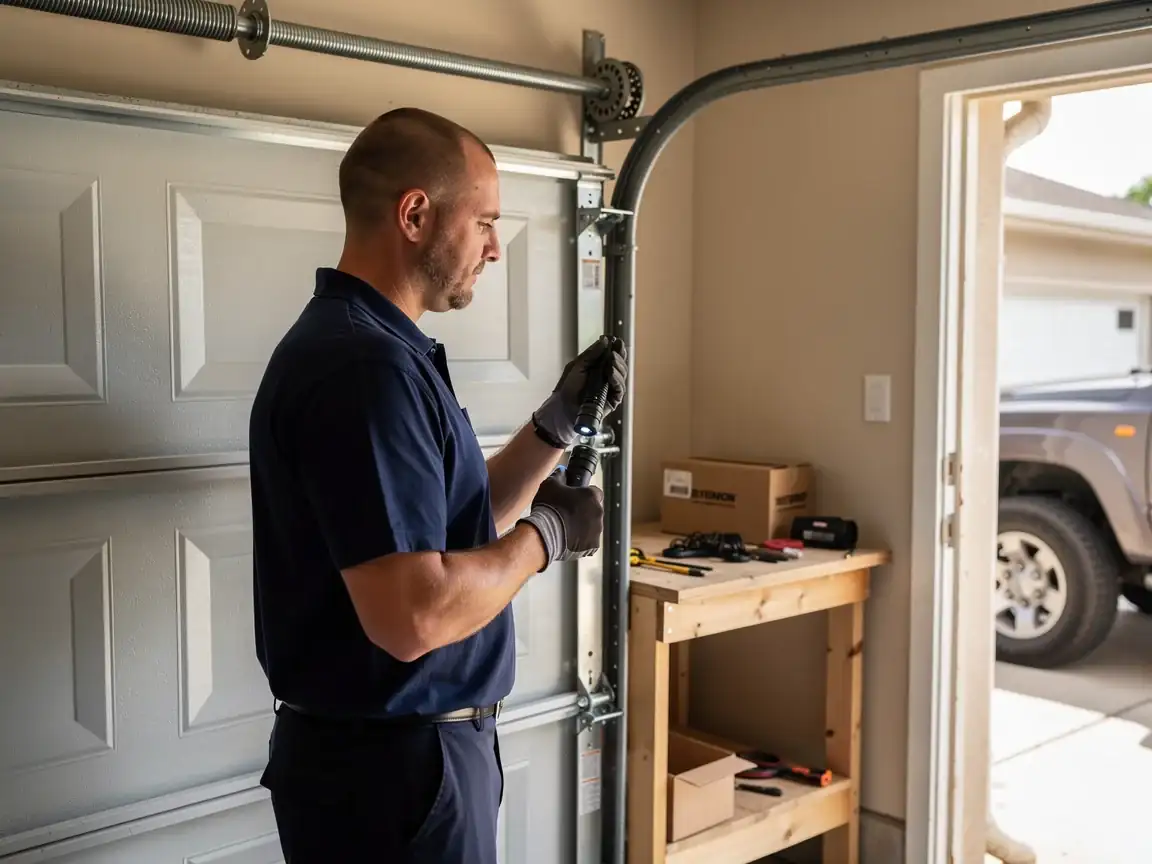
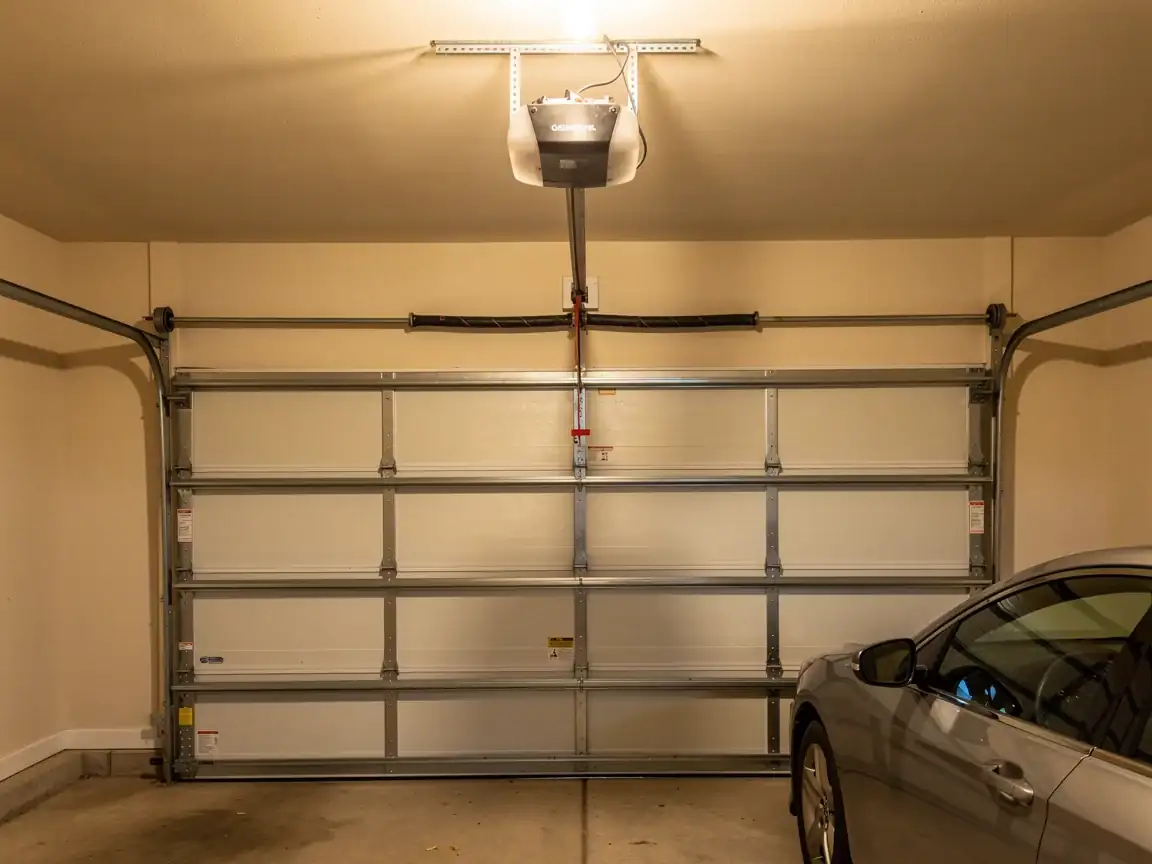
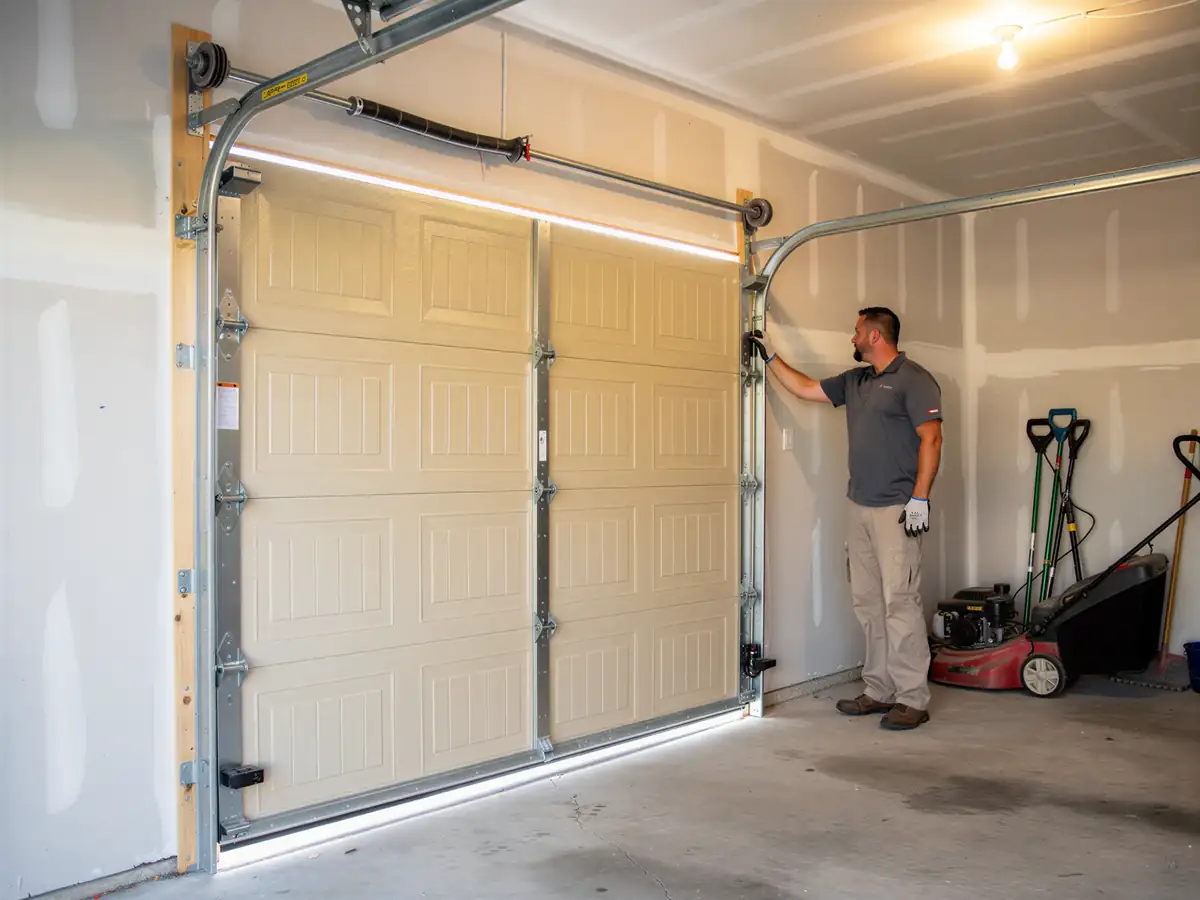
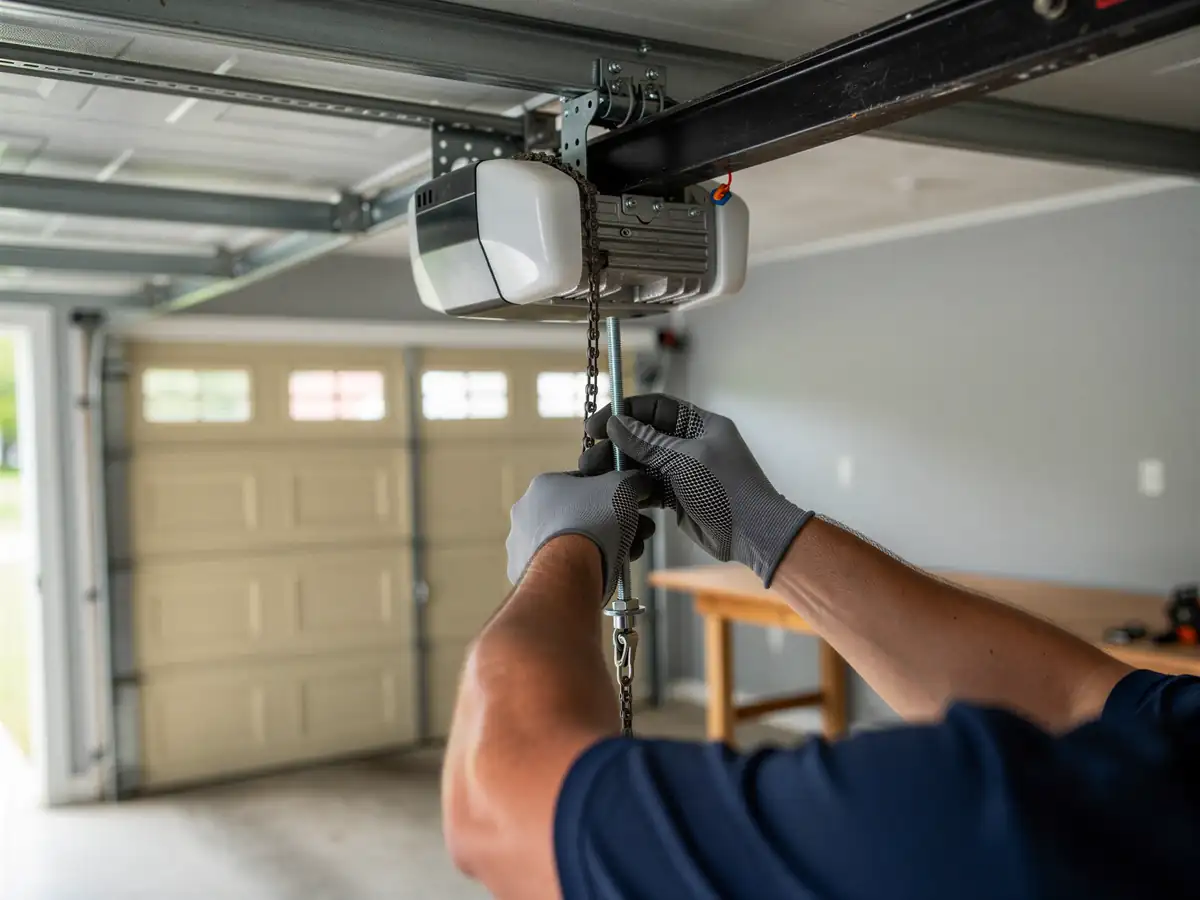
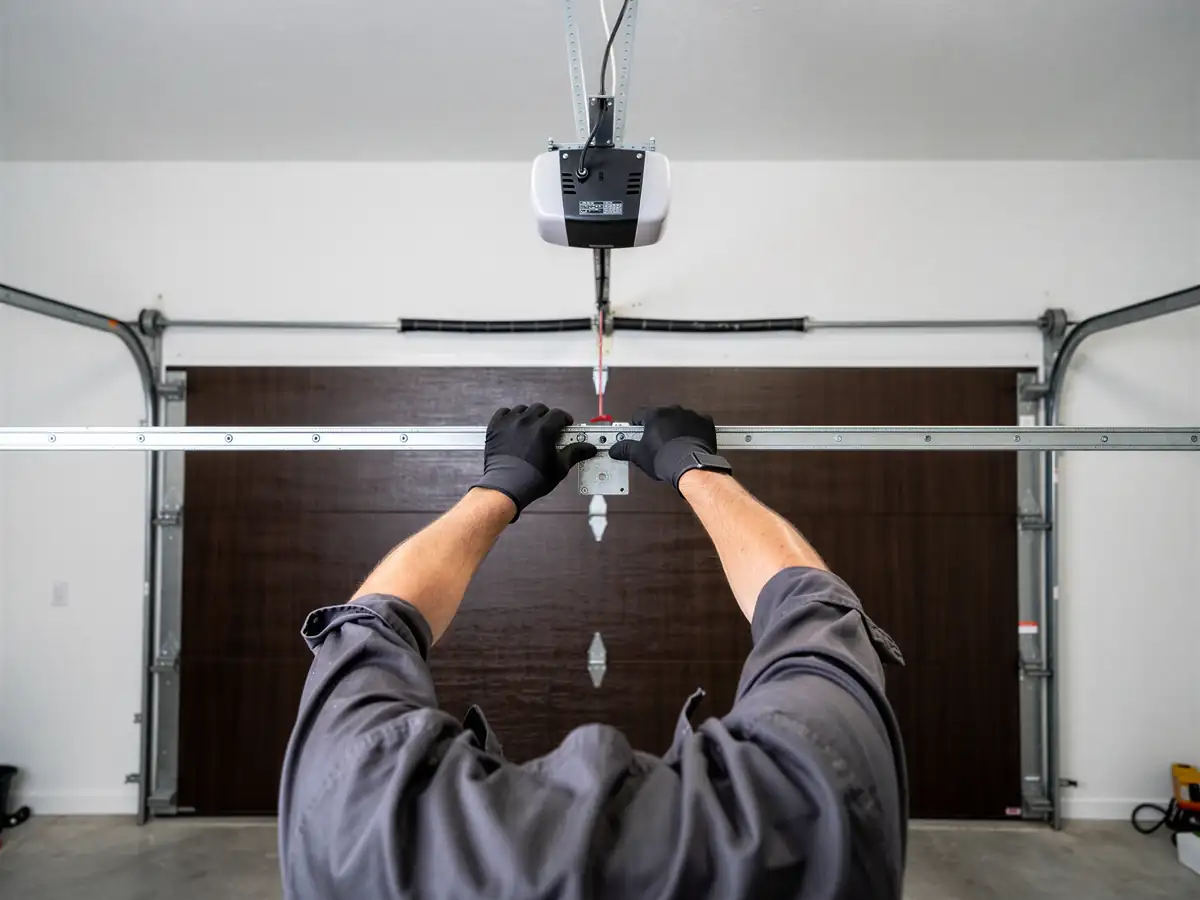
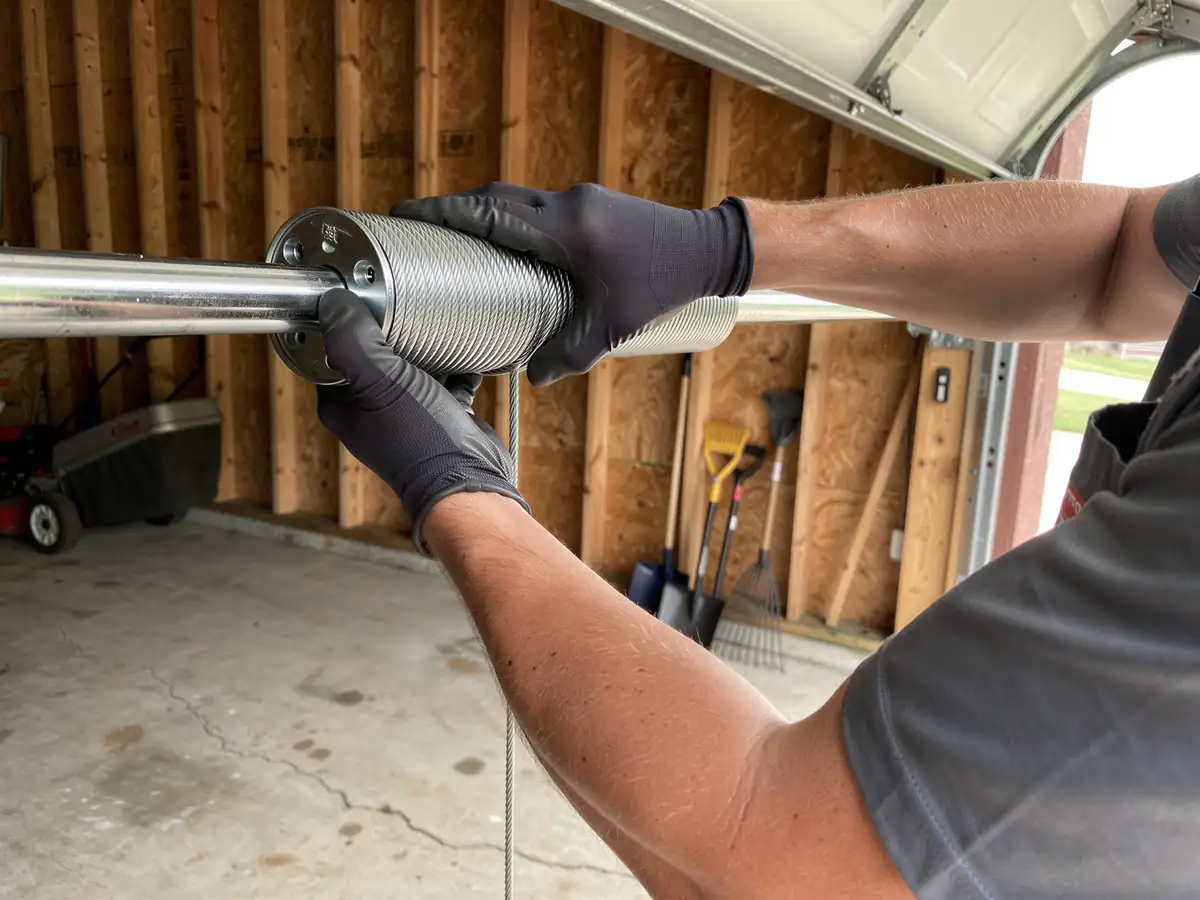
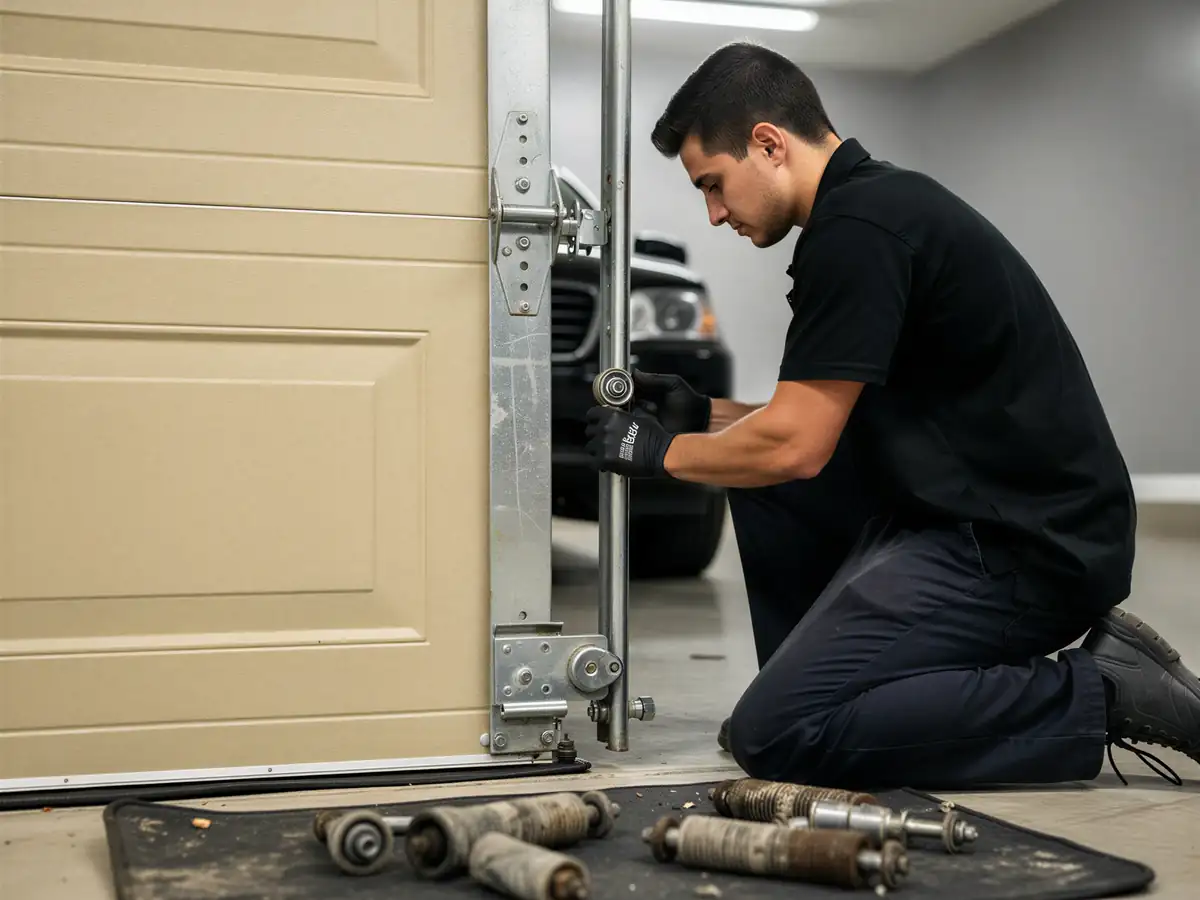
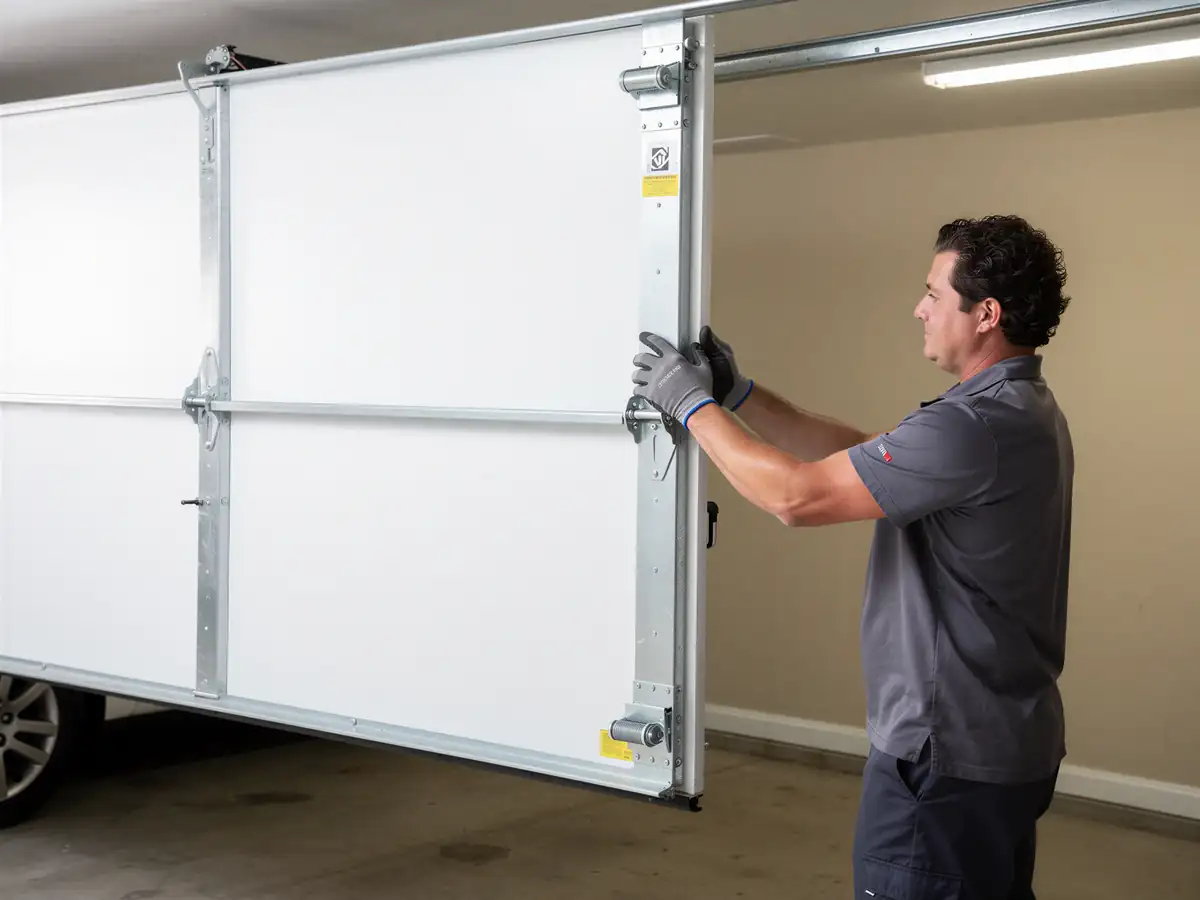
Aberdeen's median home dates to 1964, which puts a lot of doors here ahead of the torsion-spring standard that took over most new construction by the 1980s. That means extension springs running along horizontal tracks, older pulley-and-cable setups, and openers that predate the safety-reverse sensors required today. We carry extension spring sets in the sizes that fit that era, replacement pulleys, and compatible safety sensor kits for openers that never had them. We also stock standard torsion springs and cables for the newer builds mixed in around town, since not every house here is original. What we don't carry on the truck is obscure OEM trim or decorative hardware for discontinued door lines - if your panel needs a specific cosmetic part from a brand that's stopped making it, that's a special order, and we'll tell you the lead time before you commit to the job.
What It Costs
We don't have a posted price list for Aberdeen specifically, and quoting a number without seeing the door is how homeowners end up annoyed at an invoice. What we can say is that Aberdeen's median household income runs around $67,813, a bit above the wider service area's $66,000, which hasn't changed what a tune-up or spring swap runs - the cost is set by the hardware on your door, not the zip code. Extension-spring systems common in 1960s-era Aberdeen homes are usually cheaper to service than torsion setups, since the springs are smaller and don't require the same winding bars and tension gauges. We'll give you a firm number on-site before any work starts, not a phone estimate.
Where This Job Goes Sideways
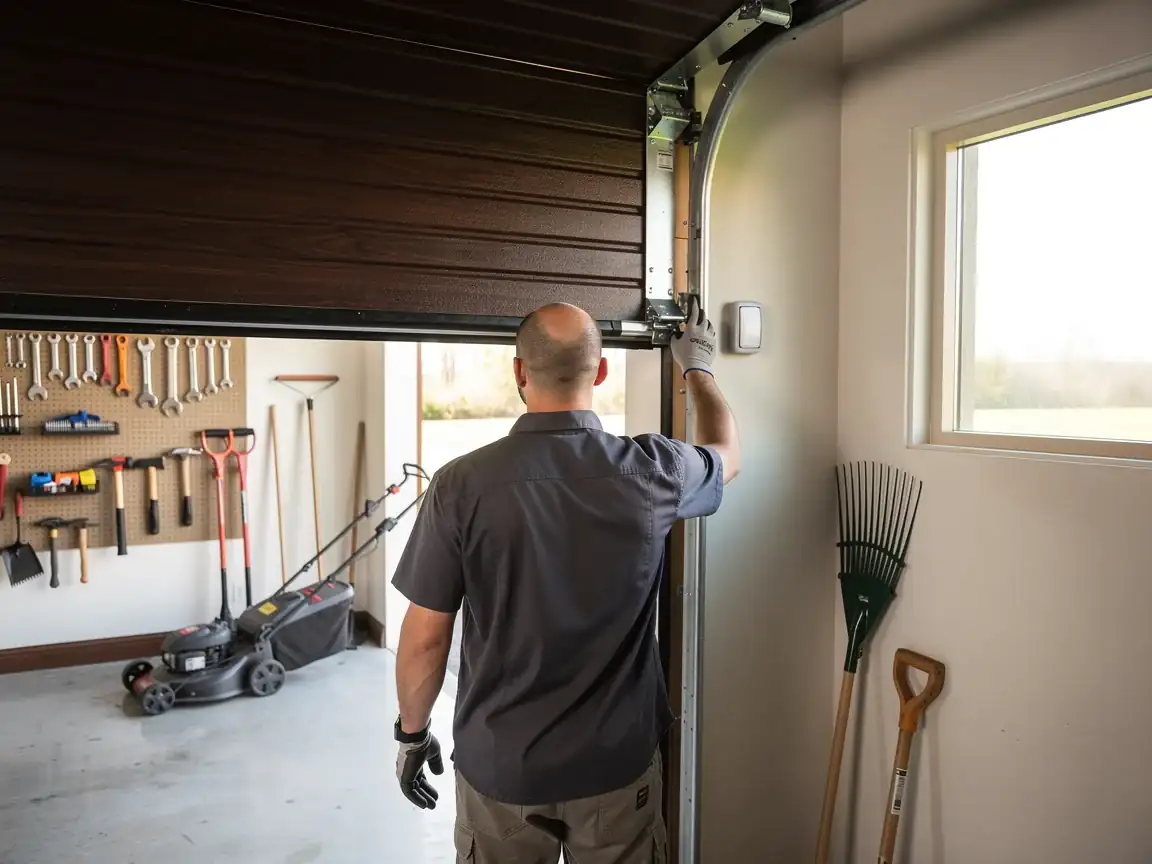
The severe-cold winters this area sits in are hard on springs no matter what decade they're from, but it's the older extension-spring doors - common given Aberdeen's 1964 median build year - that fail first. Cold stiffens the steel, and a spring that was already fatigued will finally let go on the first hard freeze, usually with the door halfway up. If that happens on an extension system, the door can drop fast since there's no torsion bar holding tension evenly across the width - that's a real safety issue, not just an inconvenience. The other way this goes sideways: a homeowner tries to save the trip and asks us to just tighten or lubricate a cable that's already frayed. We won't do that. A frayed cable under tension gets replaced, not patched, and we'll say so even if it means a slightly bigger bill than you were expecting.