The Symptom
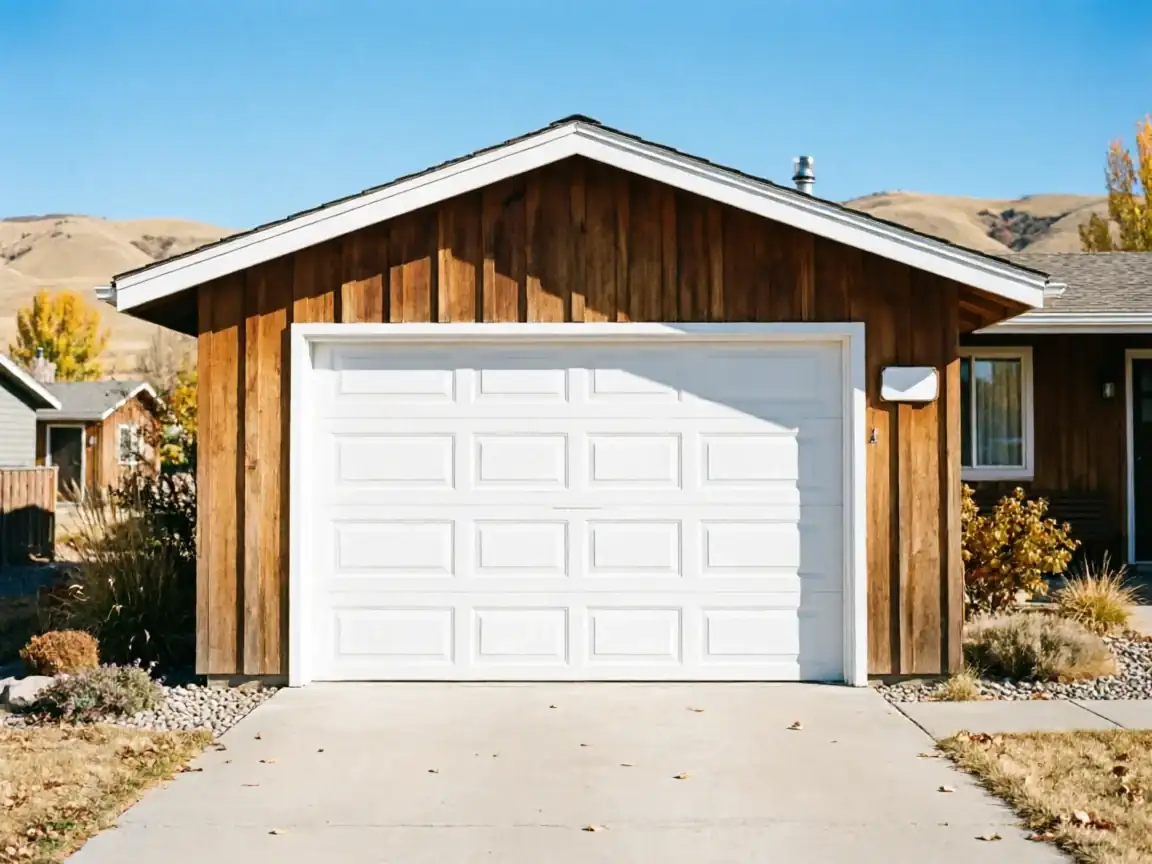
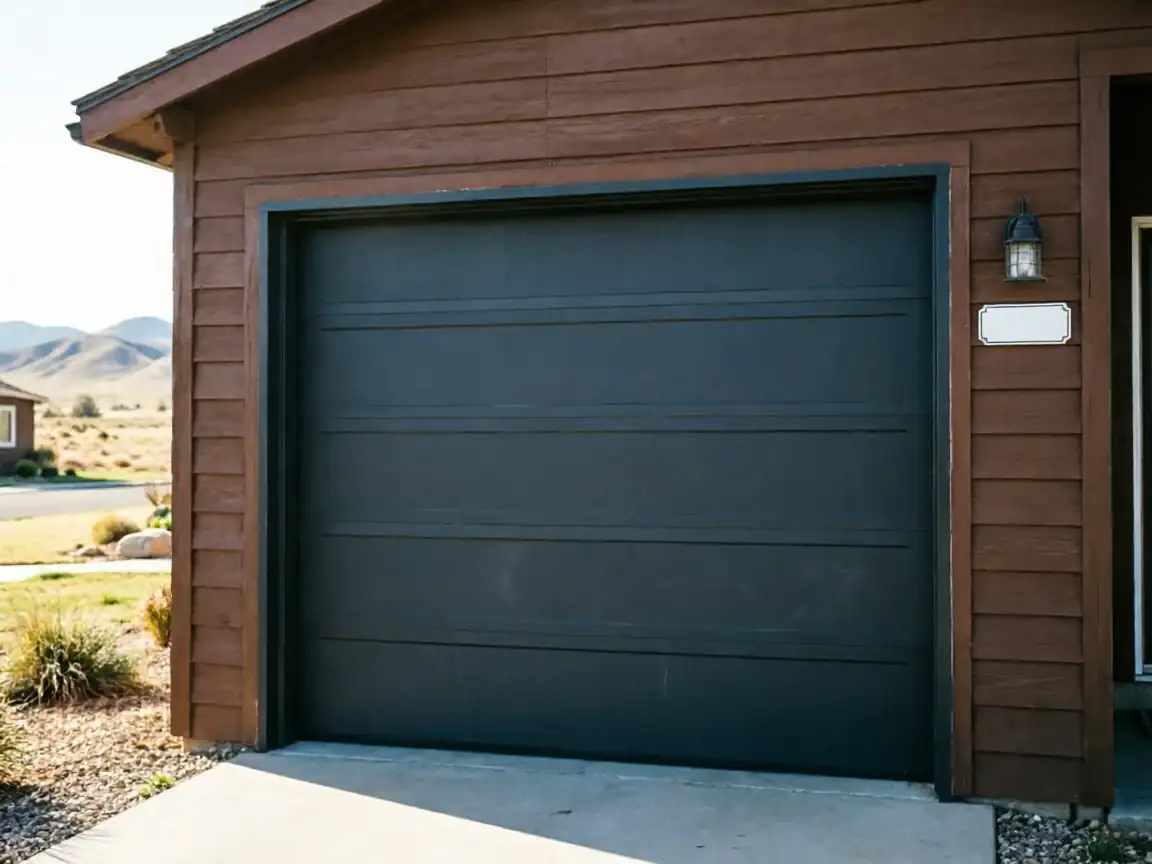
The door doesn't sit flat on the slab anymore. You can see daylight along the bottom edge, or the weatherstrip is cracked and flattened so wind still gets under it. Panels on the lower section have started to bow or rust through at the corners. The opener strains and groans before it lifts, even after a tune-up, because it's fighting a door that's heavier than it should be from moisture soaked into old wood or from a sagging steel skin.
None of this is a spring problem or a sensor problem. It's the door itself giving out. On a house with the original door still hanging - and a lot of Pocatello houses still have exactly that - this is the point where repair stops making sense and replacement starts.
If your door is from the original build and has never been swapped, this symptom set is less a surprise and more a schedule. Steel and wood doors from that era weren't built with the insulation or seal technology that's standard now, and decades of winter cycling finally catches up to them.
The DIY Question
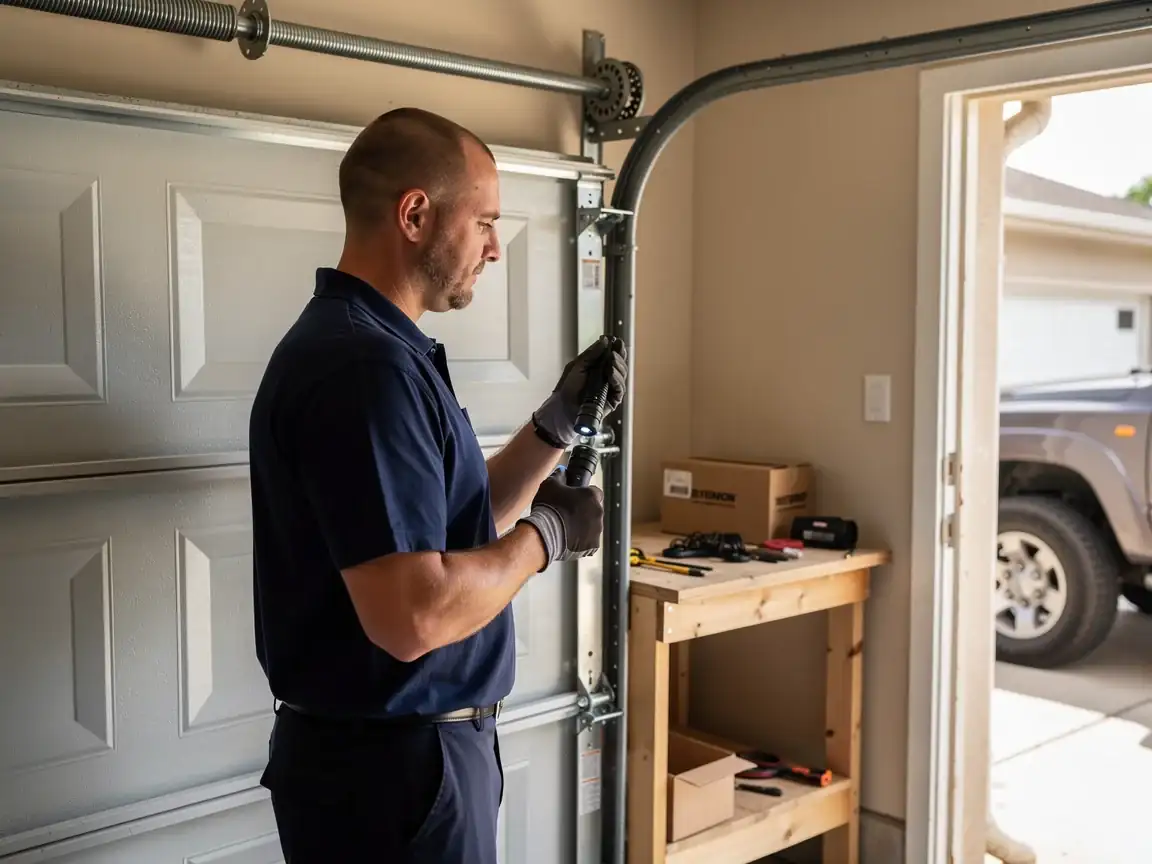
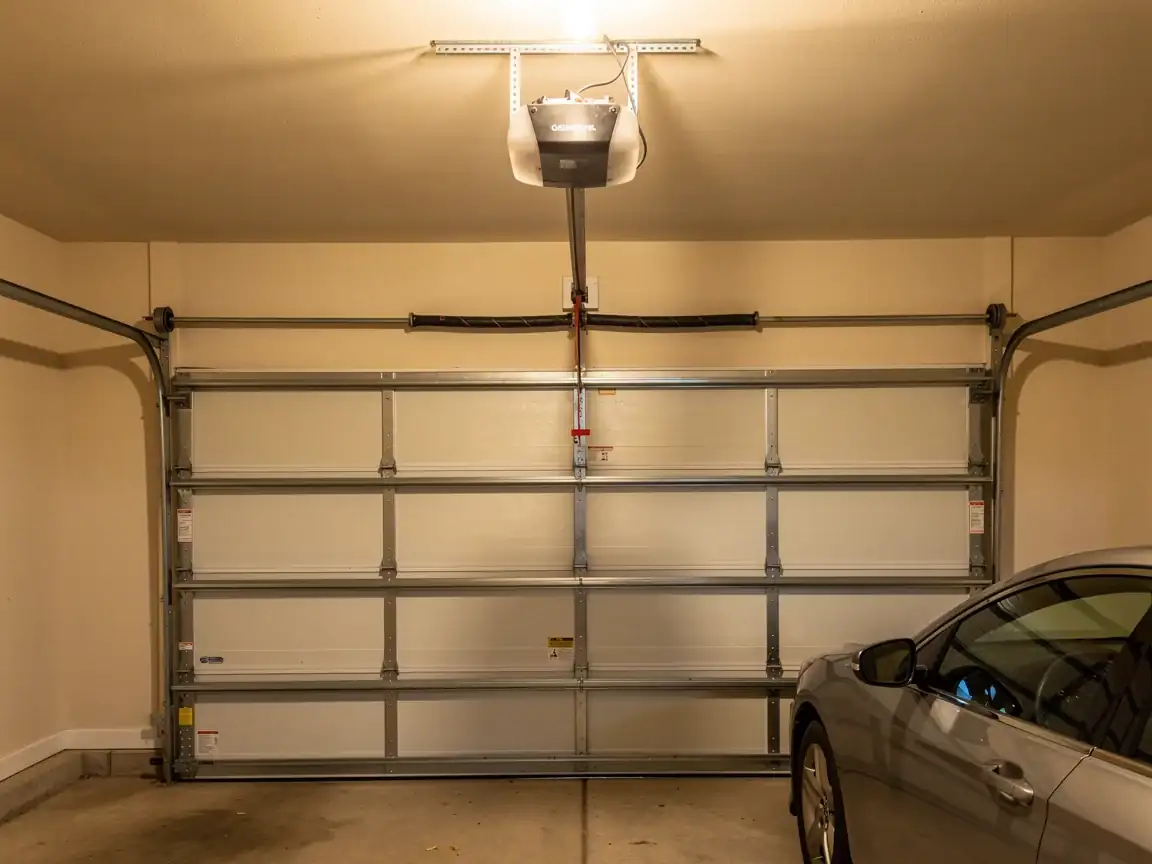
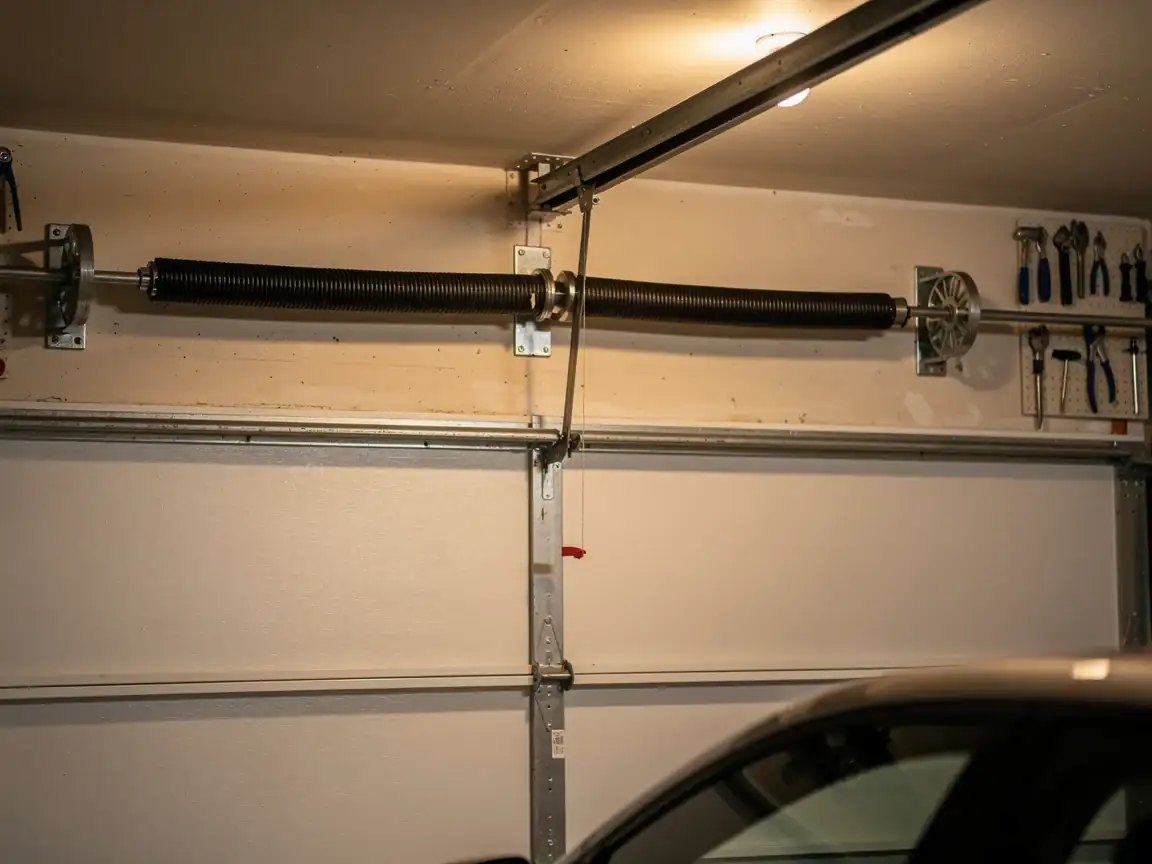
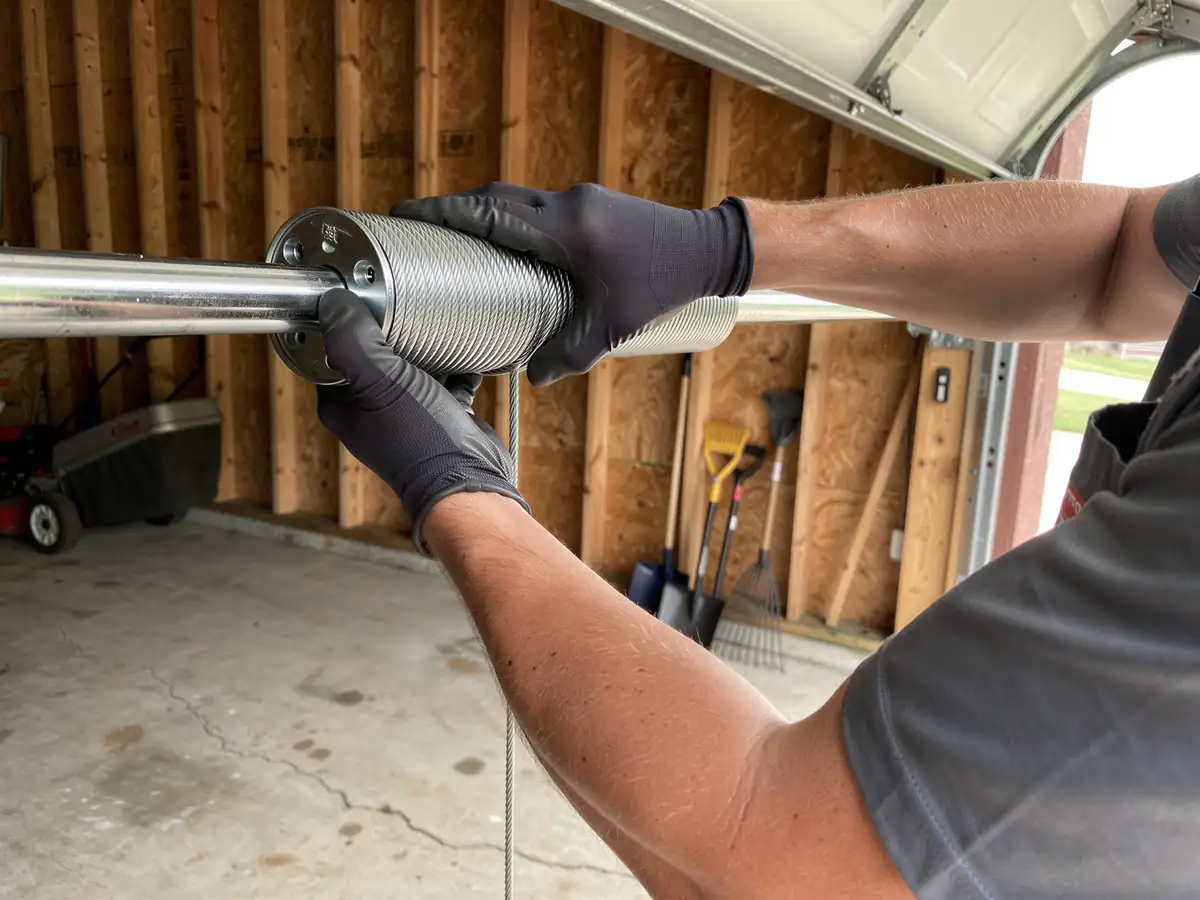
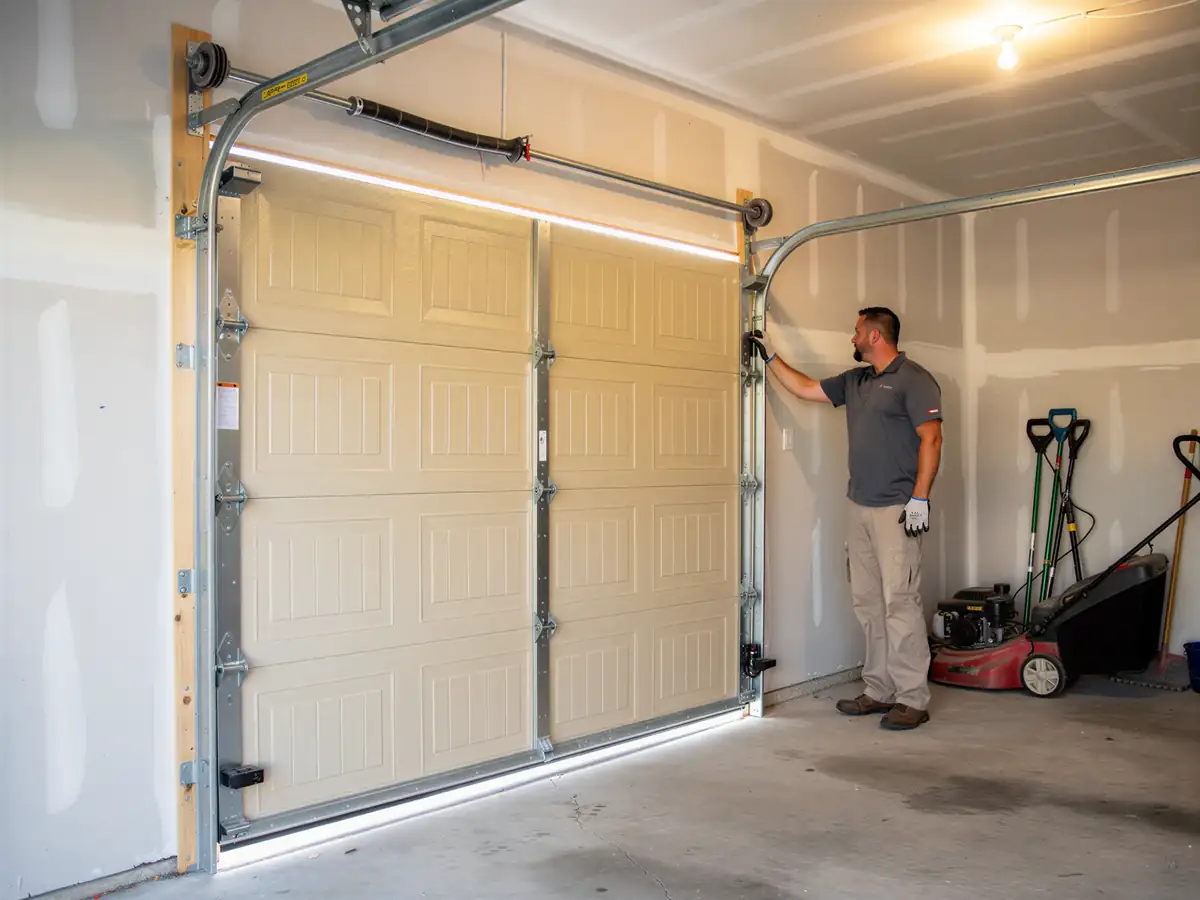
You can buy a door kit and a weekend of YouTube and get most of the way there. The part that stops most people isn't the panels - it's the torsion spring and the track alignment underneath. A wound spring on a double door carries enough stored force to break a wrist or worse if the winding bar slips, and getting the new track plumb against an opening that's shifted slightly over 40-60 years takes more than a level and patience.
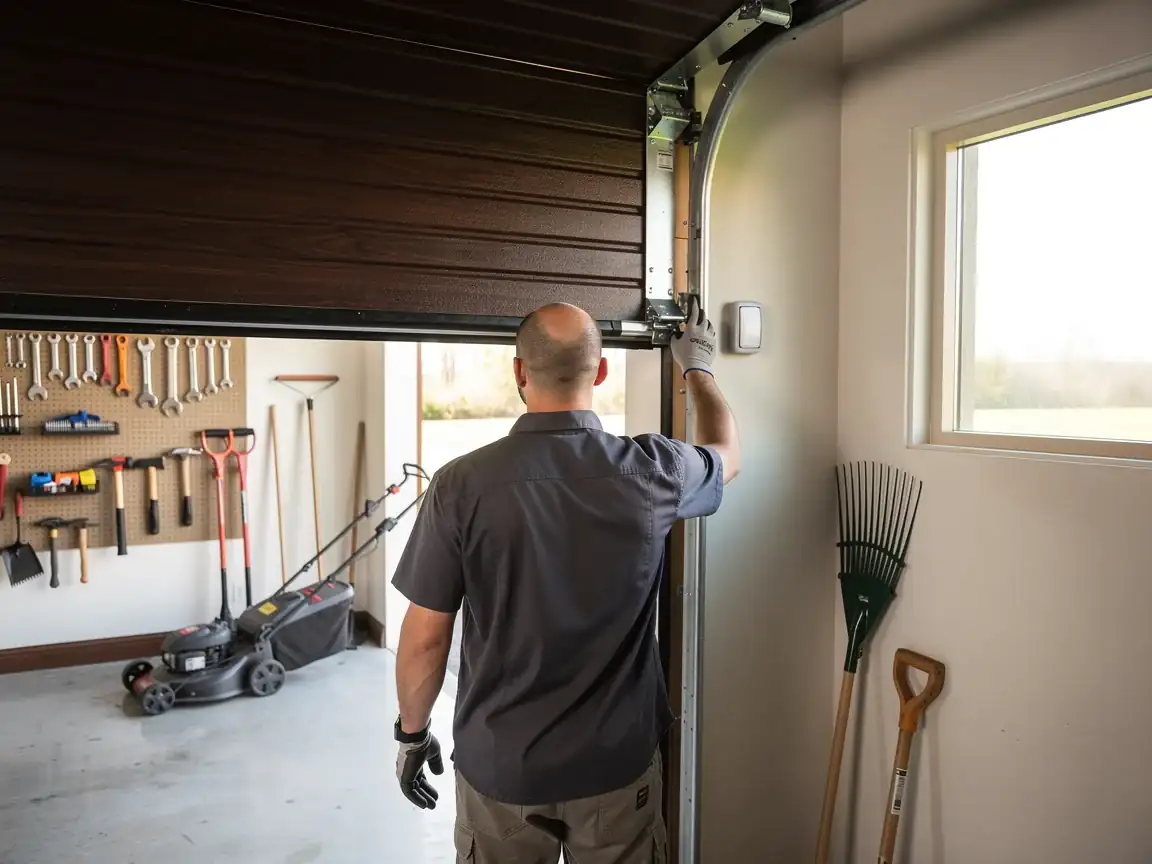
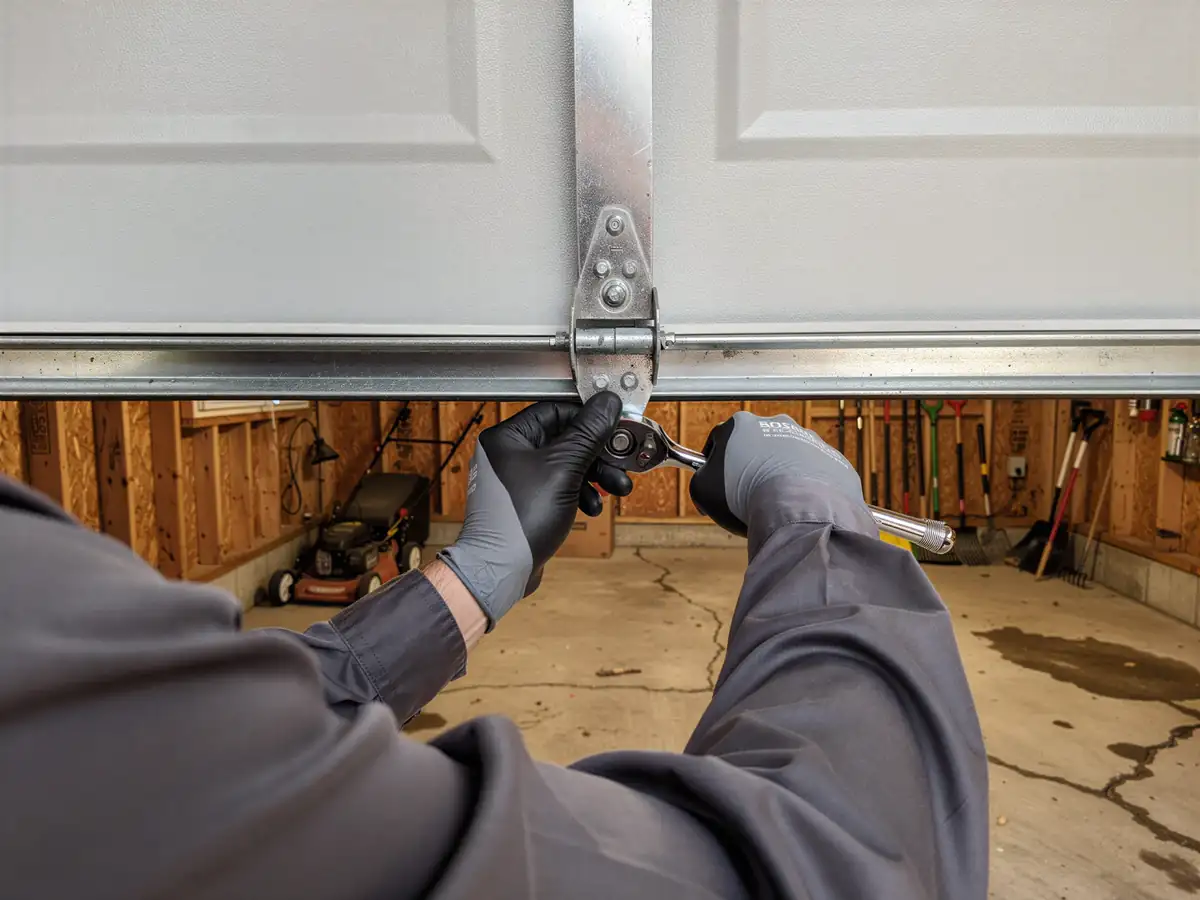
We'll be straight with you: swapping hinges, rollers, or a section of track is reasonable DIY territory if you're handy. A full door and spring system replacement on a house this old, where the opening itself may not be square anymore, is not something we'd talk a homeowner through over the phone. That's the honest limit - not because the install is impossible, but because the failure mode when it goes wrong is a trip to the ER, not a redo.
What Causes It Around Here
Most of the housing stock in the Pocatello service area went up between 1964 and 1995
With the median landing around 1980, and the bulk of it across four named areas of town is specifically 1980s and 90s construction. That means a large share of doors still in service are original or close to it - 30 to 45 years of steel, wood, and hardware in a cold-severe climate.
- 45 years
That climate rating matters more than people assume
Repeated hard freezes and thaws work on a garage door the same way they work on pavement: steel skins fatigue at the seams, wood composite panels swell and crack at the bottom where snowmelt sits, and the seal track that keeps weather out hardens and splits. A door built for a mild climate elsewhere wouldn't show this wear nearly as fast. Here, it's close to guaranteed by year 30.
What the Repair Takes
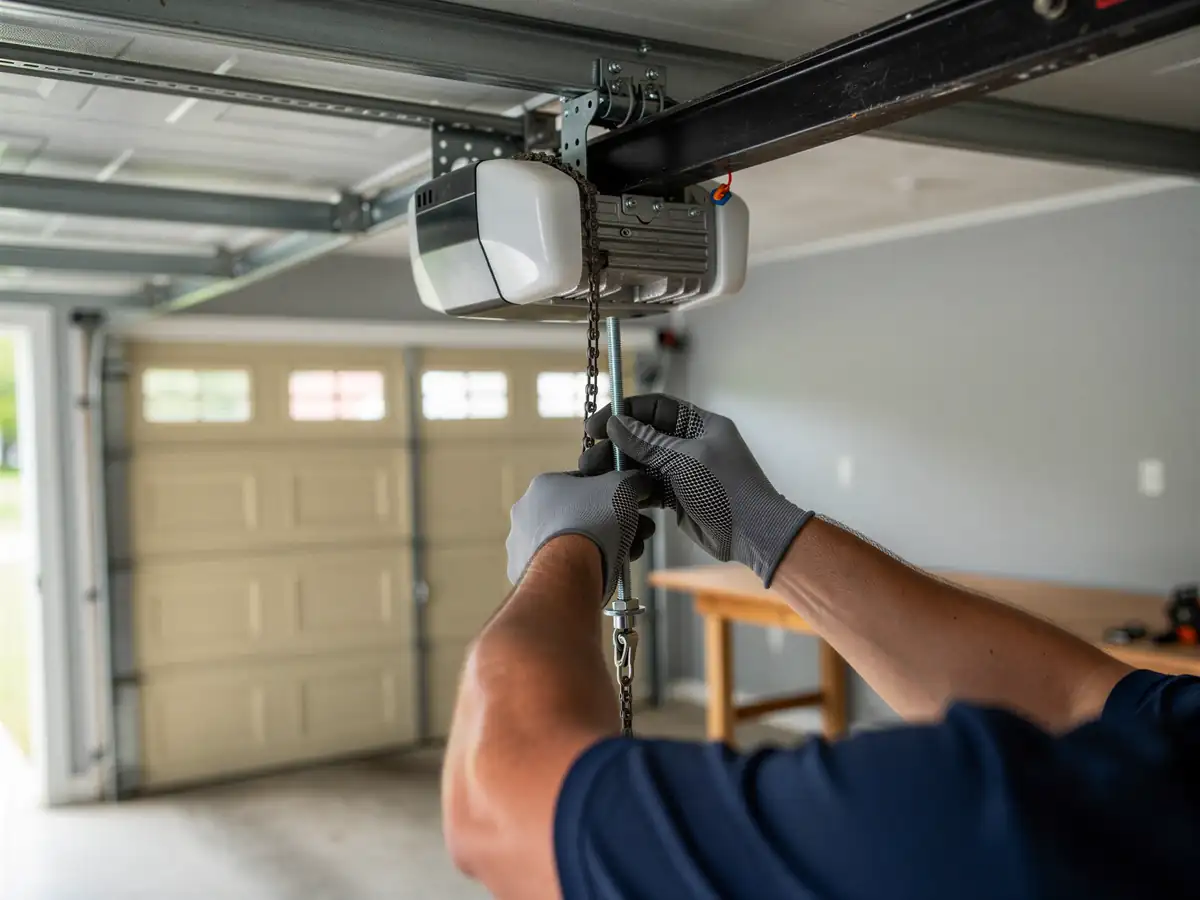
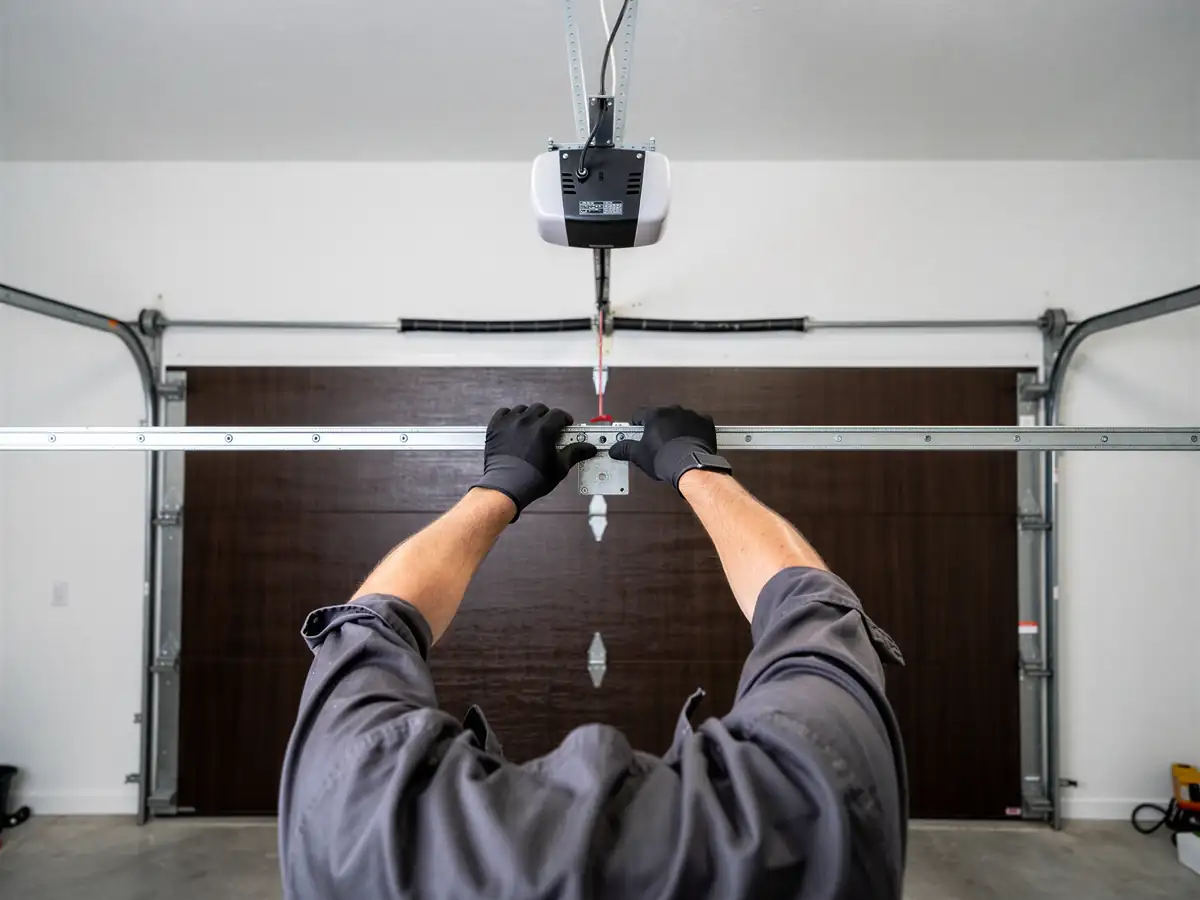
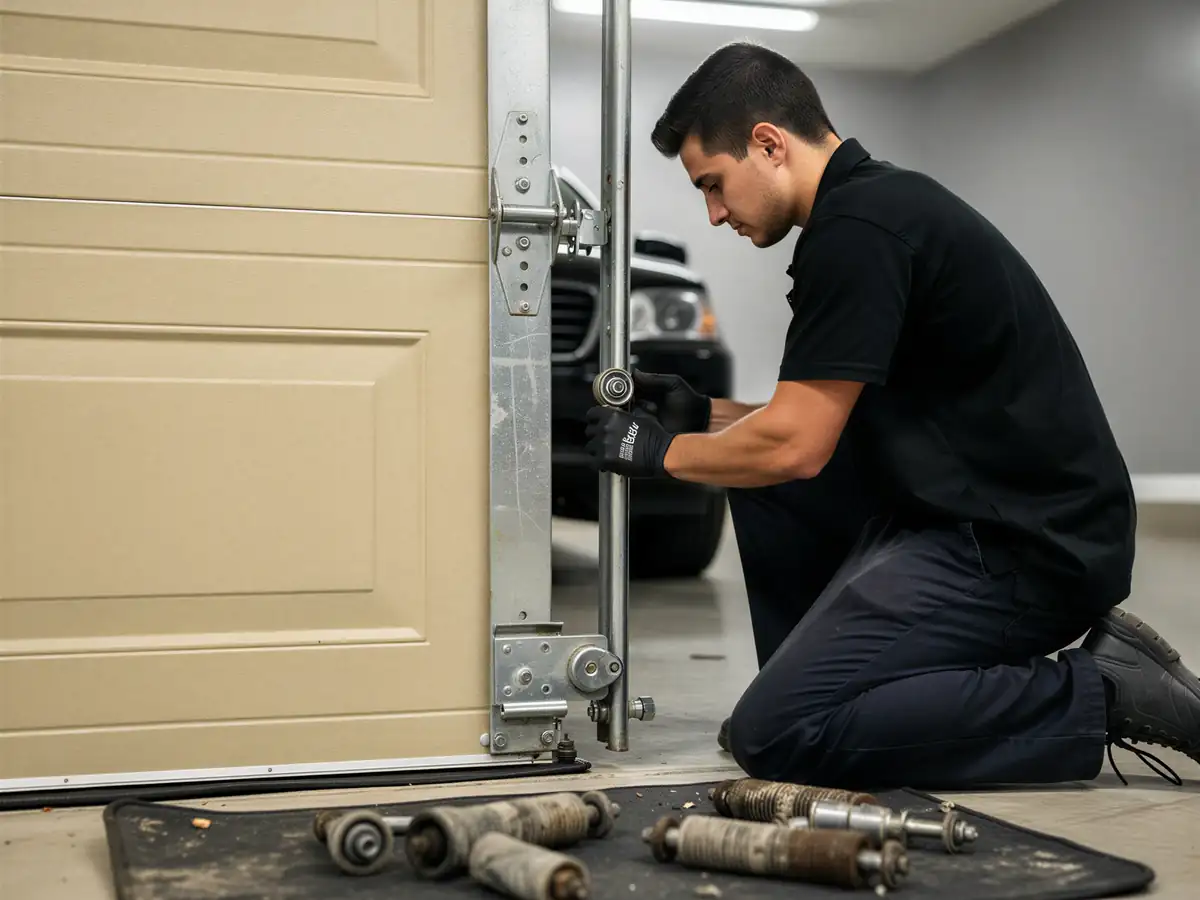
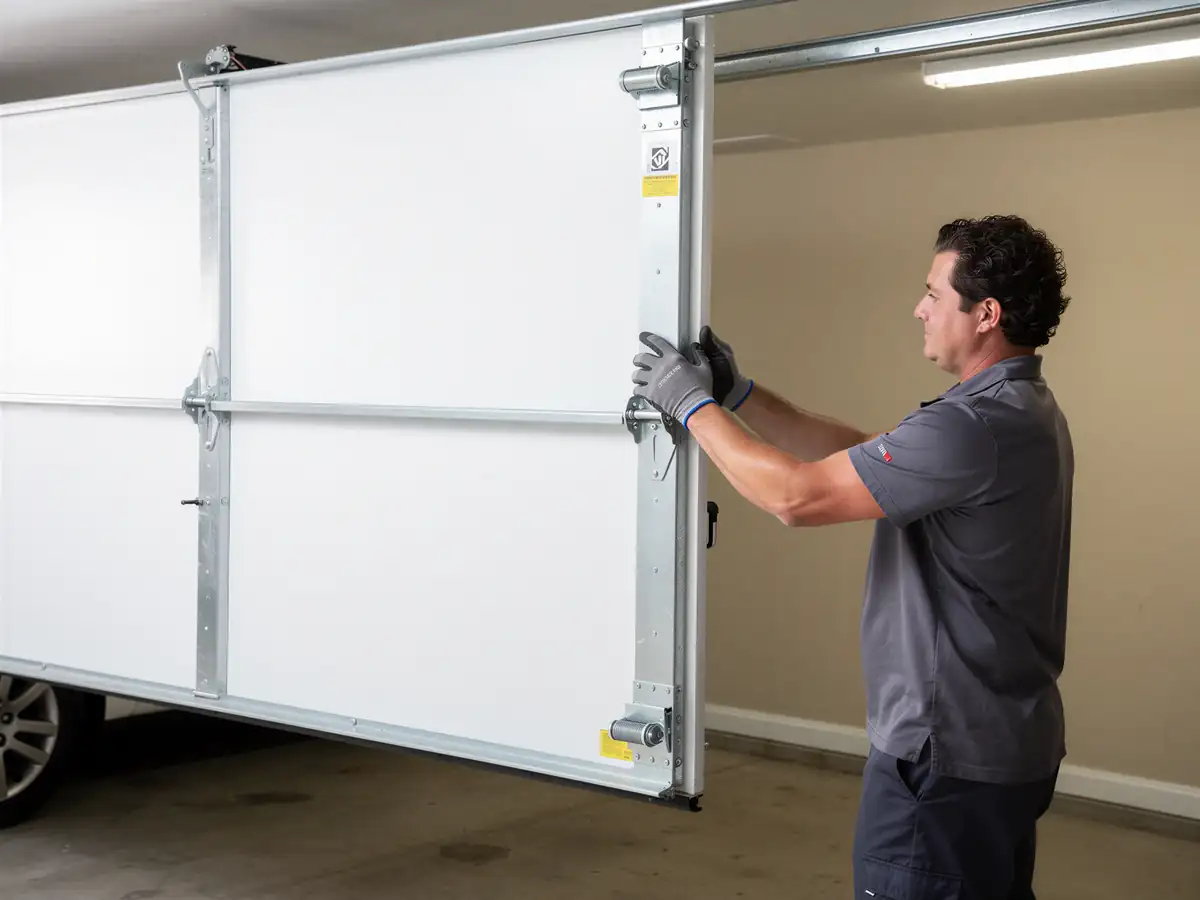
A full installation starts with pulling the old door, track, and often the springs as one job, since reusing 40-year-old hardware on a new door usually just transfers the next failure sooner. We measure the actual opening rather than trust the original frame dimensions - on houses this age the opening can be out of square by enough to matter.
For this climate, we lean toward insulated steel sections rather than the single-layer doors original to most of these homes; given a median household income in the area around $66,000, we also walk through the cost difference between a standard and an insulated door honestly rather than defaulting to the most expensive option. Lead time is the one thing outside our control - standard sizes install in a day, but a non-standard opening or a specific color match can mean a week or more on backorder. We'll tell you which one you're looking at before you commit.