What Local Conditions Do
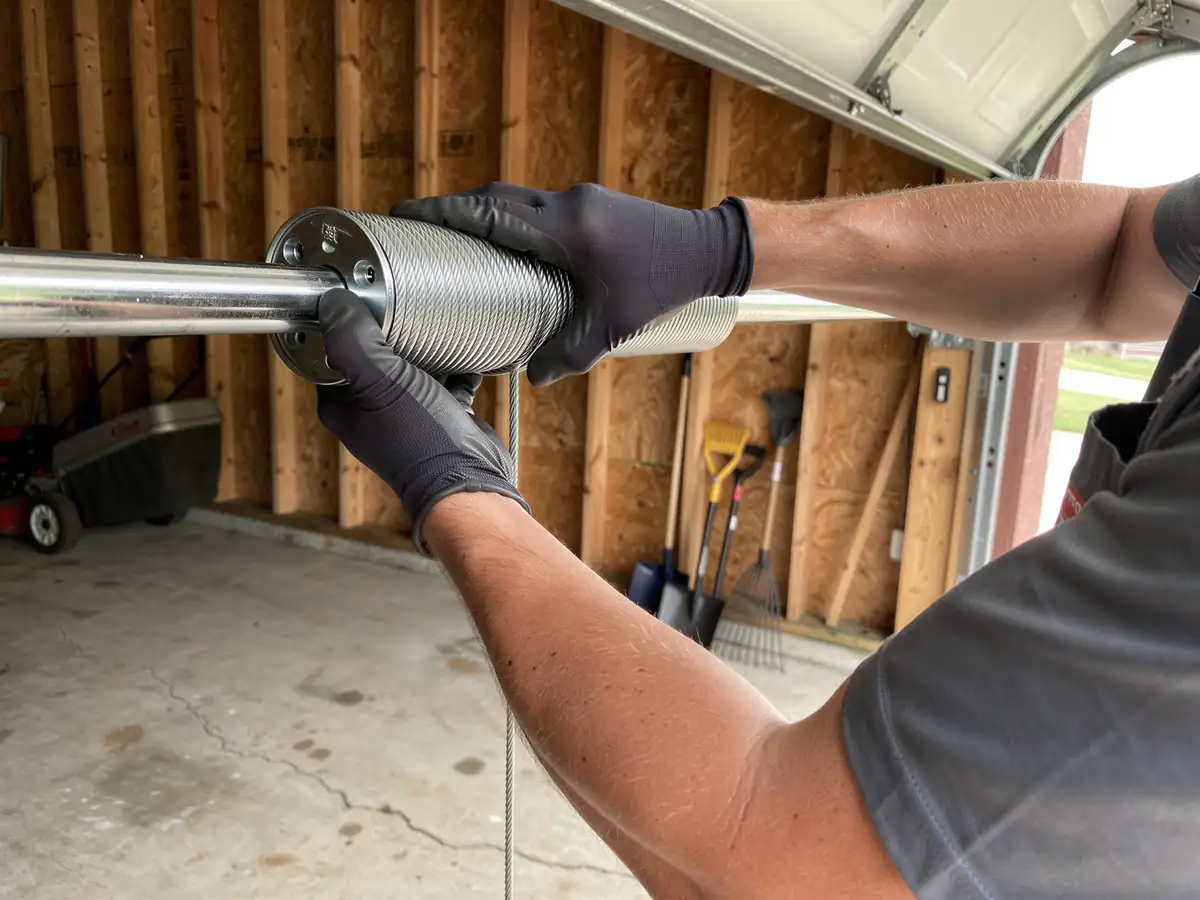
This area sits in the severe end of the cold climate band, and that matters more for garage door openers than most homeowners expect. A hard freeze doesn't just make the motor work harder, it's usually what takes the power out in the first place, whether that's an ice-loaded line or a cold snap pulling more draw than the grid can handle on a given block. Most houses in this service area went up between 1964 and 1995, with the median landing around 1980, so a lot of openers bolted to the ceiling are original to a remodel from that era, chain-drive units with no battery backup built in. When the power drops in a July thunderstorm that's an inconvenience. When it drops at ten below in January with a car stuck inside, that's a different problem. Cold also tightens steel cable and shrinks nylon rollers, so a door that was marginal in October can bind hard by December, right when you also lose the opener. The two failures compound instead of showing up one at a time, which is the pattern worth planning for.
What to Look At First
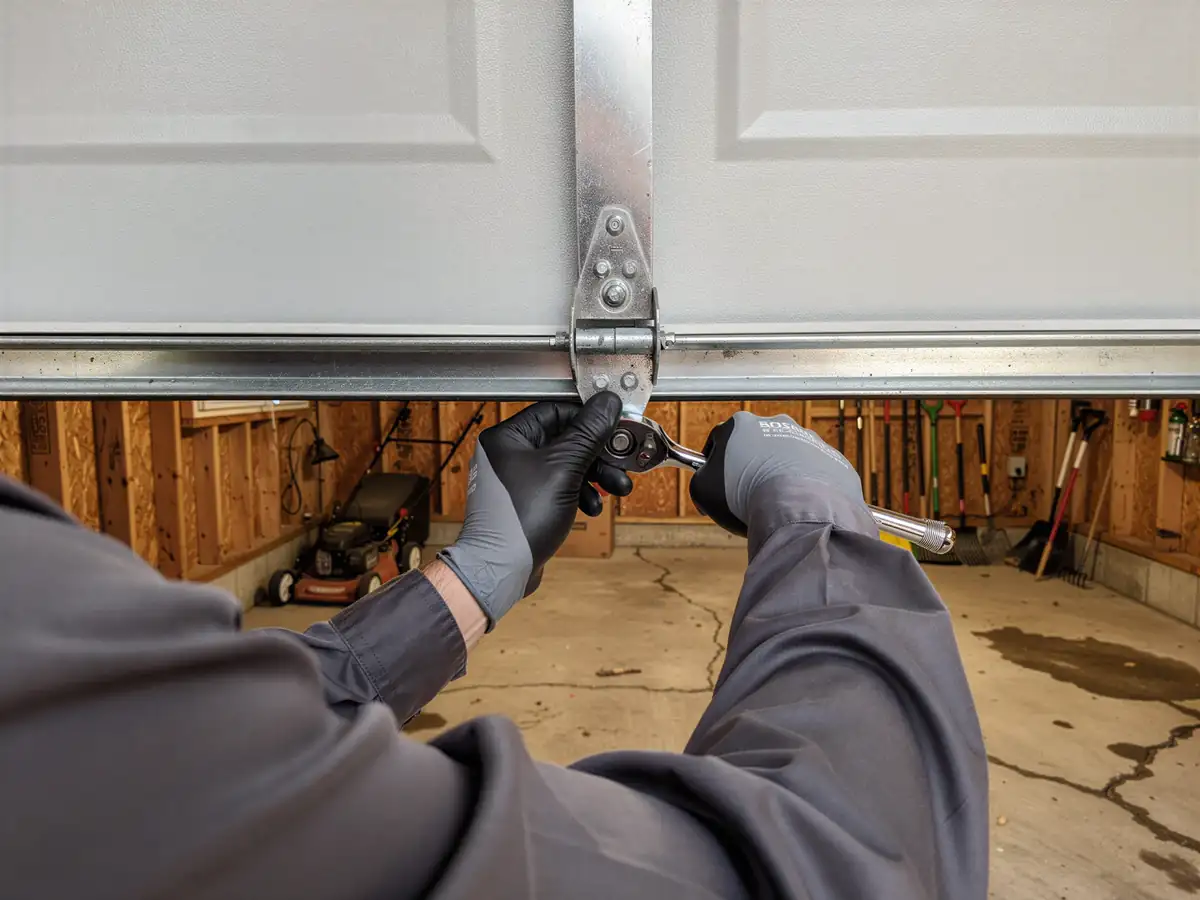
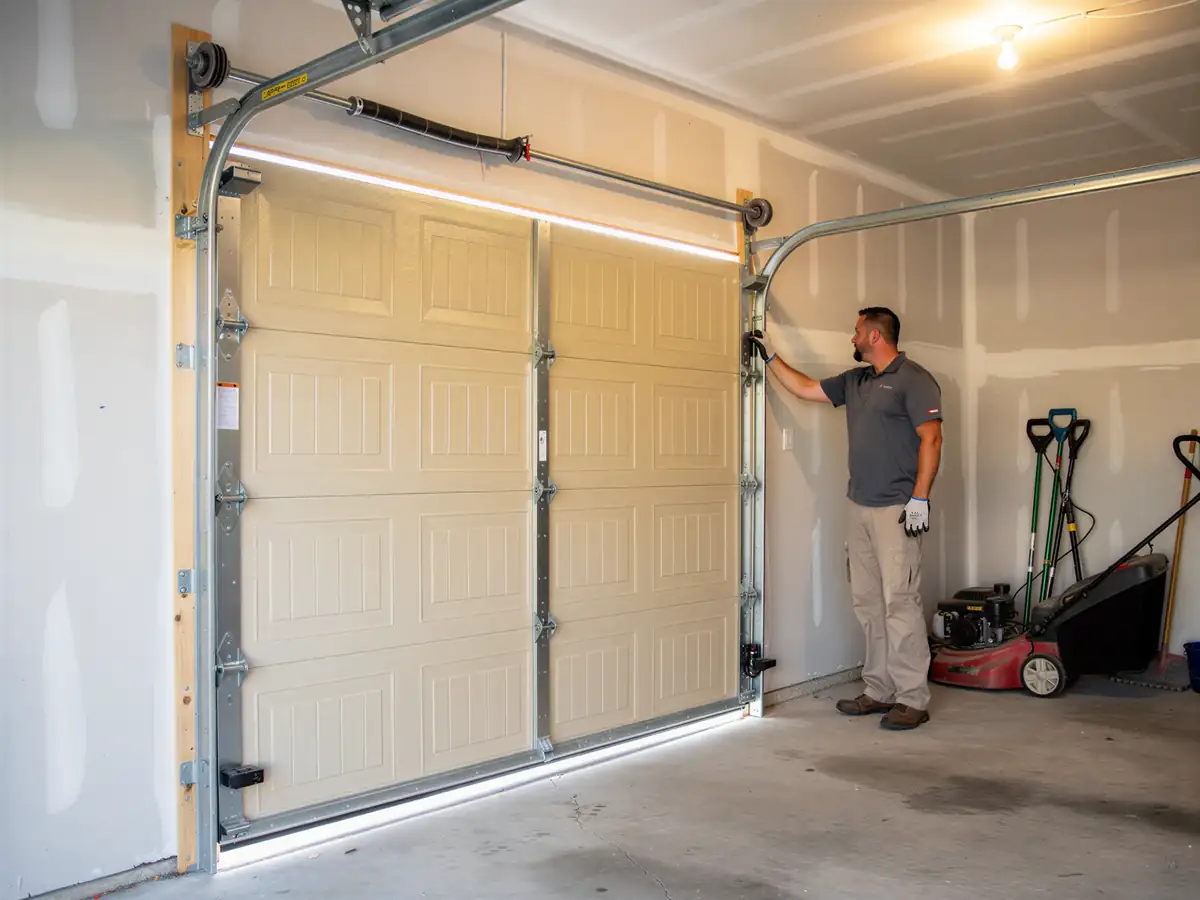
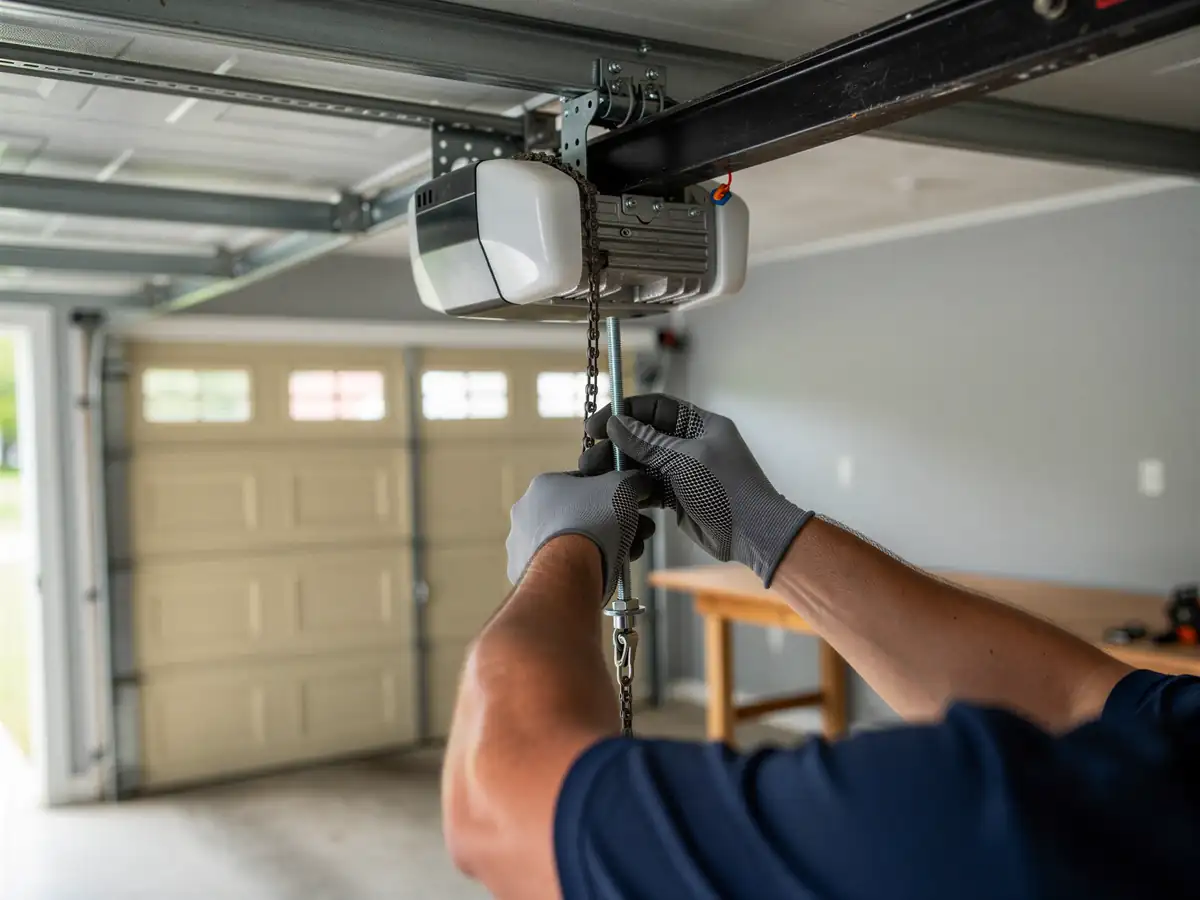
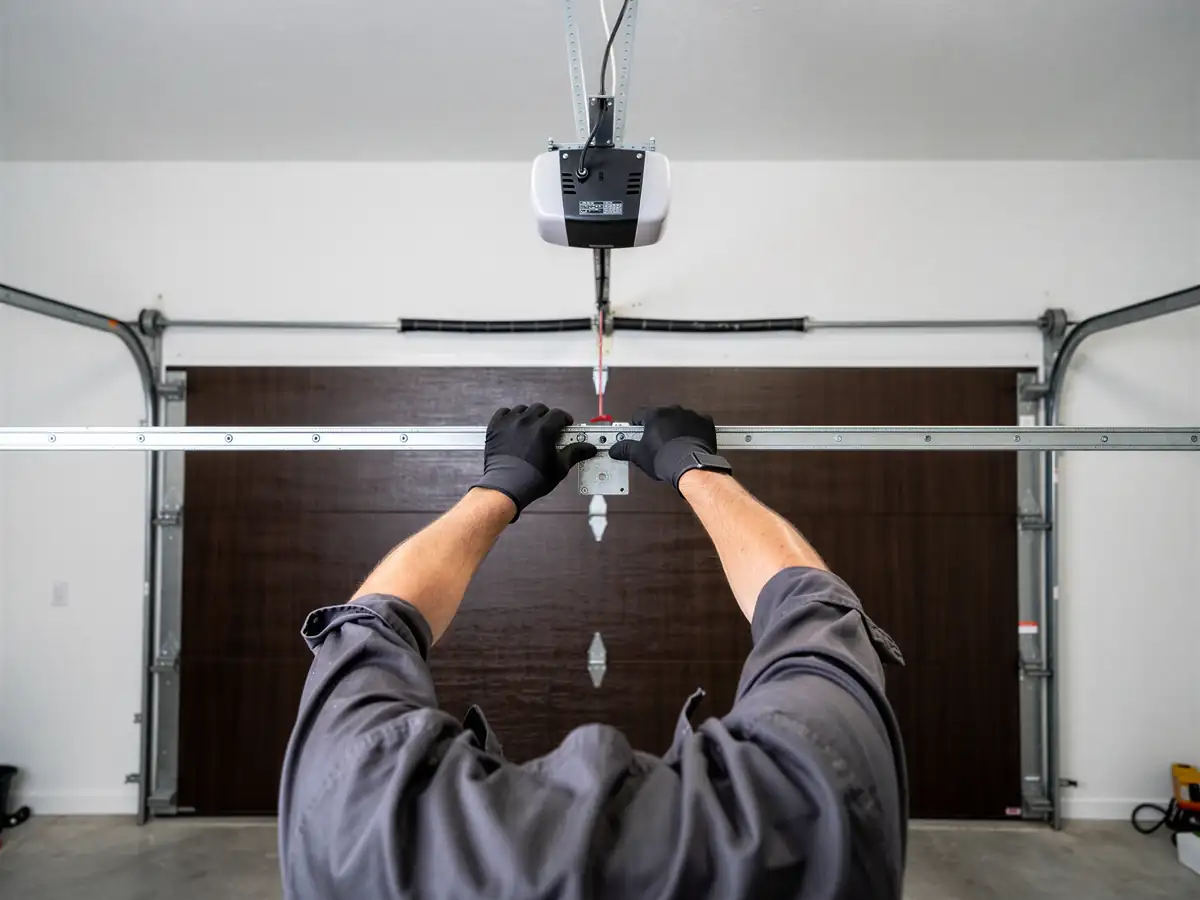
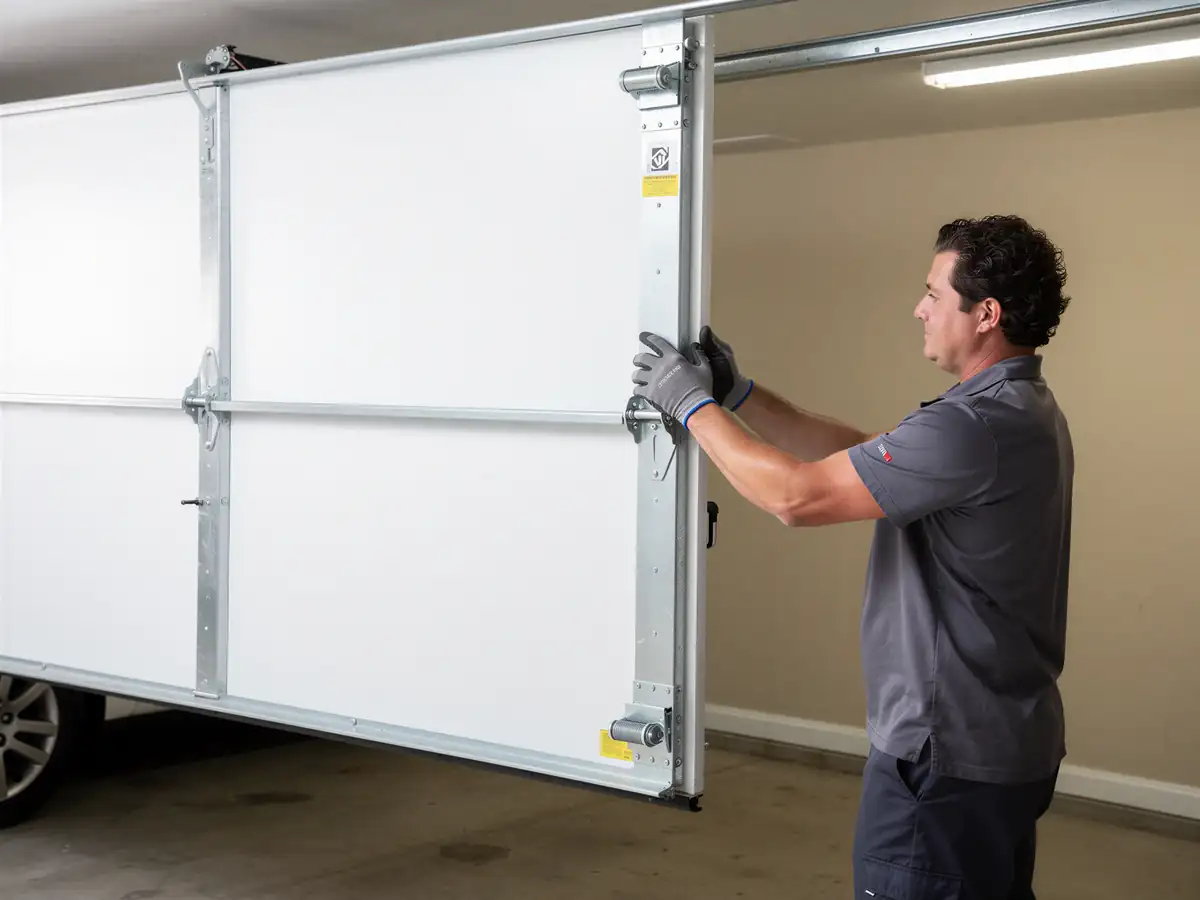
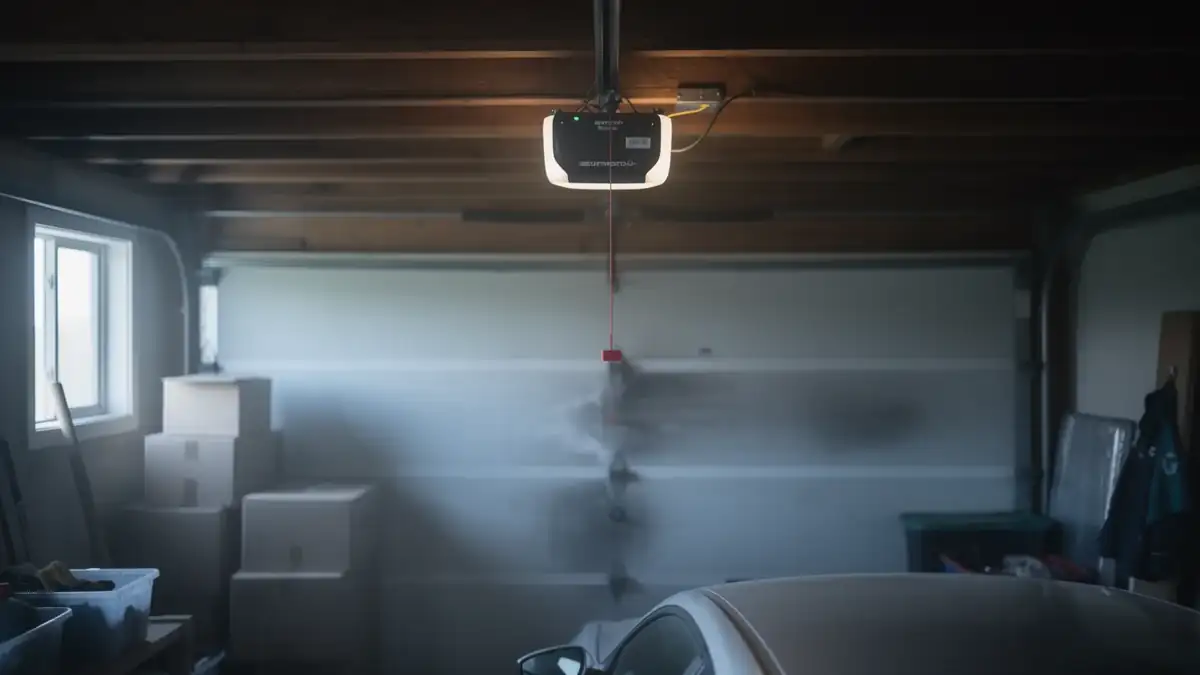
Start with the manual release, the red cord hanging from the trolley. If you've never pulled it, do it once before you need it, not during an outage in the dark. Next, check whether your opener has any kind of battery backup at all - a lot of units installed in this area's 1980s and 90s housing stock predate that feature entirely, so don't assume yours has one just because it's not ancient. Open the breaker panel and confirm which circuit feeds the garage; in houses from this build era it's often shared with something else, and a tripped breaker during a storm can look identical to a dead opener. Check the door balance by disconnecting the opener and lifting by hand - a door that's hard to lift by hand will be harder on a backup battery or a hand crank than it needs to be. Last, look at weatherstripping at the bottom panel. Cold contracts the rubber and opens gaps that let drafts in, which isn't an opener issue but it's the same trip to the garage, so check it while you're there.
When It Stops Being a DIY Job
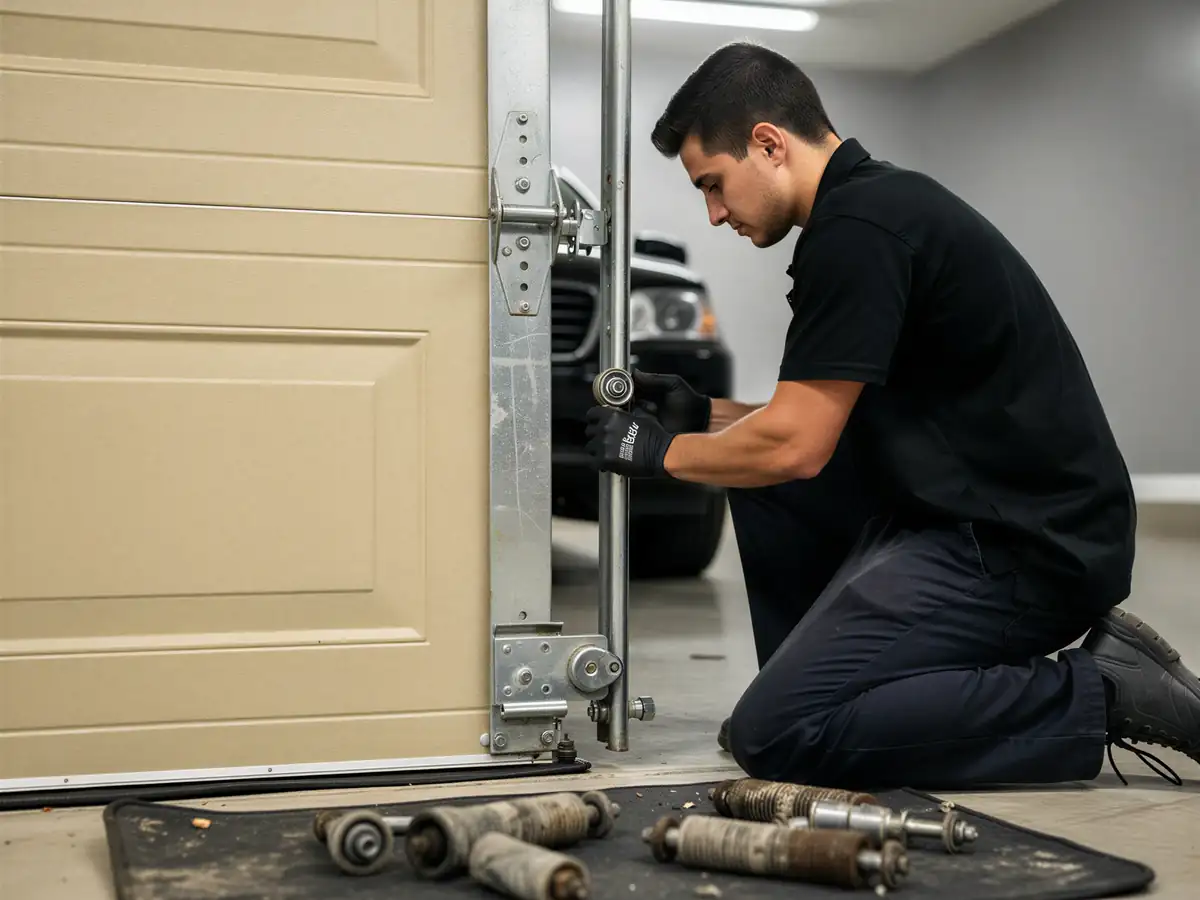
Pulling the manual release and lifting a door by hand gets you through a short outage. It does not fix a burned-out motor, and it is not a long-term answer if your opener keeps tripping the breaker it shares with something else - that's an electrical question, not a garage door one, and we don't do panel work. If the opener is original to a house built in the 1964-1995 window and it's already shown one failure during a cold outage, replacing it with a unit that has battery backup is usually cheaper over time than repairing the same chain-drive unit twice more. We'll tell you when a repair isn't worth it rather than patch something that's going to fail again the next time the power drops. What we won't do is guess at a fix over the phone for a door we haven't seen - cold-weather spring and cable problems look similar from the driveway and aren't always the same repair once we're inside the garage.