The Symptom
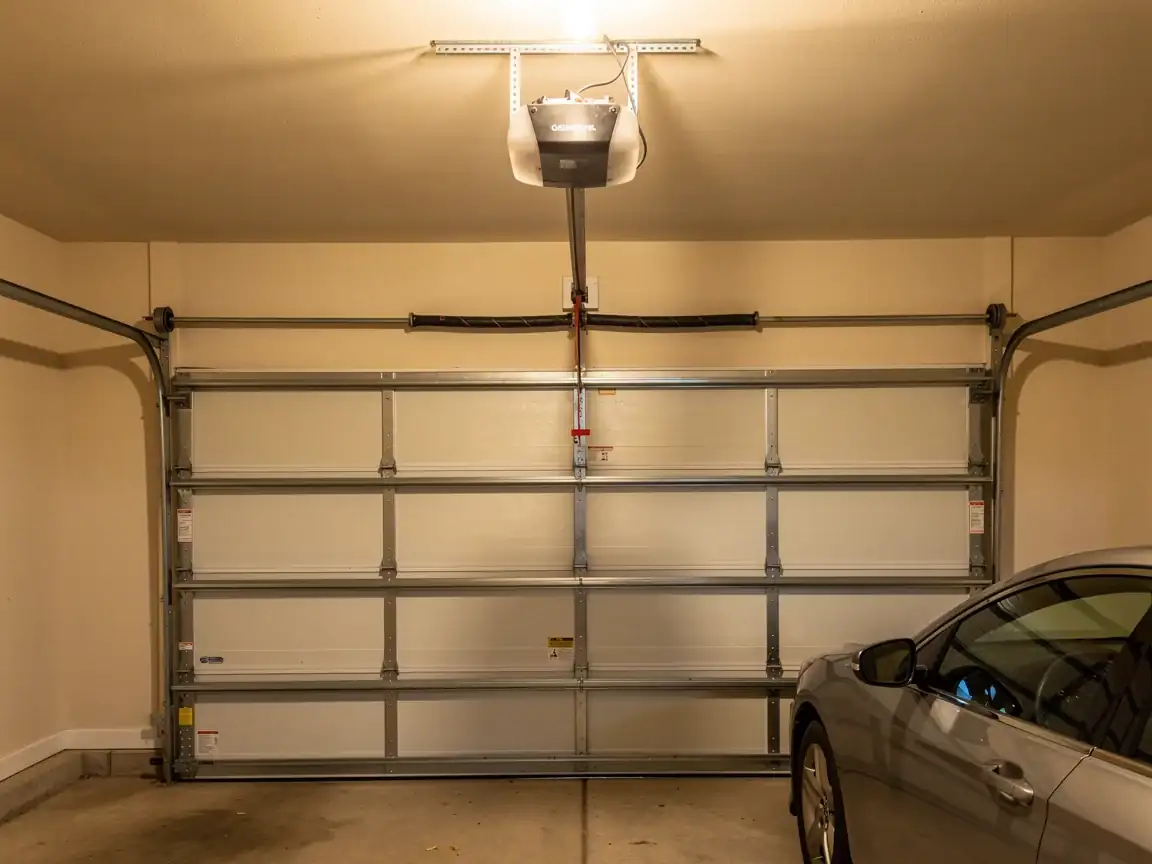
The opener hums but the door doesn't move, or it moves a few inches and reverses itself. Sometimes the light blinks a code and nothing else happens. Sometimes it just stopped responding to the remote one morning and the wall button does nothing either. These are the calls we get most on opener installs - not because someone wants a new opener for fun, but because the old one finally gave out after years of working the same chain or belt drive in a house built decades before smart openers existed.
Most of the housing across this service area went up between 1964 and 1995, with a lot of it dating to the 1980s and 90s across the four main pockets we work in. That means a big share of openers out there are the second or third unit installed since the house was framed, bolted to the same ceiling bracket, wired into the same outlet near the same stud. When one of these fails, it's rarely a surprise - it's a motor and gear set that's simply logged its hours.
The DIY Question
A lot of homeowners start by watching a video and buying a box-store opener. That's fine for some houses and a mistake for others. The part that trips people up isn't the mounting - it's matching the opener to the door, the header clearance, and the existing safety sensors, plus running power correctly in a garage that may not have had an opener circuit added since the house was built in the 70s or 80s.
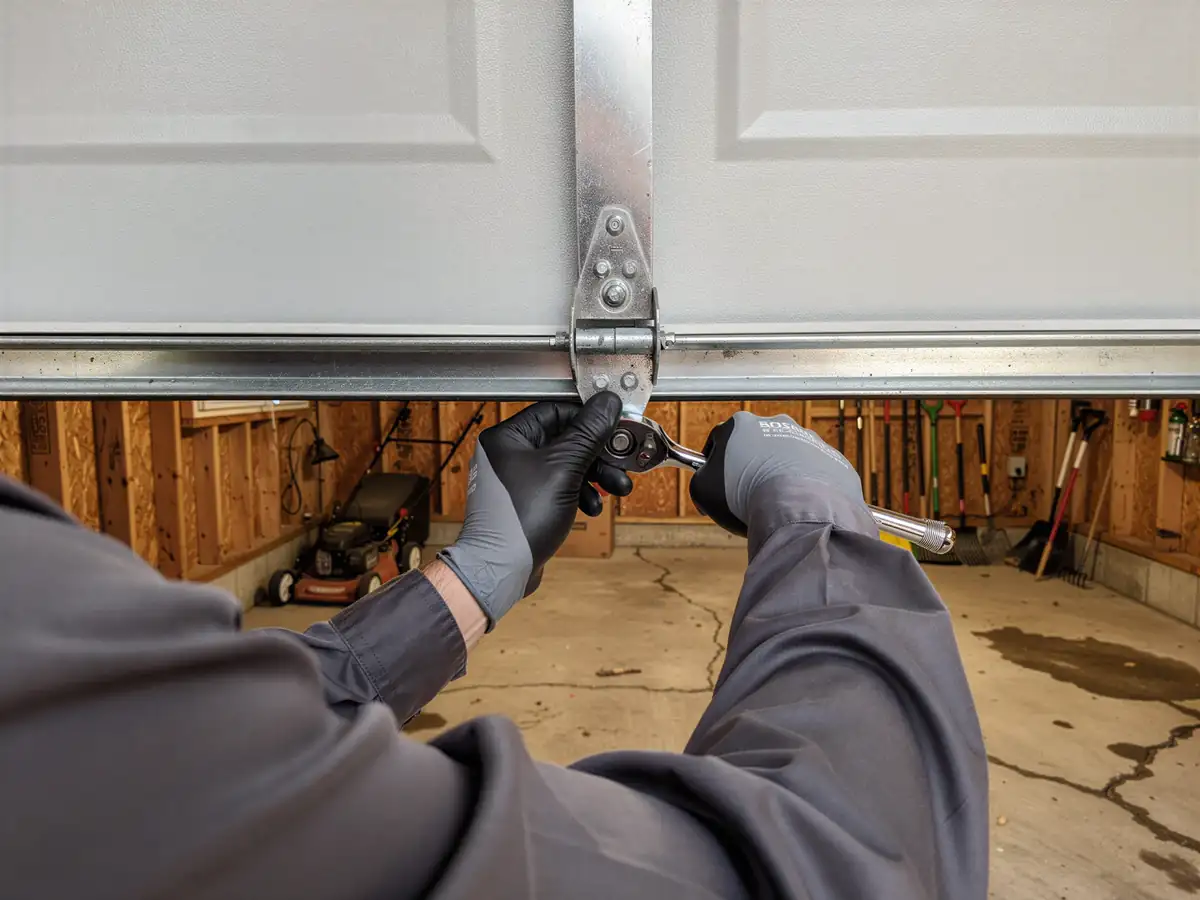
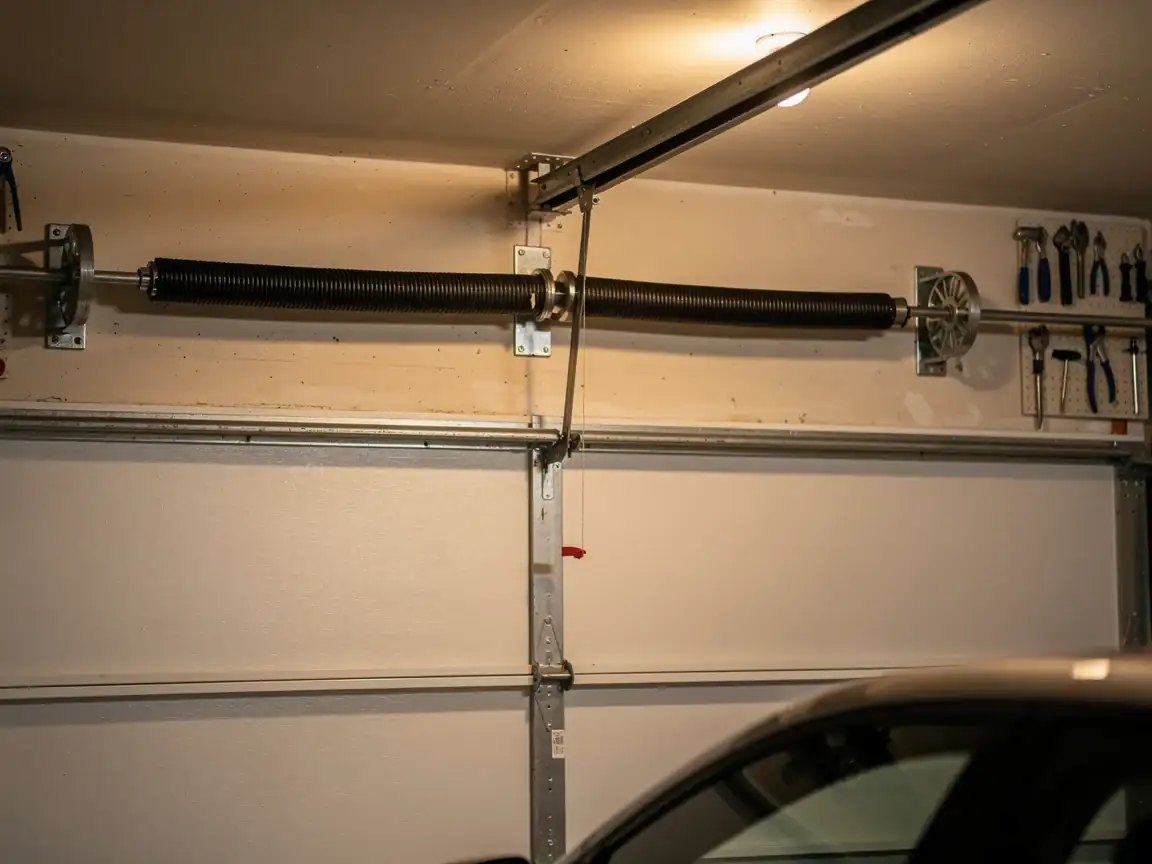
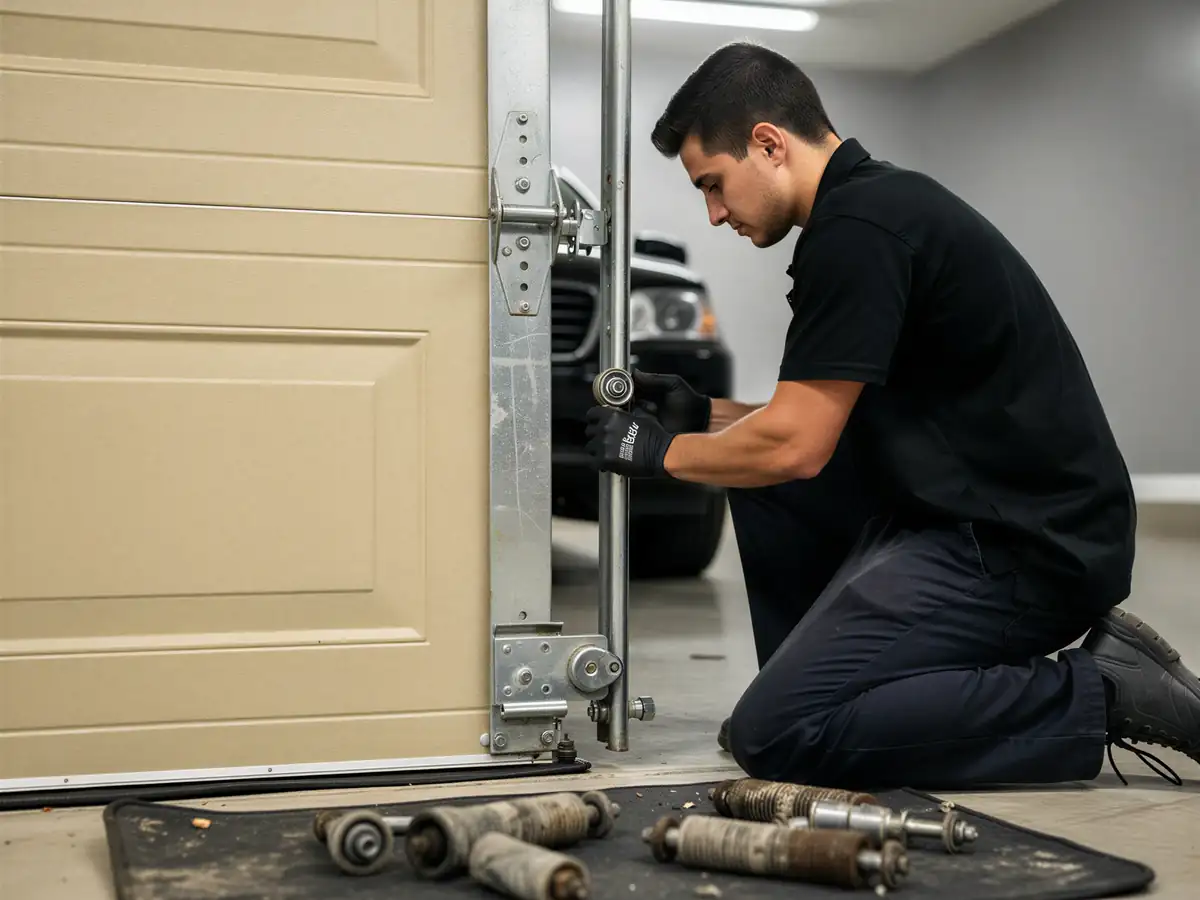
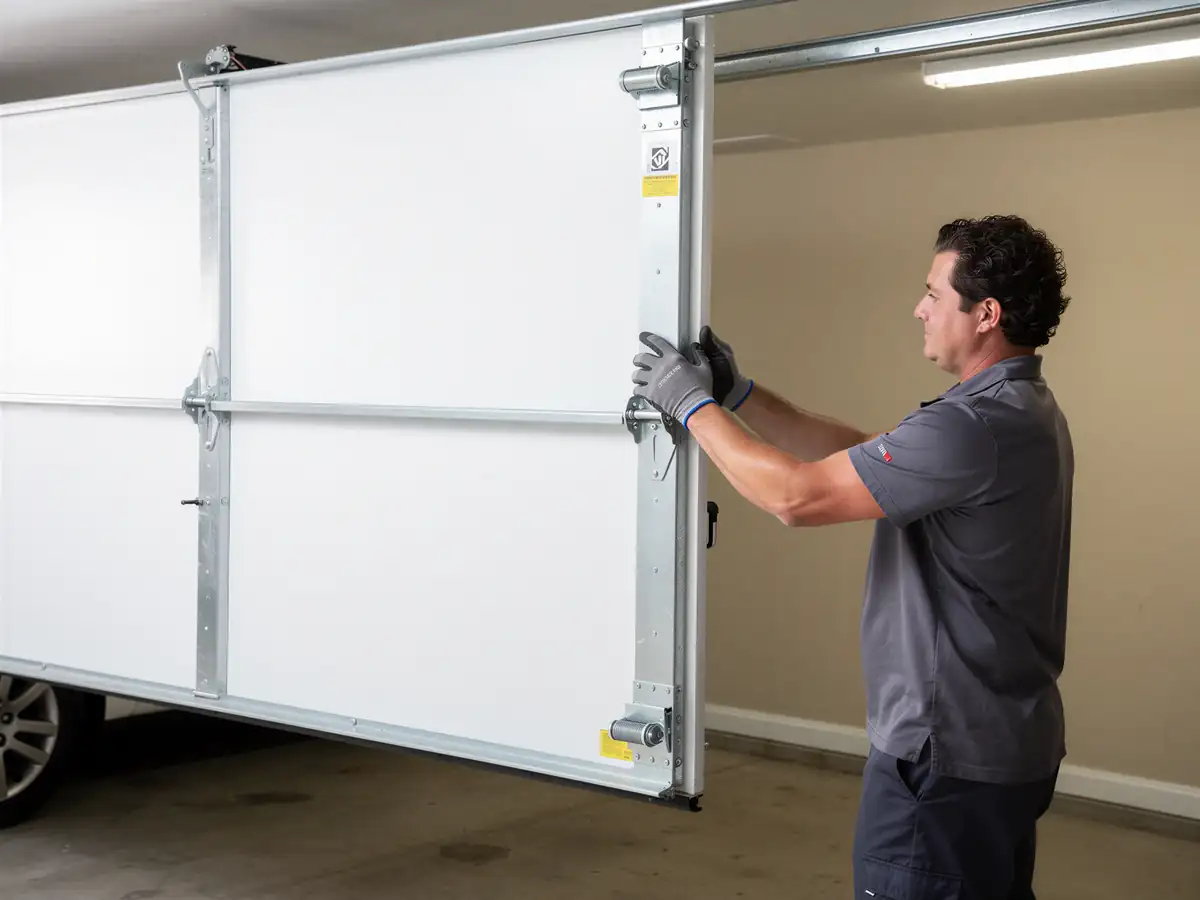
We'll be straight with you: if your garage already has a working outlet near the header and a door in good working order, a capable DIYer can get a basic chain-drive unit running in an afternoon. Where it gets expensive is when the old bracket, the rail, or the wiring doesn't match current safety standards, or when the door itself has spring or track problems hiding behind the opener failure. We won't install a new opener on a door that isn't mechanically sound first - that's a second job, not a shortcut, and we'll tell you if that's what you're looking at before we start.
What Causes It Around Here
Our winters are the real driver
This area sits in a severe cold climate band, and that cold is hard on opener motors and gear assemblies in a way milder climates don't see. Grease inside the drive gear thickens in sub-freezing temperatures, which makes the motor work harder on every cold-morning cycle. Over years, that extra load is what burns out gears and capacitors faster than the opener's rated life would suggest.
Add to that the age of the housing stock
Most homes in the 1964-1995 build range have garages that were never insulated or heated, so the opener sits in whatever the outside temperature happens to be. A unit rated for a conditioned space gets pushed harder here than it would in a heated garage. That's a pattern we see across the roughly 3,950 owner-occupied houses in this service area, not a one-off.
- 3,950 owner-occupied
What the Repair Takes
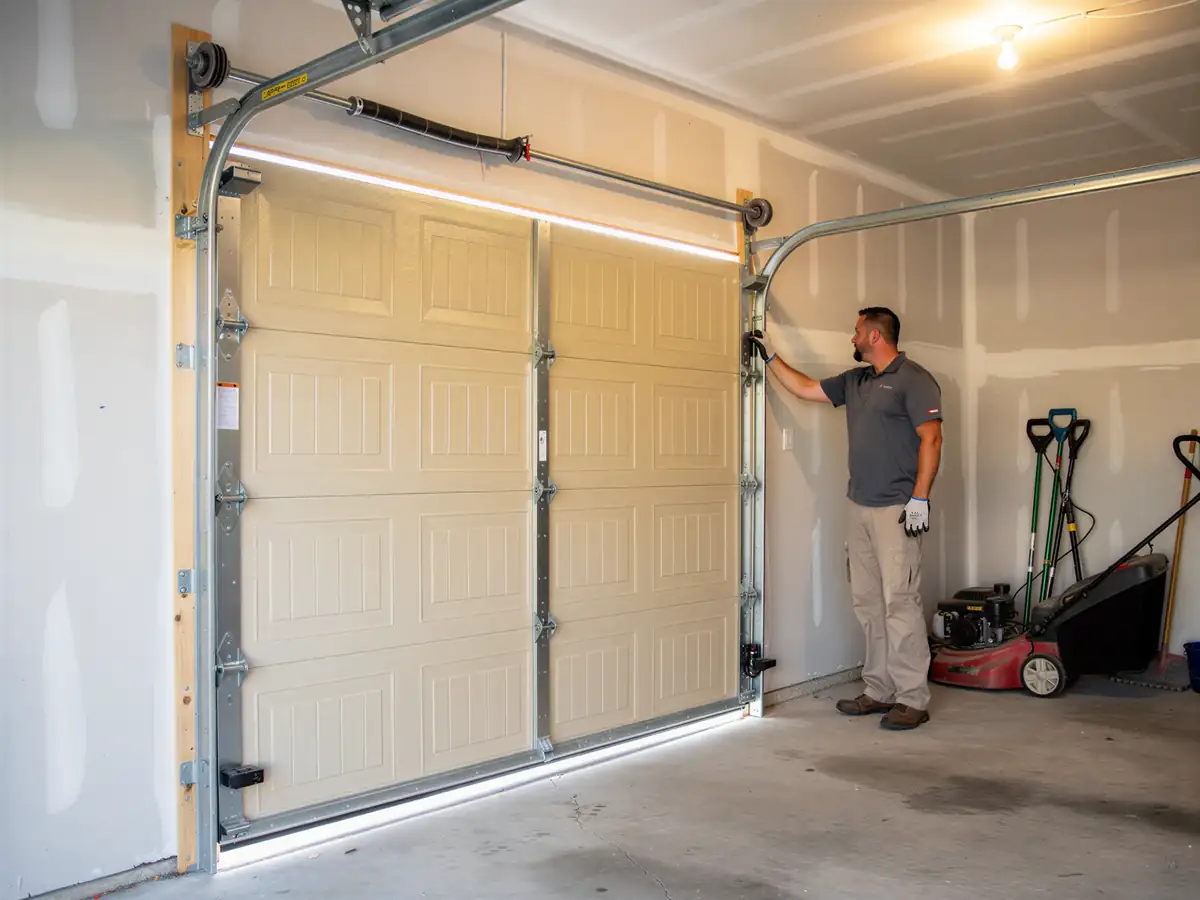
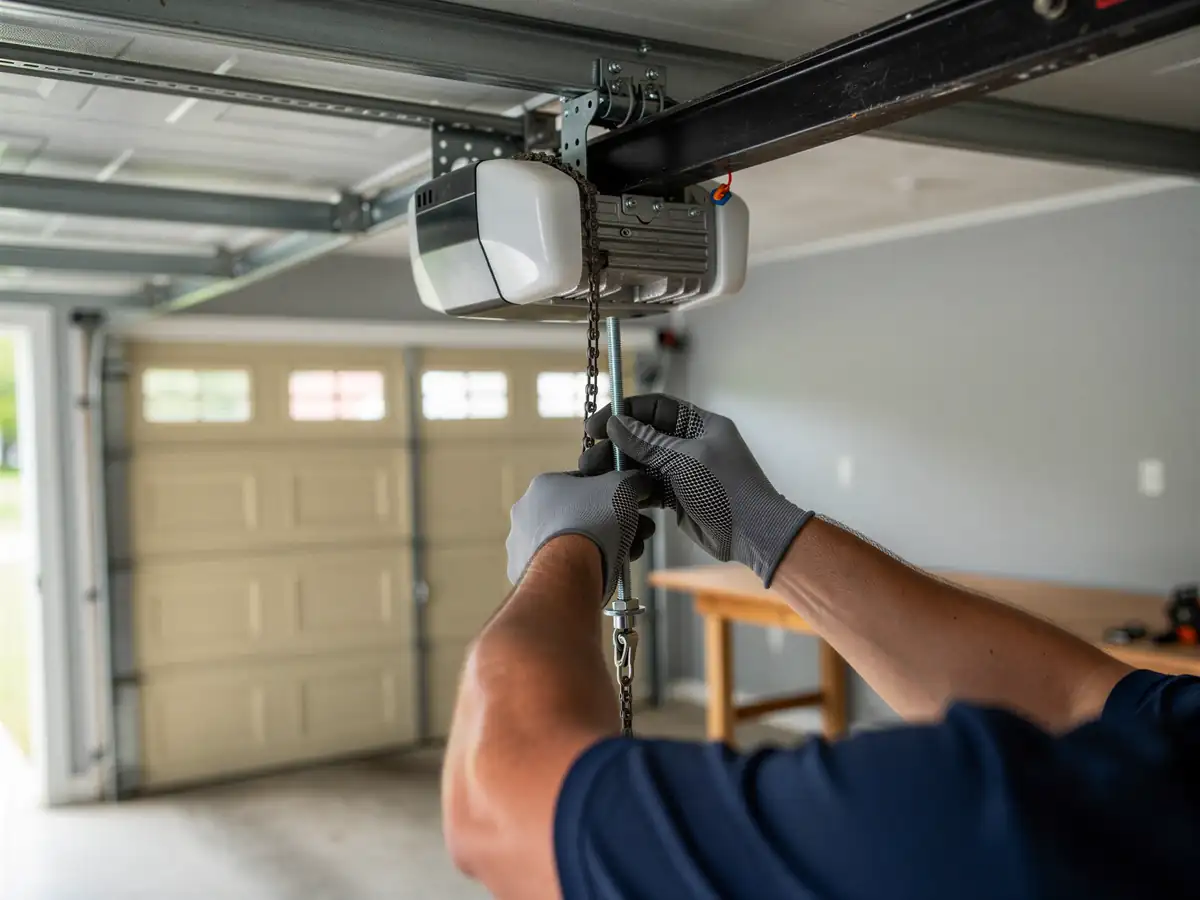
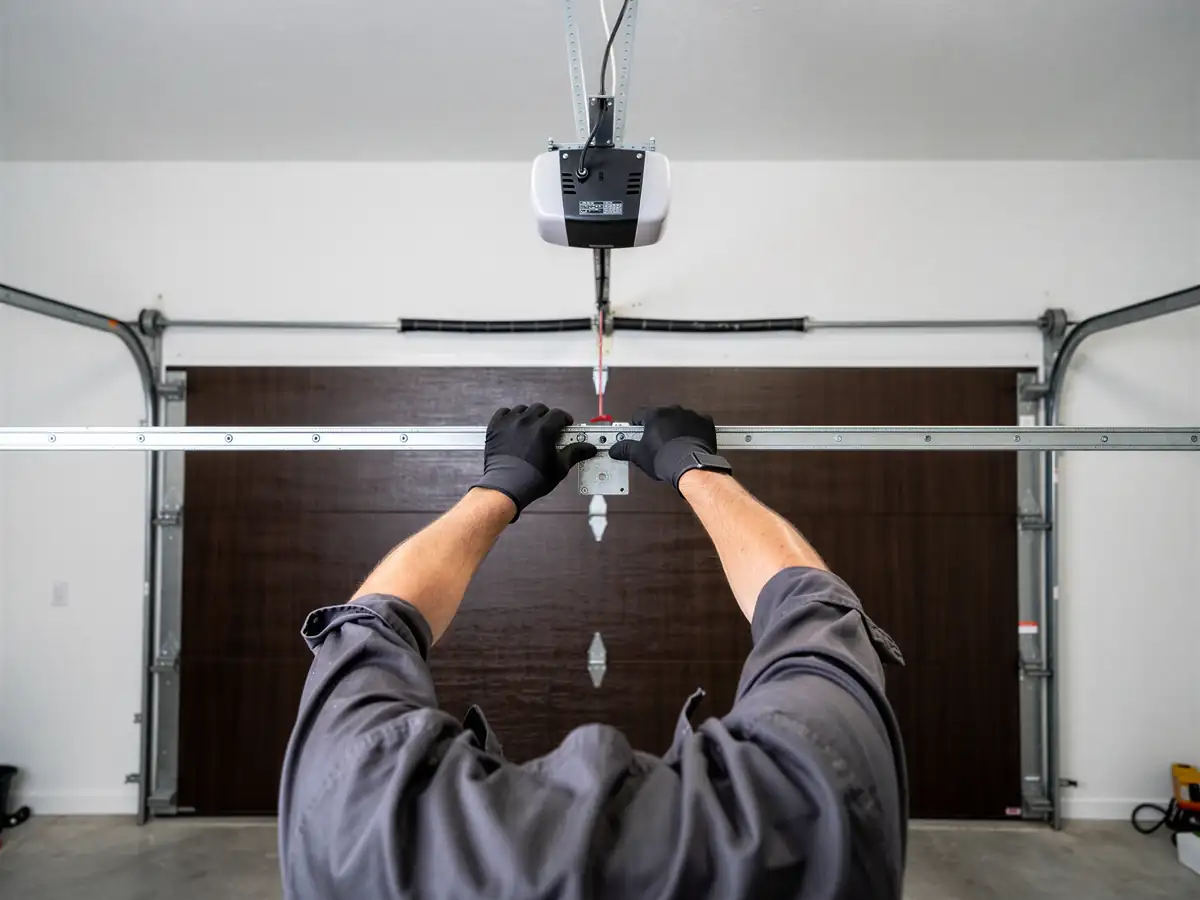
A straight opener swap - same mounting points, working sensors, sound door - usually takes a couple of hours on site. Add in rewiring an outdated outlet, replacing a damaged header bracket, or reworking safety sensor alignment on an older door, and the job runs longer. We size the opener to the door's weight and height rather than just matching horsepower numbers on a box, since a lot of older doors in this area are heavier than what a basic unit is built for.
With a median household income of $66,000 across the service area, we try to spec openers that make sense for the house rather than upselling features nobody asked for - battery backup and smart-phone control are worth discussing, but they're optional, not required to get a door working safely again.