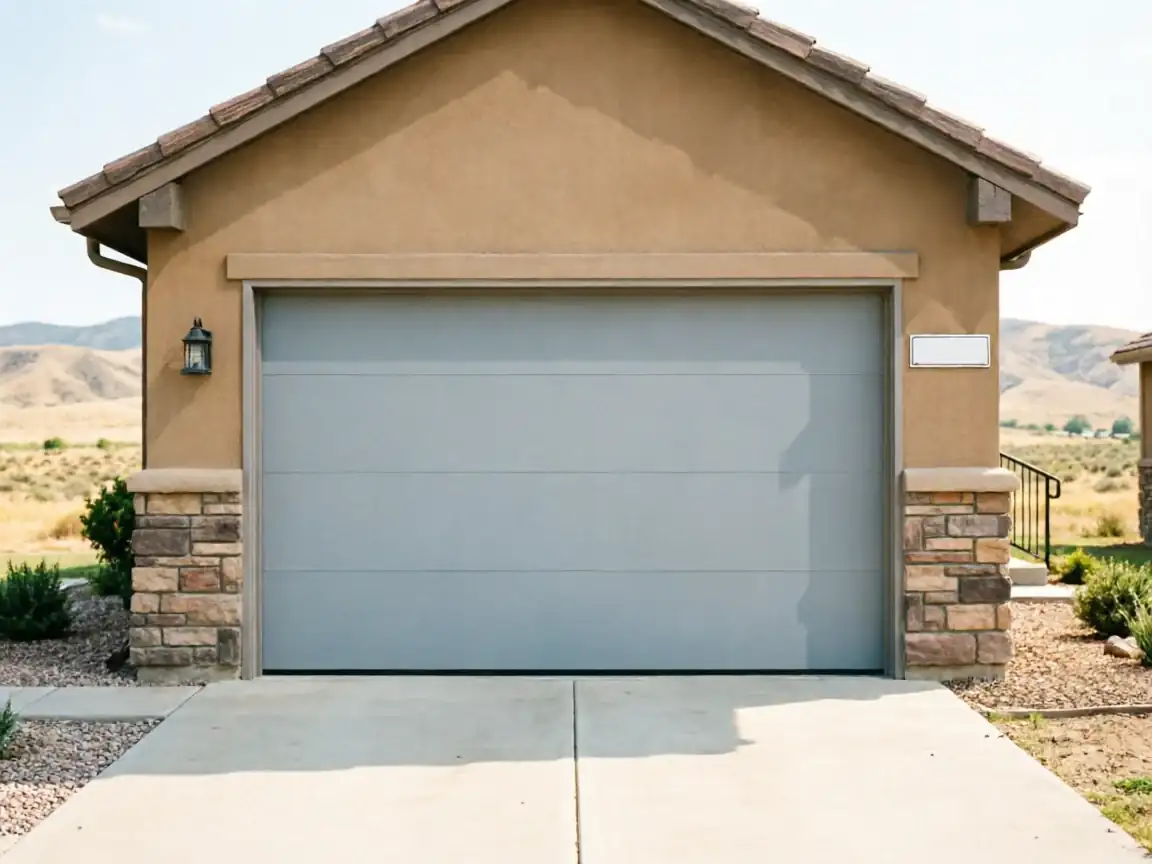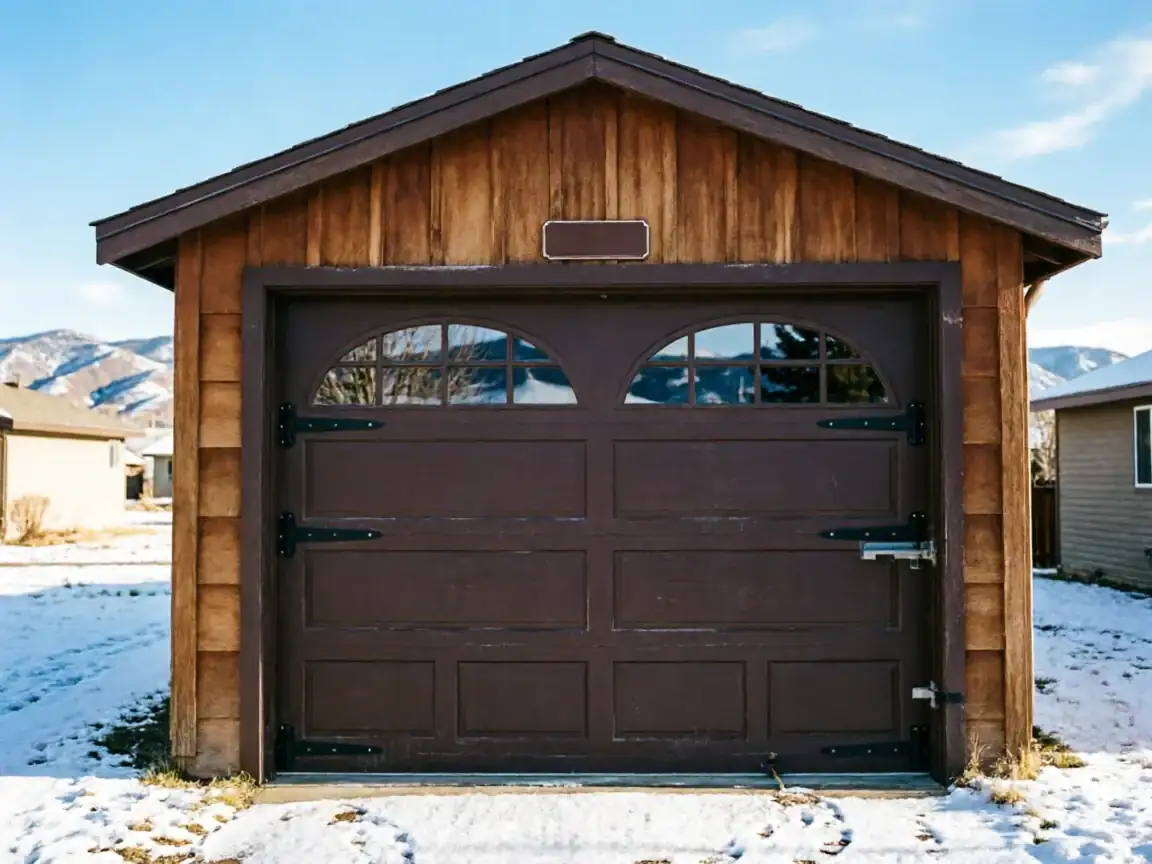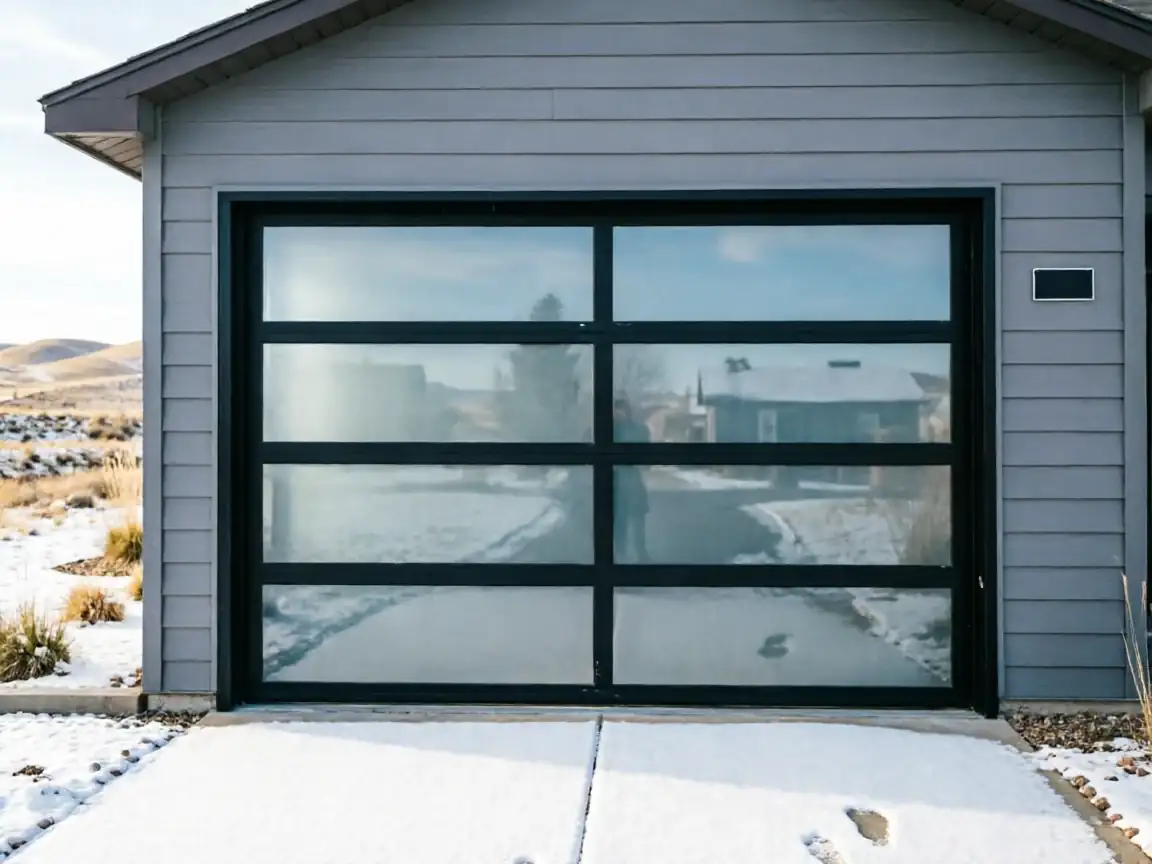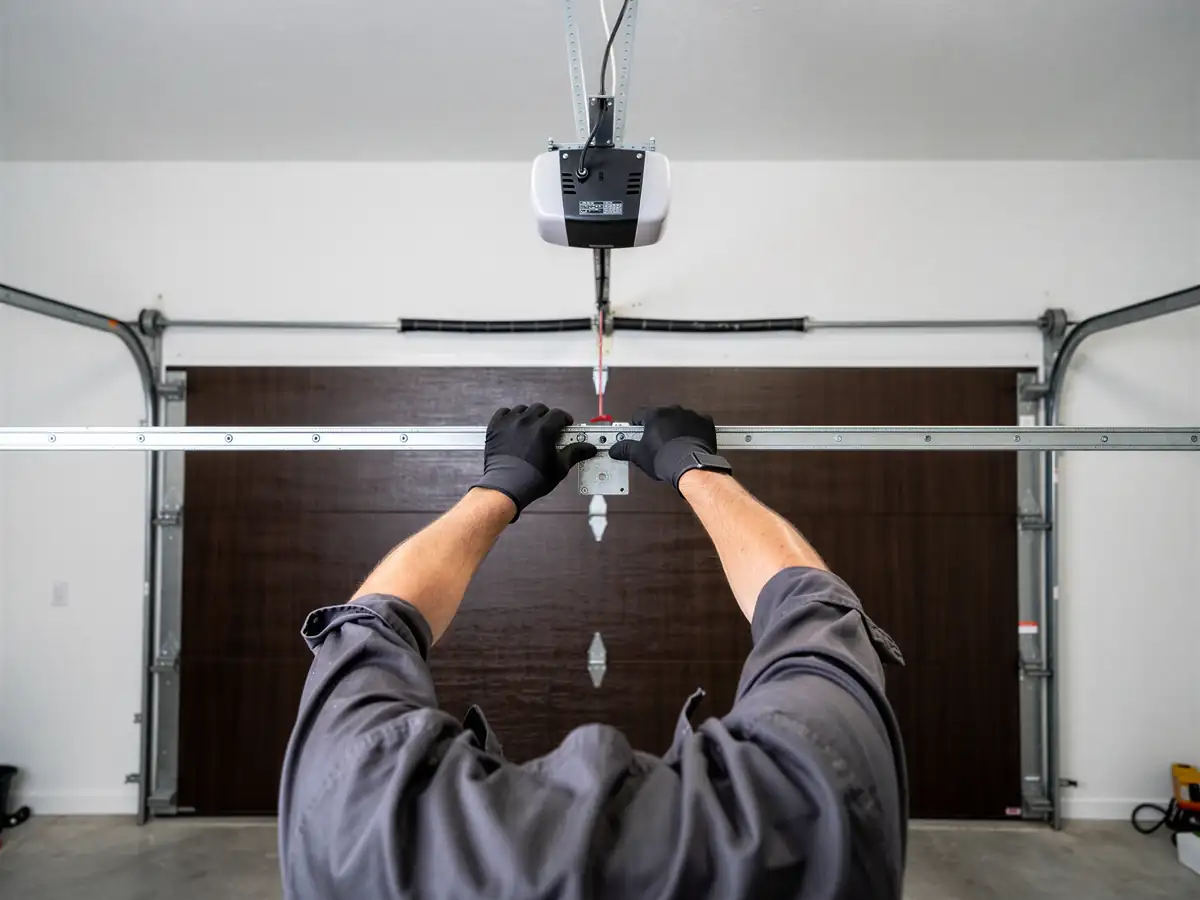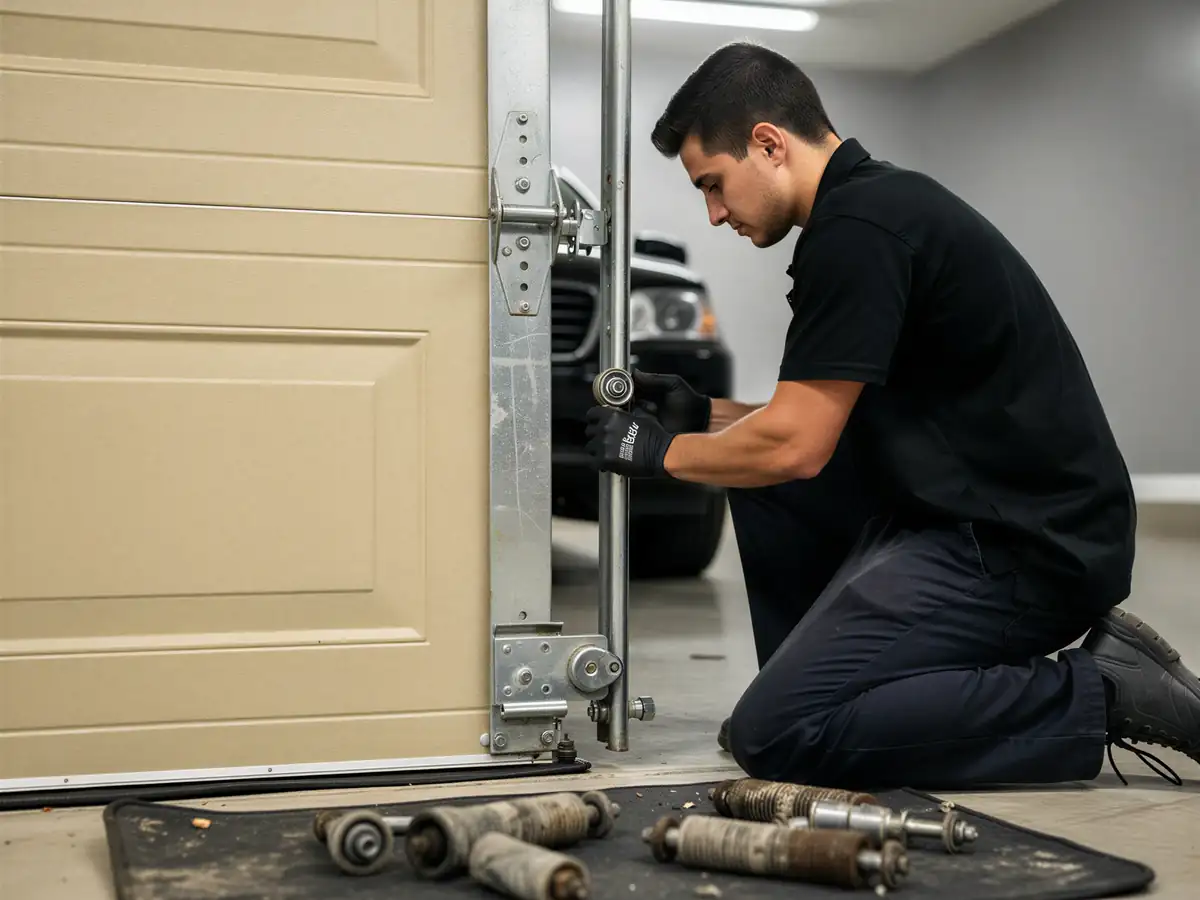
Parts We Carry
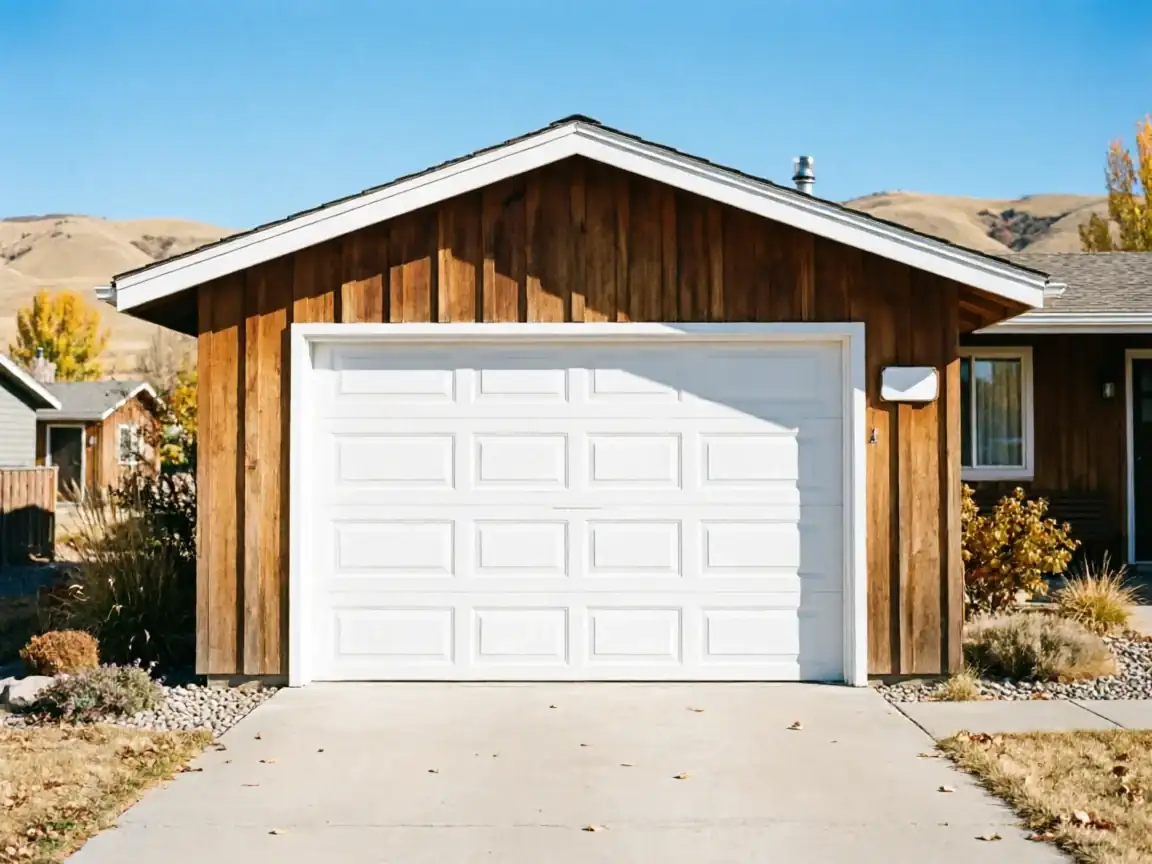
Aberdeen's housing stock centers on 1964, the early edge of the service area's 1964-to-1995 build window. That matters for what's actually bolted to your garage right now. A door from that era is almost always a single layer of steel or an old wood panel door, hung on hardware that's never been swapped because nobody noticed a reason to - until a spring lets go or a panel buckles.
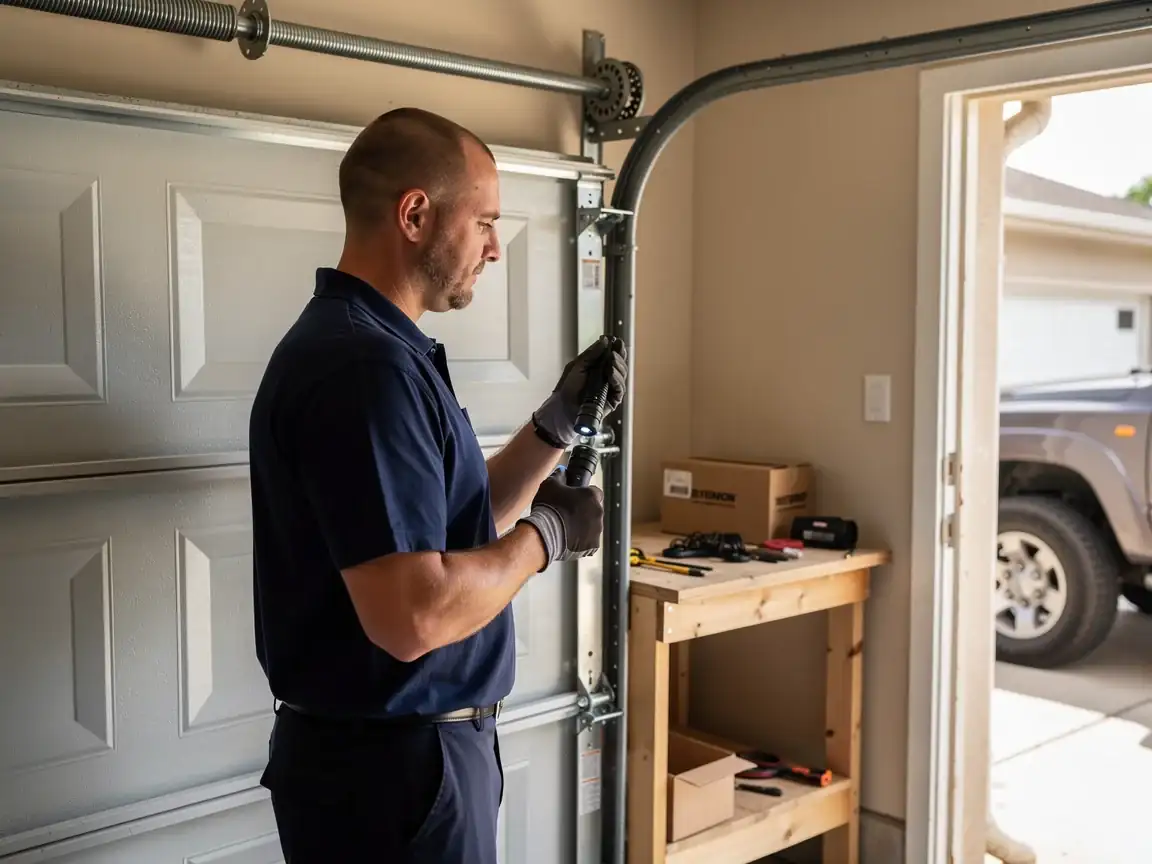
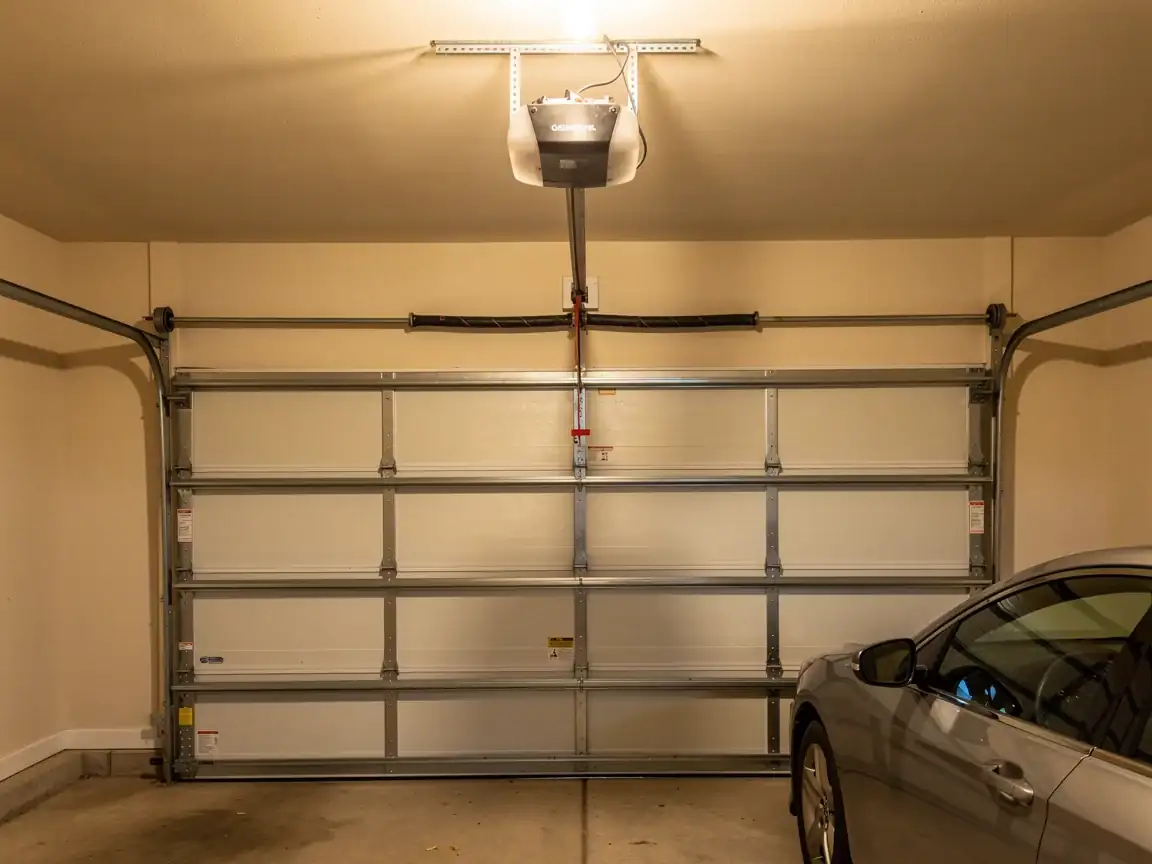
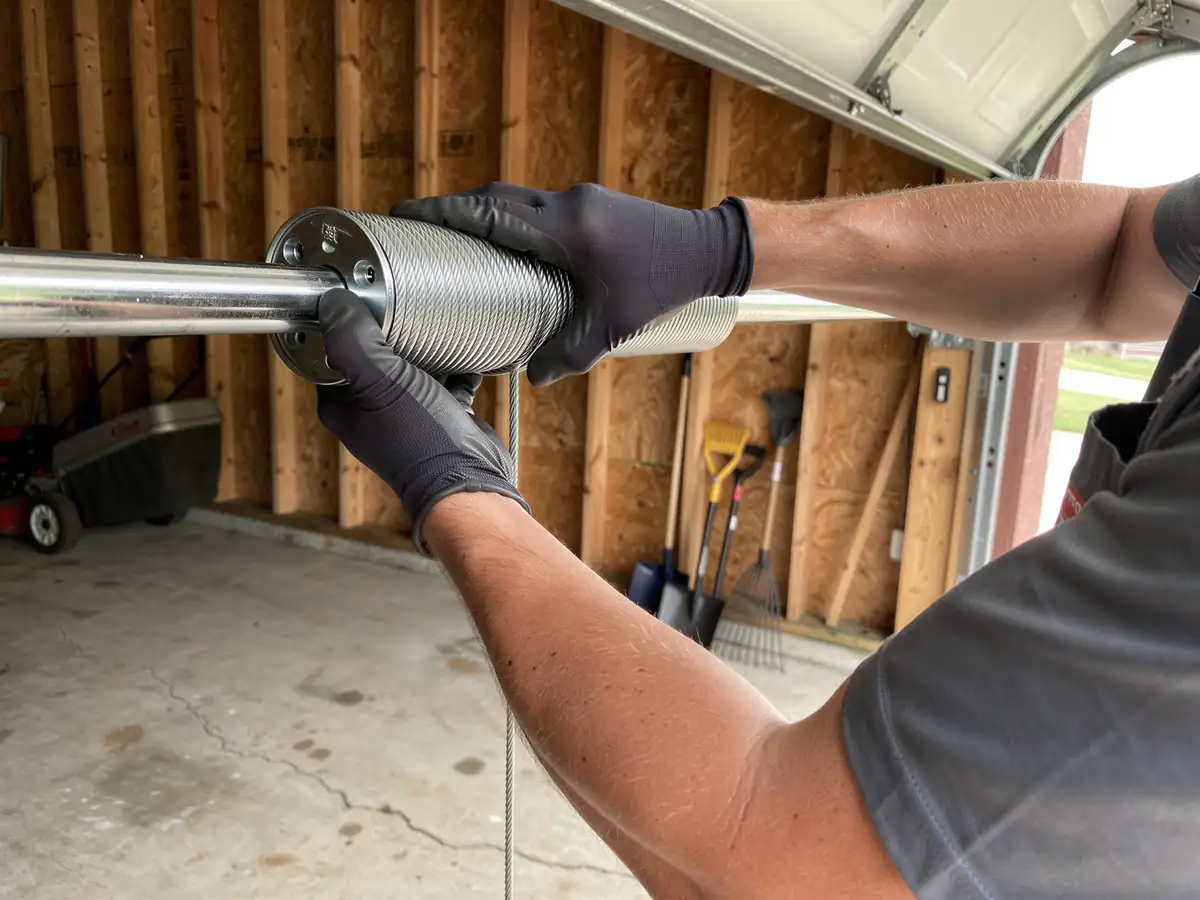
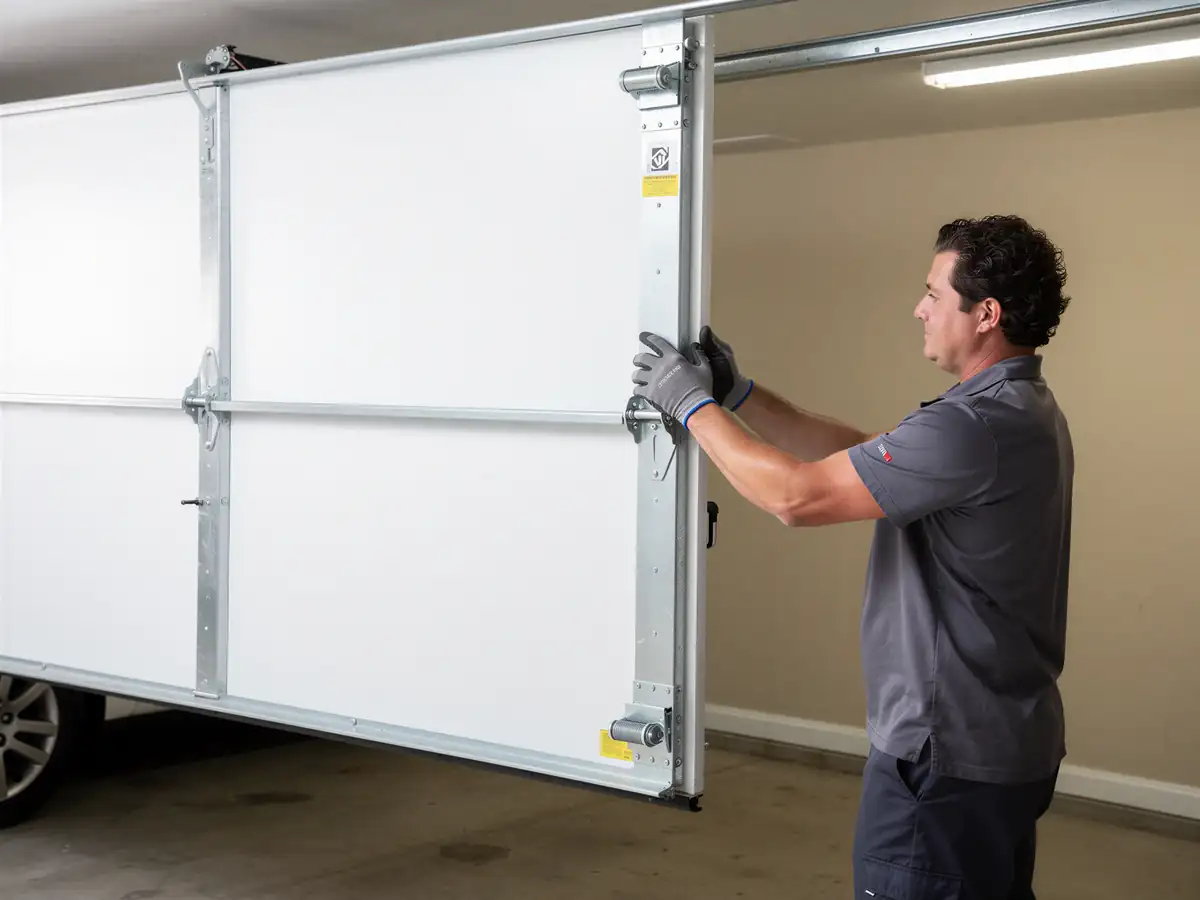
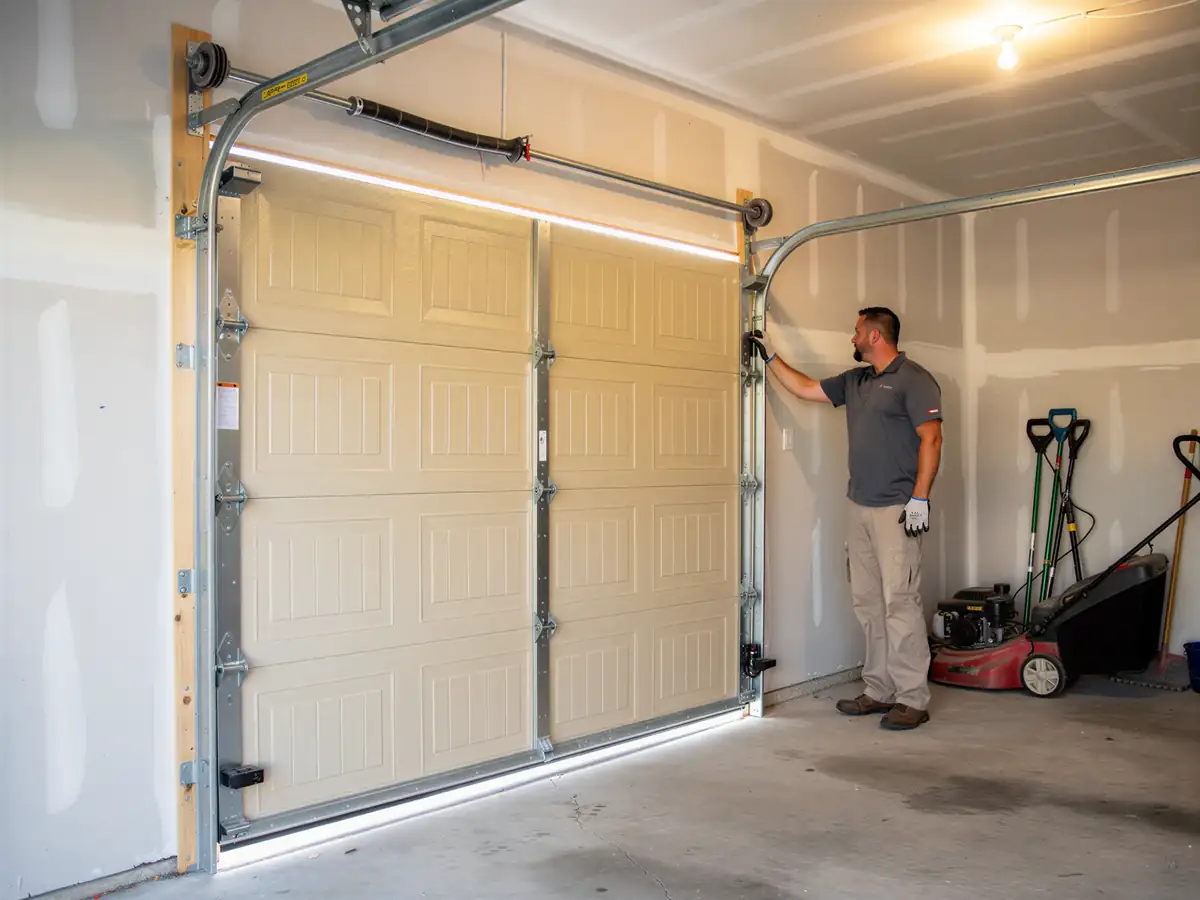
We stock torsion springs sized for the heavier doors common to that build period, along with standard 16x7 and 9x7 steel sections in insulated and non-insulated options. Given the cold-severe climate this region sits in, we lean toward double-layer steel with a polystyrene or polyurethane core rather than the single-skin doors that shipped standard when these houses went up. Openers get a straightforward swap too: anything from 1964 predates modern photo-eye safety reversal by decades, so a new install always includes that sensor pair, not as an upsell but because code requires it now.
We don't carry every custom panel style on the truck. If your opening is a non-standard size - which happens more on older framing than newer - that part gets special-ordered, and we'll tell you the lead time before you commit to the job.
What It Costs
We don't post a flat number for Aberdeen installs because the job varies with door size, insulation level, and whether the opener needs replacing too. What we can tell you is how we think about it locally: Aberdeen's median household income runs $67,813, a bit above the wider service area's $66,000, and that gap shows up in the conversations we have on site. More owners here ask about the better steel gauge or the quieter belt-drive opener up front, instead of defaulting to the cheapest unit on the shelf.
We price the job after we see the opening and the condition of the track and jambs, not off a phone call. On a house built around 1964, there's often a second cost hiding behind the first - rotted jamb wood or a header that's shifted slightly out of square over sixty years - and we'd rather quote that honestly on site than surprise you after the door's already hung.
How to Book
We run out of Pocatello, and Aberdeen sits 20 miles out
So we schedule these as a dedicated trip rather than squeezing one in between closer jobs. That means booking a day or two ahead gets you a tighter window than calling same-day and hoping we're already headed that direction.
- 20 miles
When you call, tell us the door size, whether it's single or double
And roughly how old the house is - the 1964 build year is common enough here that it's a useful shorthand for what hardware we should bring. We'll ask a few more questions about the opener and headroom before we lock in a date, since those details change what's on the truck.
Where This Job Goes Sideways
With 693 households in Aberdeen, the installs we do here cluster around a handful of door styles tied to that 1964 wave of construction, which actually makes some parts of the job predictable. What throws a wrench in it is almost always the framing, not the door. Sixty years of settling can leave a jamb slightly out of plumb, and a brand-new door hung square on a frame that isn't will bind, drag, or wear a roller track early.
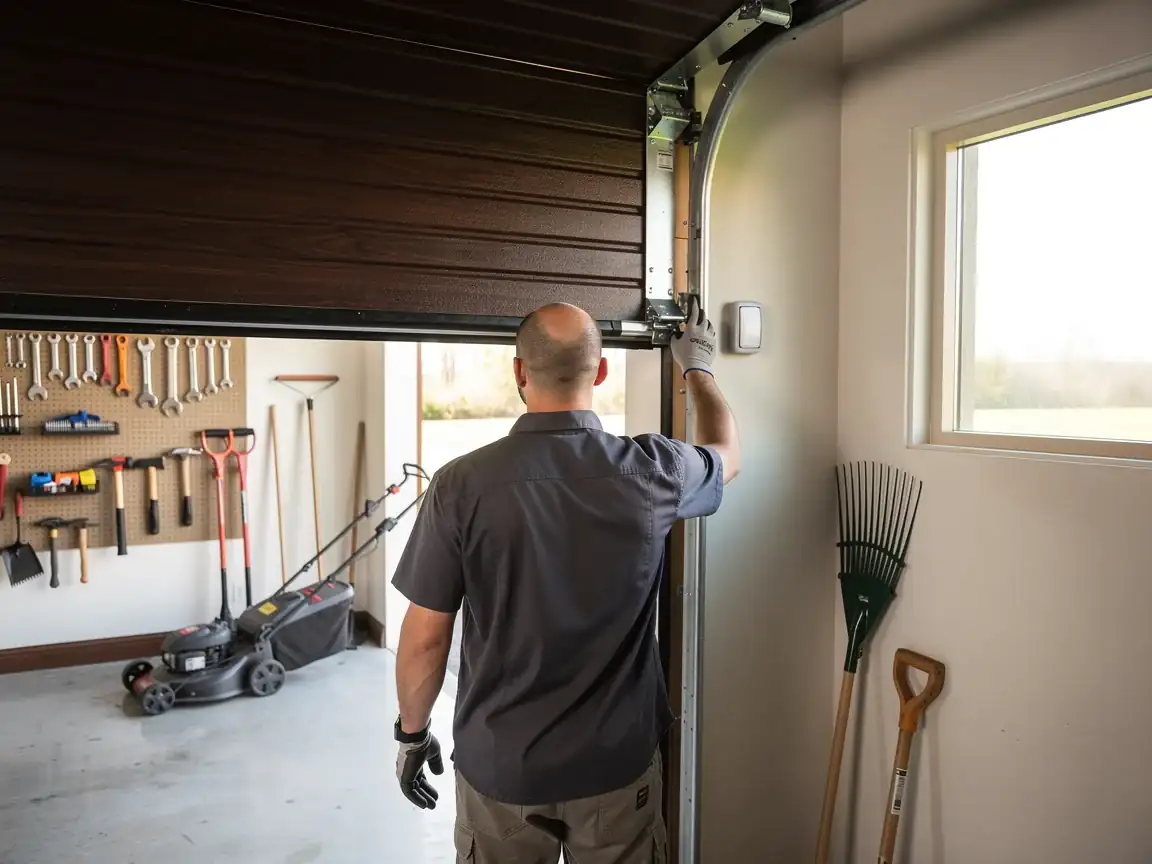
The other spot where these jobs slow down: original torsion hardware sized for a heavier old wood door doesn't always match the spring tension a lighter modern steel door needs. Reusing old springs on a new door is a shortcut that costs you a callback later, so we replace that hardware as part of the install rather than leaving it in place to save a line item.
We won't force a standard-size door into an opening that was framed oversized or undersized for its era - that's a custom order, and it adds time to the job. We'd rather tell you that up front than hand you a door that doesn't fit right on install day.