What the Repair Takes
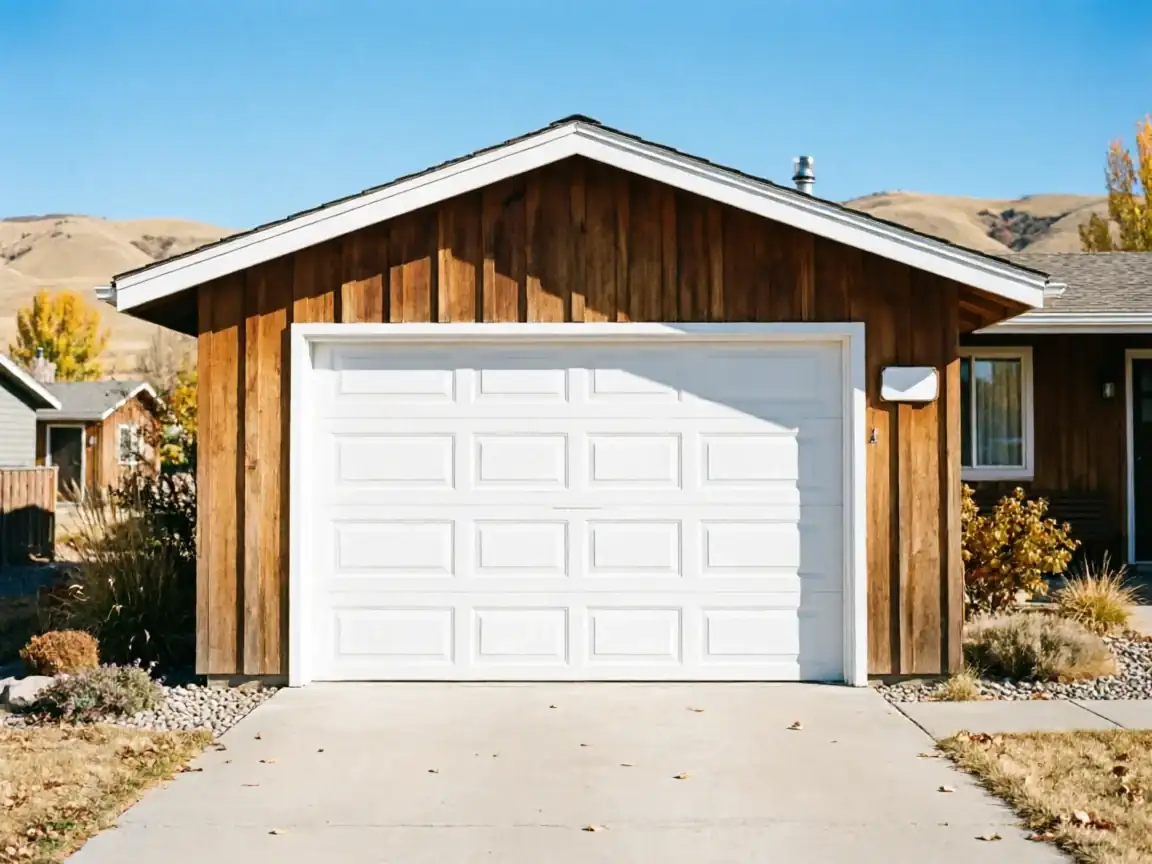
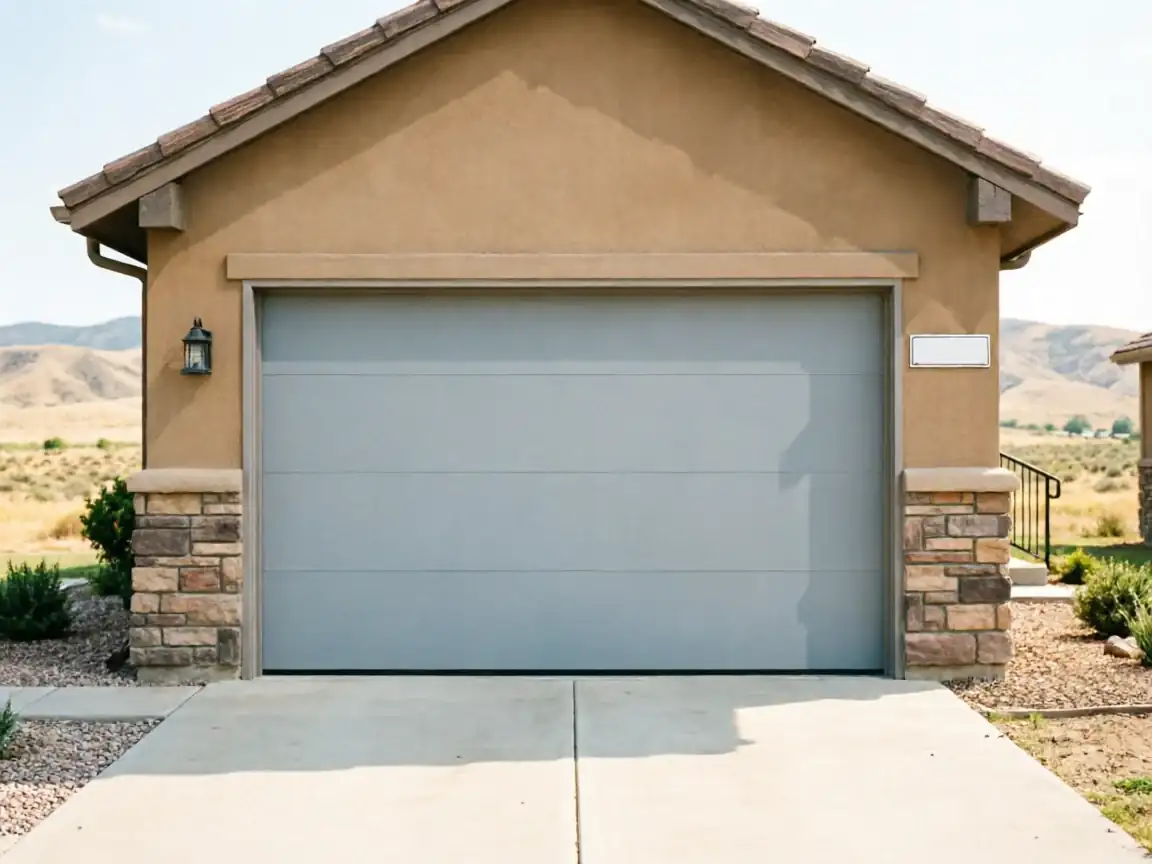
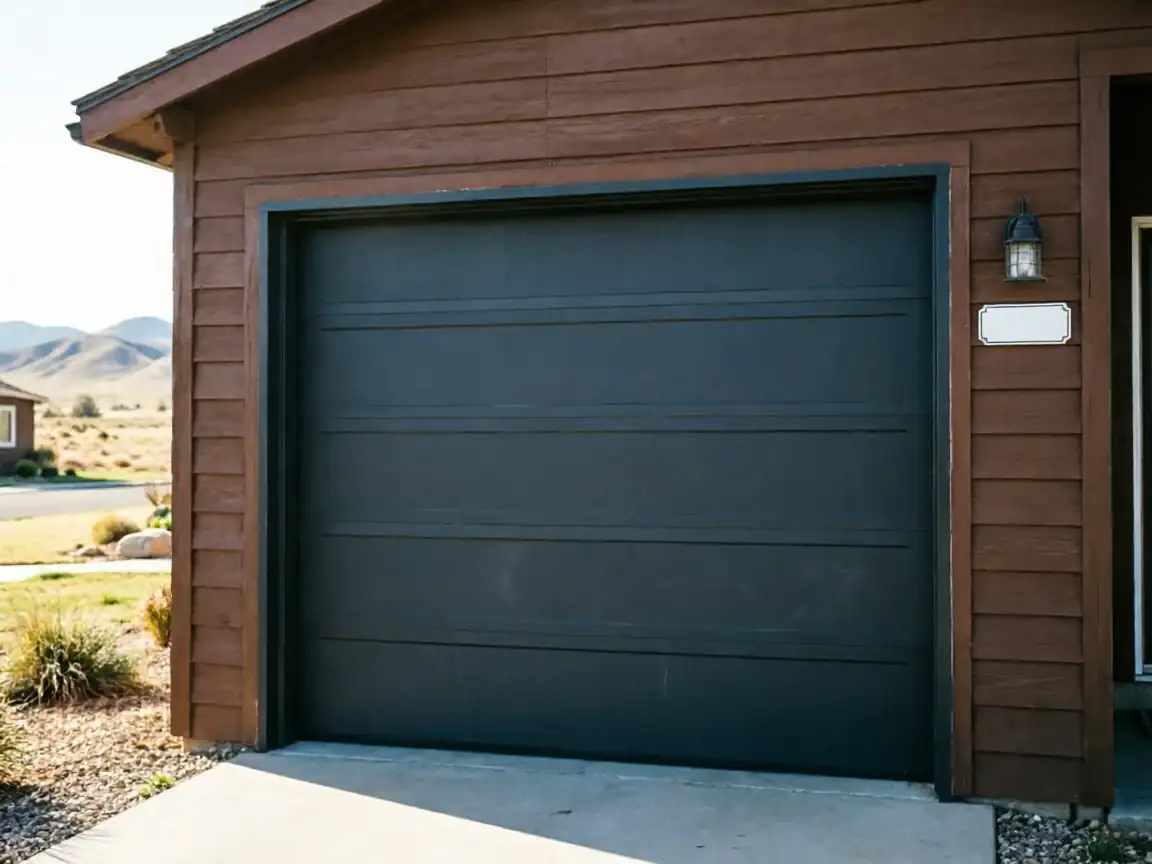
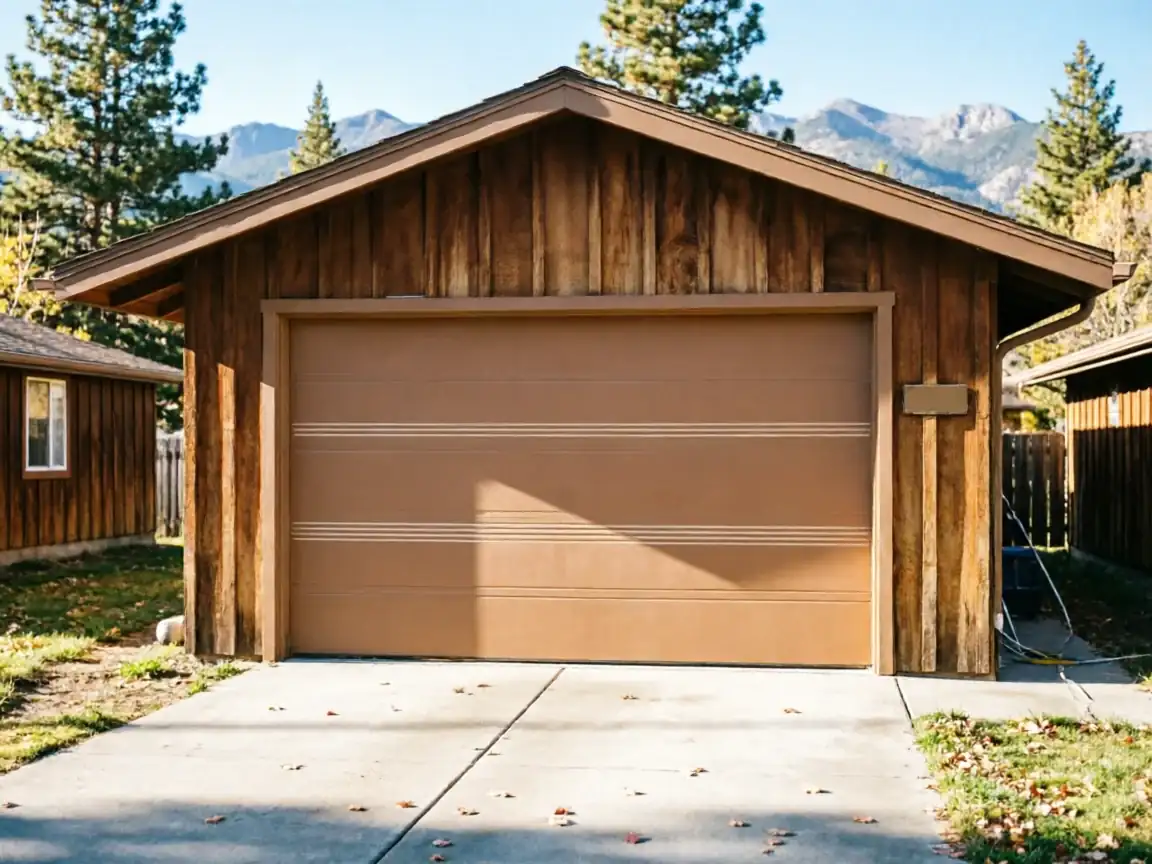
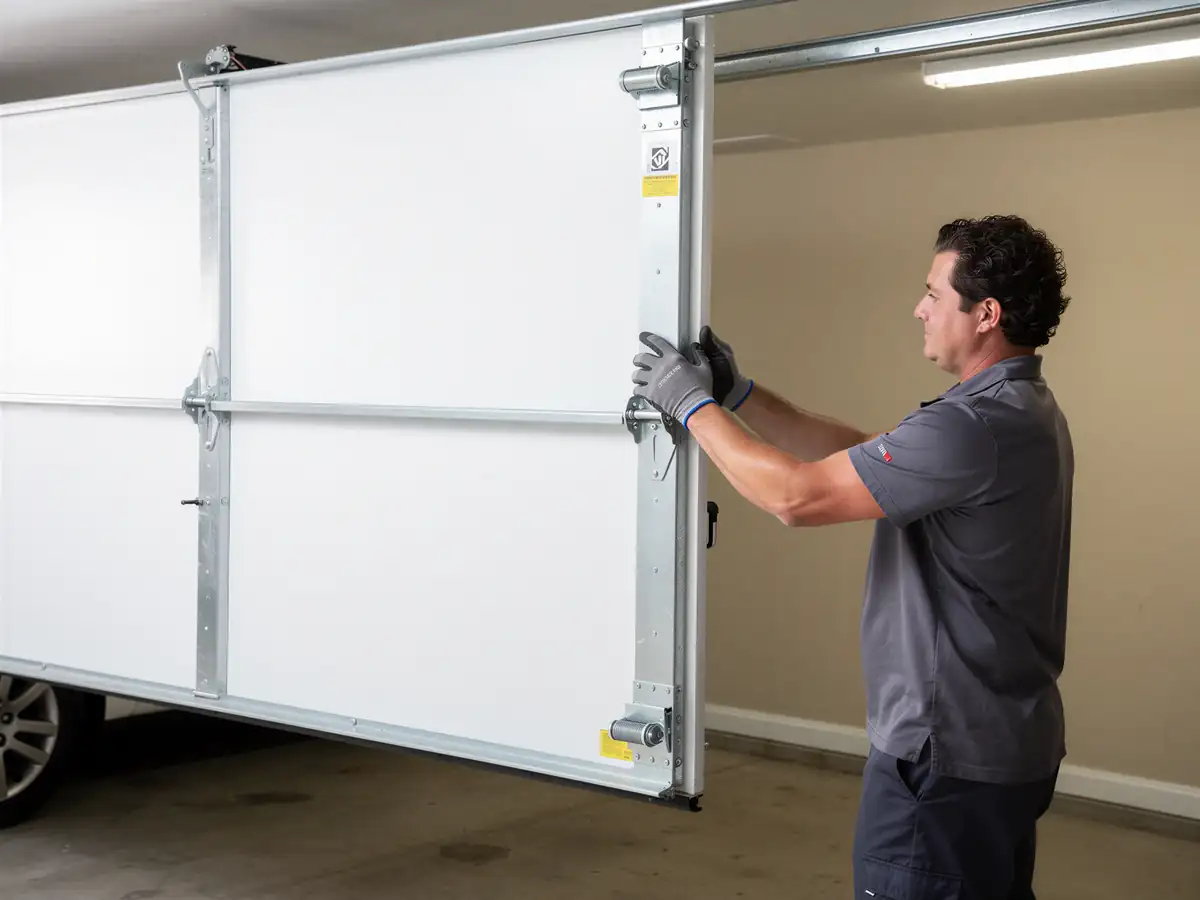
Most garages in Chubbuck are hanging the original door that came with the house, and most of those houses went up around 1995. That means steel sectional doors, single-skin or thin double-layer, usually a 16x7 double or a 9x7 single, set on steel track sized to builder-grade headroom. Thirty years in, the panels have taken the dents, the hinges have stretched their holes, and the factory finish has chalked out.
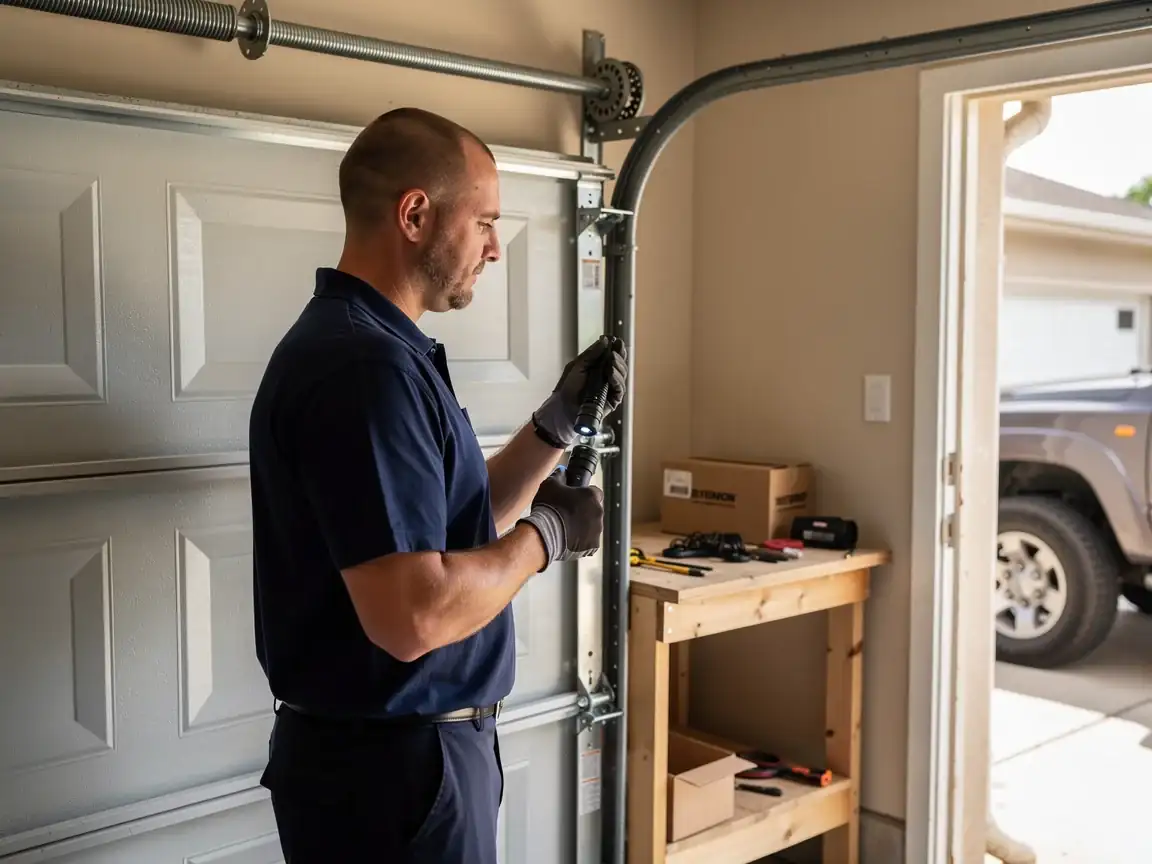
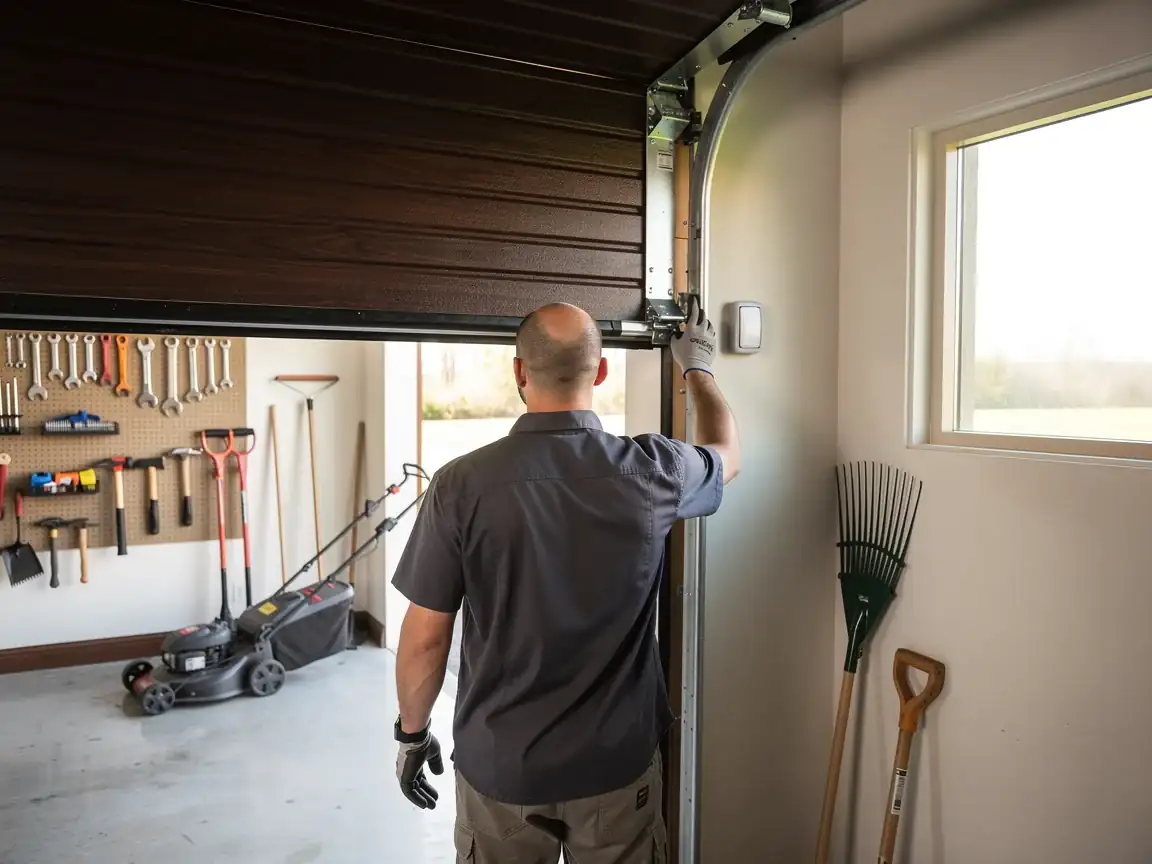
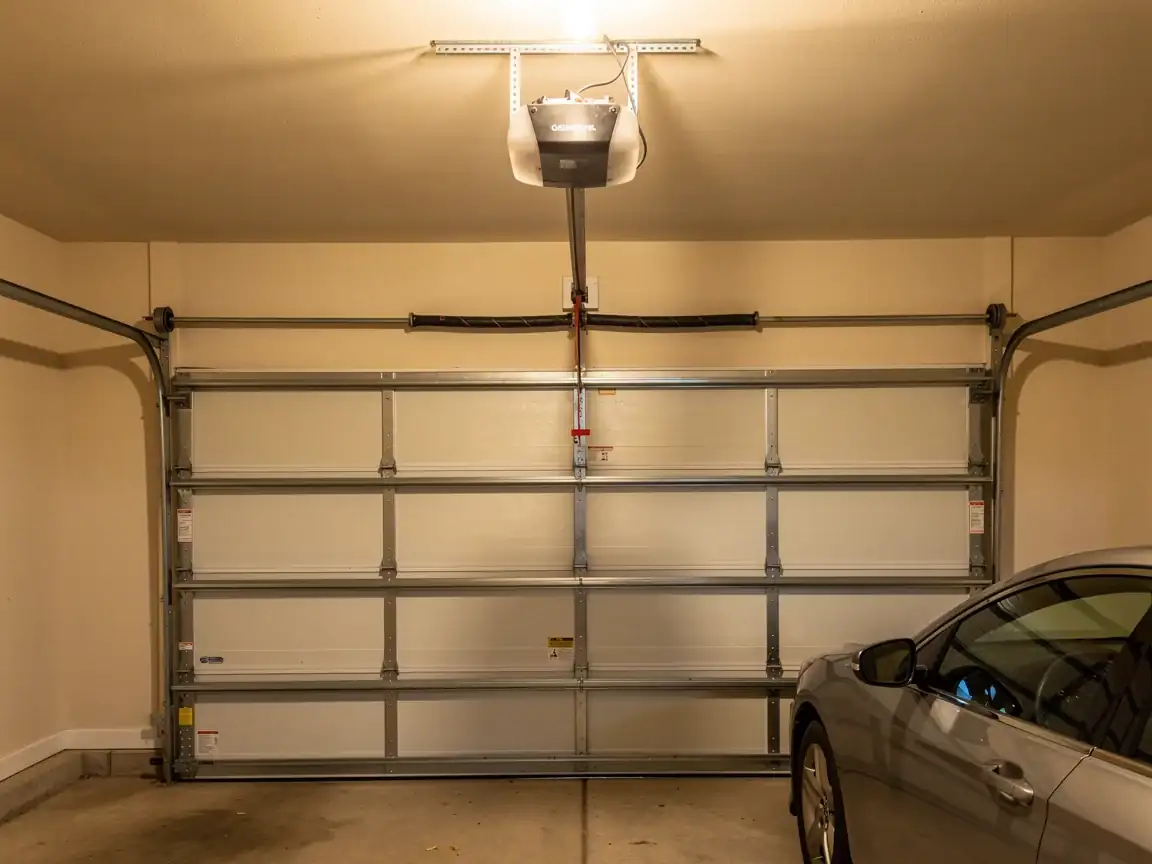
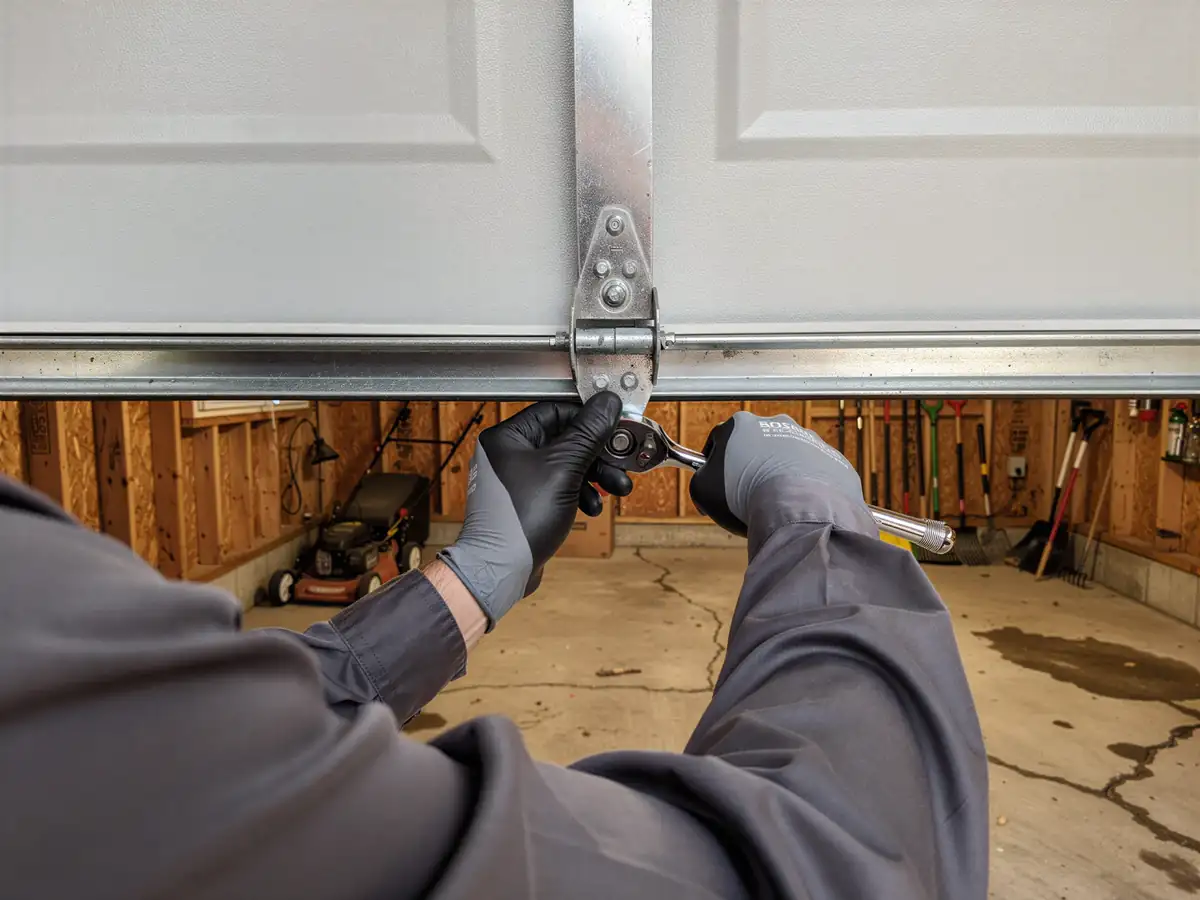
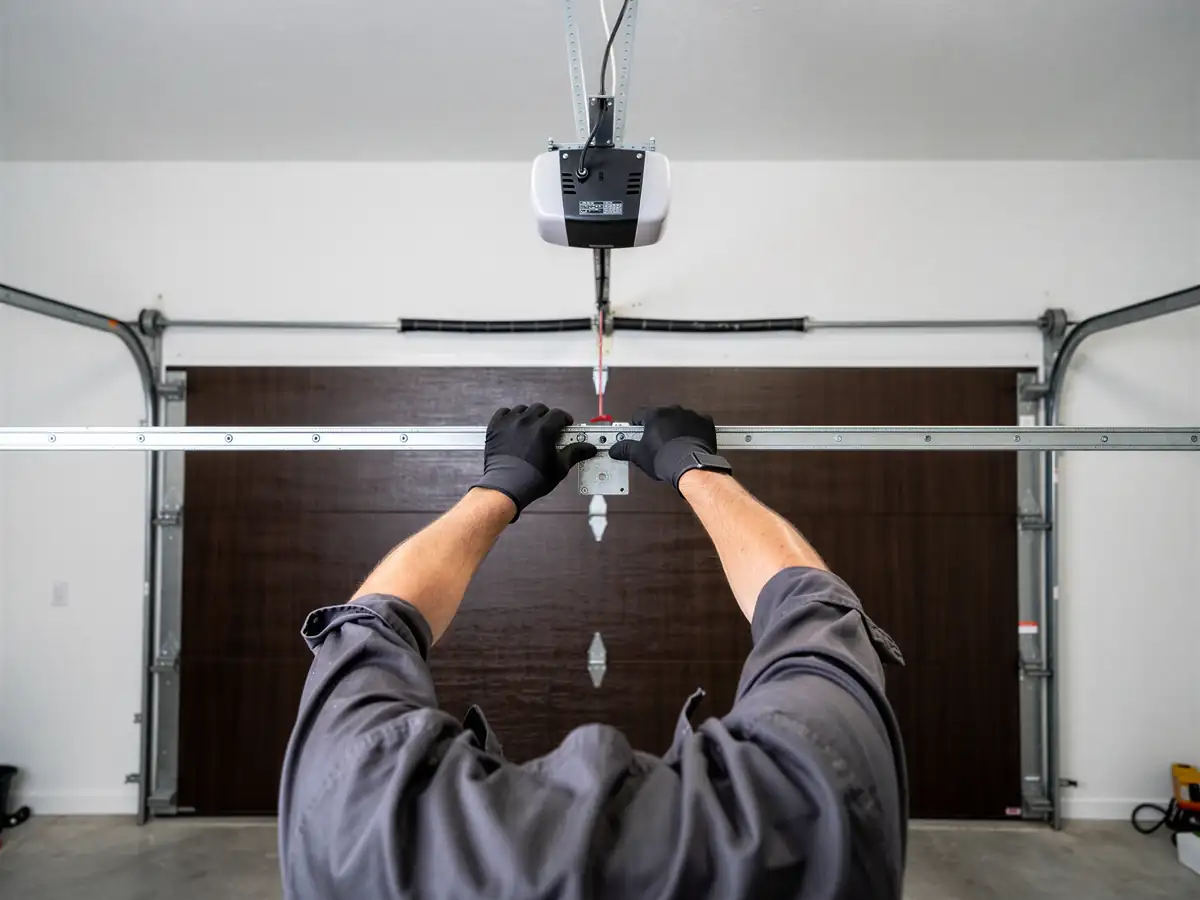
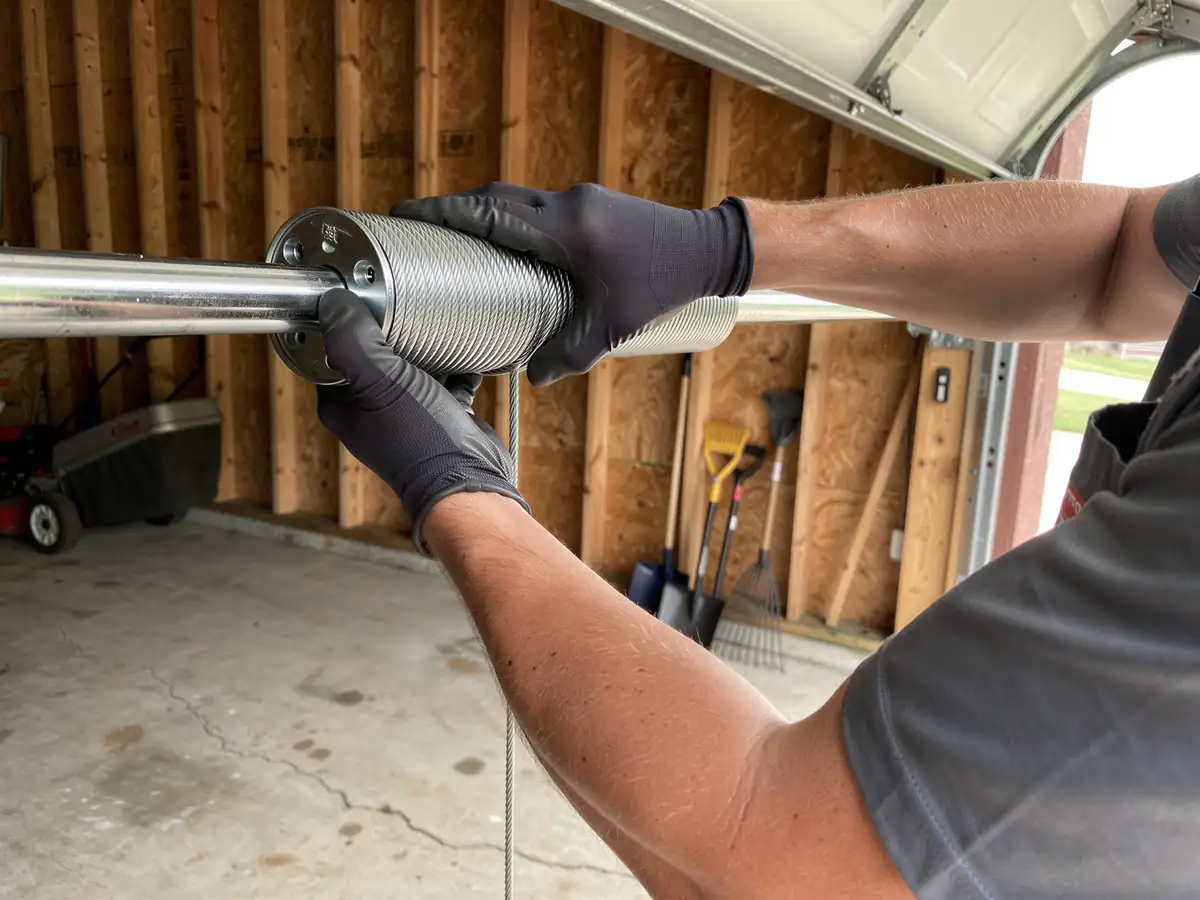
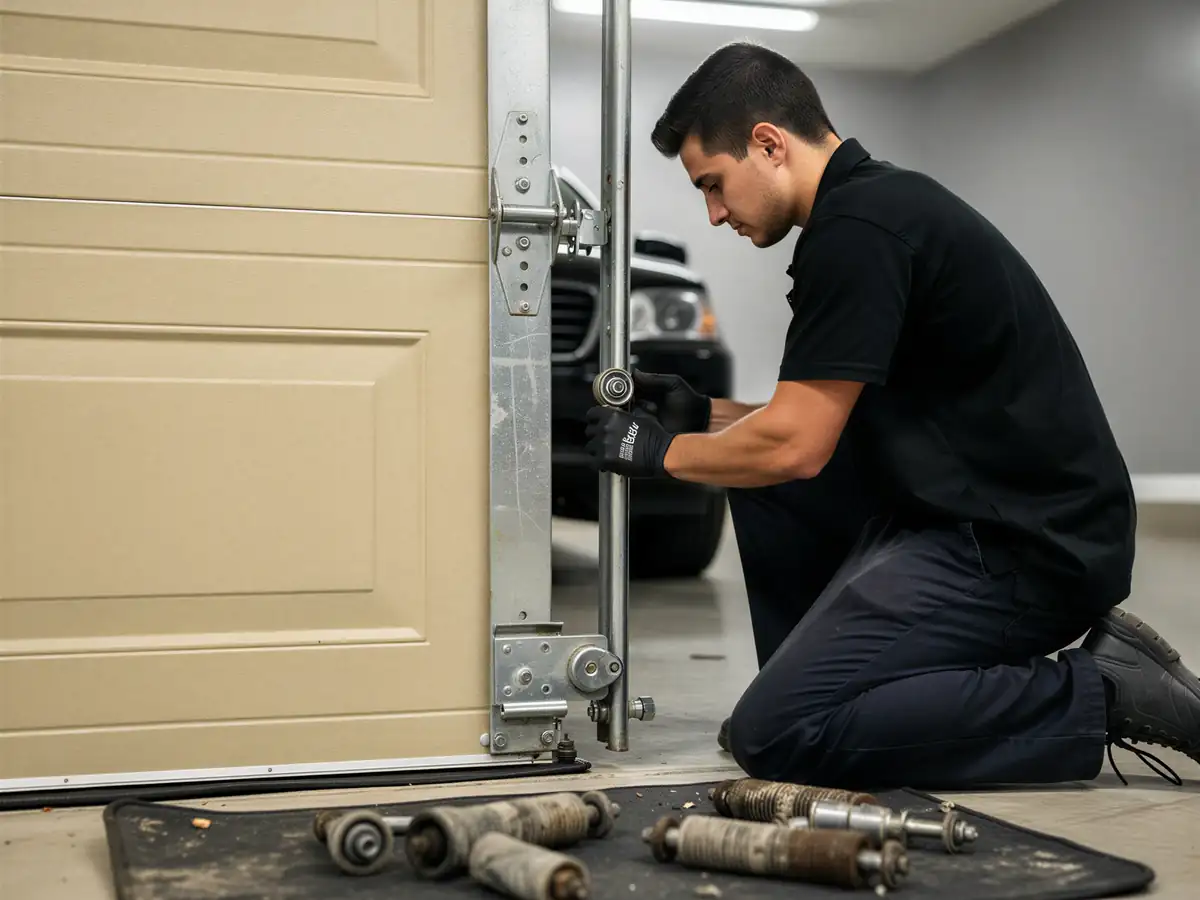
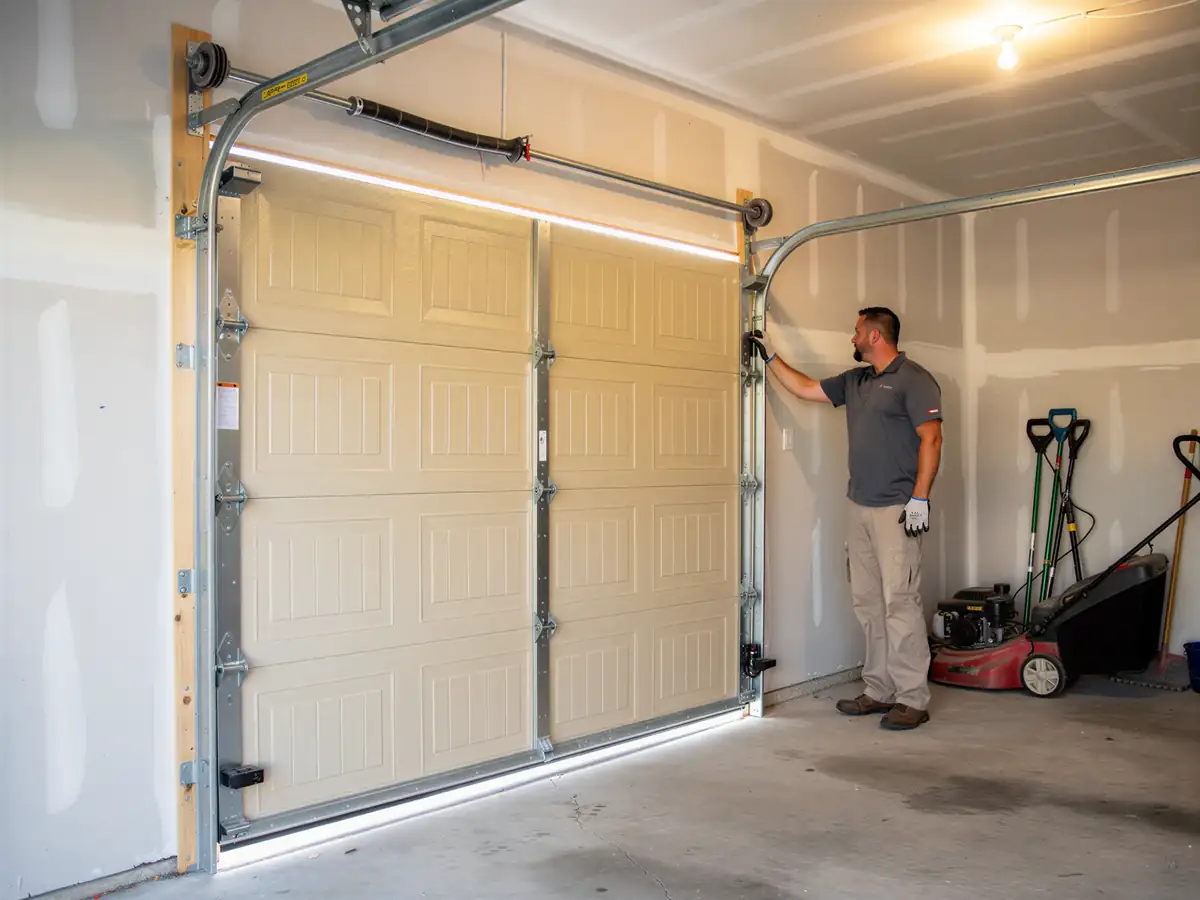
Swapping that door for a new one isn't a bolt-on job. We measure the opening and the headroom the way the original builder framed it, because 1990s construction didn't always leave room for today's higher-lift openers or thicker insulated panels. The track brackets, the jamb condition, and the header clearance all get checked before anything new goes up - a door that doesn't match the opening it's going into just creates the next service call. We also pull the old springs and drums rather than reuse them on a new door; they're sized to the old panel weight, not the new one.
One limit worth saying up front: if the framing around the opening has shifted or rotted, that's carpentry, not a door swap, and we'll tell you before we quote the install, not after.
How to Book
We're based in Pocatello, and Chubbuck sits about 4 miles out, so getting a truck to your address doesn't add much to the trip. We don't run a branch office in Chubbuck itself - every install here is covered from the Pocatello shop, which keeps the crew and the inventory in one place instead of split across towns.
To set up a measure-and-quote visit, start on the Chubbuck area page, which covers what we handle in this part of the service area. If you want the full rundown on installation work, panel options, and how an install visit runs from start to finish, that detail lives on the Pocatello installation page - this page is about what's specific to Chubbuck, not a repeat of that one.
We don't quote a price or a install date over the phone without seeing the opening first. A photo helps us get close, but the headroom and track clearance on a 1990s garage aren't always what the listing photos show.
The Symptom
The usual sign it's time to replace rather than patch is a door that's reached the end of what its hardware can take
A panel section bowed from wind or an accidental backing-into, a bottom seal that's cracked through and lets cold air curl under the door, or an opener straining because the counterbalance spring no longer matches the door's actual weight after years of sag.
Chubbuck sits in the same cold-severe climate band as the rest of the service area
So a door losing its seal or insulation shows up fast - a draft at the bottom of a 1990s steel door in January is a different problem than the same draft in a milder region. If the door still opens and closes evenly, latches square, and the springs are rated for the weight, repair usually makes more sense than full replacement. We don't push a new door on a homeowner when the existing hardware still has service life in it.
What Causes It Around Here
The driver here is age, plain and simple. With Chubbuck's housing concentrated around a 1995 median build year, the original garage doors on most of these houses are now closing in on thirty years old - well past the working life of the steel, the rollers, and especially the spring set that came with the house. Builder-grade doors from that era were rarely insulated to today's standard, and in a cold-severe climate band that shows up as higher heating loss through an attached garage wall.
Chubbuck's median household income, at $78,646, runs well above the $66,000 median across the rest of the service area, and it's a town of 5,560 households - enough volume that we see the same failure pattern repeat house after house on that same stretch of 1990s stock: thin steel skins denting rather than flexing, torsion springs rated for a lighter original door, and tracks that were never leveled for a heavier insulated replacement.
What It Costs
We don't have a flat number to post here, and giving one anyway would be a guess, not a quote. Installation cost depends on door size, insulation level, whether the opener is being replaced alongside it, and what the existing track and framing need before a new door goes up - all of which only shows up once we've measured the opening in person.
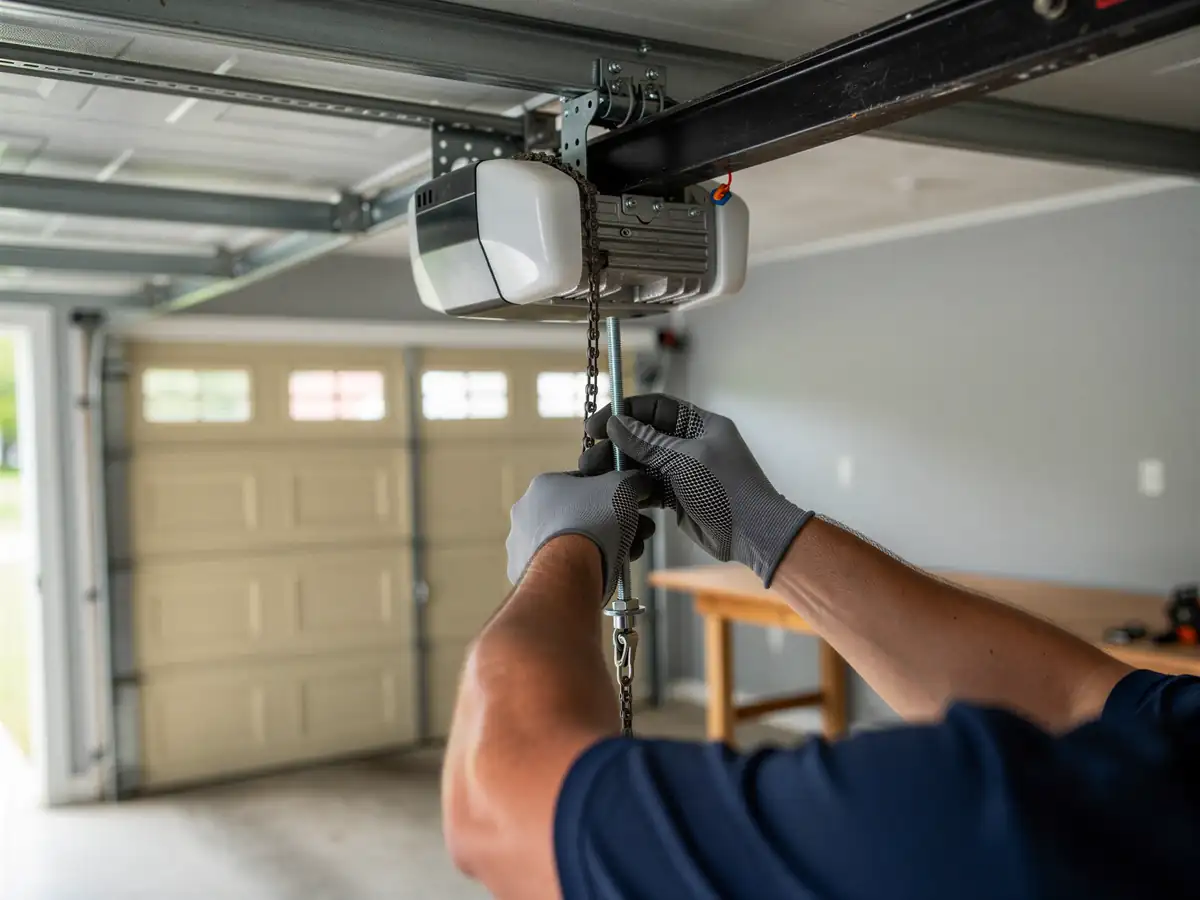
What we can say: on a 1990s house like most in Chubbuck, budget for more than just the door panel. Often the springs, drums, and sometimes the track brackets are original too, and replacing a thirty-year-old door while leaving thirty-year-old hardware behind just moves the next failure down the road a few years instead of solving it. We'll walk through what's worth replacing at the same time versus what still has life left, and we'll put that in writing before any work starts.