What the Repair Takes
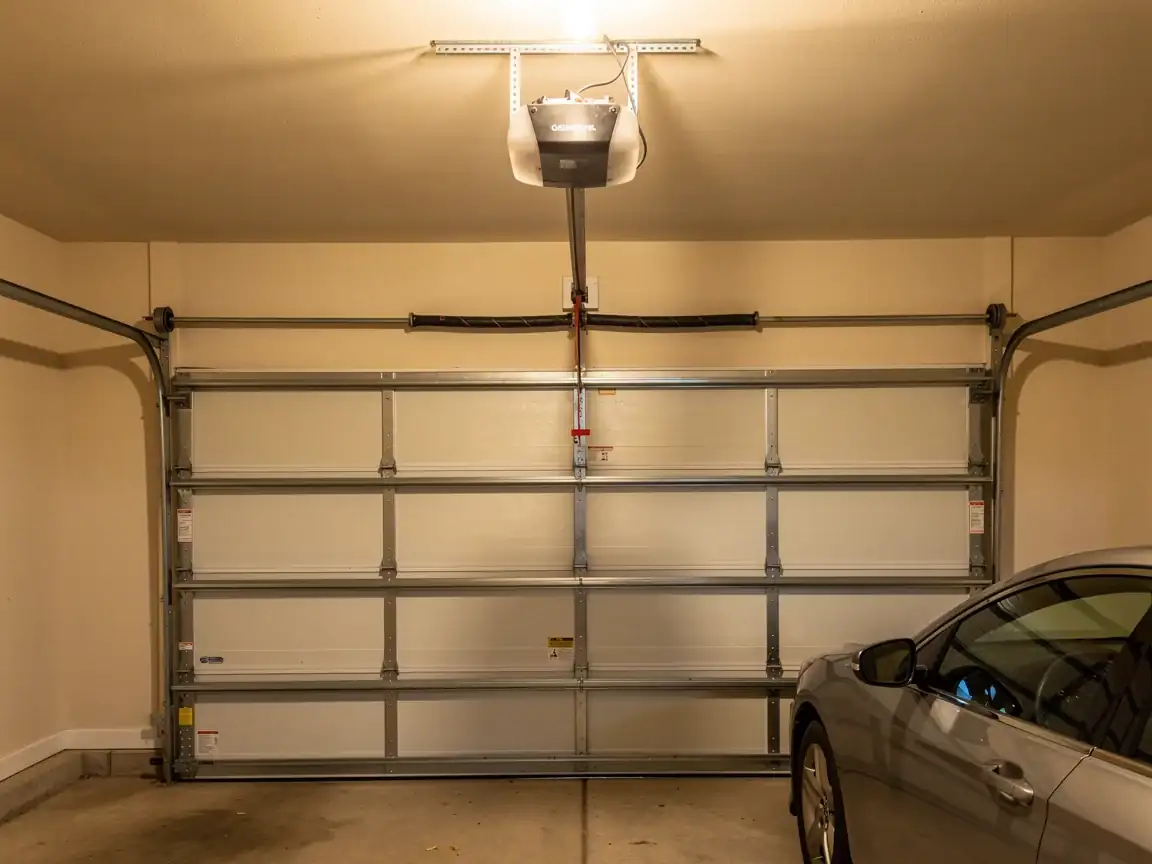
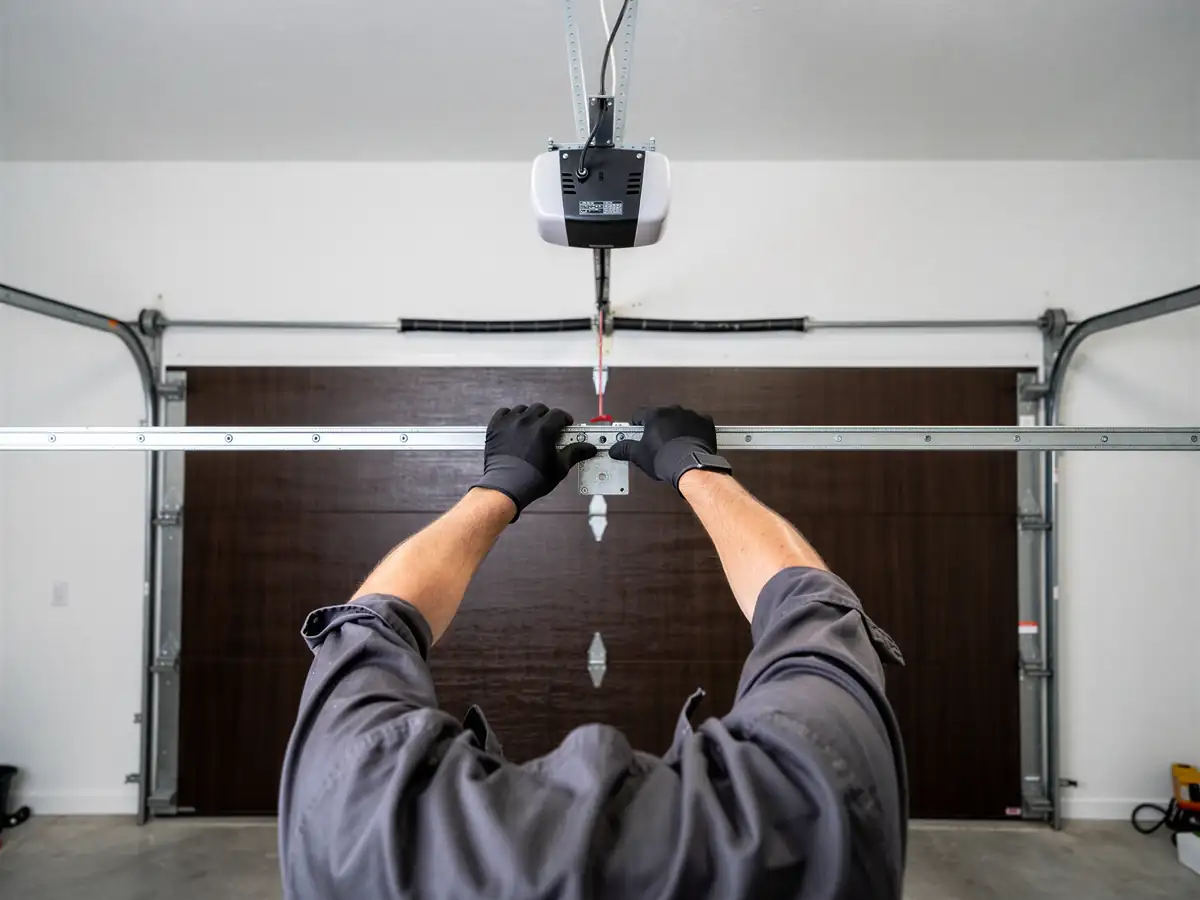
Most of what we see in Chubbuck is hardware from the newer end of the area's building boom - doors and openers installed when the house was built, somewhere around 1995 for the median home here. That's newer than a lot of the surrounding service area, which skews closer to 1980, and it shows up in the hardware. These are mostly steel raised-panel doors on torsion springs, not the older extension-spring setups you'll still find on houses built in the 60s and 70s elsewhere in the area.
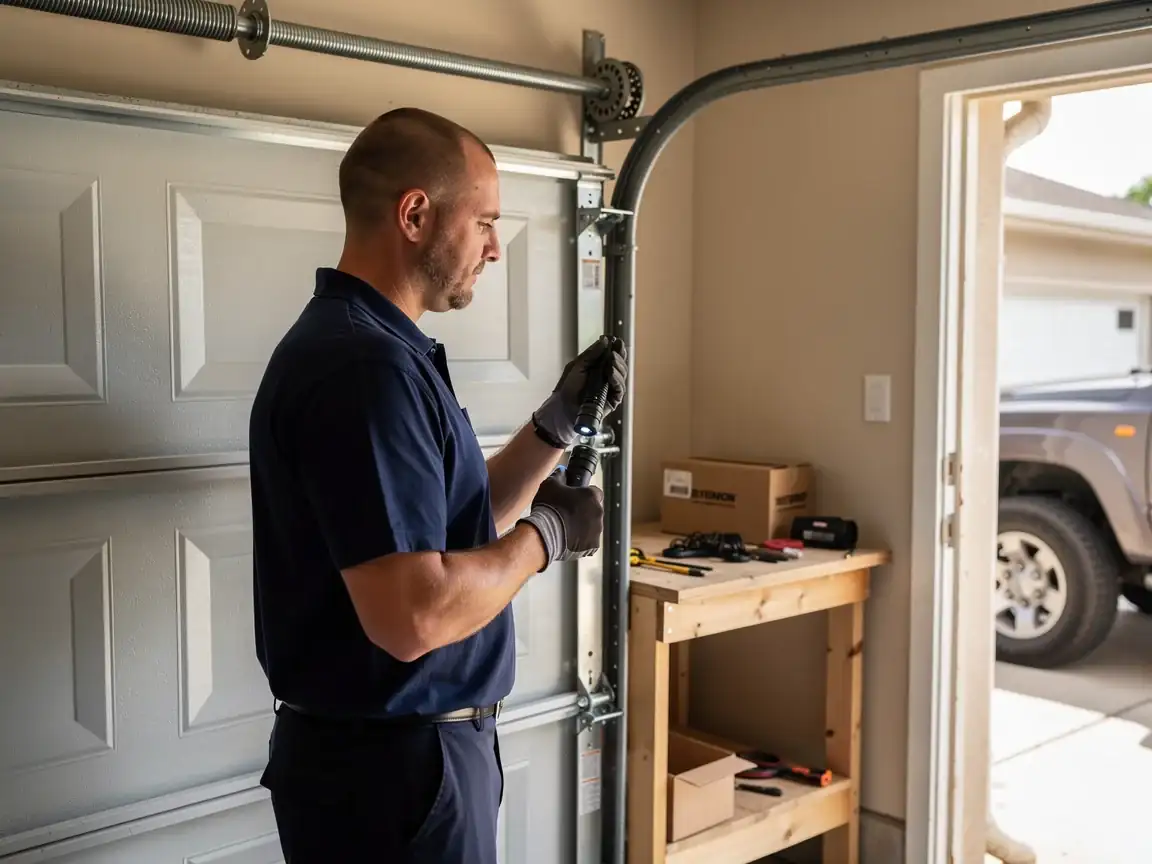
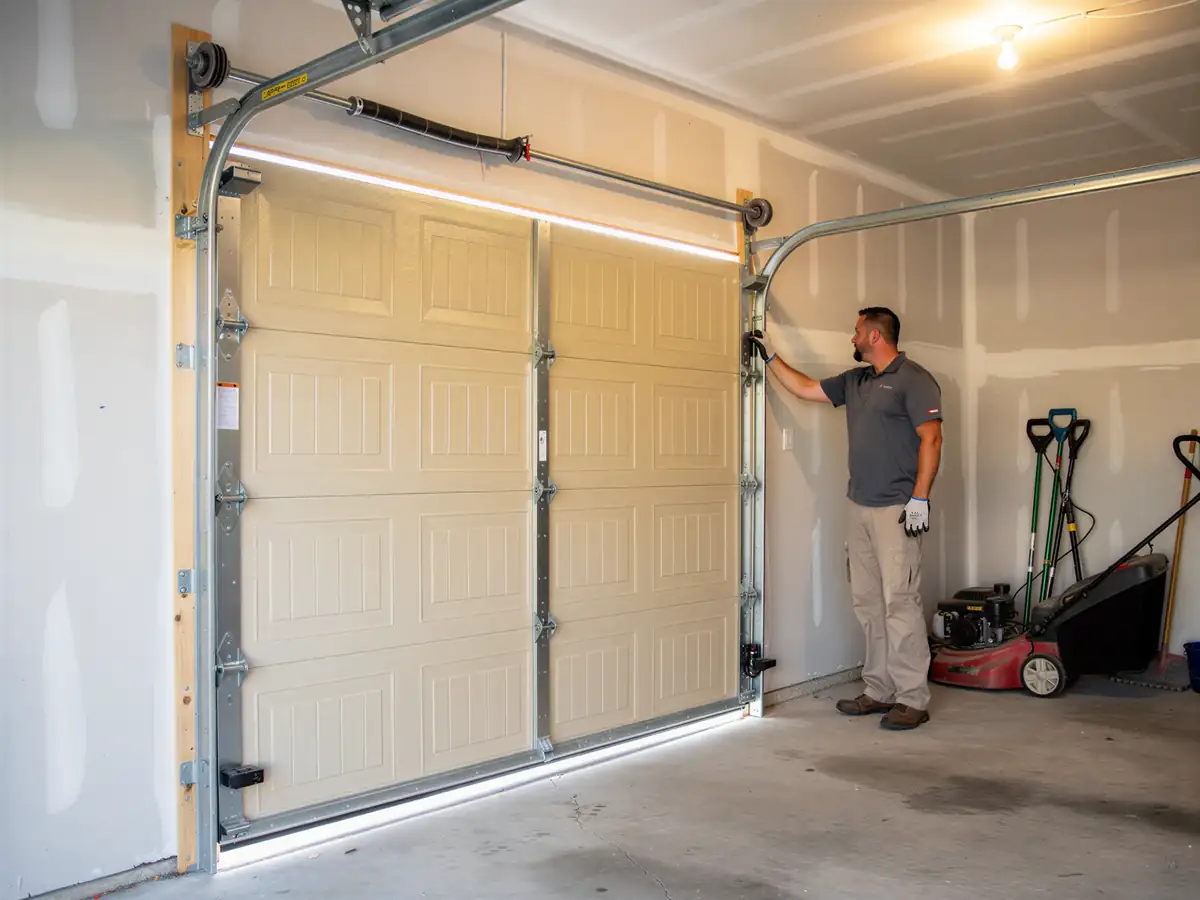
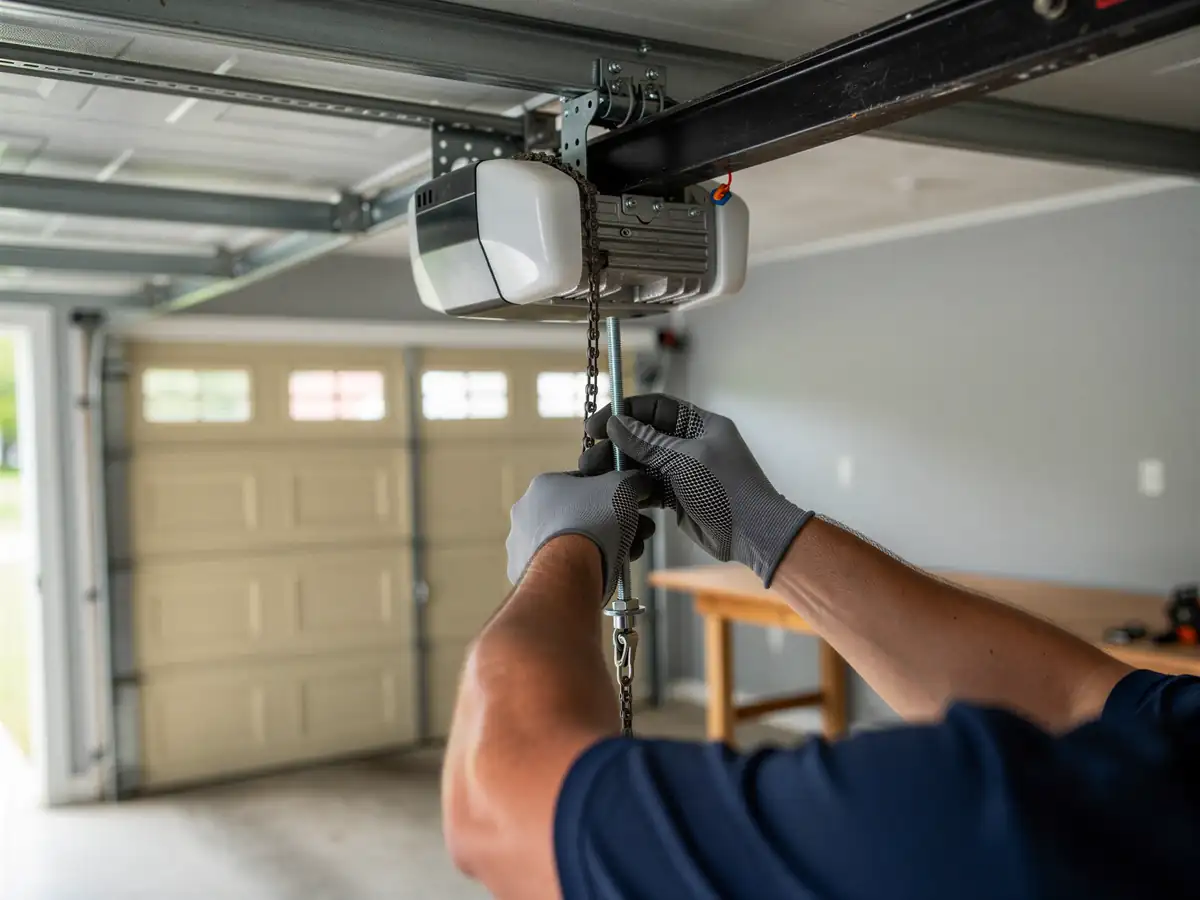
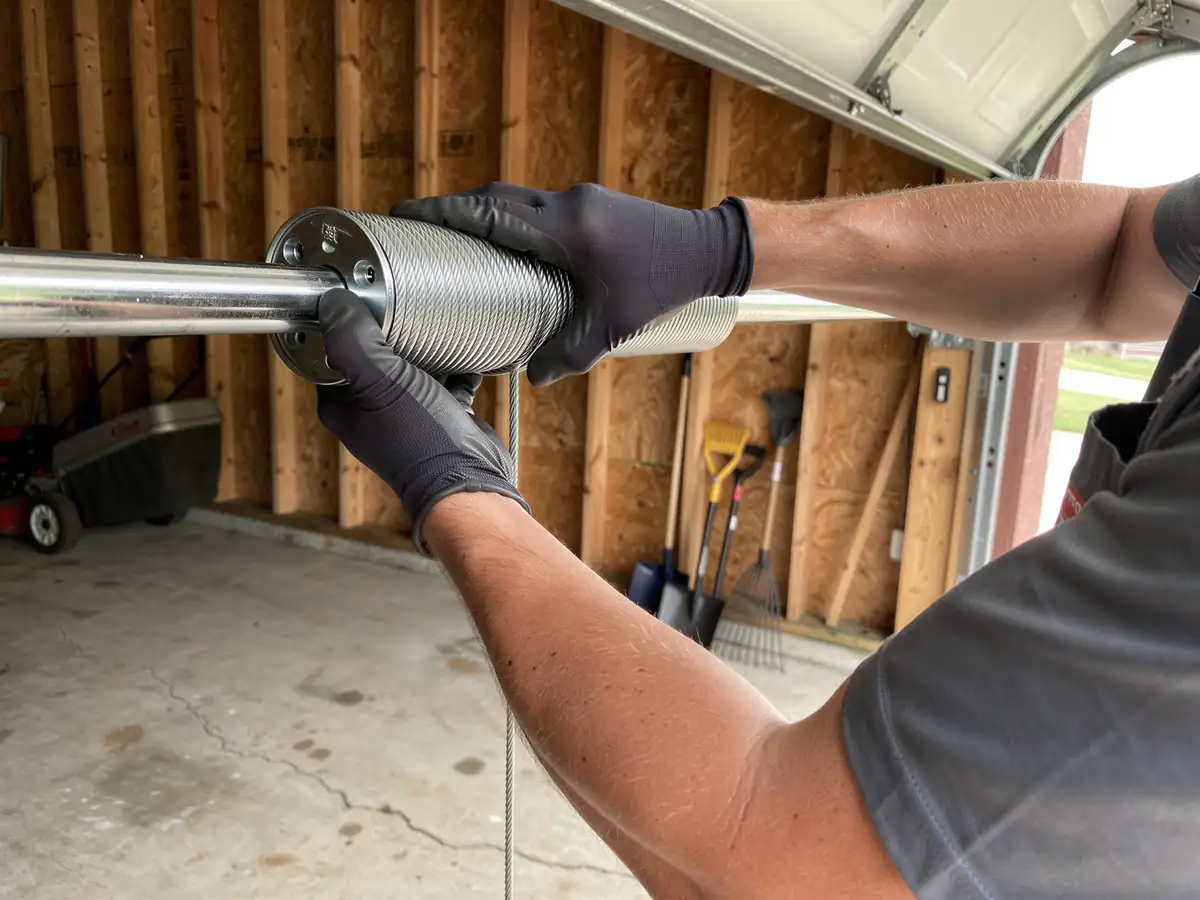
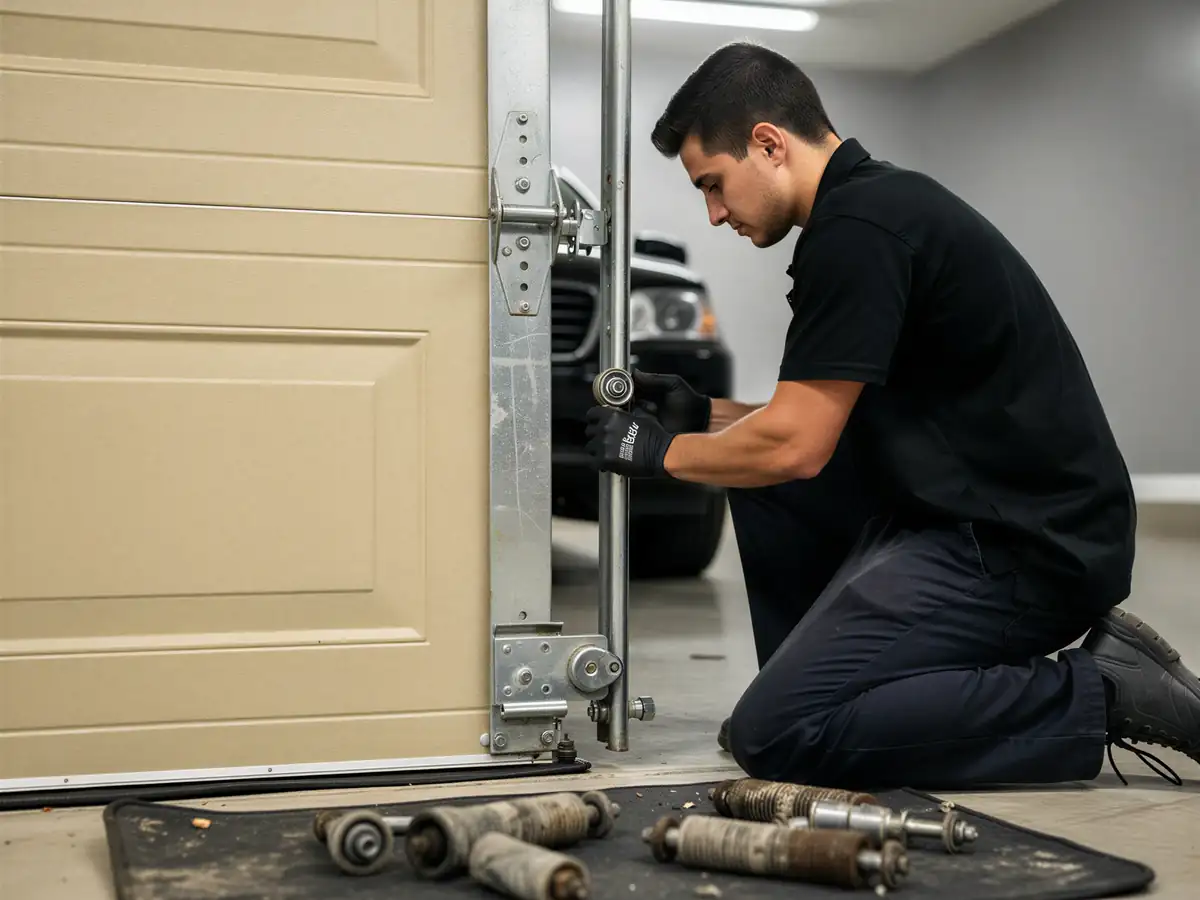
A torsion spring is rated for a set number of open-close cycles, usually somewhere around 10,000. A house built in 1995 that's seen normal use has likely cycled through that once already, maybe twice if the original spring was never swapped. So the repair often isn't just "replace the broken part" - it's checking whether the opener's gear set, the drum, and the cable are original too, because they tend to wear out on a similar schedule.
We won't quote a fix over the phone before seeing the door. A spring that's snapped clean is a different job than a spring that's stretched and binding, and the opener might be a separate issue entirely. One honest limit: if the opener logic board has failed, that part sometimes has to be ordered rather than pulled off the truck, and that adds a day or two.
How to Book
Call and describe what the door is doing - won't open, won't close, makes a bang, grinds instead of lifting. That tells us whether to bring spring stock, opener parts, or both.
Chubbuck sits about 4 miles from our shop in Pocatello, close enough that a truck doesn't burn the afternoon just getting here. We run the job from Pocatello; there's no separate branch or drop point in Chubbuck itself, so all scheduling goes through the same line.
Have the door's age or a rough sense of when the house was built handy if you know it - most of Chubbuck is newer construction, and that detail changes what we expect to find before we even open the panel. See the Chubbuck area page for more on how we cover this part of the service area, or the main repair page for the full list of what we handle.
The Symptom
The classic one: a loud bang from the garage
Then the door won't budge, or it only lifts a few inches before stopping. That's almost always a torsion spring letting go, and on a 1995-era door that's running on its original spring, it's not a surprise - it's overdue.
The other common one is an opener that grinds or hums but the door doesn't move
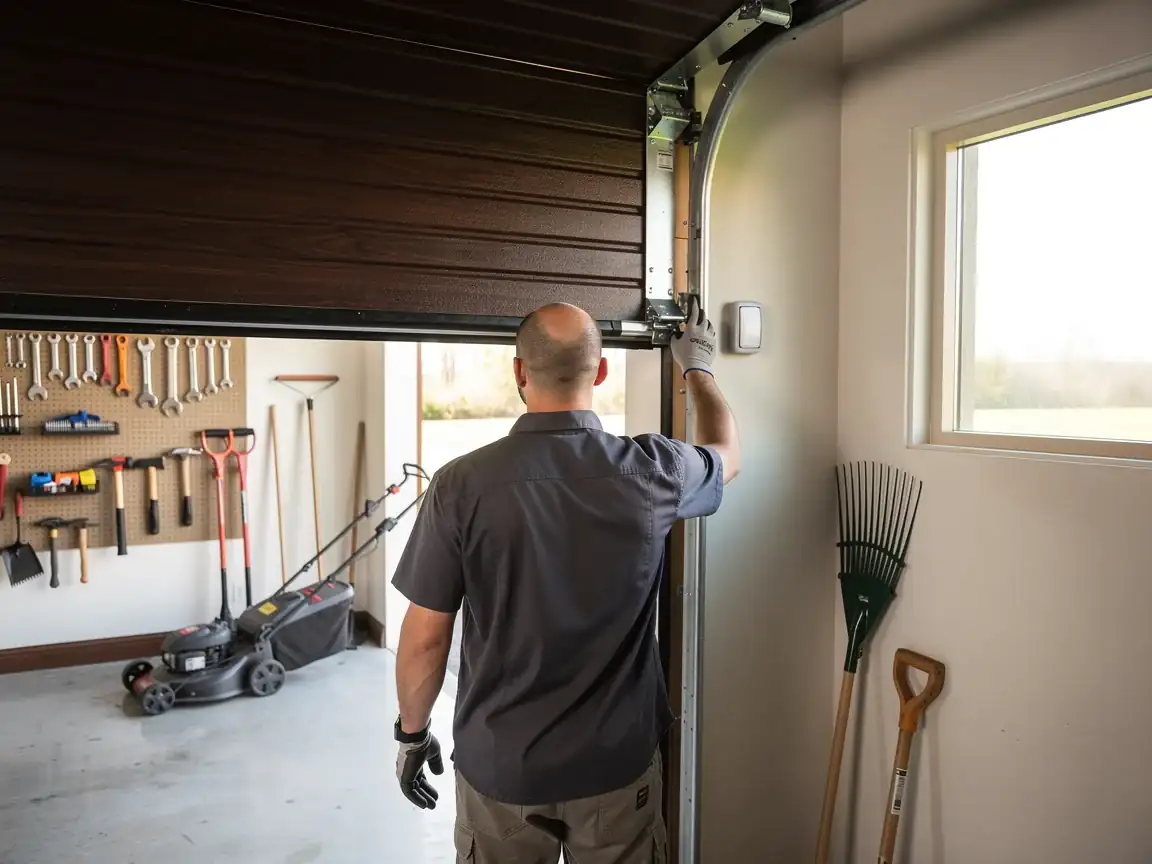
Sometimes that's a worn gear inside the opener housing, sometimes it's the door itself binding on a track that's gone slightly out of alignment over three decades of use. The two symptoms can look the same from the driveway, which is why we check the door by hand before blaming the opener.
Less dramatic but just as common
A door that closes most of the way and reverses, or one that's noticeably louder than it used to be. Both point to roller or cable wear that hasn't failed yet but is close.
What Causes It Around Here
Two things stack on each other in Chubbuck. First, the build year - a median around 1995 means a lot of original hardware is now 25 to 30 years old, well past the point most torsion springs were designed to last. Second, the climate band for this area is classified cold and severe, and steel springs lose some flexibility in low temperatures. A spring that's already near the end of its cycle count is more likely to let go on a cold morning than on a mild afternoon.
The area's household income, at $78,646, runs noticeably higher than the roughly $66,000 median across the wider service area, and that tends to show up in what people choose when a door fails - more owners here go with full opener replacement rather than patching an old one, since the original units are old enough that parts matching them are getting harder to source.
We don't have weather event data specific enough to say how often cold snaps cause spring failures here versus elsewhere, so we won't claim a number we don't have. What we can say is the hardware age and the climate band both point the same direction.
What It Costs
We don't have a fixed price to quote here, and anyone who gives you one without looking at the door first is guessing. Cost depends on what's actually broken - a single torsion spring is a different job than a spring plus a worn opener gear set, and double doors take a different spring than single doors.
What we can tell you: on a house built around 1995, it's worth asking us to check the opener while we're there for a spring repair, since both tend to age out around the same time. Replacing both in one visit usually costs less than two separate calls.
If the door itself has started sagging or the panels are rusting through, repair sometimes isn't the better move - we'll tell you straight if replacement makes more sense than sinking money into a door that's failing structurally, not just mechanically.