What the Repair Takes
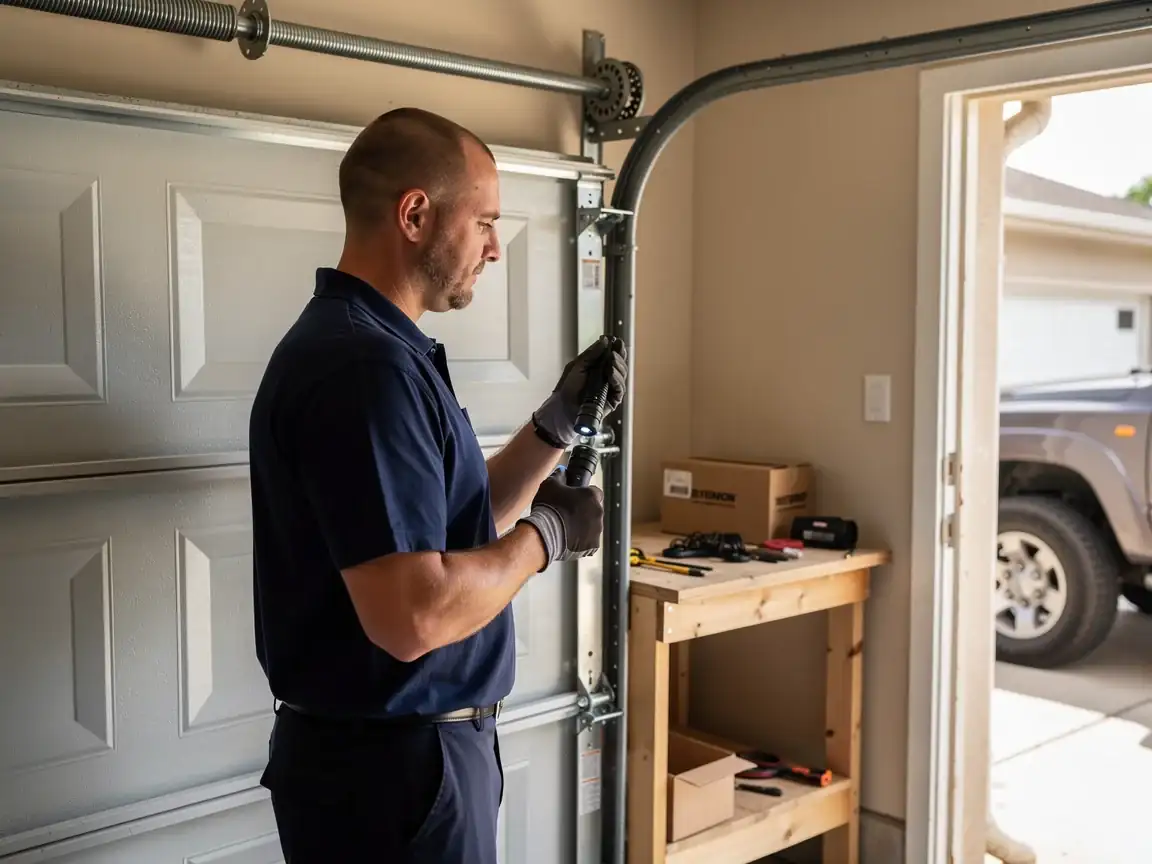
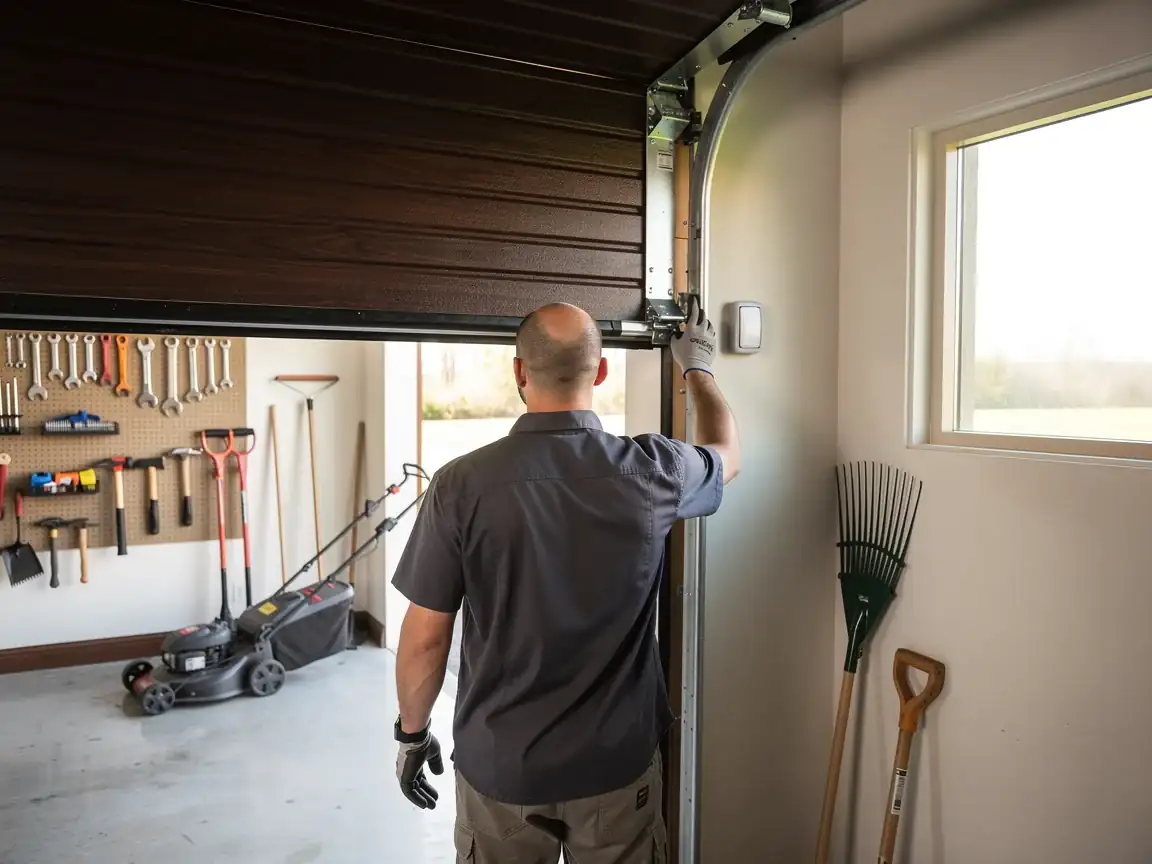
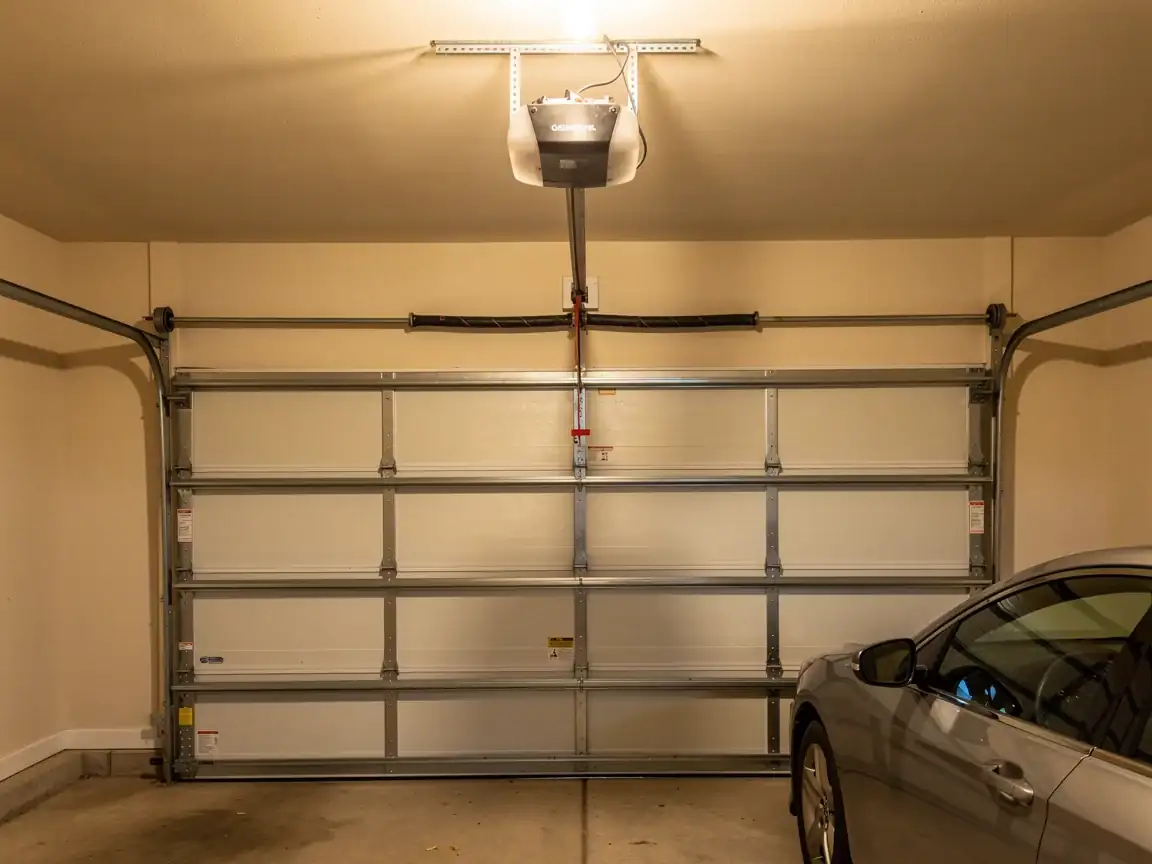
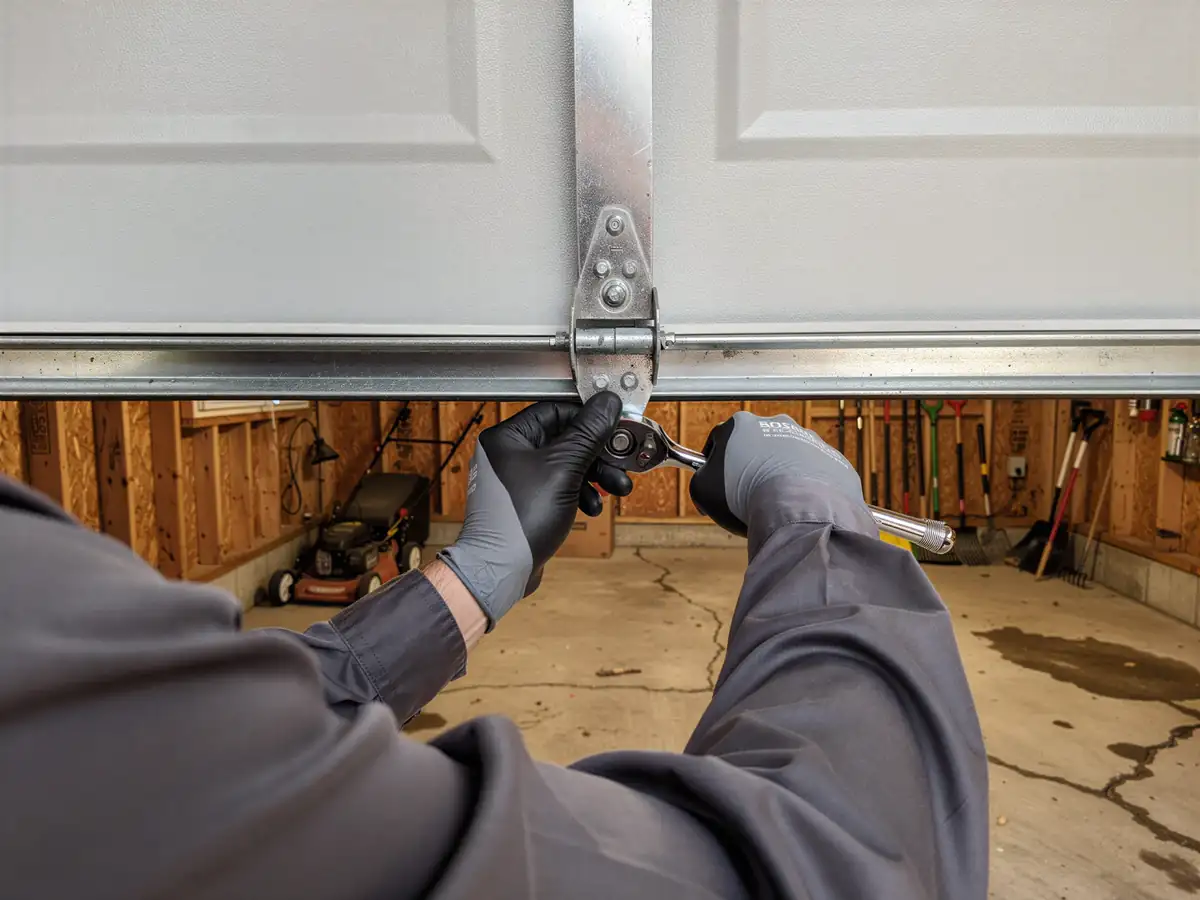
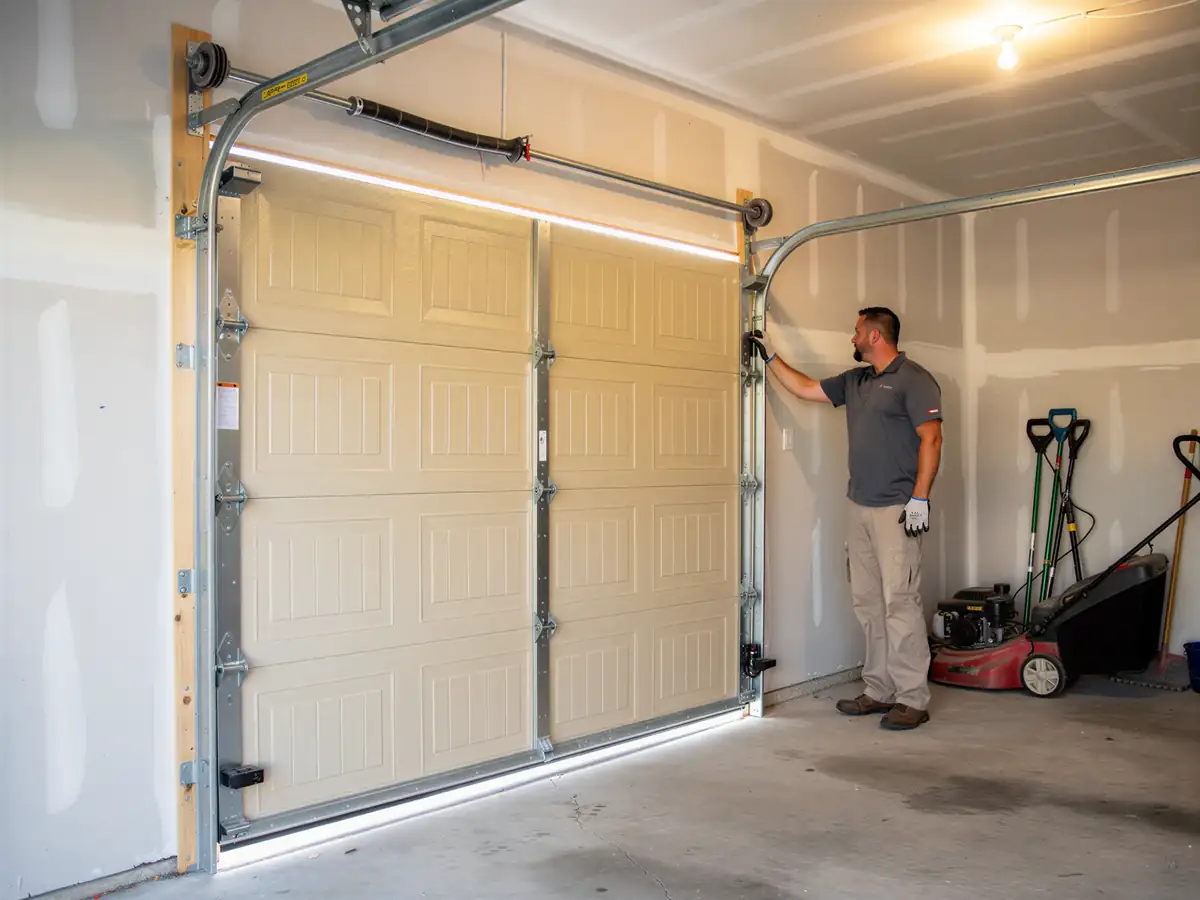
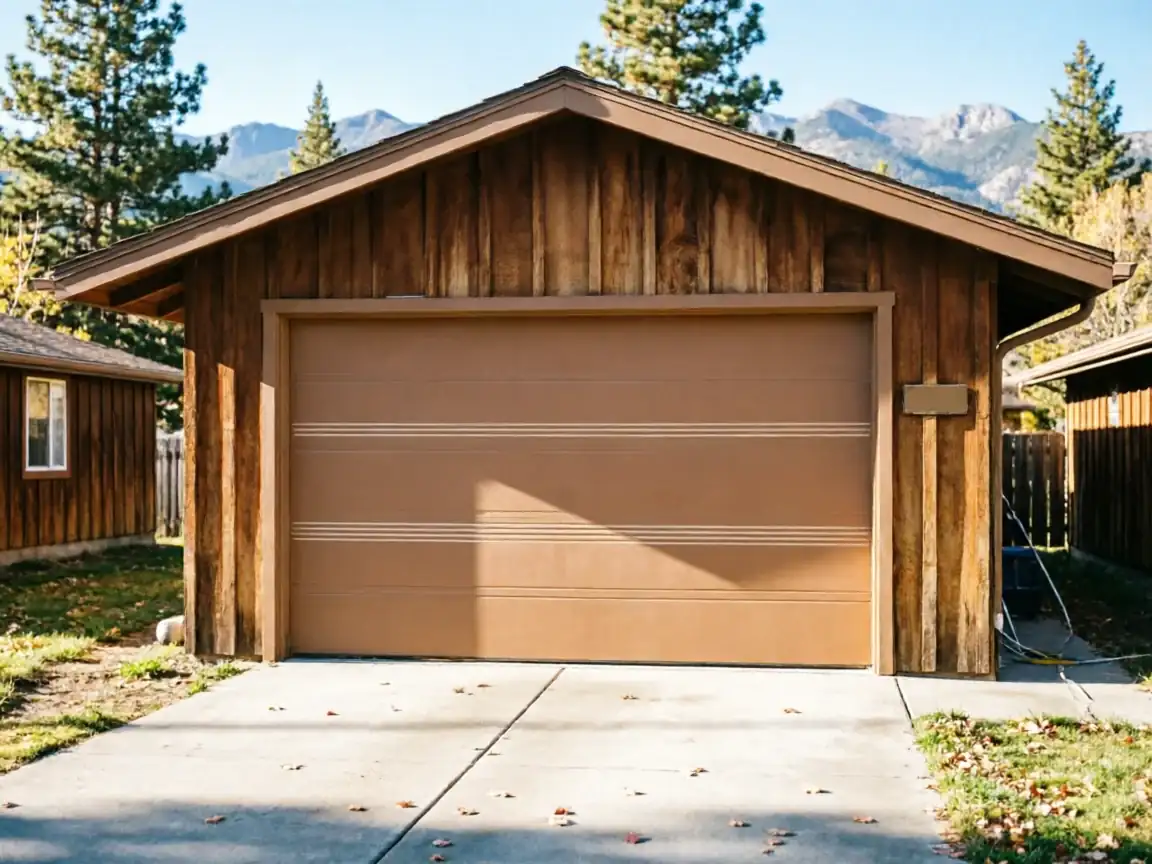
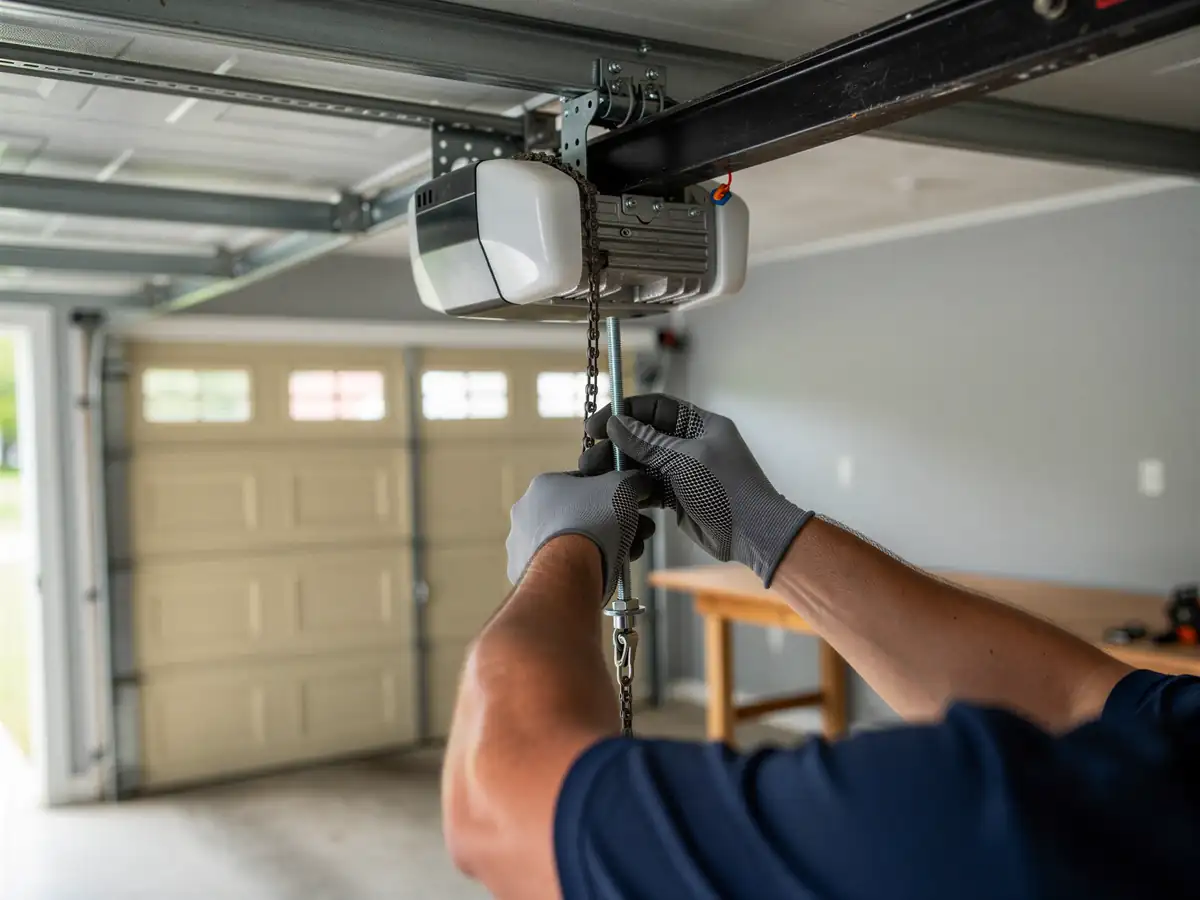
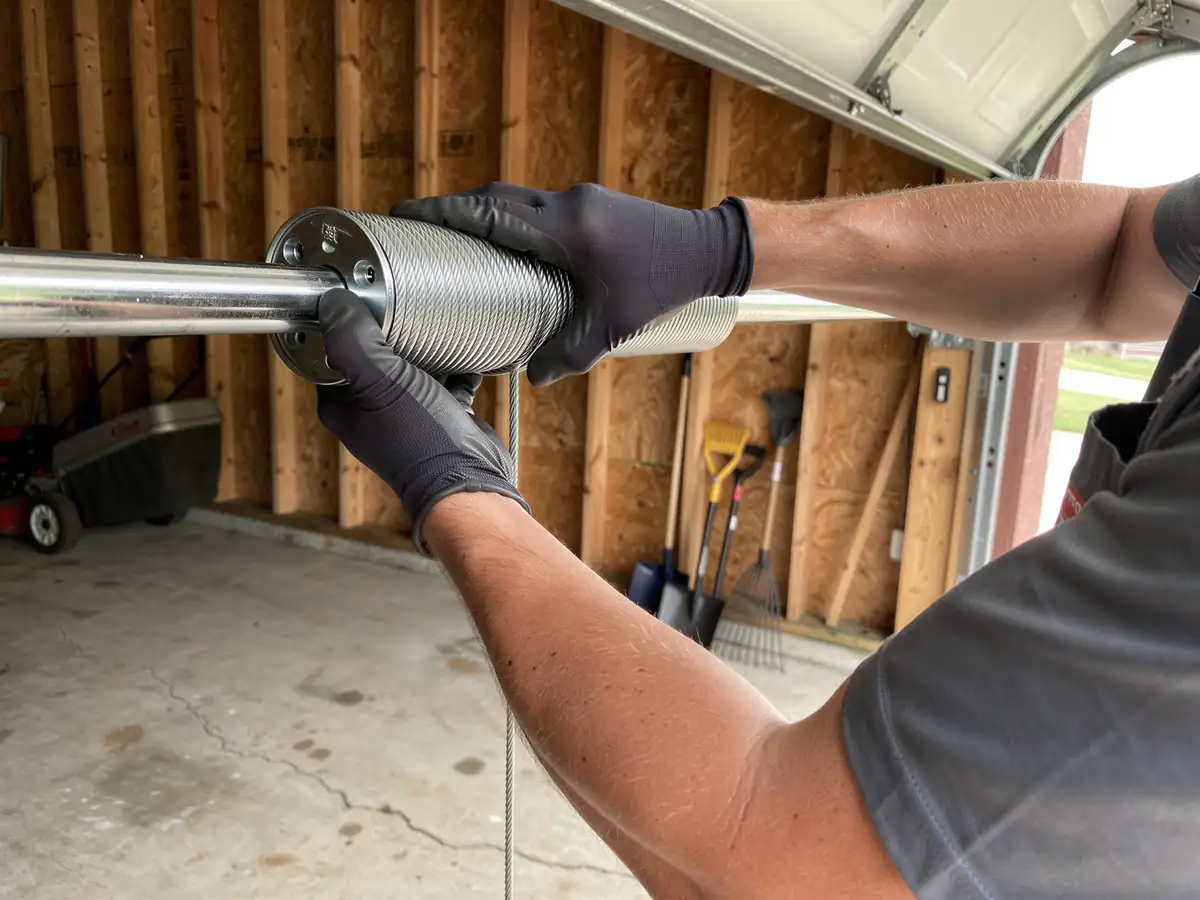
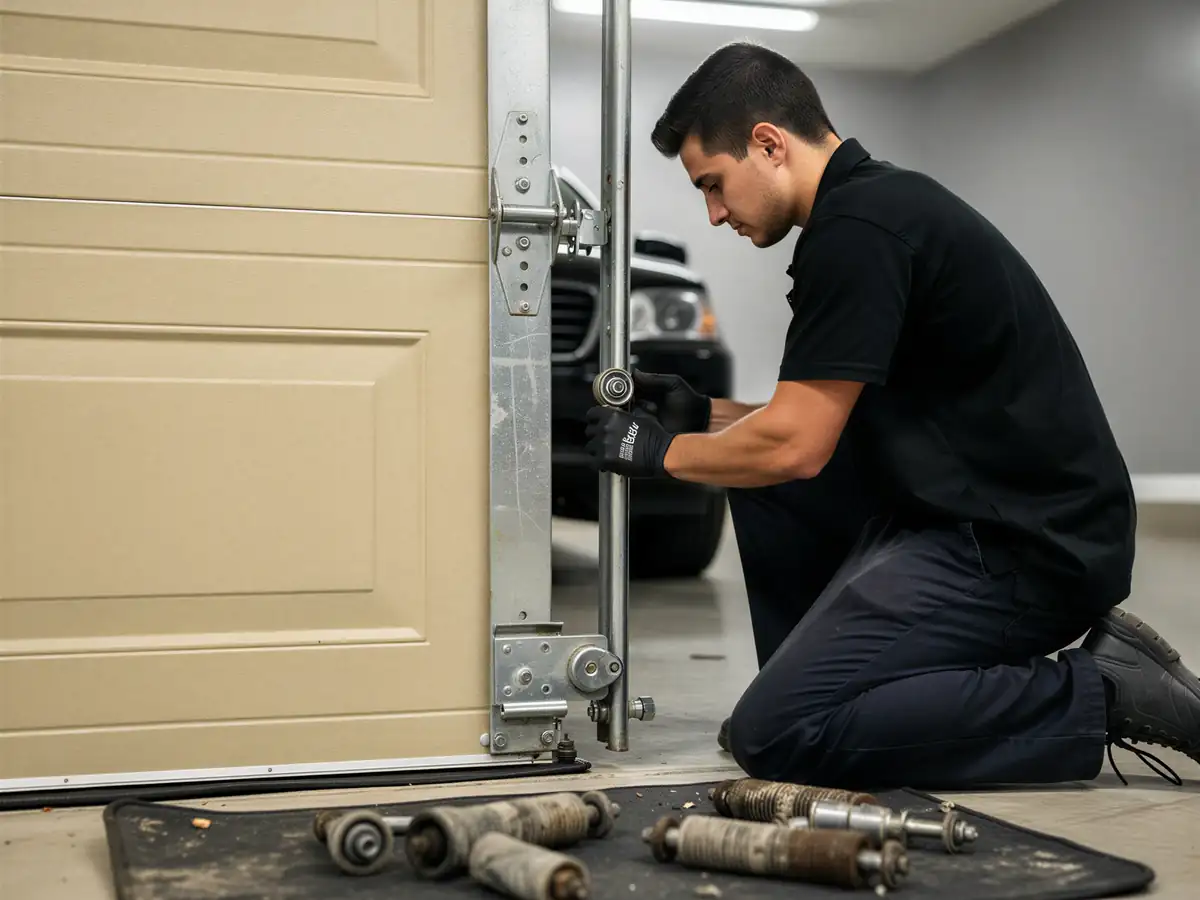
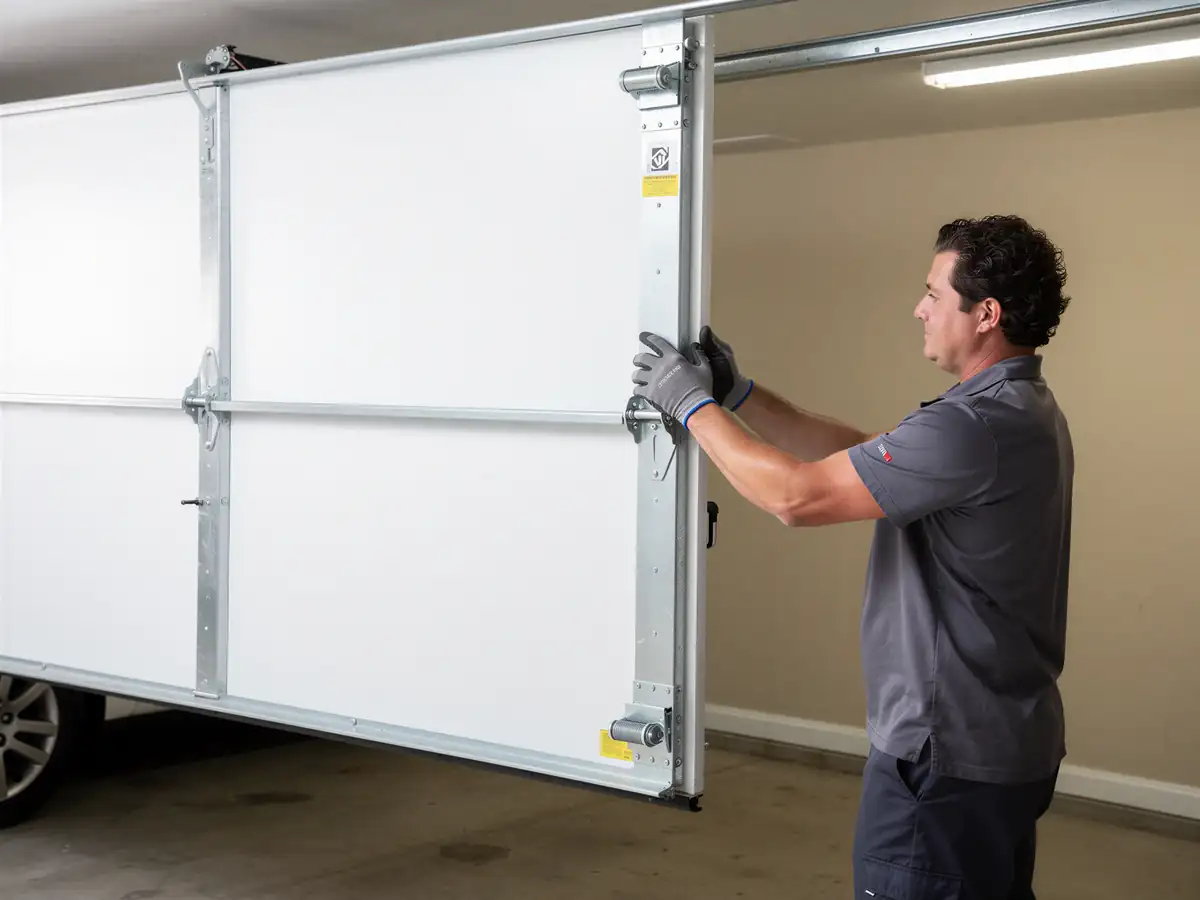
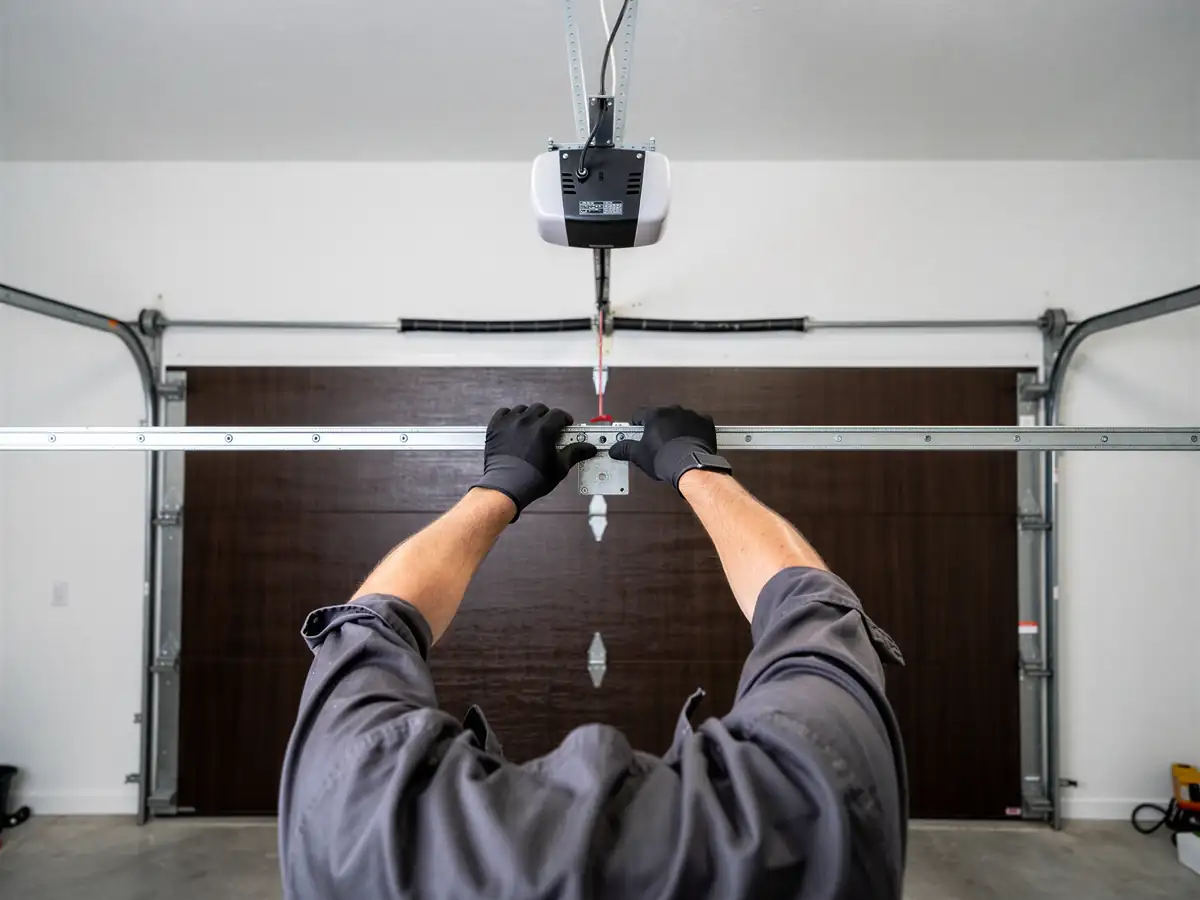
Chubbuck has about 5,560 households, which is a real but compact market - not big enough to need a branch of its own, small enough that the opener problems we see here repeat in patterns. Installing a new opener isn't just bolting a unit to the ceiling. We pull the old rail and motor, check the header bracket for rot or old mounting holes, run new wiring to the wall station, and set the travel and force limits so the door reverses correctly on an obstruction. On a door that's been running the same opener since the house was built, we also check the spring and cable condition while we're up there, because a new opener bolted to tired hardware just shortens its own life. Most of Chubbuck's stock dates to around 1995, newer than the 1980 median across the wider service area, so brackets and rail mounts tend to be in decent shape compared to older neighborhoods - less rust, fewer stripped studs. That doesn't mean every job is quick. Some garages have odd ceiling heights or add-on trusses that change how the rail has to run, and we won't know that until we're in the garage looking at it.
How to Book
We cover Chubbuck out of Pocatello, about 4 miles south, so there's no local branch to call - just a truck that comes to you. If you want to see what else we handle across the wider area first, the area page for Chubbuck lays out the full picture. If you're comparing opener installation against other opener work we do out of the main shop, the Pocatello opener installation page covers the service itself in more depth. For Chubbuck specifically, the short version is: tell us the opener's age if you know it, whether it's chain, belt, or screw drive, and whether the door itself is original to the house. That's usually enough to quote the job before a truck ever leaves Pocatello.
What Causes It Around Here
Two things stack up against an opener in Chubbuck: age and cold. The area's winters sit in the severe end of the cold band, and that matters more to an opener than most people think. Grease inside a decades-old gear housing thickens in low temperatures, and a motor that has to fight stiff grease on every cold start wears its windings faster than one that doesn't. Add in a chain-drive opener installed when the house was new, around 1995, and you've got hardware that was already near end-of-life before the first hard freeze of this past winter. We also see circuit boards fail faster in unheated garages that swing from well below freezing at night to warmer in the afternoon sun - that temperature cycling is harder on solder joints than steady cold would be. None of this is unique to one house; it's just what 25-to-30-year-old openers do in this climate, and Chubbuck's housing stock is old enough now that a lot of units are hitting that wall at once.
What It Costs
We don't have a flat number to put here, and we'd rather say that than make one up. Cost depends on drive type - chain, belt, or screw - horsepower, whether you want battery backup, and whether the existing rail and mounting hardware can be reused or need replacing. A straightforward swap onto good hardware costs less than a job where we're also replacing a cracked header bracket or rewiring a wall station that's original to the house. One honest limitation: if your opener is still under a manufacturer warranty, replacing it yourself (or having us do it outside the warranty process) can void that coverage, so it's worth checking the paperwork before you call. We'll give you a real number for your garage once we've seen the opener and the door it's lifting, not before.