Serving Pocatello, ID & nearby
(208) 295-2472
Pocatello, ID

Garage Door Maintenance for Chubbuck Homes

Garage door maintenance for Chubbuck, ID homes built around 1995, four miles from Pocatello, and what cold-climate upkeep your door actually needs each year.

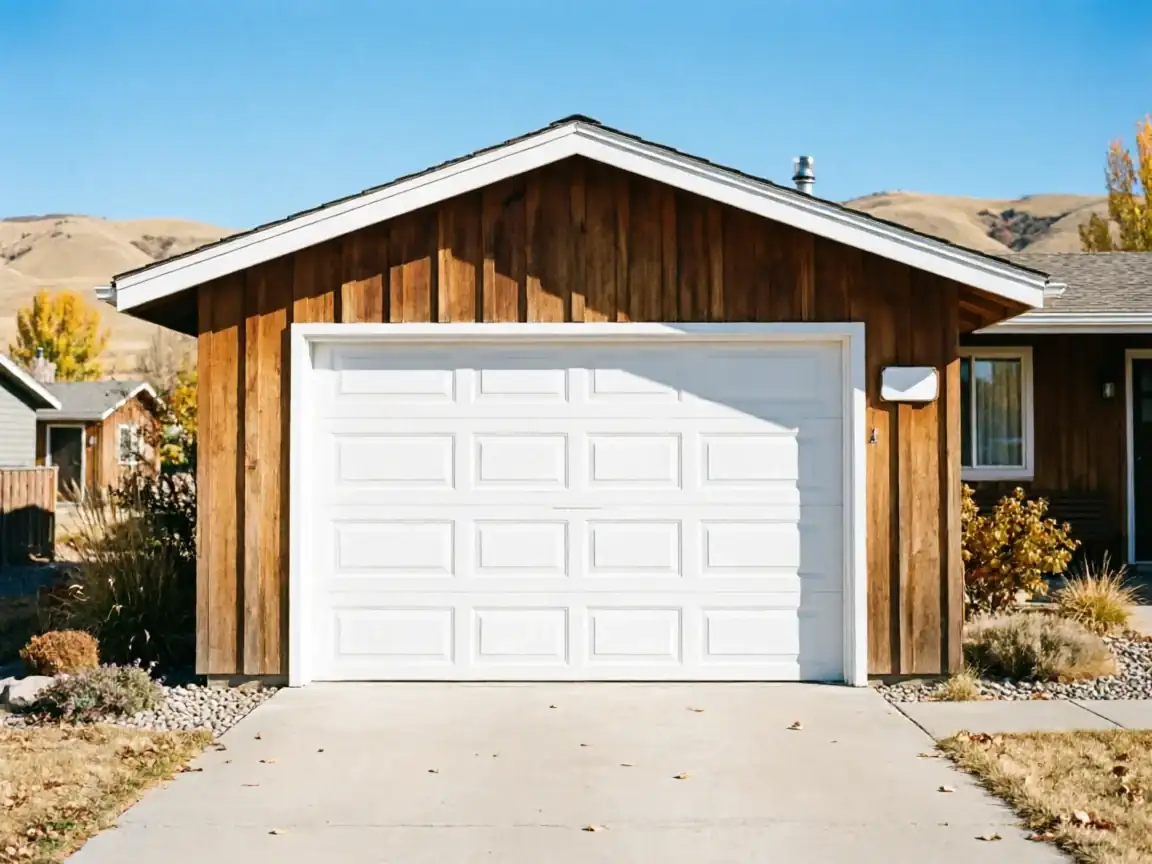
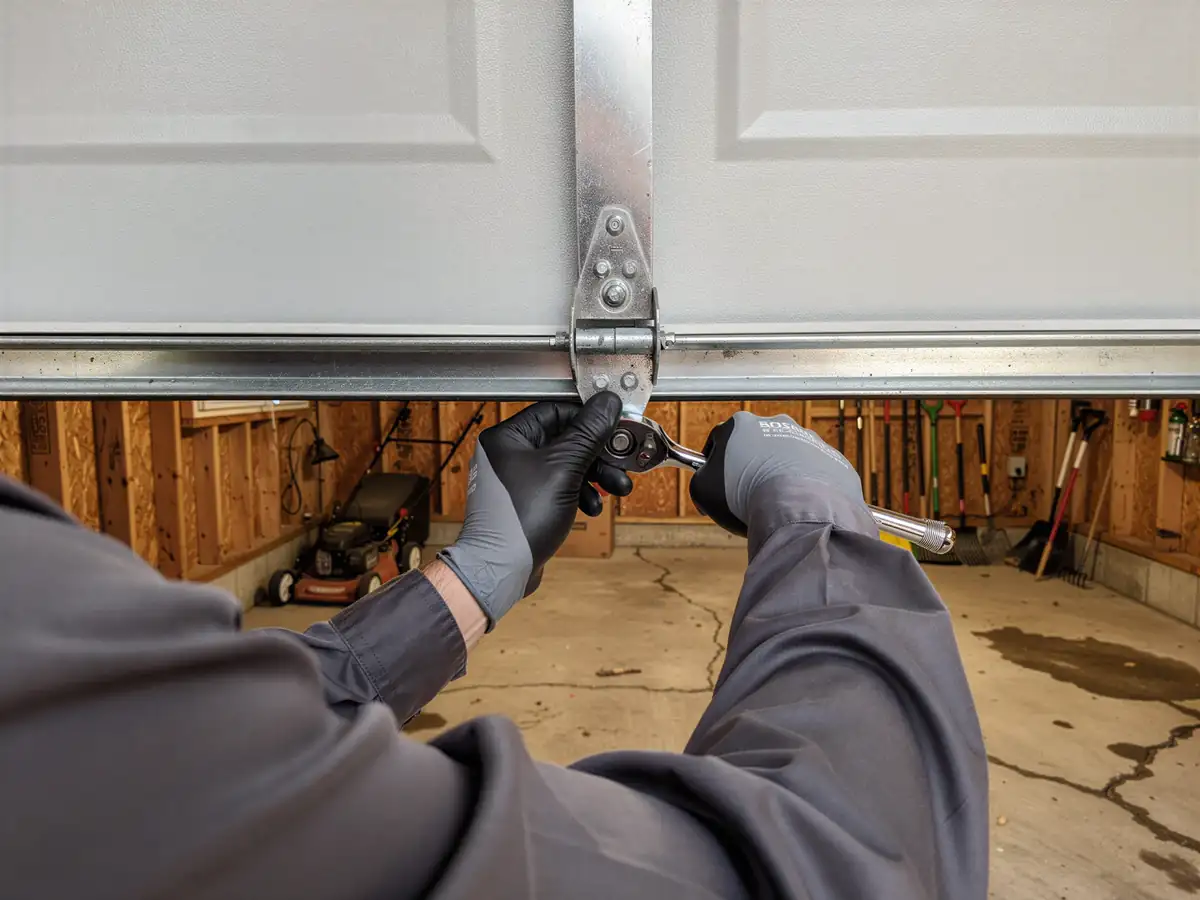
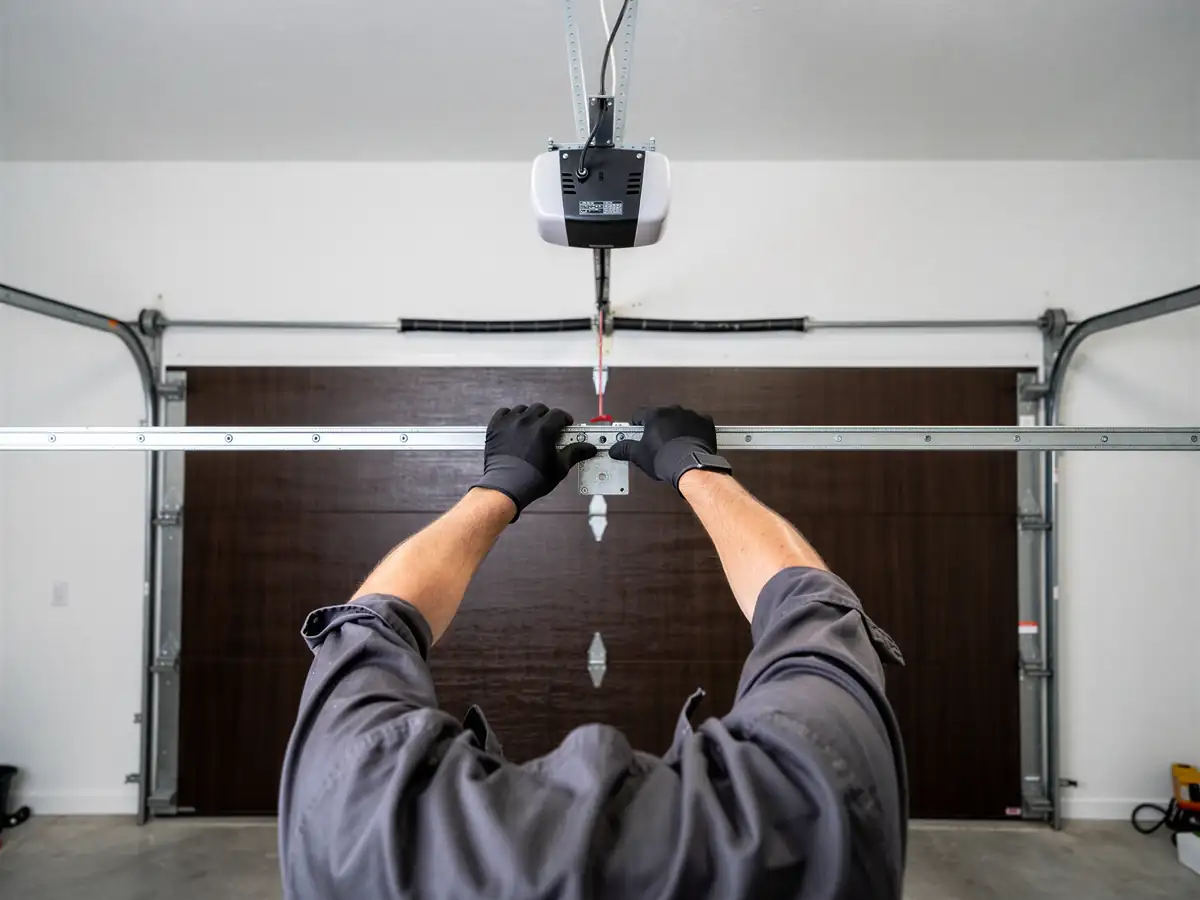
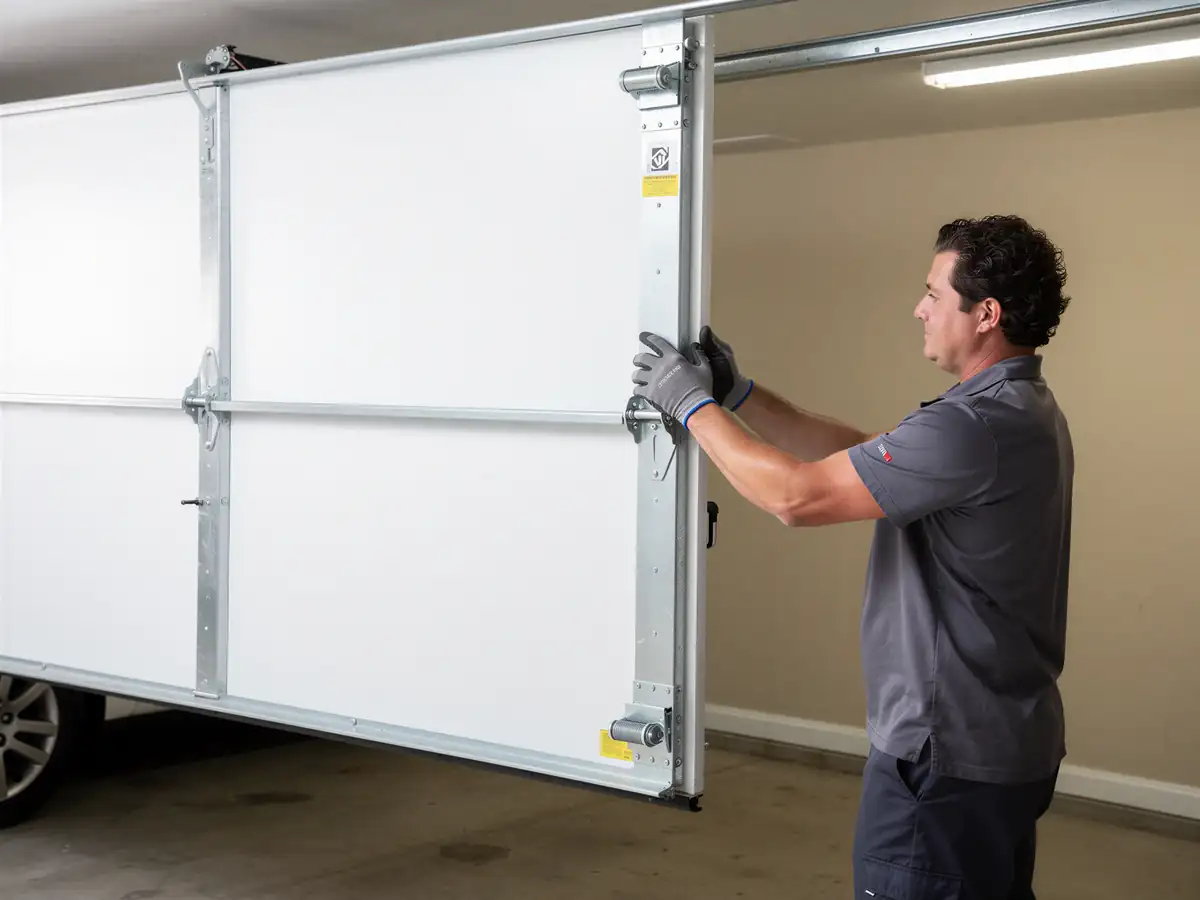
A technician in a gray shirt and gloves adjusts a white garage door.
Pocatello, ID
8 services
4 service areas
Diagnosis first, then the fix

What the Repair Takes

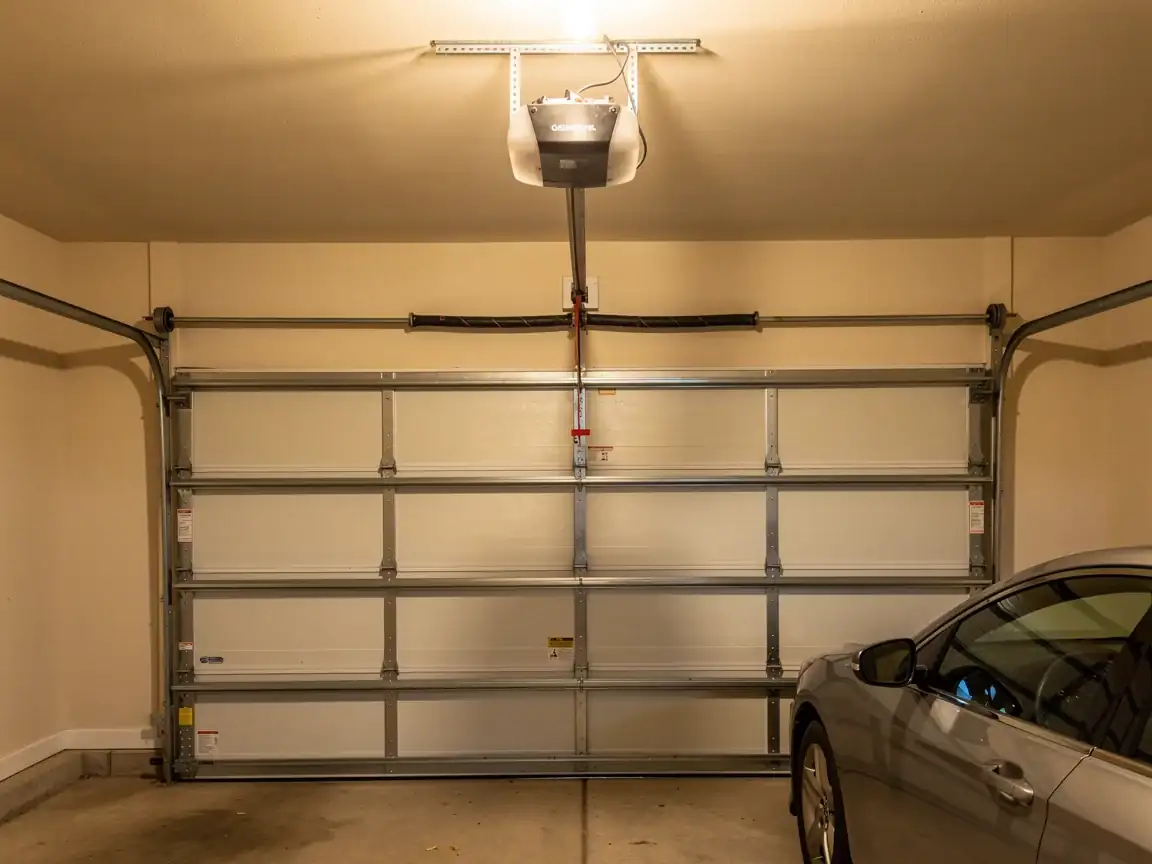
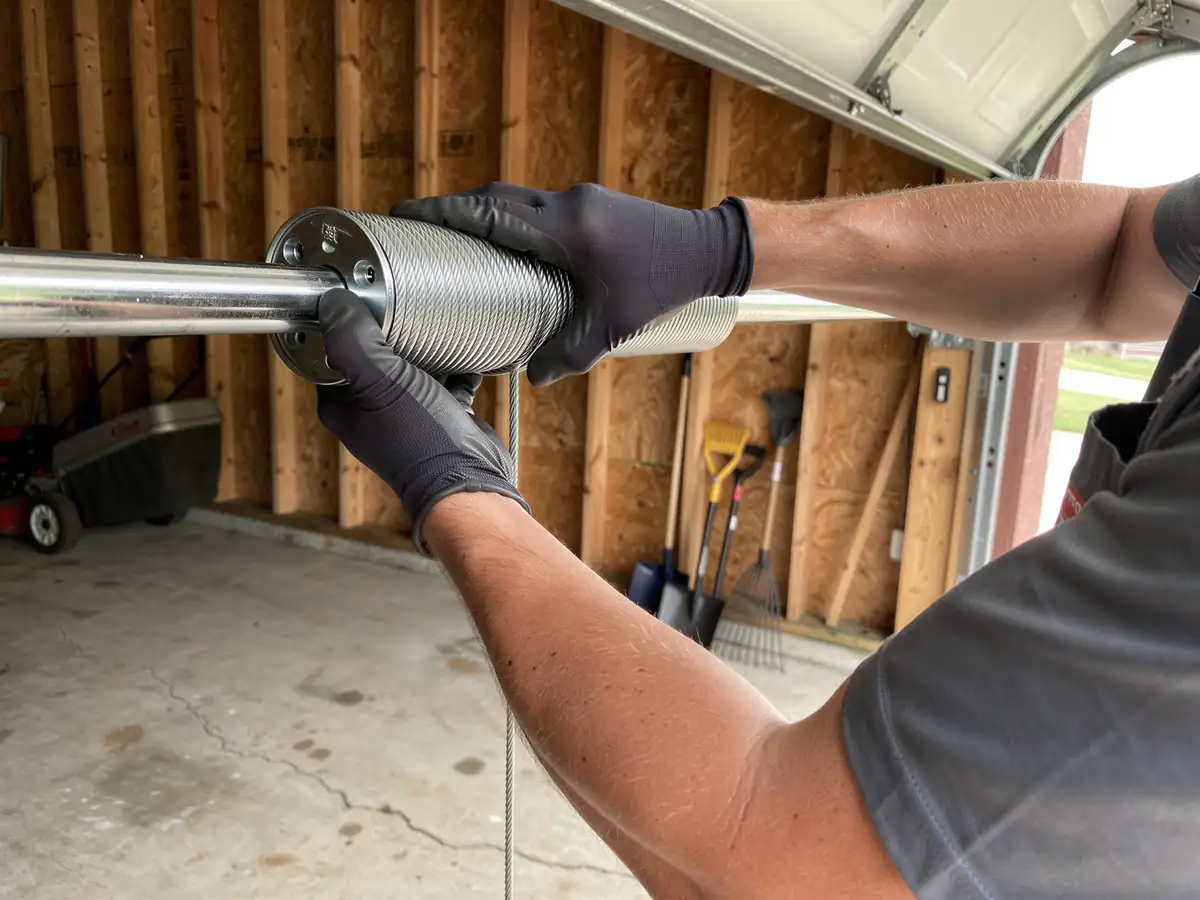
A maintenance visit on a Chubbuck door isn't a quick squirt of oil and a wave goodbye. The tech checks torsion spring tension, inspects cables for fraying at the drum, runs the rollers through their track to catch binding before it becomes a jump-off, and tests the opener's force settings against the door's actual weight. Most houses here went up around 1995, later than the 1964-to-1980 median across the rest of the service area, so the hardware is a step newer than what a tech finds on an older Pocatello street - but 1995 steel is still thirty years old, and springs don't last forever on a calendar, they last a fixed number of cycles. The visit also covers weatherstrip condition at the bottom seal and the track-to-wall fasteners, both of which loosen under repeated temperature swings. One honest limit: if a spring is already showing flat spots or visible rust pitting, maintenance won't extend its life much further - that's a replacement conversation, not a lubrication one, and a tech will tell you that on the spot rather than charge for a service that won't hold.

How to Book

Because Chubbuck sits four miles from Pocatello, a maintenance call here runs on the same truck and the same route as calls inside Pocatello proper - there's no separate branch or local crew, just a short drive that doesn't add a trip charge or change how the appointment is scheduled. You can look at what's covered area-wide on the Chubbuck area page, and the full breakdown of maintenance service itself, including what's done on every visit regardless of which part of the service area you're in, lives on the Pocatello garage door maintenance page. Booking a visit here works the same as booking one anywhere else in the service area: a tech comes out, walks the door, and tells you up front whether what you're hearing or feeling is a maintenance fix or something bigger. Given that Chubbuck's median household income runs notably higher than the service area average, more owners here tend to schedule routine upkeep on a yearly basis rather than waiting for a failure call, which is the cheaper way to own a door long-term.

The Symptom

The complaint that shows up most in a 1995-era Chubbuck house is a door that closes slower in January than it did in August, or an opener that groans and strains for the last six inches before it seats. That's not usually the opener dying - it's grease inside the torsion spring and on the rollers thickening in the cold, forcing the motor to work against resistance it wasn't sized for. A second common symptom: the door reverses on its own partway down, which on a chain-drive opener from this era almost always traces back to the close-force limit being set for warm-weather resistance and never adjusted for winter. Owners sometimes assume this means the opener board has failed, but on a door this age, worn hardware fighting the cold is the more likely story, and it's the cheaper one to fix. If the door has started dropping unevenly on one side, that's a cable or roller issue worth catching before a spring takes on uneven load and breaks under it.

What Causes It Around Here

The service area sits in a severe cold climate band, and that matters more for a 1995 door than people expect. Steel contracts in low temperatures, which tightens tolerances in the track and stiffens stranded steel cable just enough to add drag the opener has to overcome. Grease formulated for summer heat turns to something closer to wax at the temperatures this region sees for stretches of the winter, and that's the single biggest driver of the slow-close symptom described above. Torsion springs built in the mid-90s were engineered for a cycle count, not a calendar date, and a door on a thirty-year-old spring that's never been serviced is statistically closer to the end of its life than a spring on a 2015 door, regardless of how good it looks. None of this is unique to one house - it's a function of age plus climate, and it's exactly why a once-a-year check before winter catches problems while they're still a lubrication job instead of a torsion spring replacement done on an emergency call.

What It Costs

Maintenance pricing depends on the door's size, spring type, and how much the opener needs adjusted, and that's not something I can put a flat number on without seeing the door. What I can say is that a routine visit costs a fraction of an emergency spring replacement call, and catching worn cable or a misadjusted limit switch during a scheduled visit is almost always cheaper than waiting for it to fail on a Saturday morning when the door won't move at all. Given the median income in Chubbuck runs well above the broader service area, a lot of owners here treat the yearly visit as a fixed cost rather than something to put off, which tends to keep their doors out of the emergency-call column entirely. If you want an exact number for your door, that comes from the tech looking at it, not from a page - door size, spring count, and opener age all move the price enough that a guess here wouldn't be honest.

How it works

From “it’s stuck” to “it’s fixed”

A man in a blue shirt stands in a driveway holding a phone, facing a house.

Tell us what’s wrong

Describe the symptom - won’t open, loud bang, opener runs but the door won’t move.

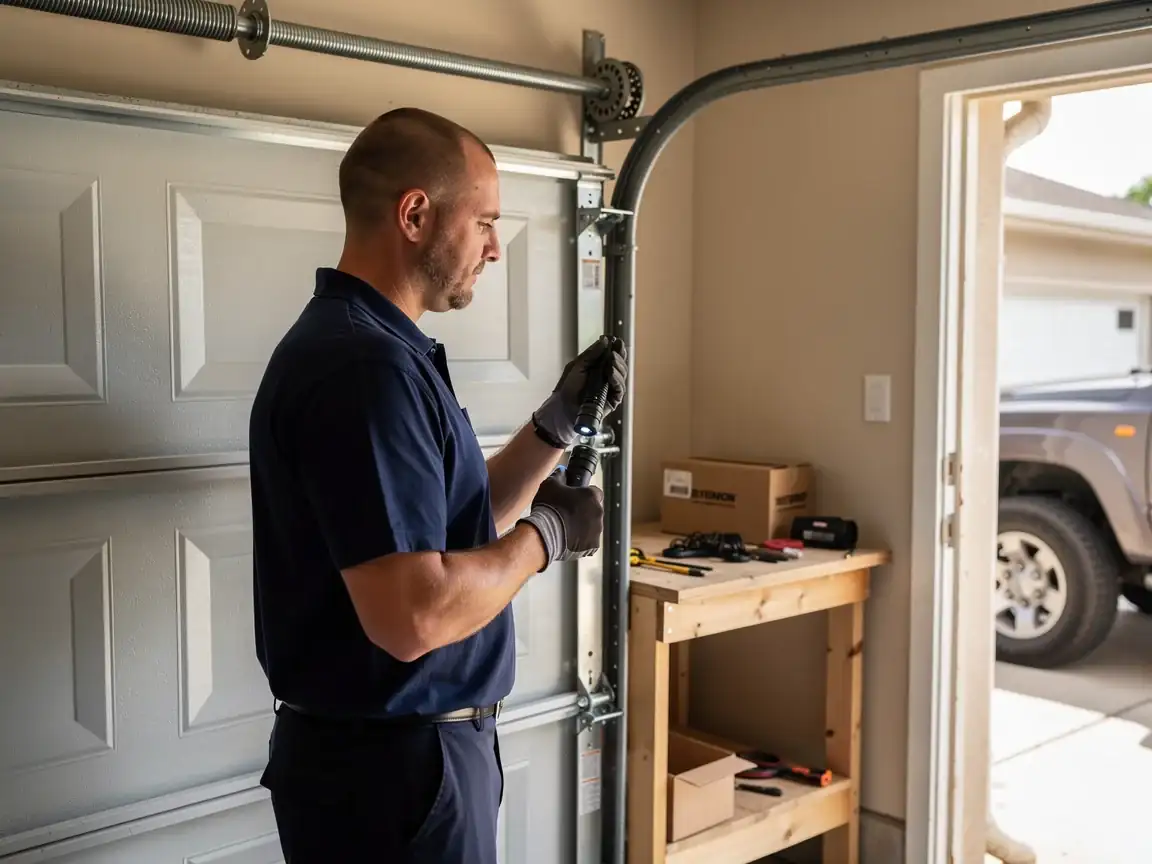
A technician in gloves holds a flashlight next to a white garage door.

On-site diagnosis

A technician tests the door under power and by hand and finds what actually failed.

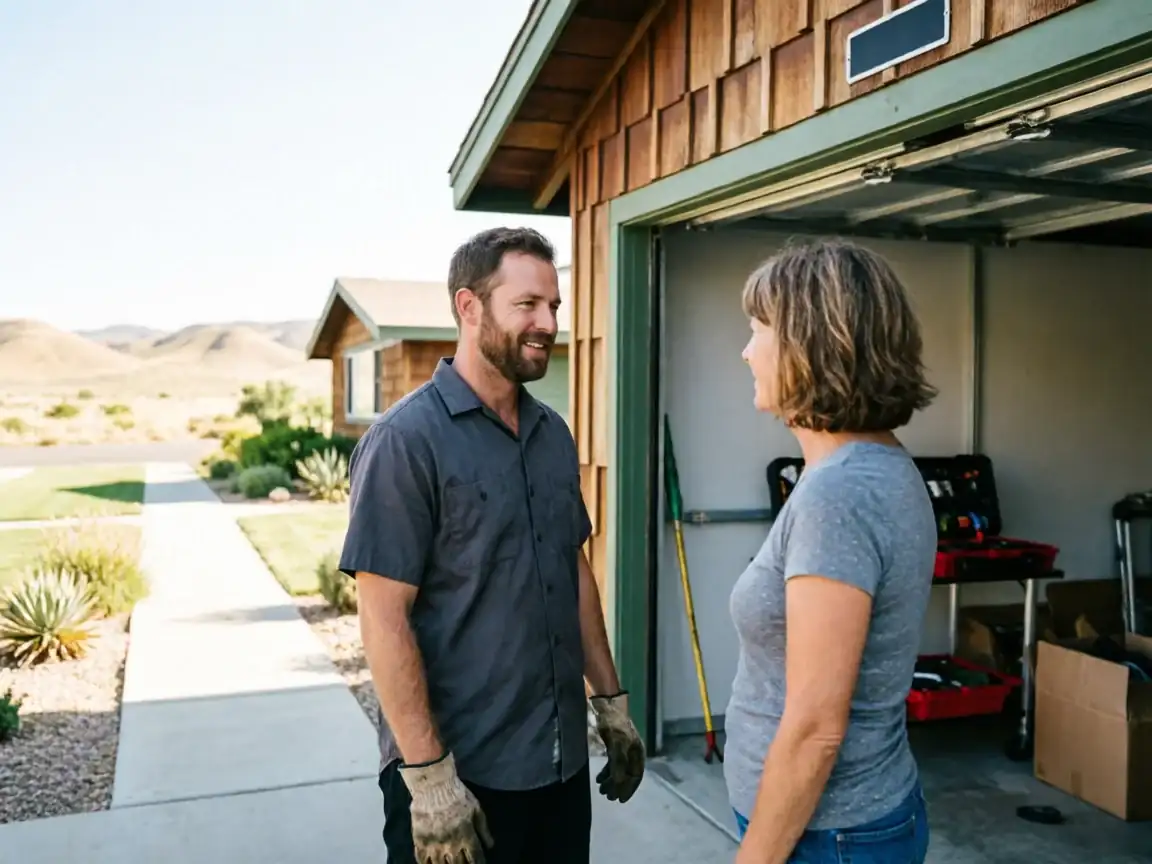
A technician wearing gloves talks to a woman in front of an open garage.

Clear, up-front plan

You get the fix that’s needed and what drives the cost - before any work starts.

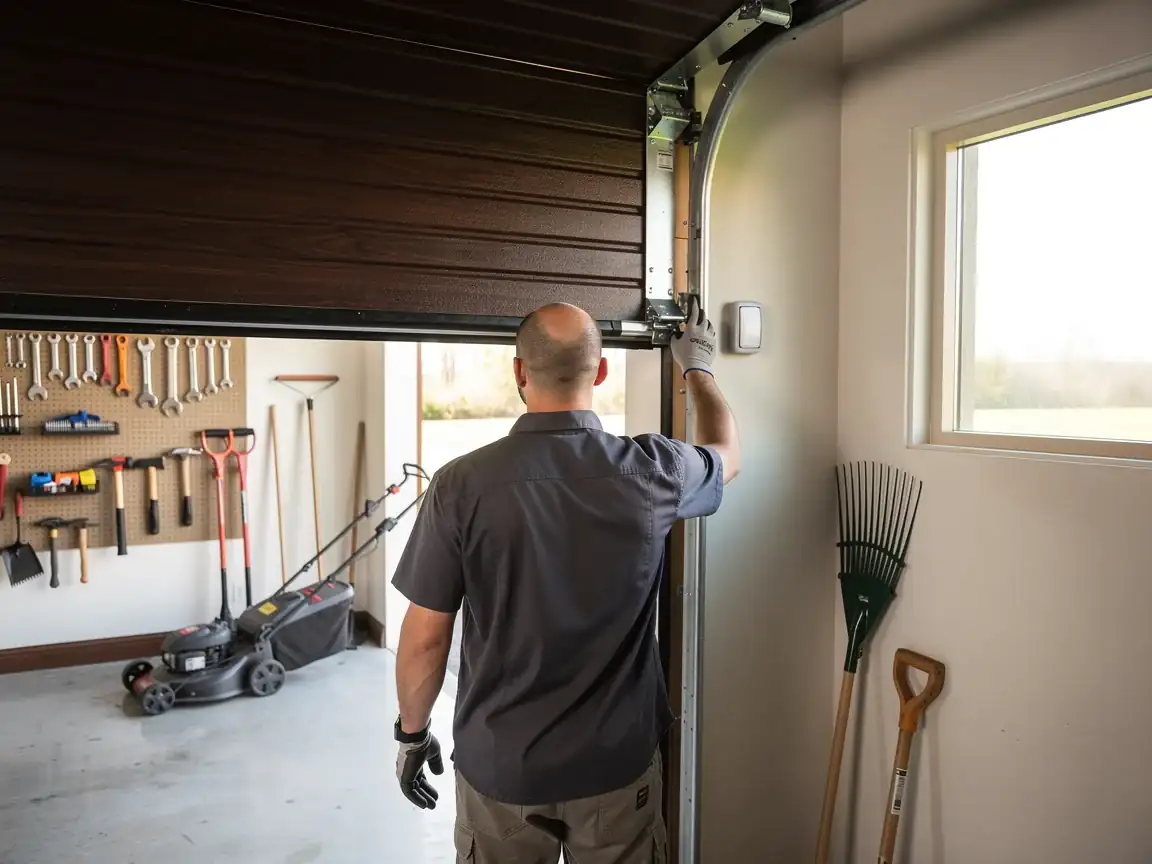
A technician adjusts the brown garage door track inside a garage.

Repaired & tested

The repair is done, the door is set true and tested, and the work area left clean.

Not sure which repair your door needs in Pocatello, ID? Describe what it’s doing - every job starts with a diagnosis.

How we work

What to expect

A straight, honest approach on every Pocatello job - diagnosis first, the right parts, and clean work.

01

Diagnosis first

Every visit starts by finding what actually failed - not a pre-written parts list.

02

The right part for the door

Springs and openers matched to the door’s weight and age, so the fix holds up.

03

Straight answers

When a repair makes more sense than a replacement - or the reverse - you hear it plainly.

04

Clean, careful work

Tension released safely, hardware set true, the door tested under power before we leave.

54,441
Residents in Pocatello
8
Garage door services
4
Neighborhoods & suburbs
ID
Serving Pocatello, ID
Questions

Frequently asked

Straight answers about garage door repair in Pocatello. Still unsure? Ask us directly.

How often should a garage door in Chubbuck get serviced?

Once a year, ideally before winter sets in, since the cold-band temperatures here are what drive most of the slow-close and strained-opener complaints. A pre-winter check catches hardened grease and loosening fasteners before the cold makes them worse, and it's the cheapest point in the problem to fix them.

Does the distance from Pocatello add to the cost of a maintenance visit?

No. Chubbuck is four miles from Pocatello and covered on the same route as calls inside city limits, so there's no separate branch fee or added charge tied to the drive itself.

My door is from 1995 - is it too old to just maintain instead of replace?

Not on its own. A 1995 door with intact hardware and a spring that hasn't fatigued can usually keep going with regular service. The tech checks spring condition, cable wear, and track alignment on the visit and tells you honestly if you're past the point where maintenance is worth it.

Why does my opener strain more in winter than summer?

Grease inside the spring and on the rollers thickens in cold temperatures, adding resistance the motor wasn't built to fight year-round. It's usually a lubrication and limit-adjustment fix, not a sign the opener itself is failing.

Ready to get your garage door sorted?

Tell us what it’s doing and where you are in Pocatello - we’ll take it from there.

Request a QuoteCall