Where This Job Goes Sideways
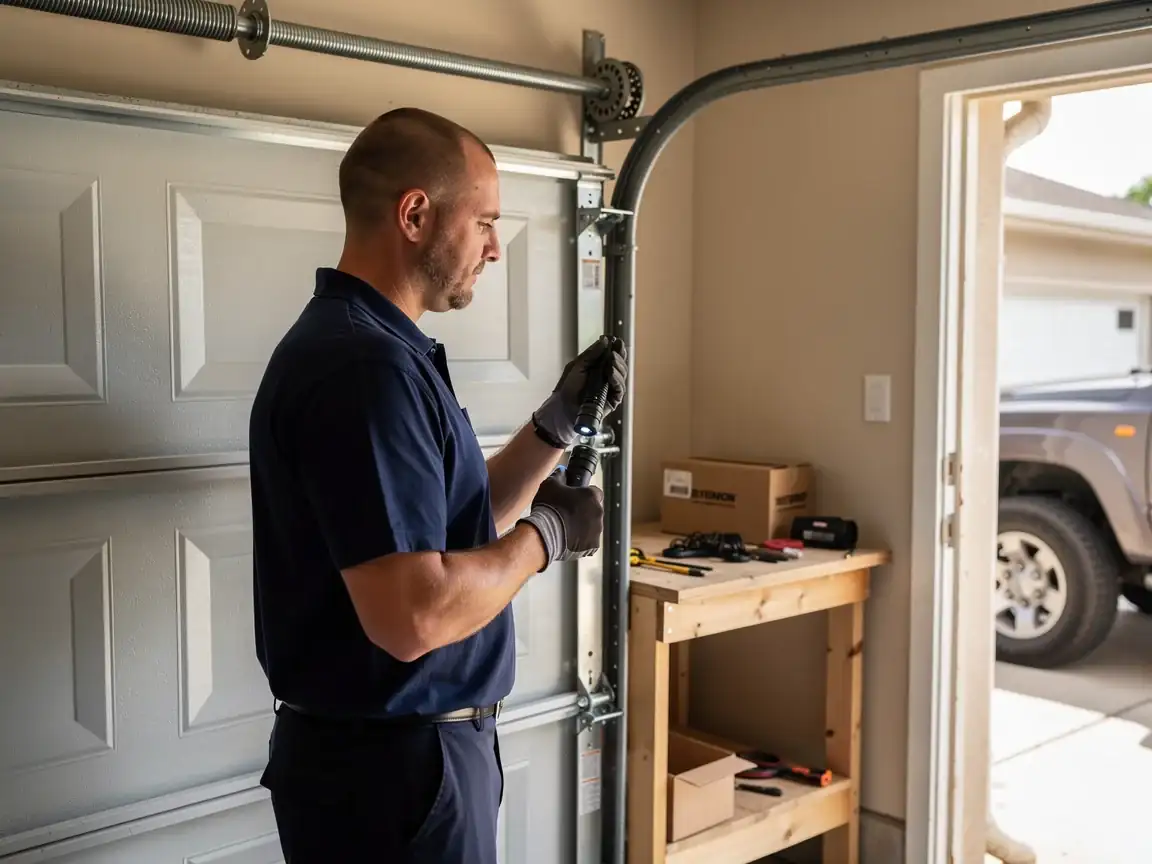
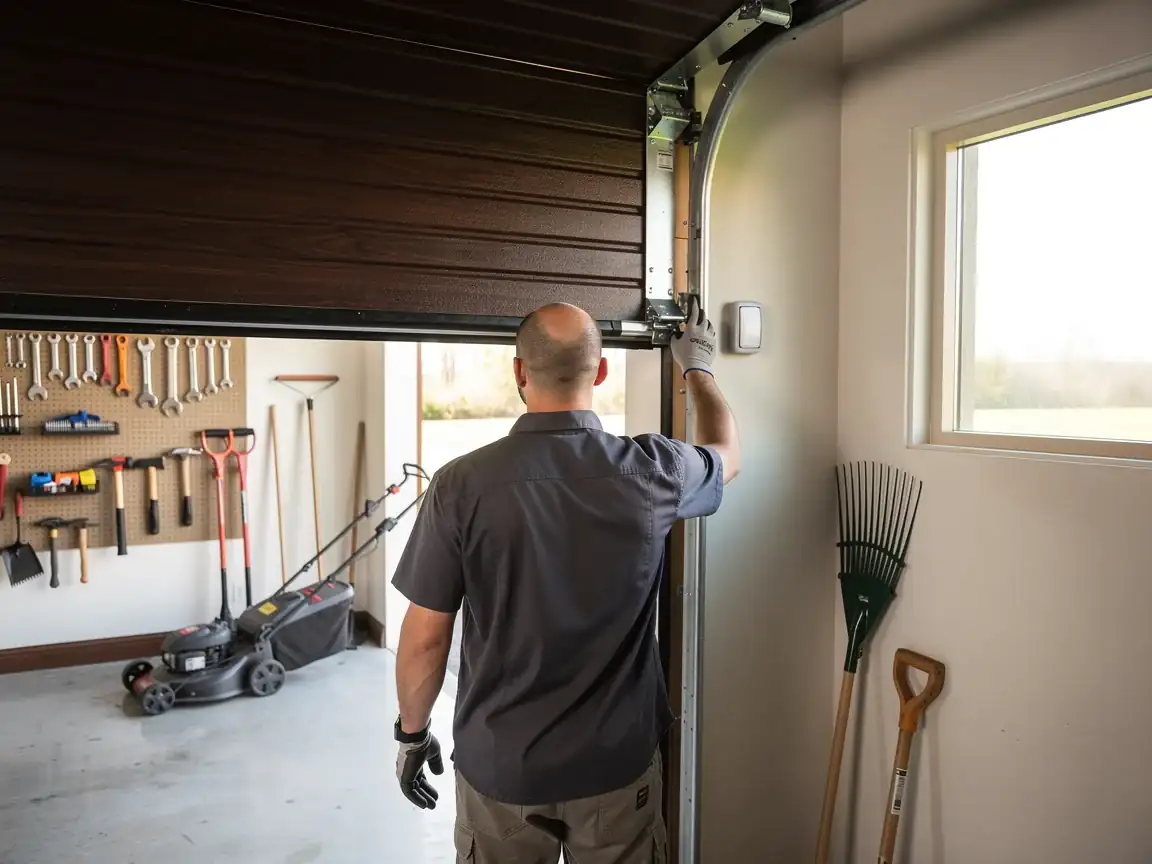
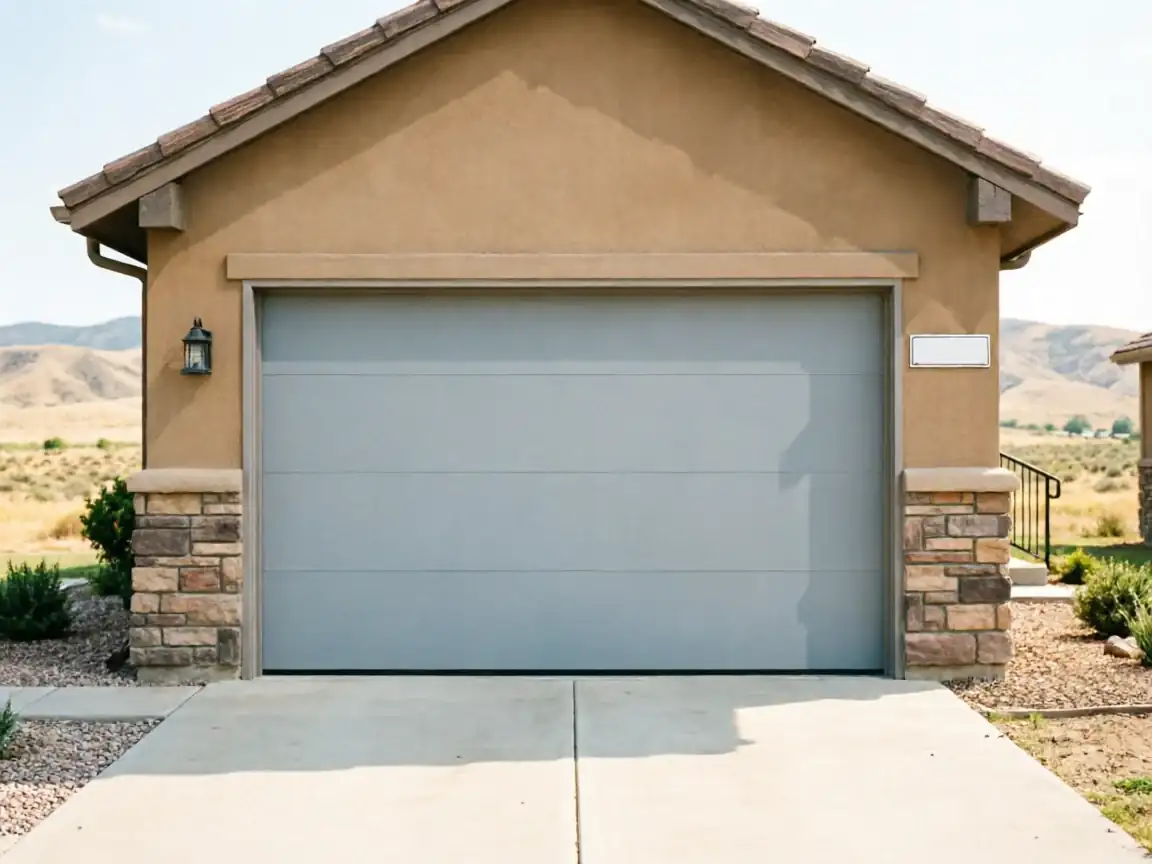
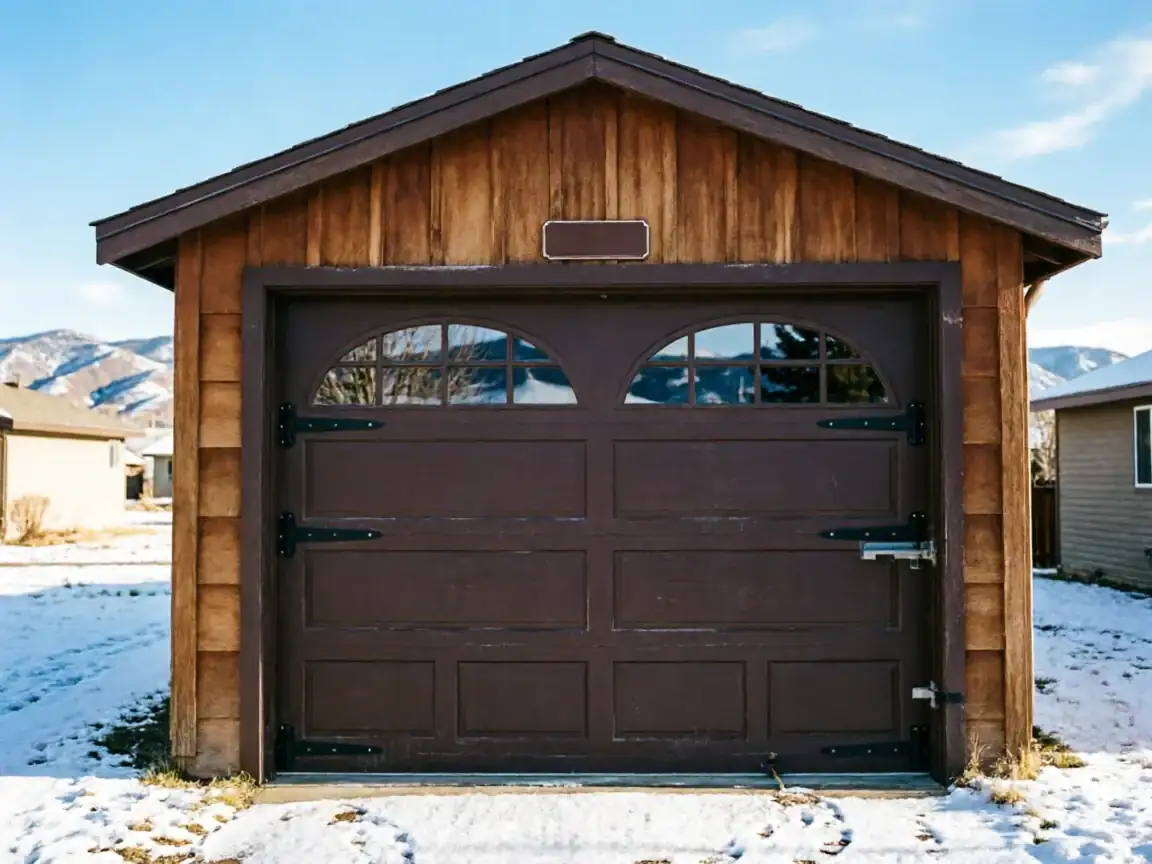
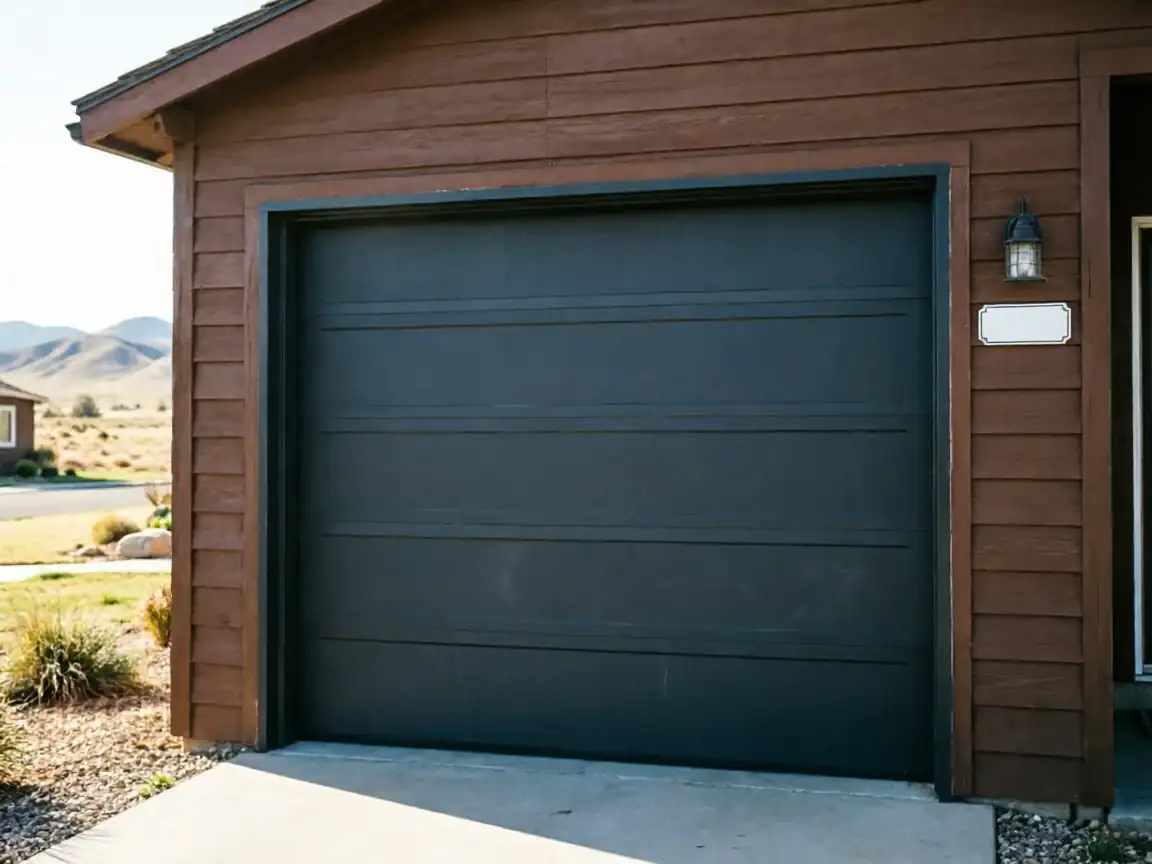
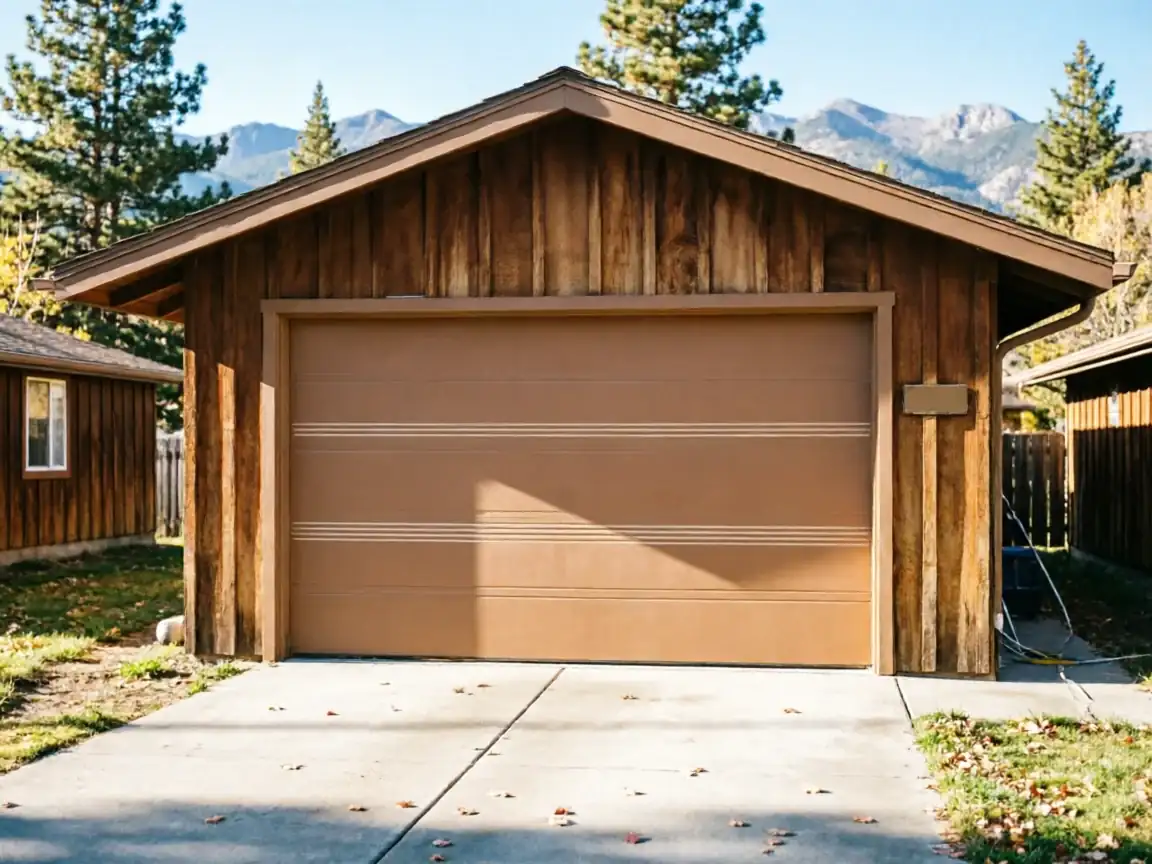
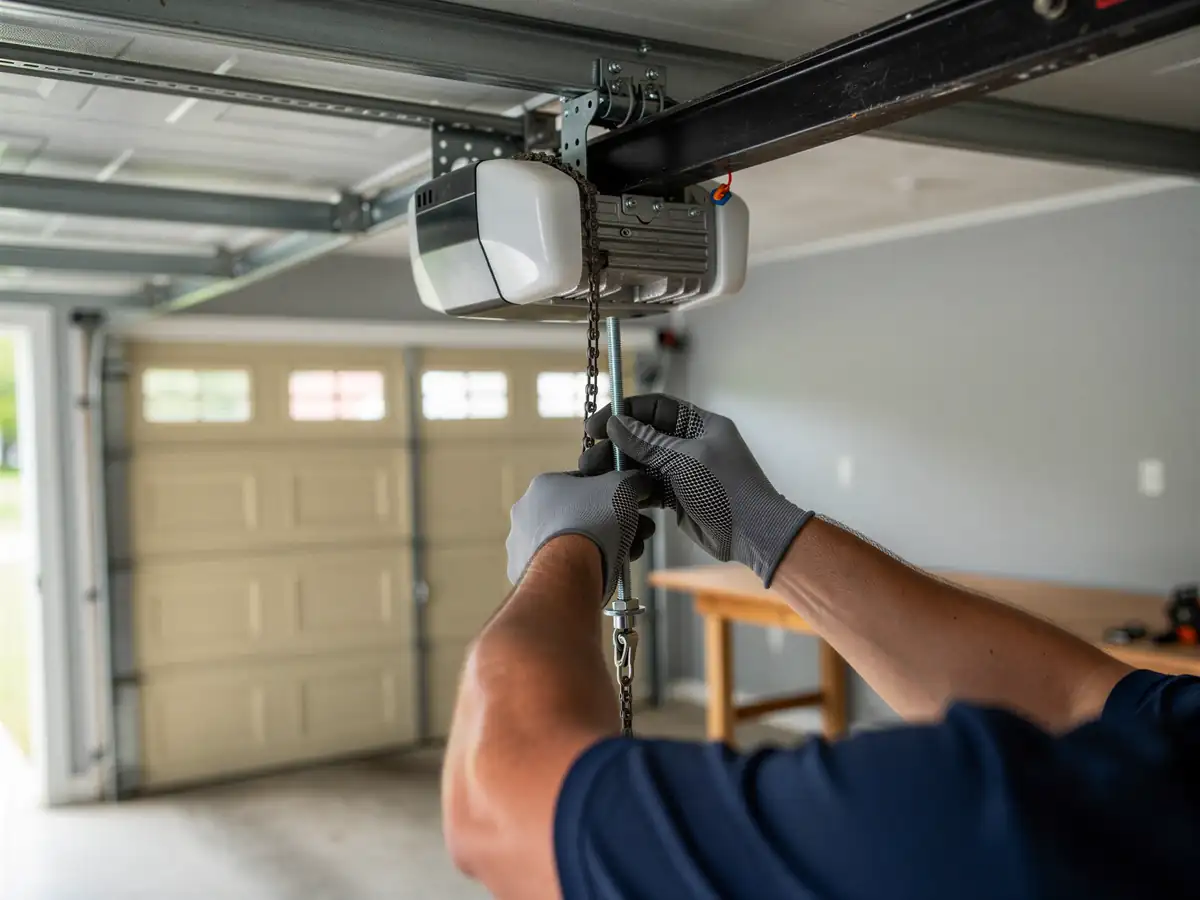
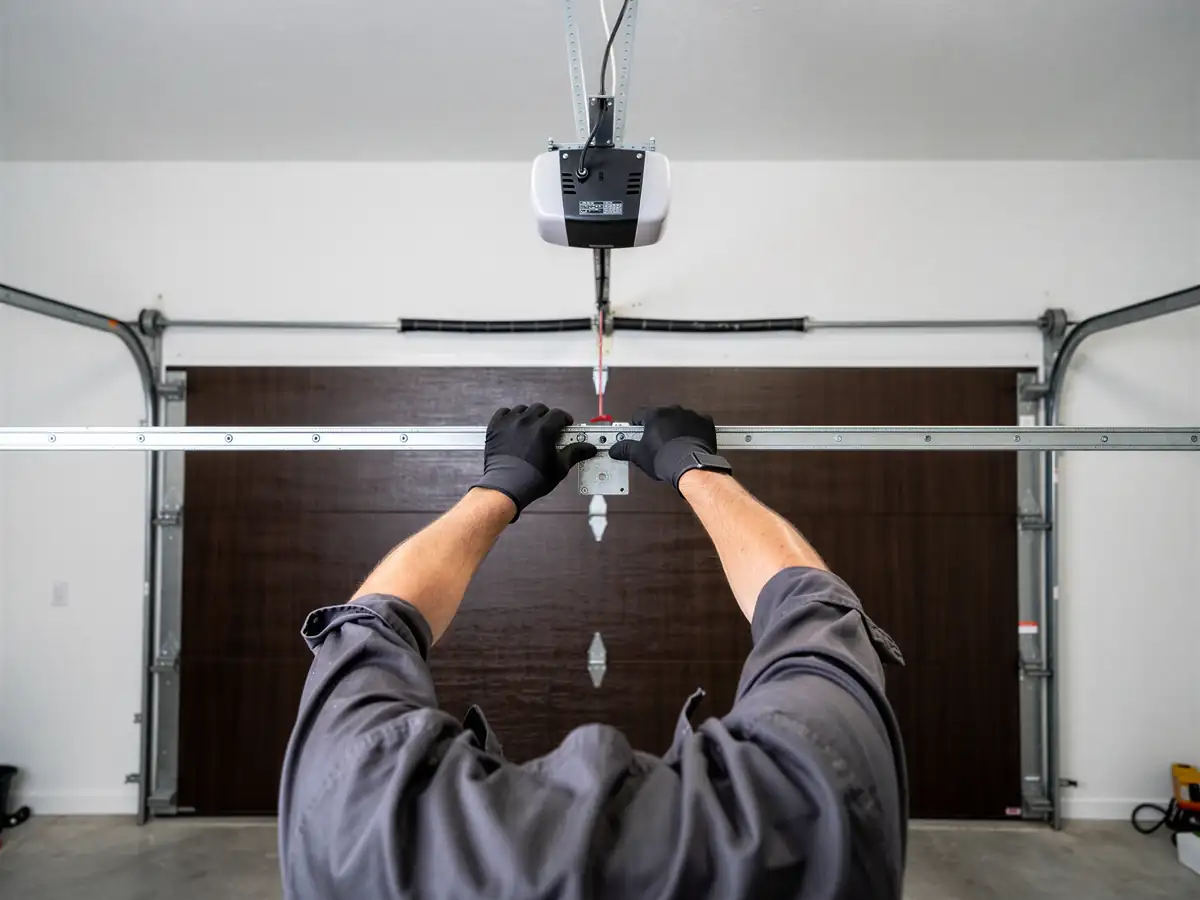
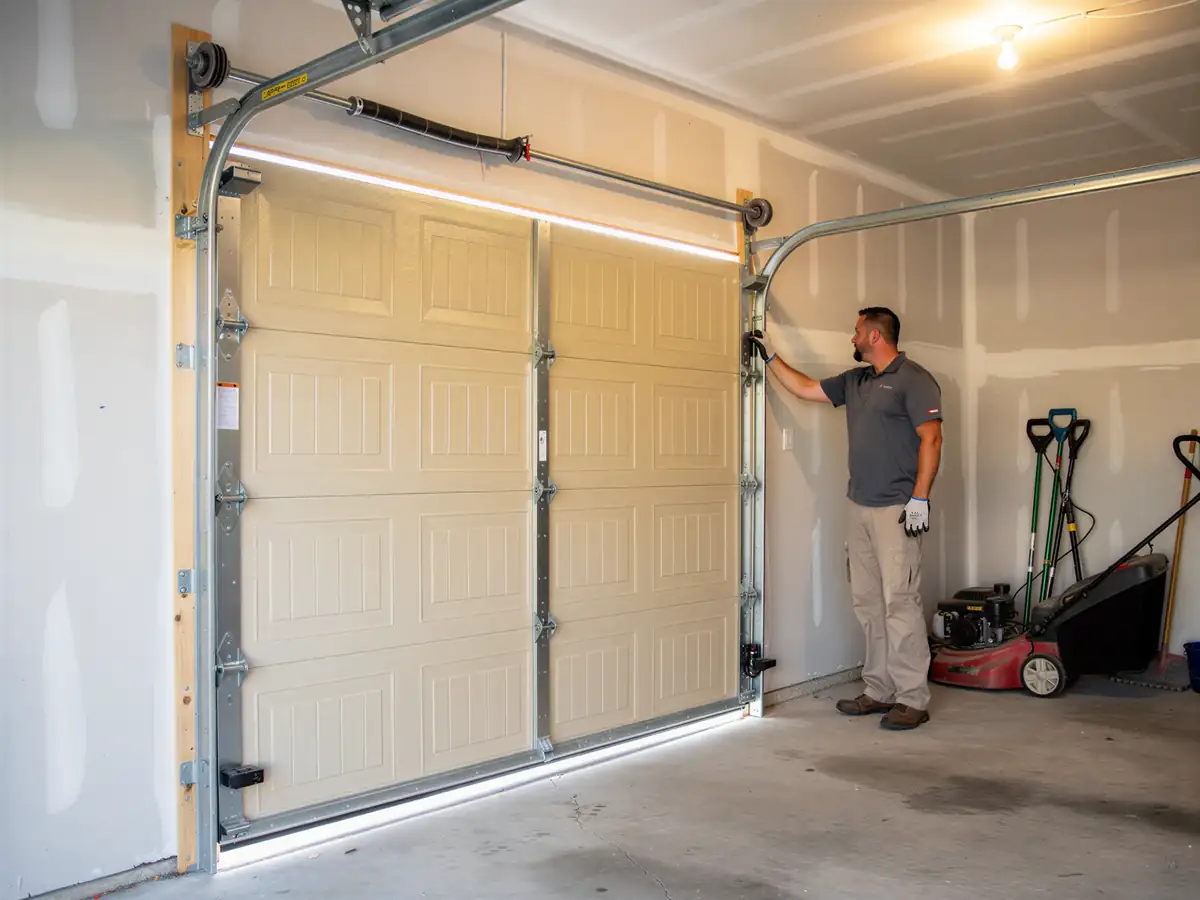
Pocatello's housing stock runs 1964 to 1995 overall, with a median build year around 1980. Fort Hall sits a few years ahead of that median, closer to 1977. That gap sounds small until you're standing in the garage. A door built in the mid-to-late 1970s usually predates the opener safety standards that became common through the 1980s and 90s - no photo-eye sensors, often no auto-reverse worth trusting, and headers framed for a narrower single door than what people want installed today. When we quote a new install out here, we're not just measuring the opening, we're checking whether the header and jamb can even take a modern 16-foot double without reframing. That's the part that gets missed on a phone quote and turns into a surprise on install day. We travel out from Pocatello for every job in this service area, so we price the header check into the visit instead of assuming the opening matches what's typical closer to town.
The DIY Question
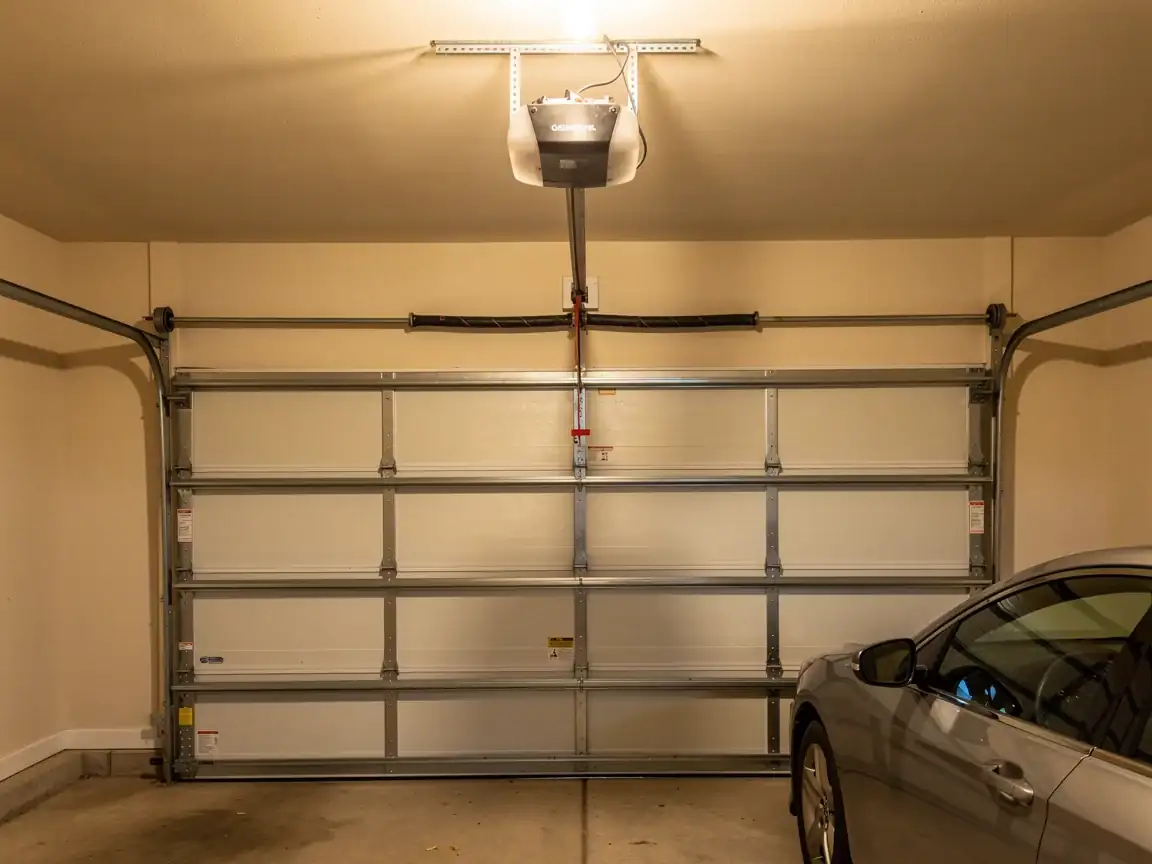
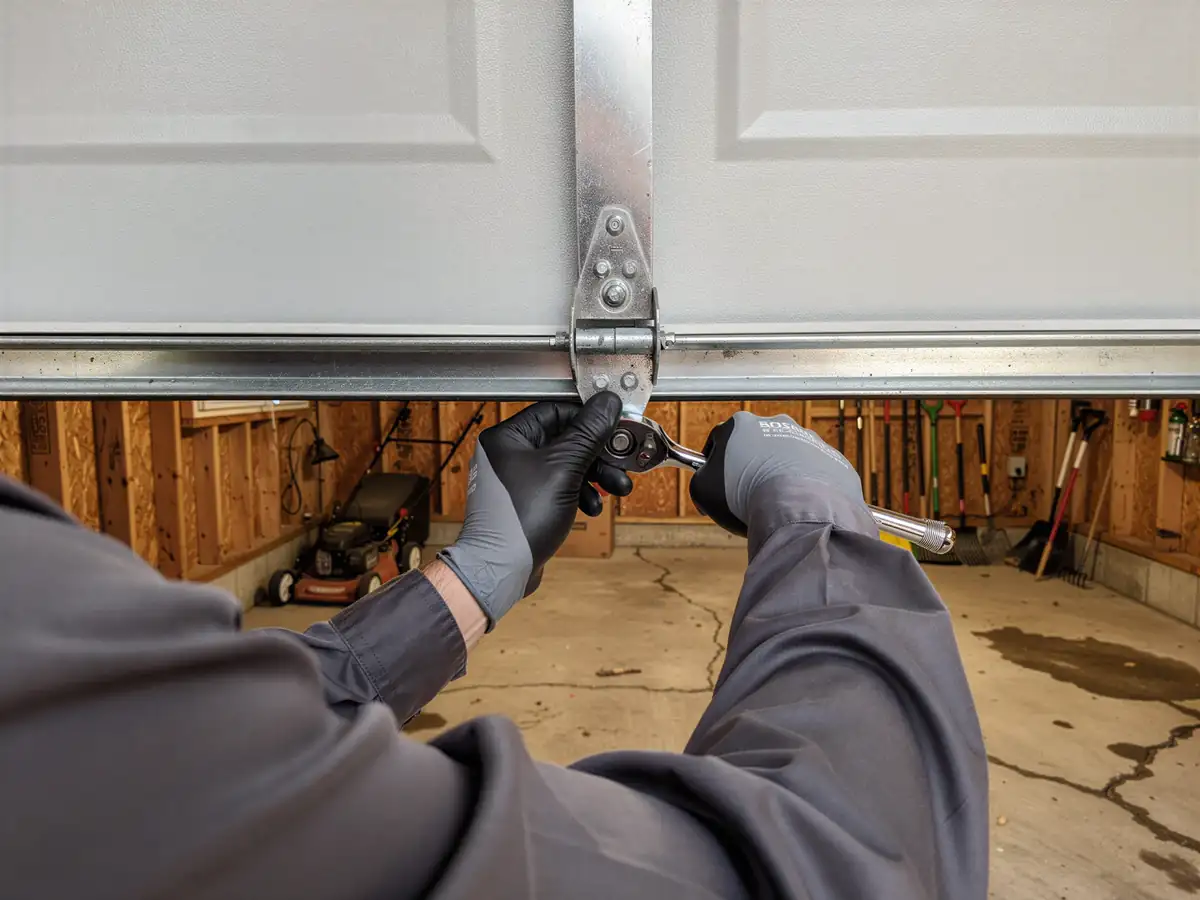
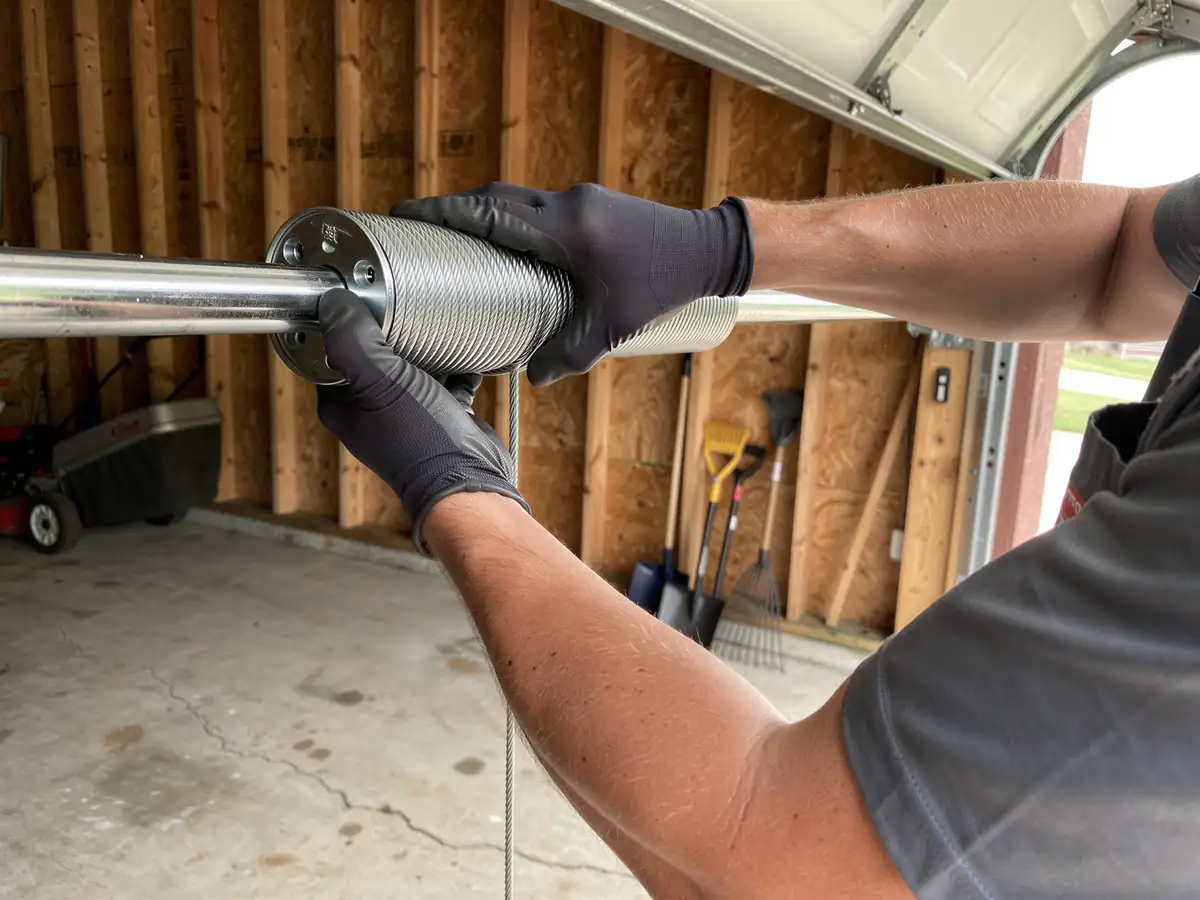
A new door kit from a big box store comes with generic installation instructions written for a generic header, and that's the problem described above - if your opening doesn't match standard dimensions because the house dates to the late 1970s, the kit's bracket spacing and track length may not fit without modification. Beyond fit, a new install usually means setting spring tension from scratch, not just adjusting an existing spring. Torsion spring winding bars under full tension are the single most common serious injury in this trade, full stop. We're not going to tell you nobody does their own install, some people do and do it fine. But if the opening needs reframing or the spring sizing is off from what the kit assumes, that's not a Saturday afternoon fix anymore, it's a redo.
What the Repair Takes
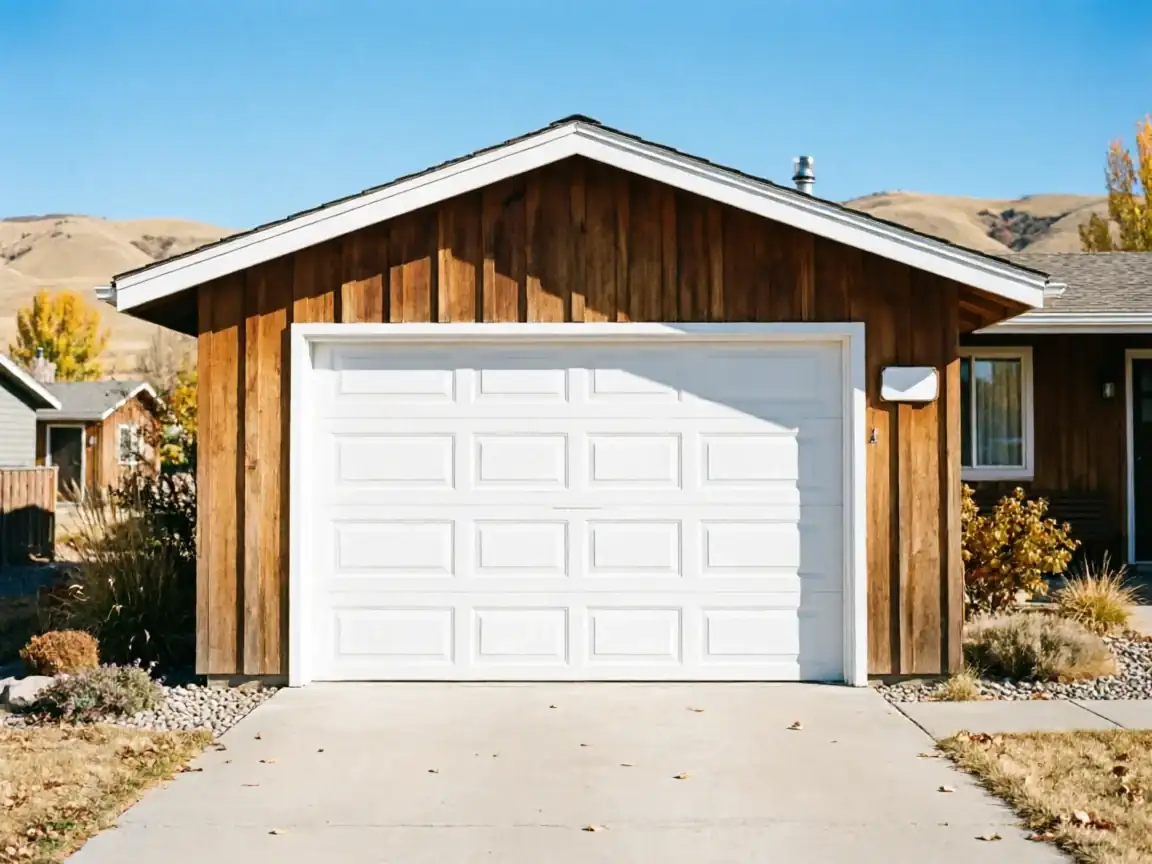
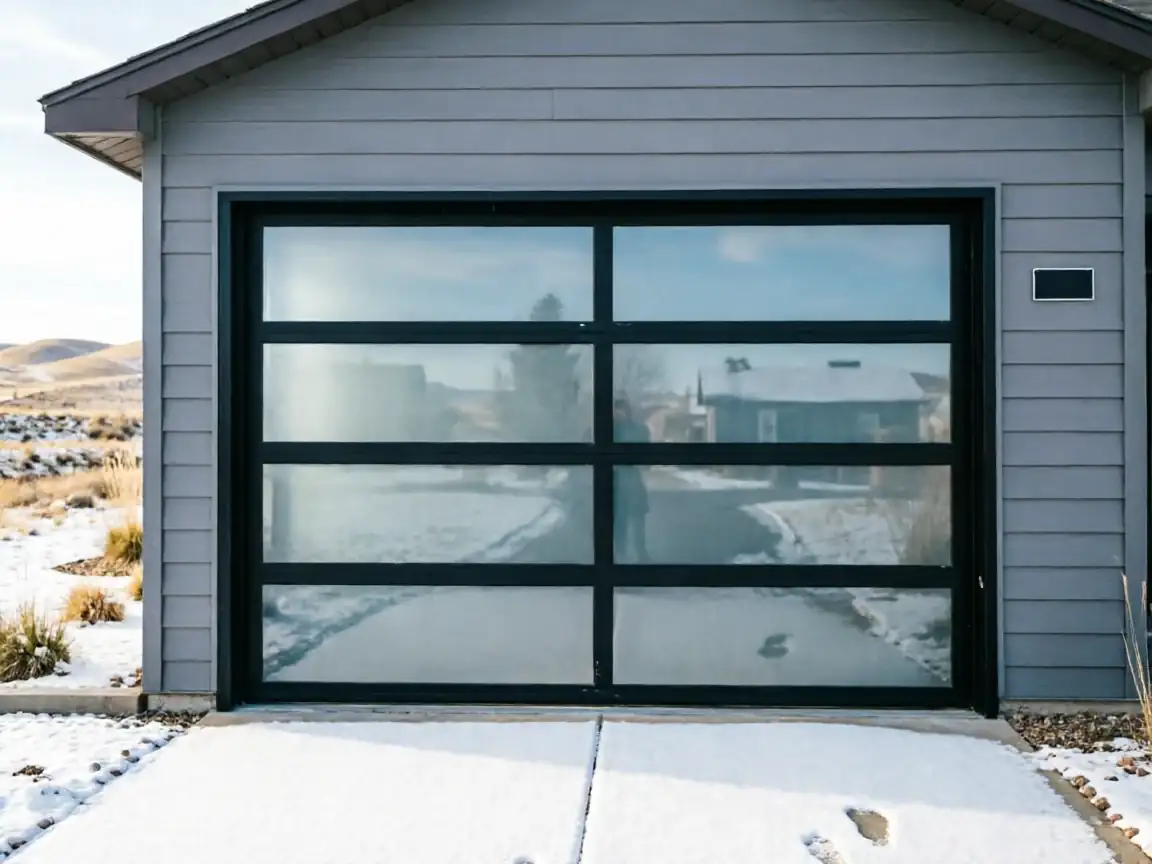
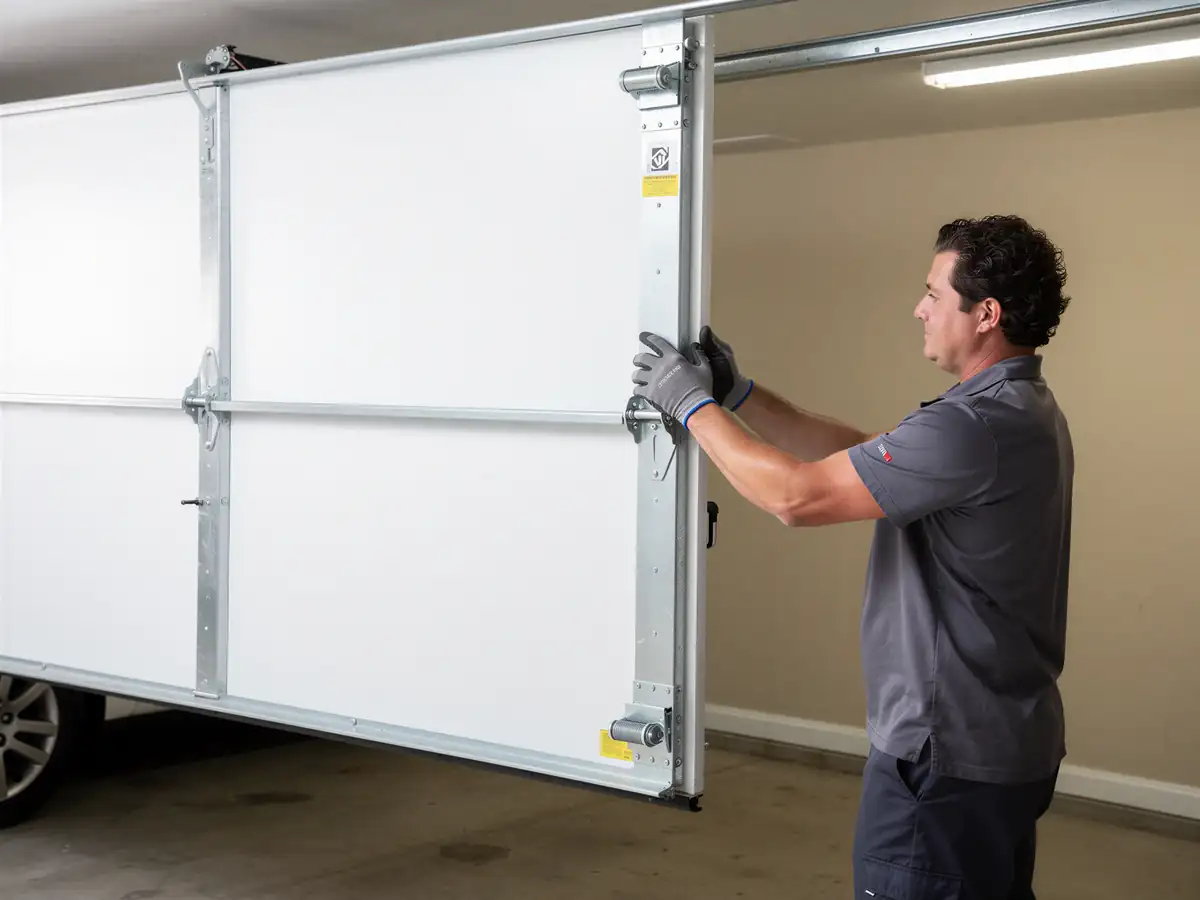
On a new install, the honest limitation is this: we can't quote header or jamb reframing sight unseen on a house we haven't measured, and with building stock here running older than the newer subdivisions closer to Pocatello, that's more often a real possibility than a formality. Climate matters too - this area sits in a severe cold band, and a new door install is the right time to deal with that properly: weatherstripping rated for the cold, insulated panels if the garage is attached to living space, and a bottom seal that won't crack stiff by January. With household income here running well under the wider service area's median, we'll tell you straight which upgrades are worth paying for now versus a 16-gauge single-layer door that does the basic job. We'd rather quote the real scope after a look at your opening than guess over the phone and redo it later.