Where This Job Goes Sideways
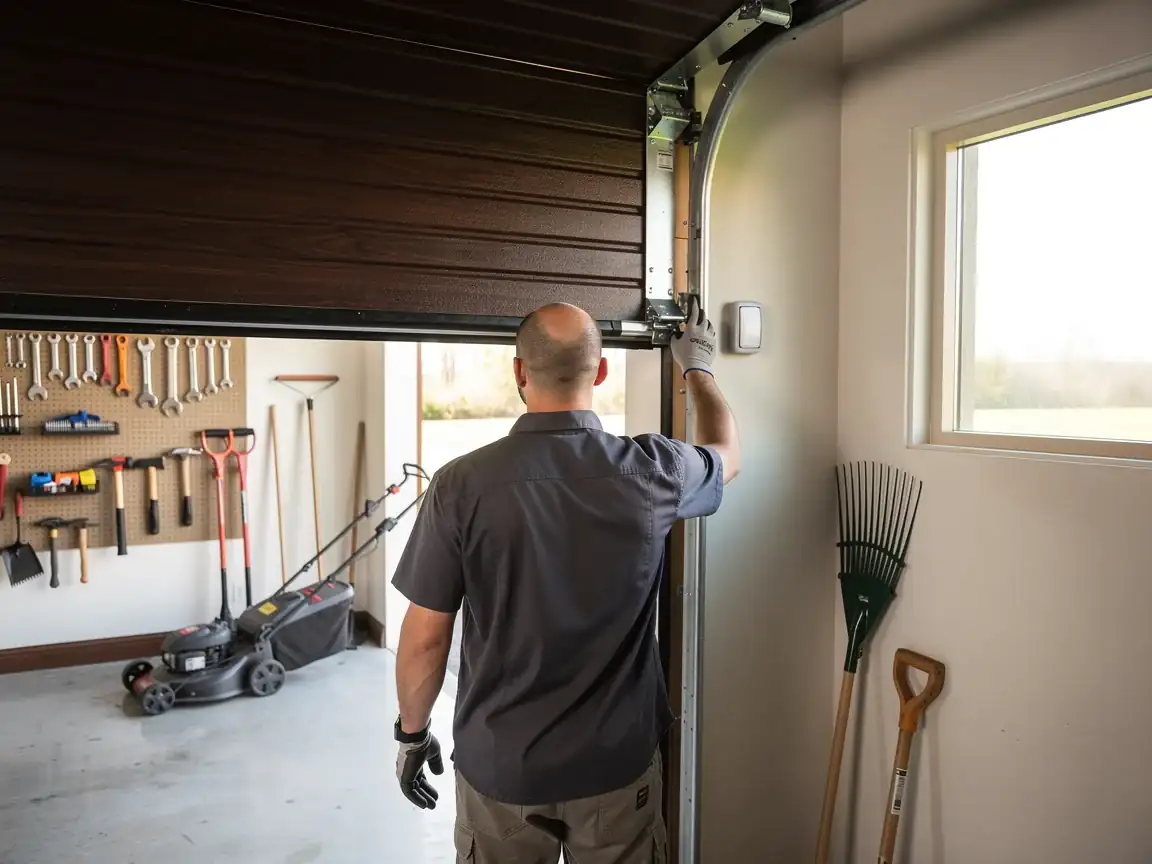
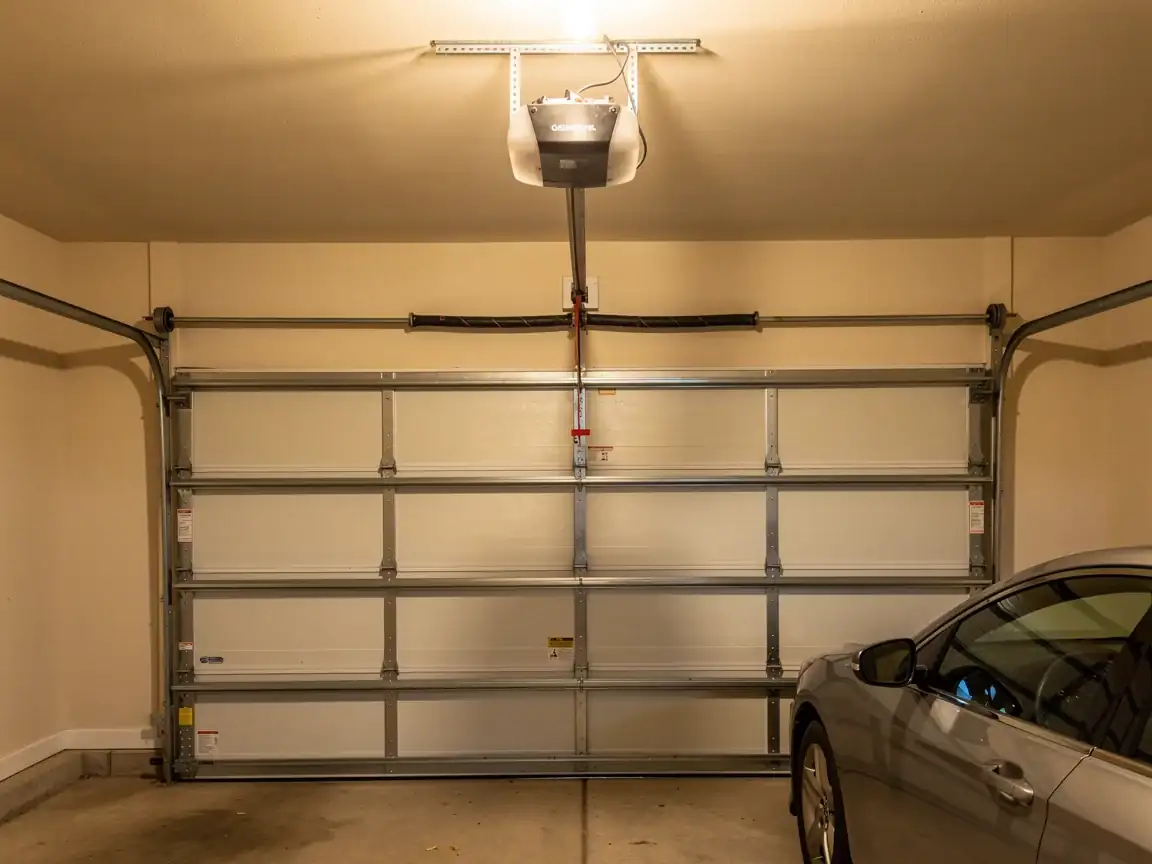
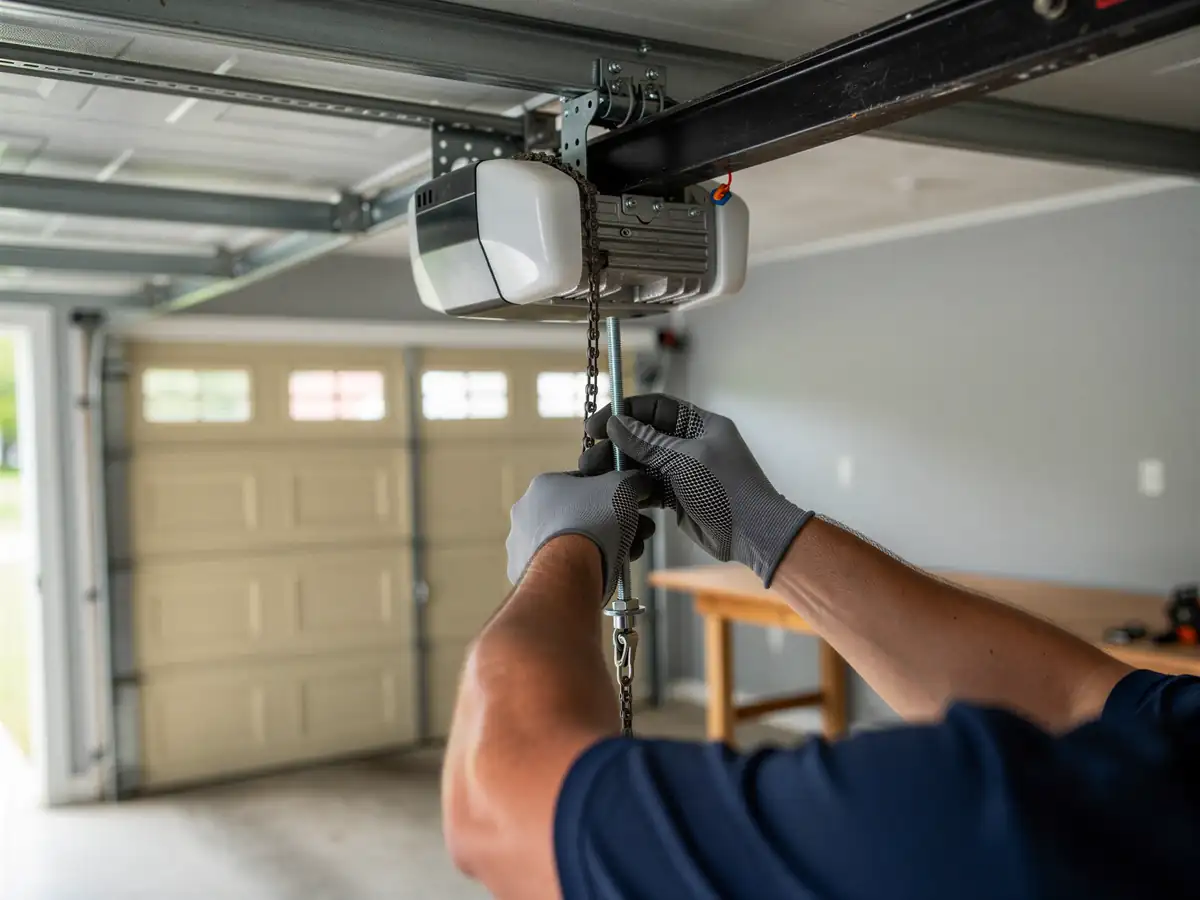
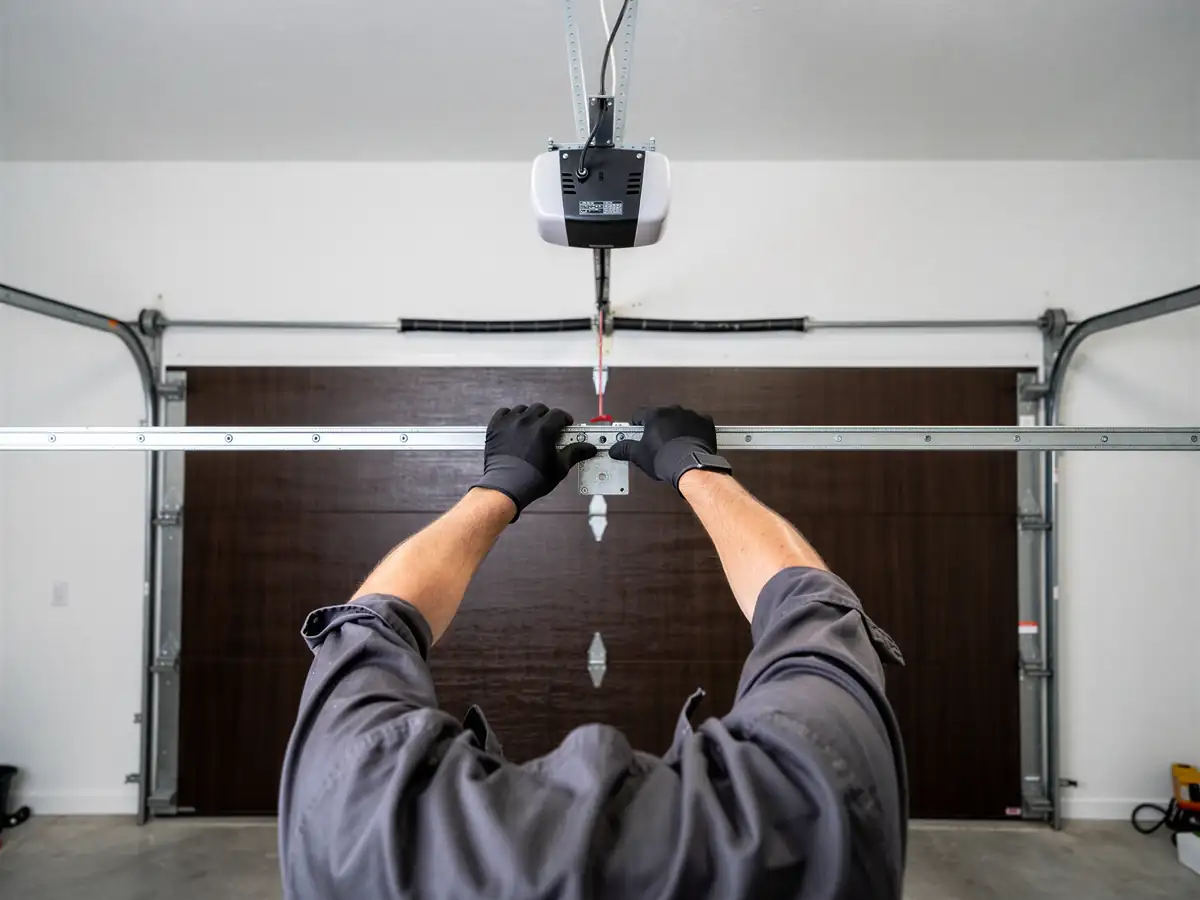
Most houses out here went up around 1977, which puts a lot of Fort Hall garages on their second or third opener by now, bolted to the same wood header the original builder framed. That header was sized for a chain-drive unit half the weight of what's sold today, and it was never built to carry a modern belt-drive with a battery backup box hanging off the rail. We see this every time we go out: the mounting bracket is fine for the old motor, undersized for the new one, and the drywall around the lag bolts has already started to crumble from forty-some years of door vibration.
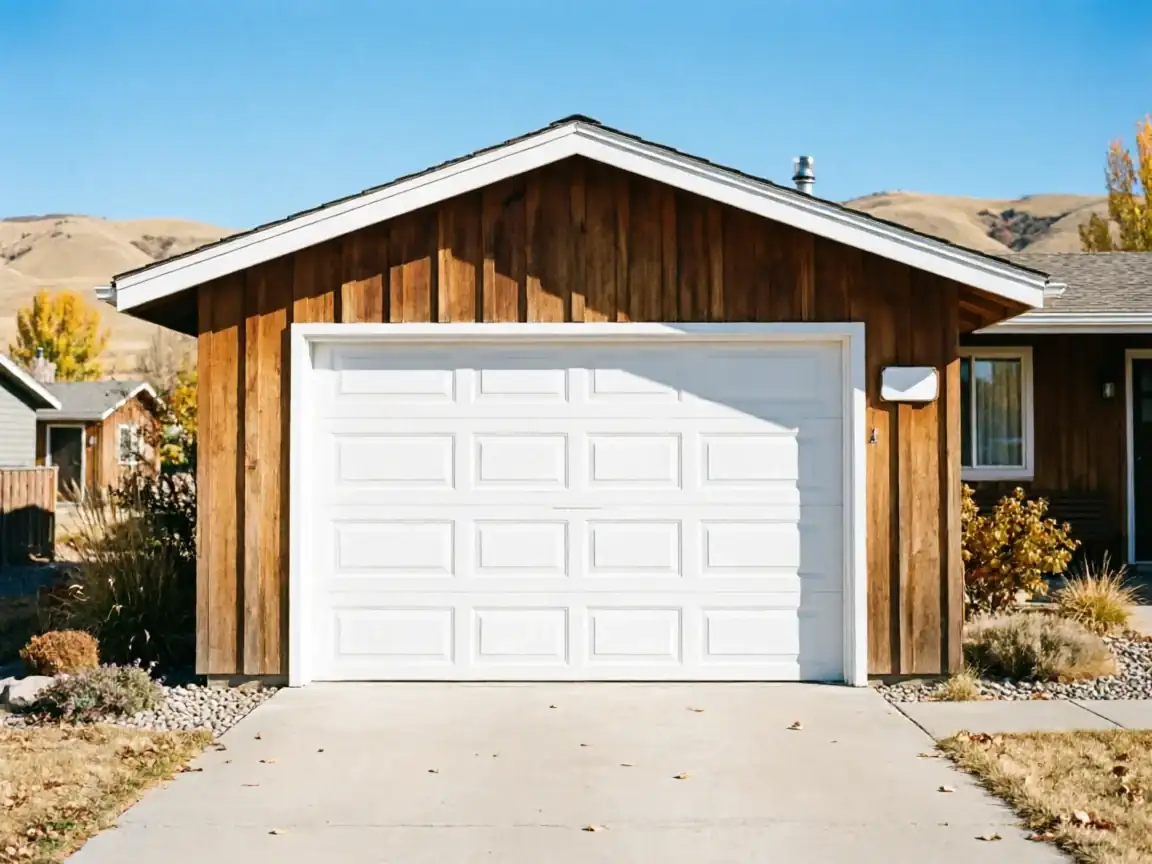
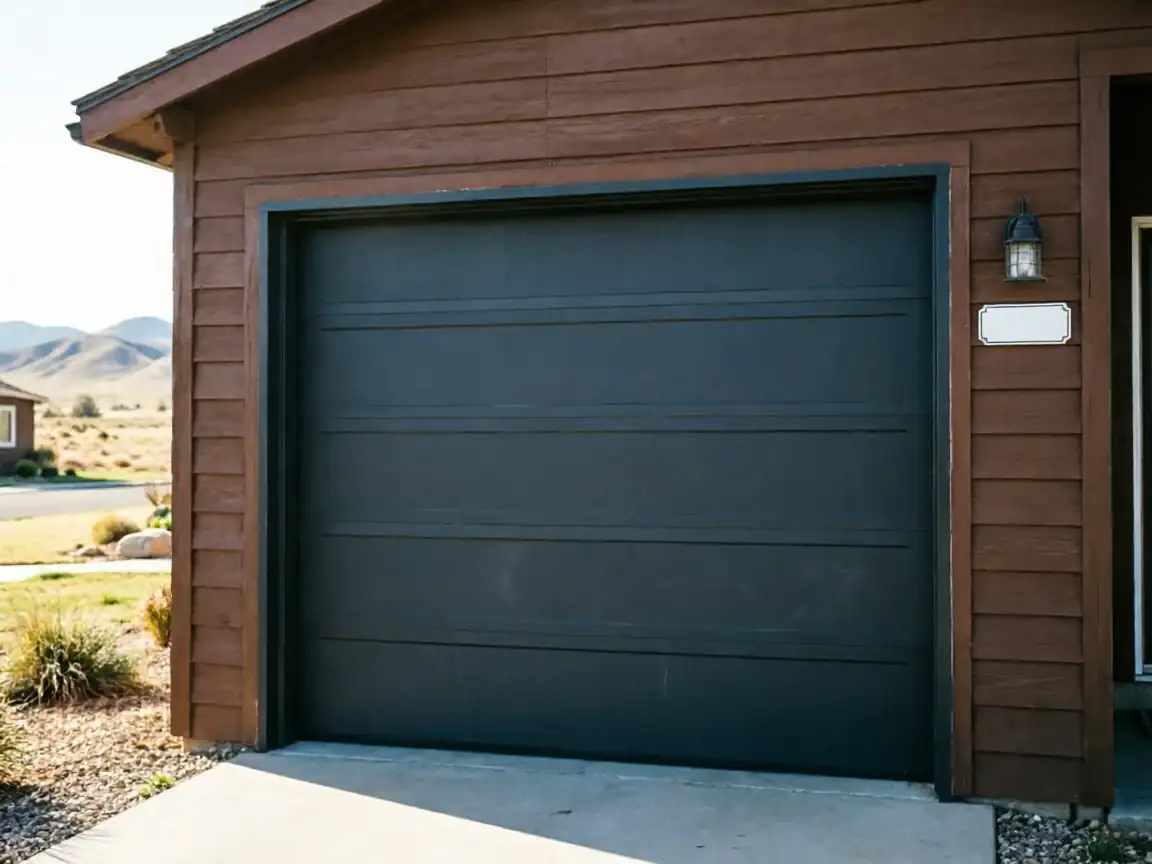
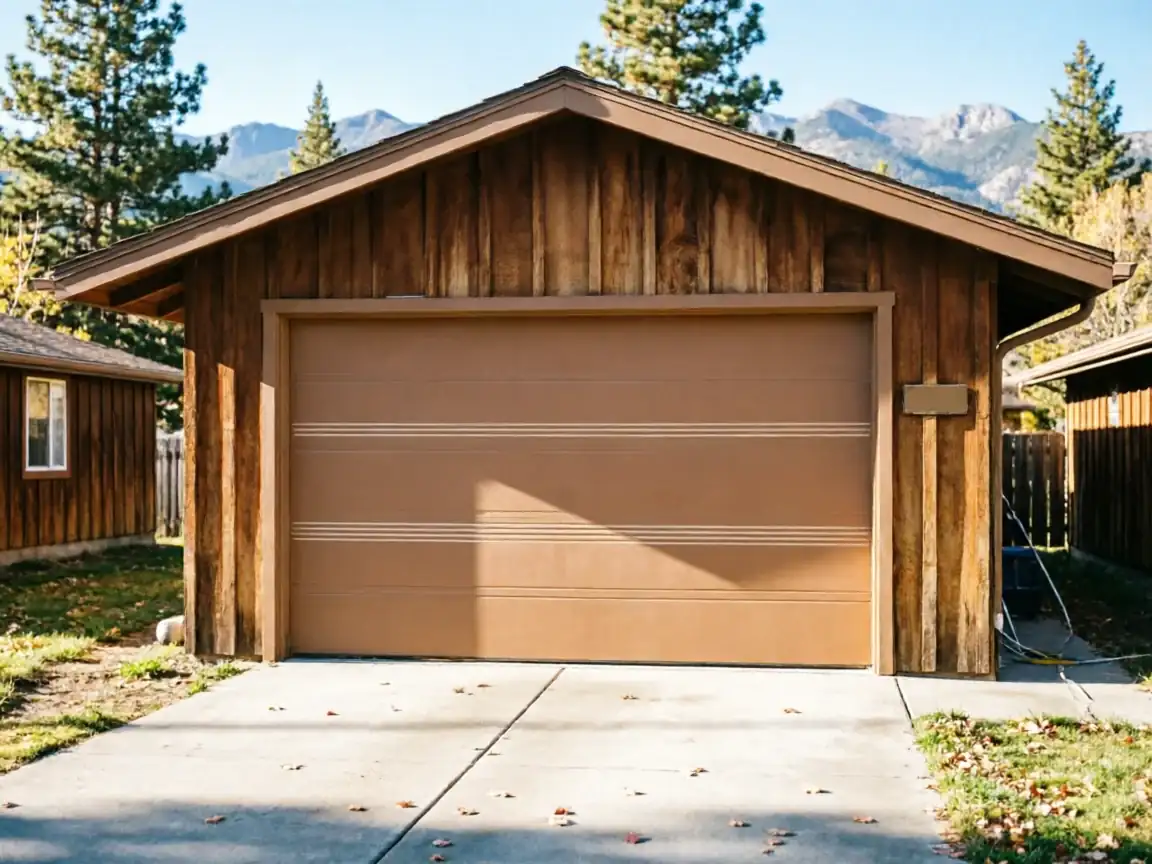
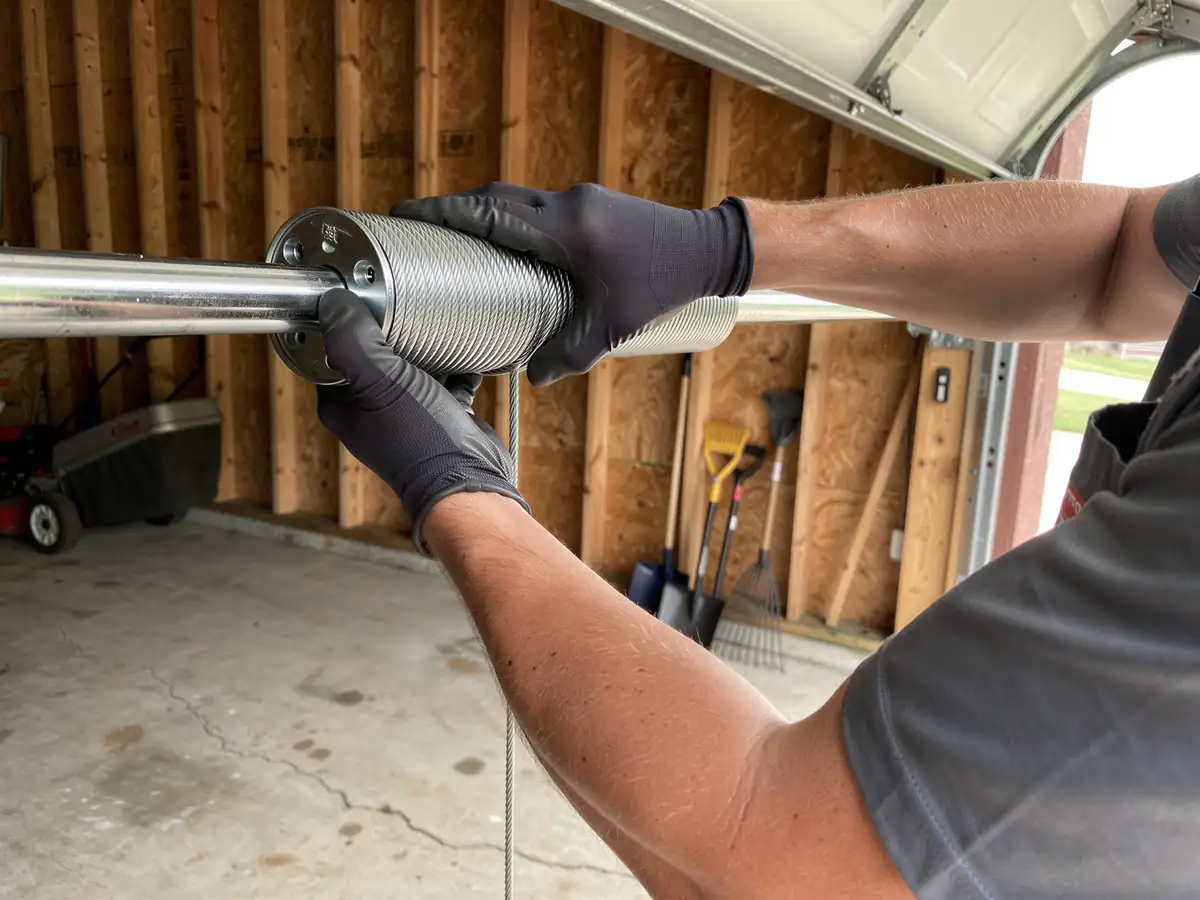
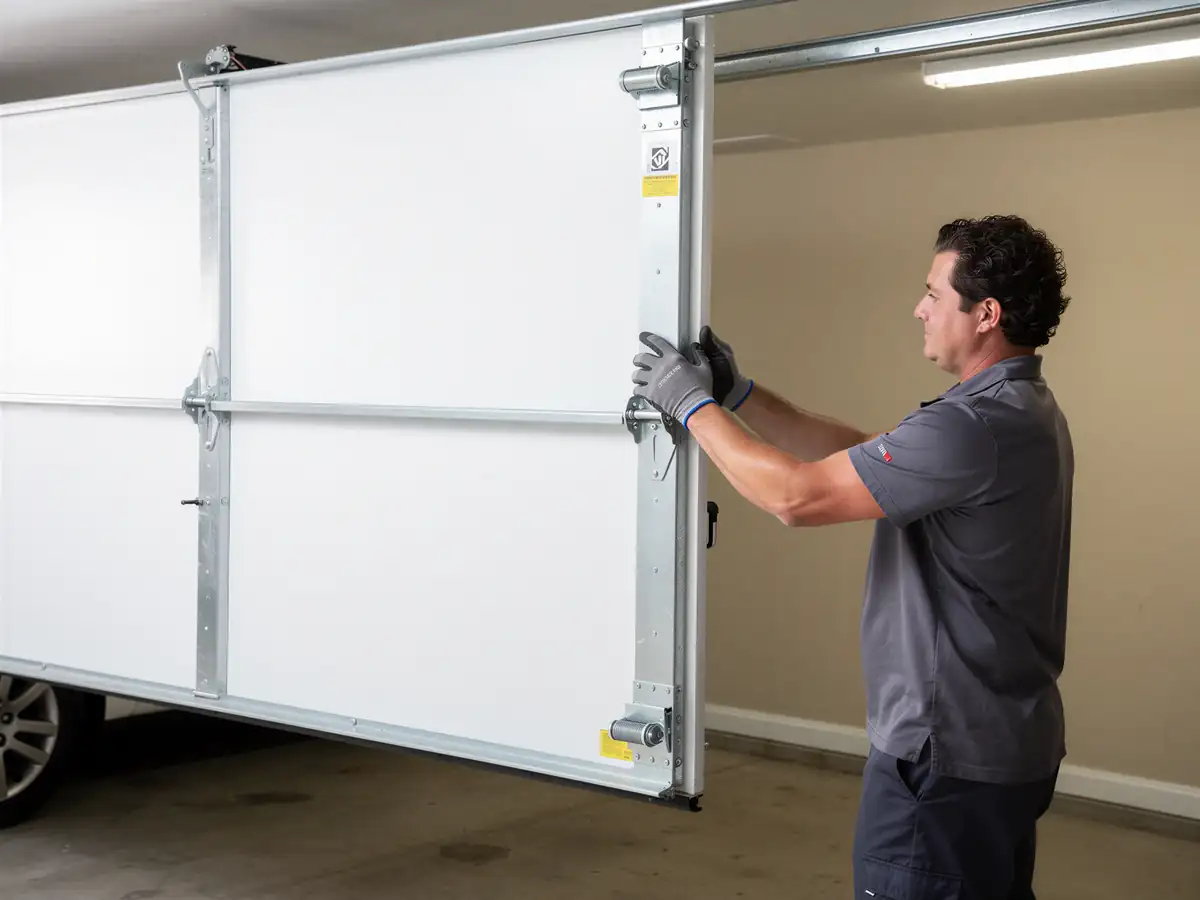
The other thing that trips people up is the door itself, not the opener. A lot of these garages still run the original steel panel door, sized for the smaller rough openings that were standard construction here in the late 1970s. Swap in a universal opener kit sized for a modern 7-foot door and the travel limits are wrong from day one, the door either stops short or slams the floor. Fort Hall's cold winters make this worse - a steel door that's heavier with frost or ice at the bottom edge needs an opener with enough lift reserve to not strain against it every single cycle.
The DIY Question
A boxed opener kit from a hardware store comes with generic mounting hardware, and on a header built the way 1977 construction built them, generic doesn't always fit. We're not against a handy homeowner doing their own work. We are against someone finding out mid-install that the bracket spacing doesn't match the rafter they've got, with the old opener already off the ceiling and a door that won't close before a cold night.
If your garage is attached to the house, which most of them out here are, a mis-set travel limit or a force setting that's too aggressive isn't a minor nuisance - it's a door that can come down hard on a car bumper or a kid's bike. We'd rather you call us to do the install right than call us after, to fix one. That second call always costs more.
How Long You Are Without the Door
We don't keep a crew stationed in Fort Hall
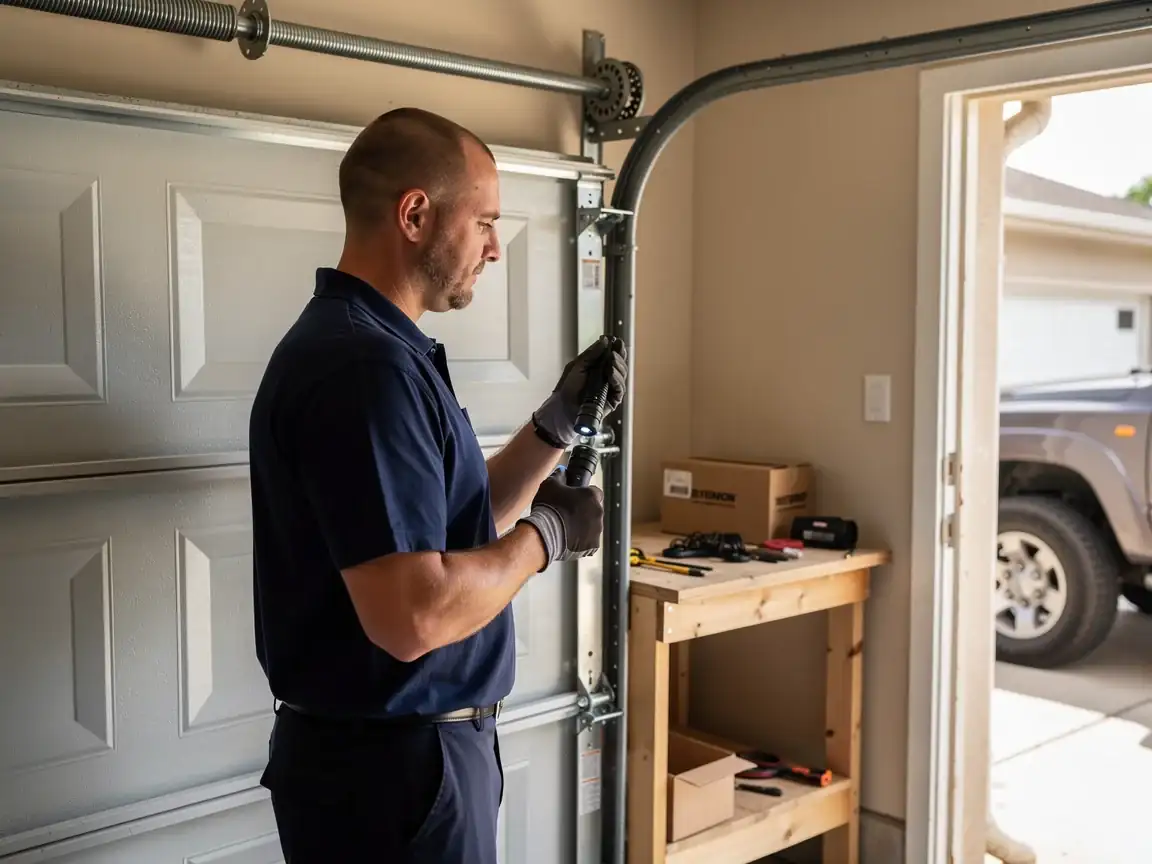
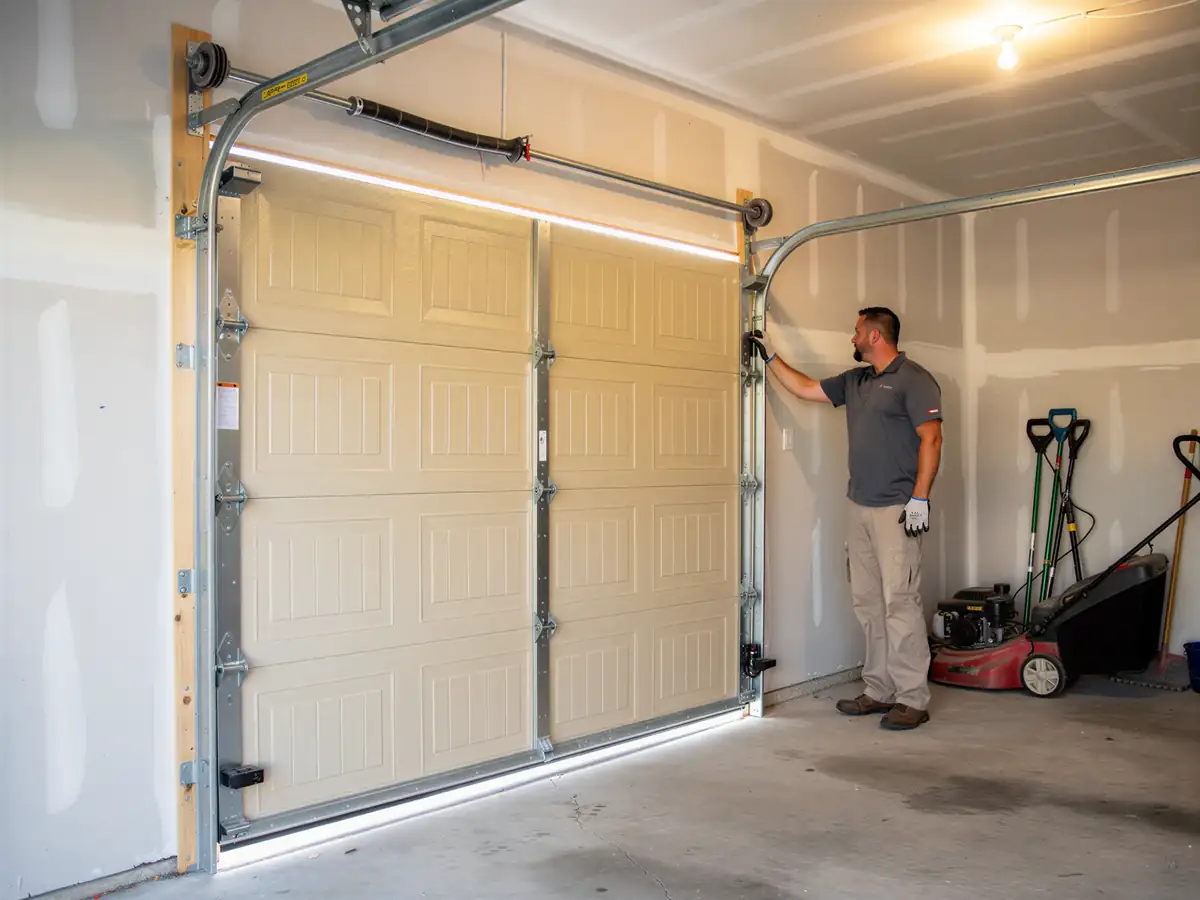
The job comes out of Pocatello, about 10 miles off, so the time between your call and a truck in the driveway includes that drive. Once we're there, swapping an opener on a door that's structurally sound is usually a same-visit job: old unit down, header checked and reinforced if the wood needs it, new opener up, travel and force set, safety sensors aligned.
- 10 miles
What takes longer is if the header itself needs work before the new opener goes up
Which isn't rare on houses from this era. We'd rather tell you that before we start than rush a mount onto wood that won't hold.
What the Repair Takes
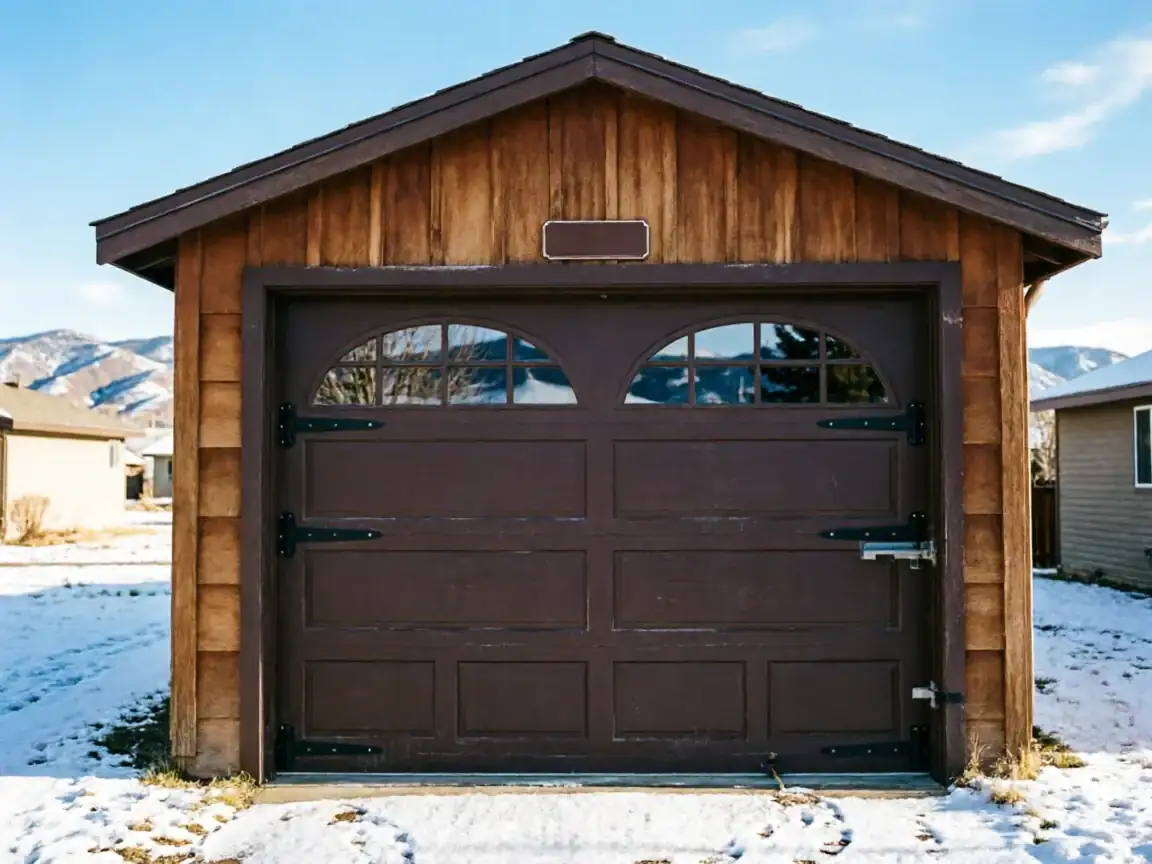
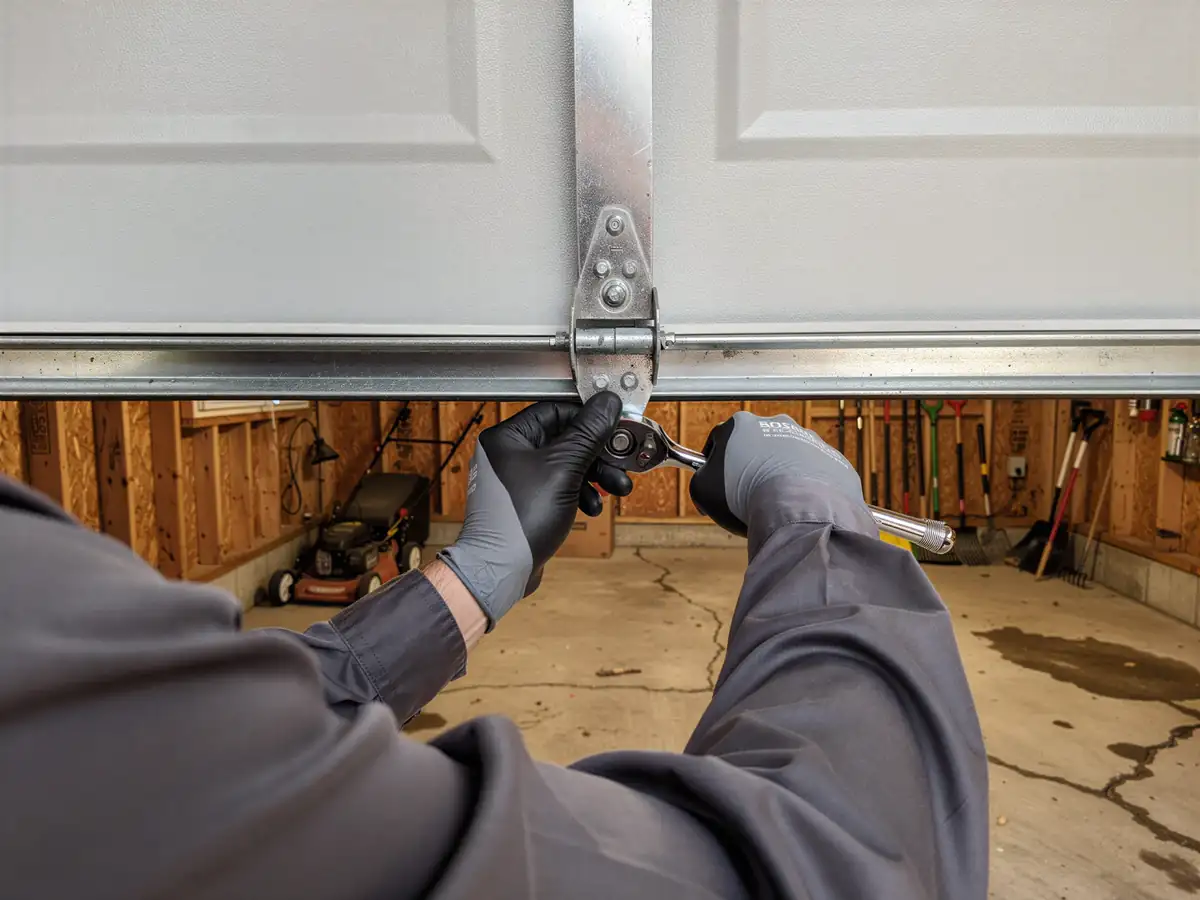
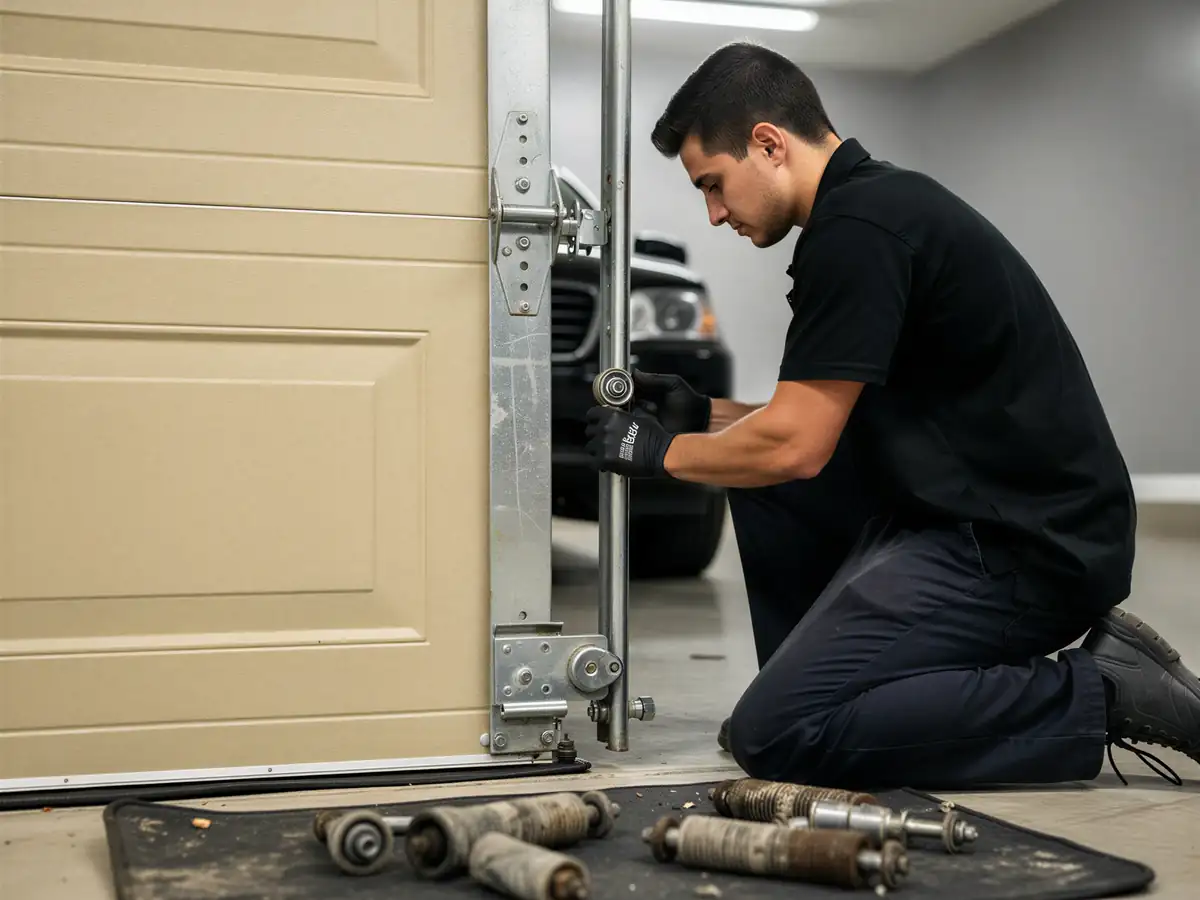
On a 1977-era door, the opener swap itself is straightforward mechanical work - rail, motor head, and the bracket into the header. What takes the extra time is making sure that header is sound before we hang anything new on it, and making sure the photo-eye sensors sit low enough and clean enough to work through a winter with ice on the garage floor, which is a real condition in this part of Idaho's cold-severe climate zone.
Given that Fort Hall's median household income runs lower than the wider Pocatello service area, we'll walk you through a mid-tier chain-drive versus a quieter belt-drive before we order anything, rather than defaulting to the most expensive unit on the truck. We don't carry every opener model in stock on the truck, so a specific brand or feature request can mean a short order wait - we'd rather say that upfront than promise same-day on a unit we don't have with us.