Where This Job Goes Sideways
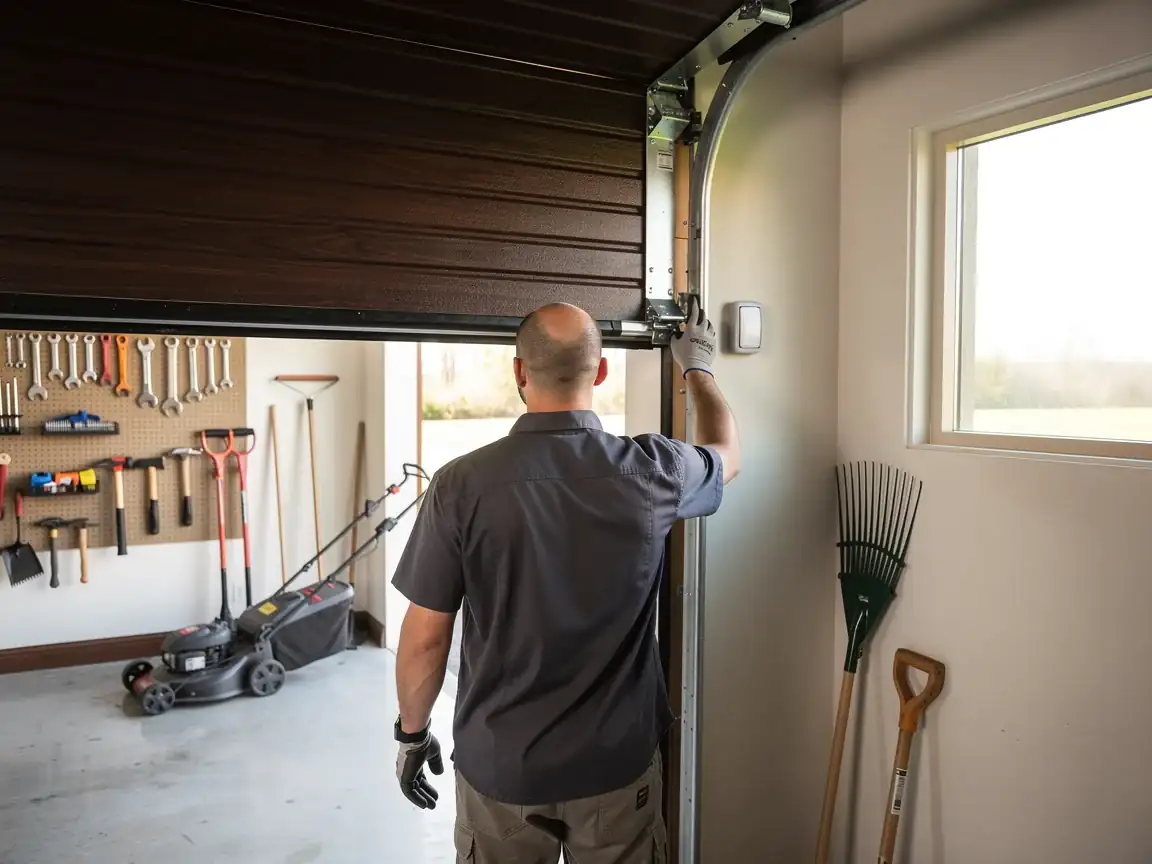
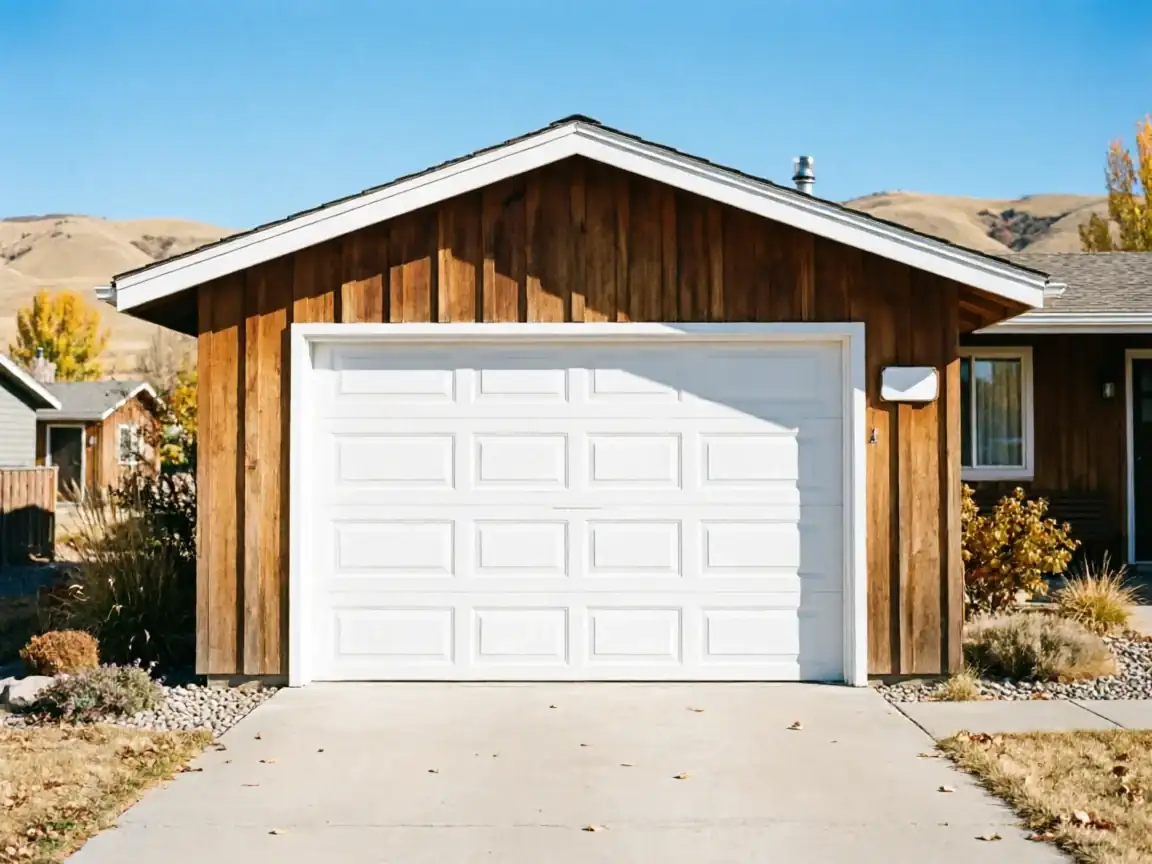
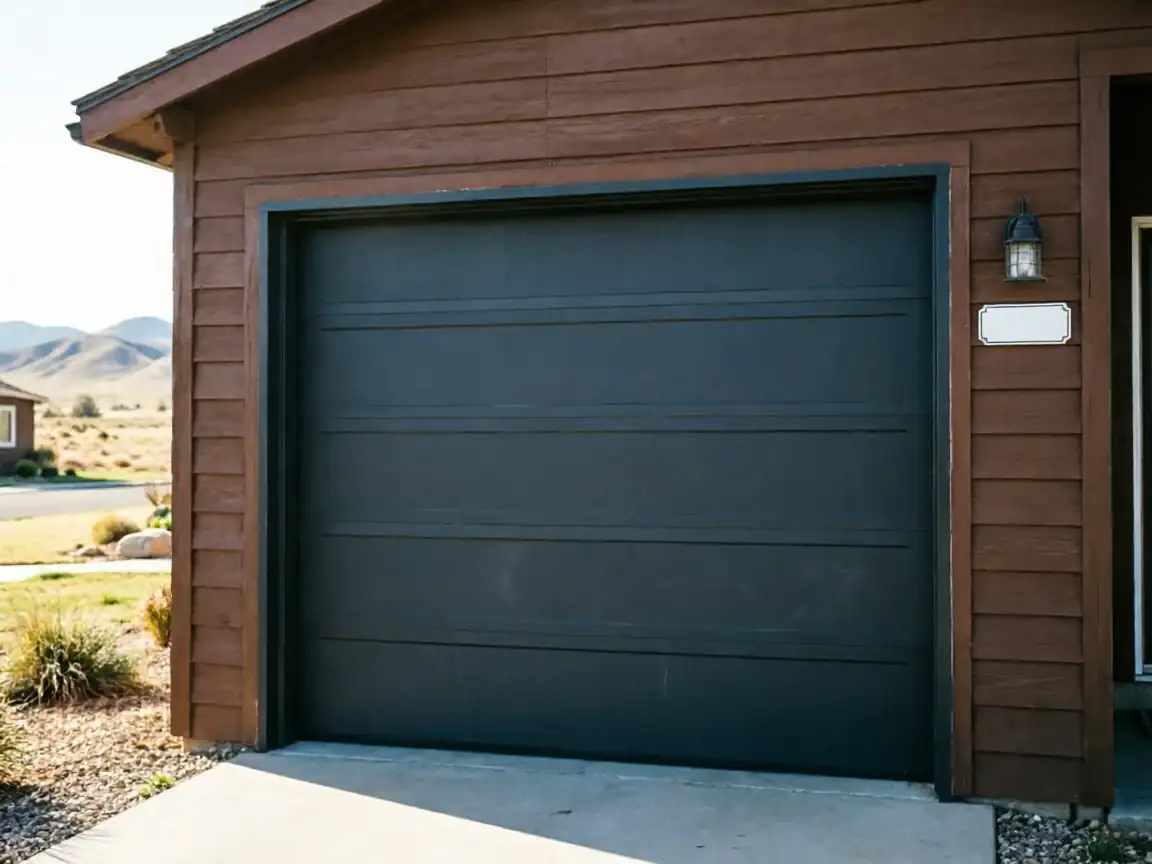
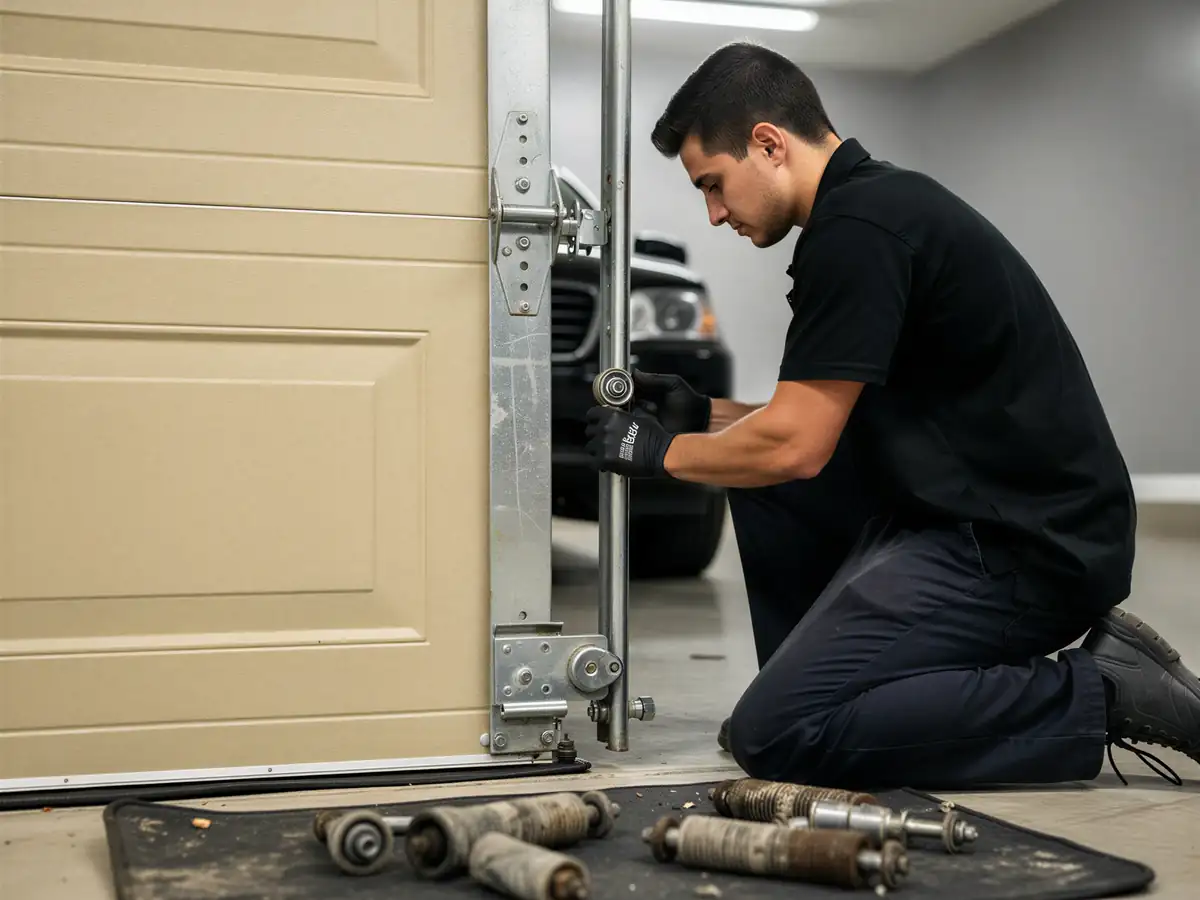
Fort Hall's housing stock centers on 1977, a few years older than the broader service area's 1980 median build year. That matters more than it sounds like it should. A door and opener installed around then has had roughly five decades to work through a torsion spring, a set of rollers, maybe a cable - but a lot of homes out here never saw any of it swapped. The track brackets are still the originals. The hinges are still the originals. Nobody pulled the lift cables and re-tensioned them because nothing had failed yet. That's the trap: these systems don't usually give a warning rattle before the spring lets go or a cable frays through. They just run on worn parts until one piece quits, and because the rest of the hardware is the same age, a spring failure often means the rollers and hinges aren't far behind it either. Maintenance on a door this age isn't really about tightening a few bolts. It's about going through every original part on the system and deciding, honestly, what's still good and what's borrowed time.
The DIY Question
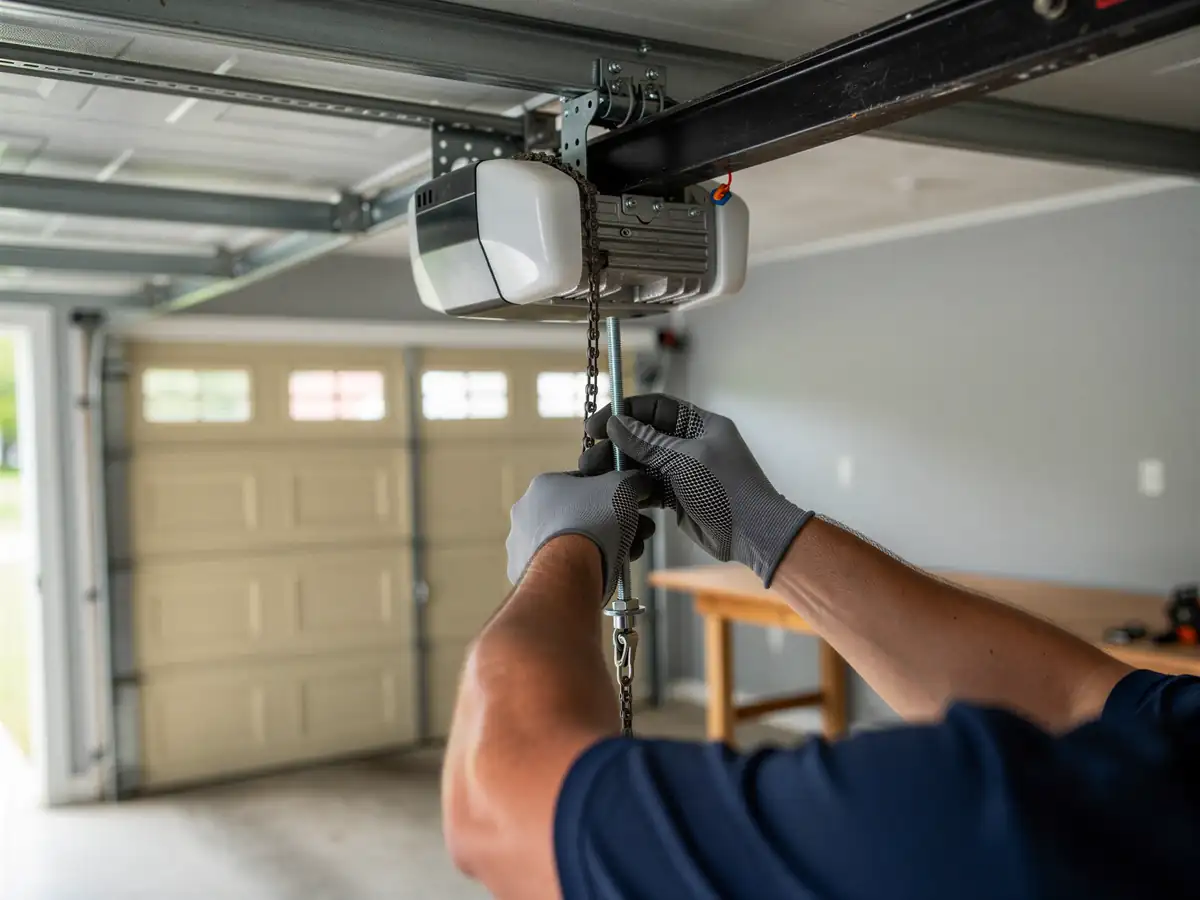
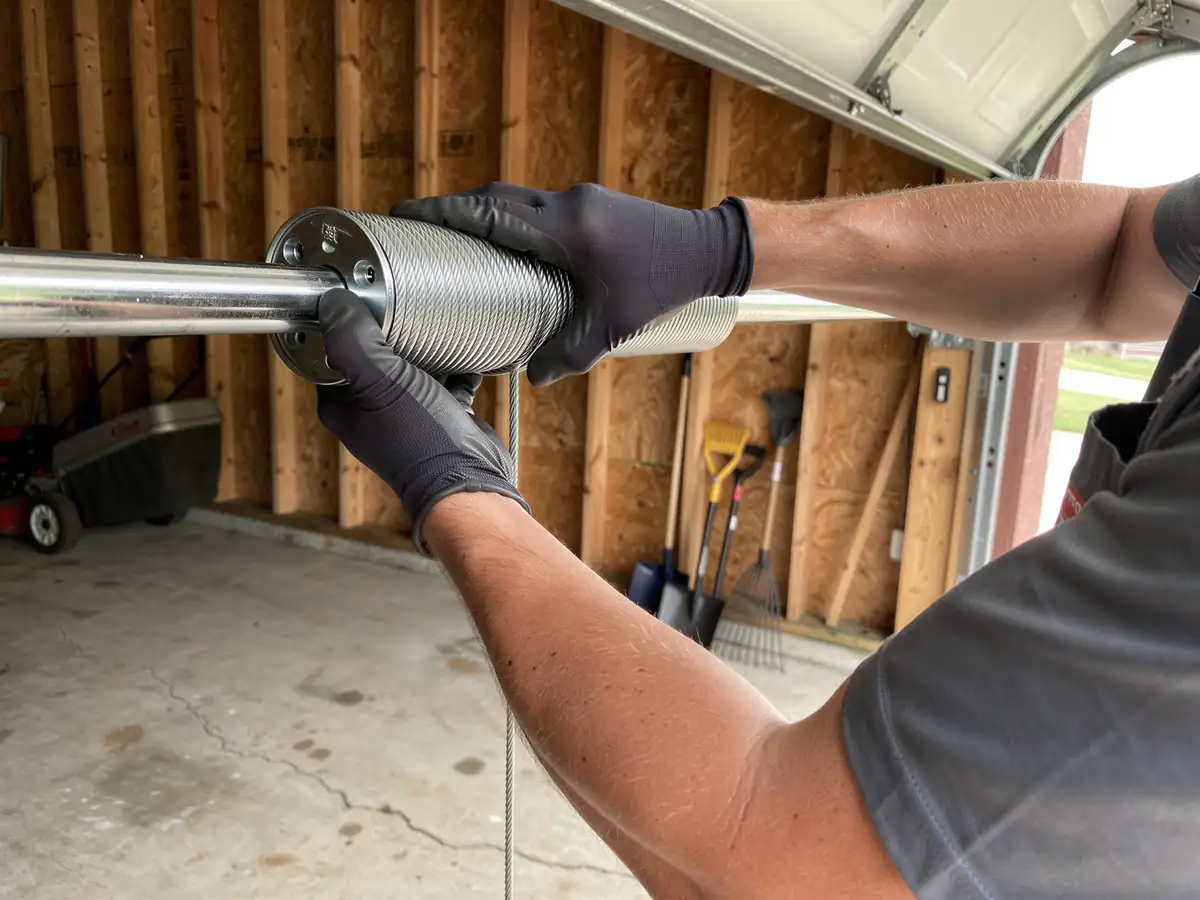
Lubricating hinges and rollers with a garage-door-specific spray, vacuuming out the track, and checking that the photo-eye sensors are clean - a homeowner can do all of that without special tools, and it's worth doing a couple times a year regardless of who installed the door. What you should not do on a door this old is touch the torsion spring or the cables. Those are under load the whole time the door is closed, not just when it's moving, and a spring that's been doing its job since the late 1970s is more likely to let go under a wrench than a newer one. If you're not sure how old your spring is, that uncertainty is the answer: leave it alone and get it looked at.
What the Repair Takes
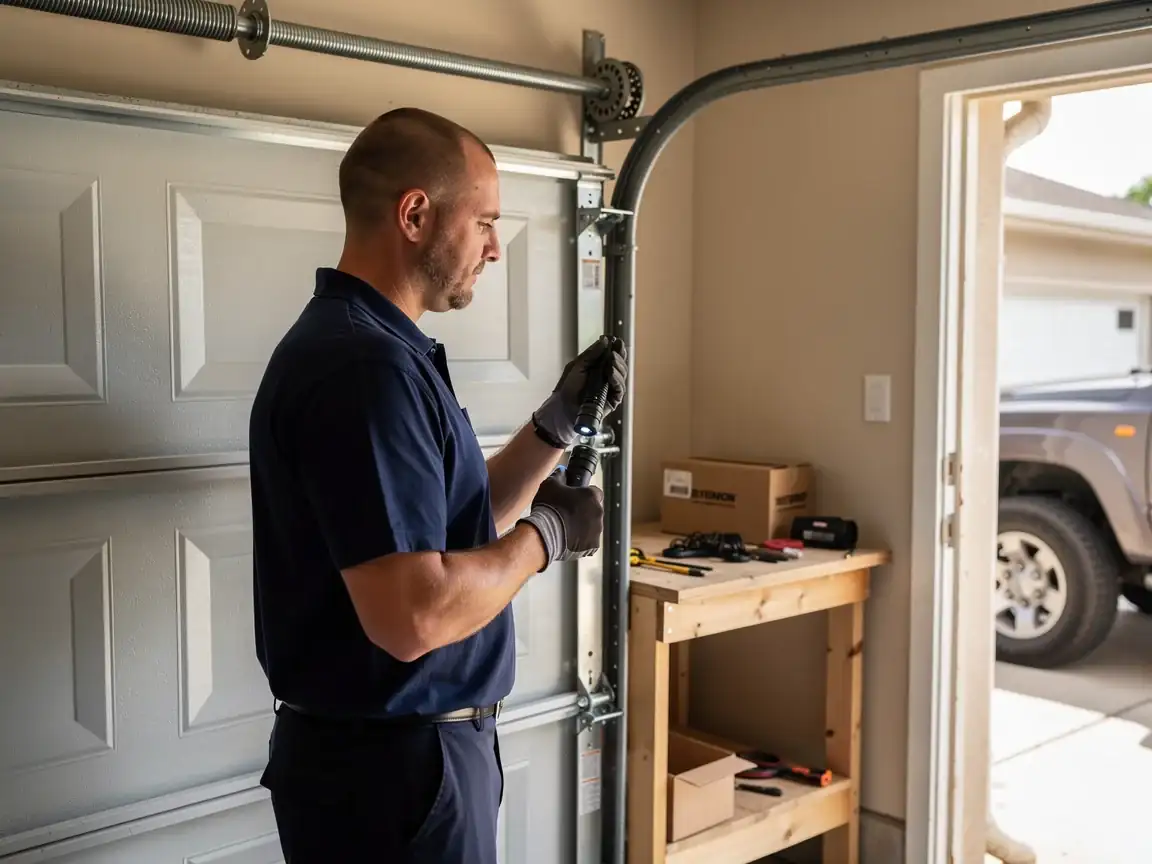
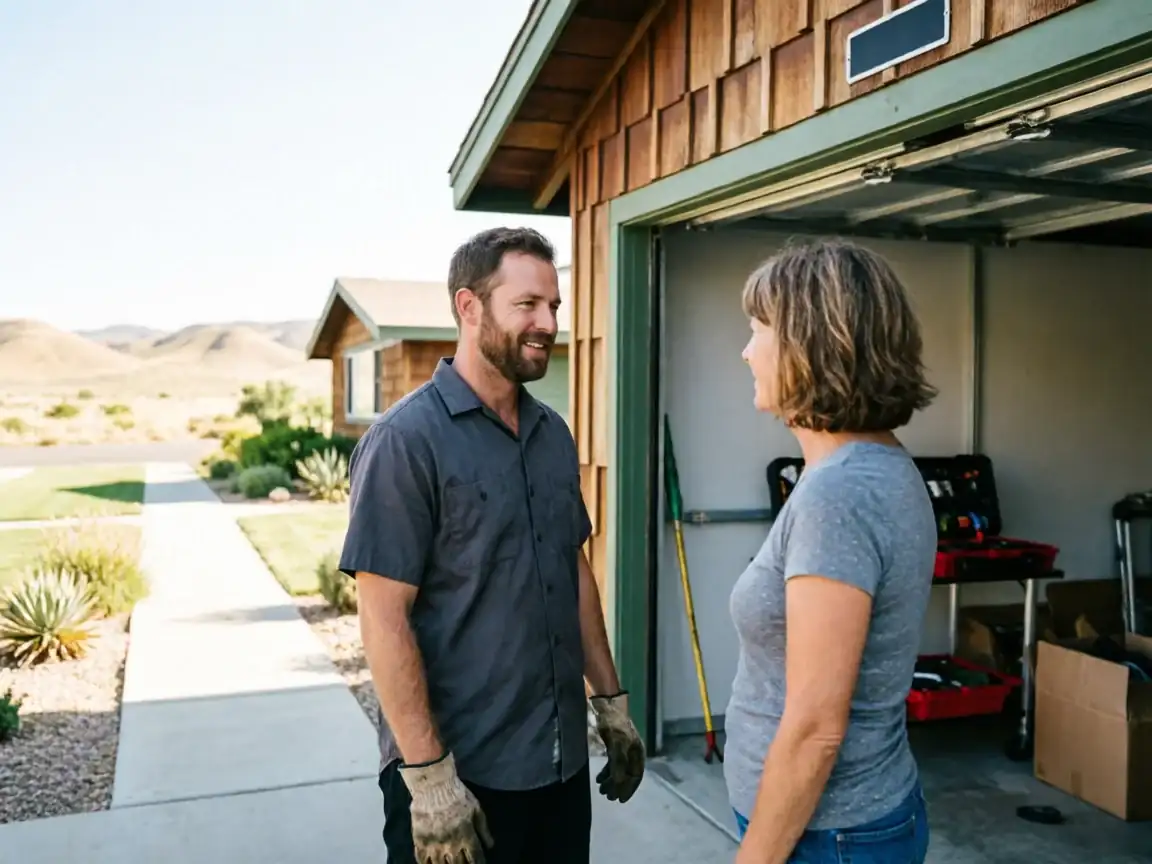
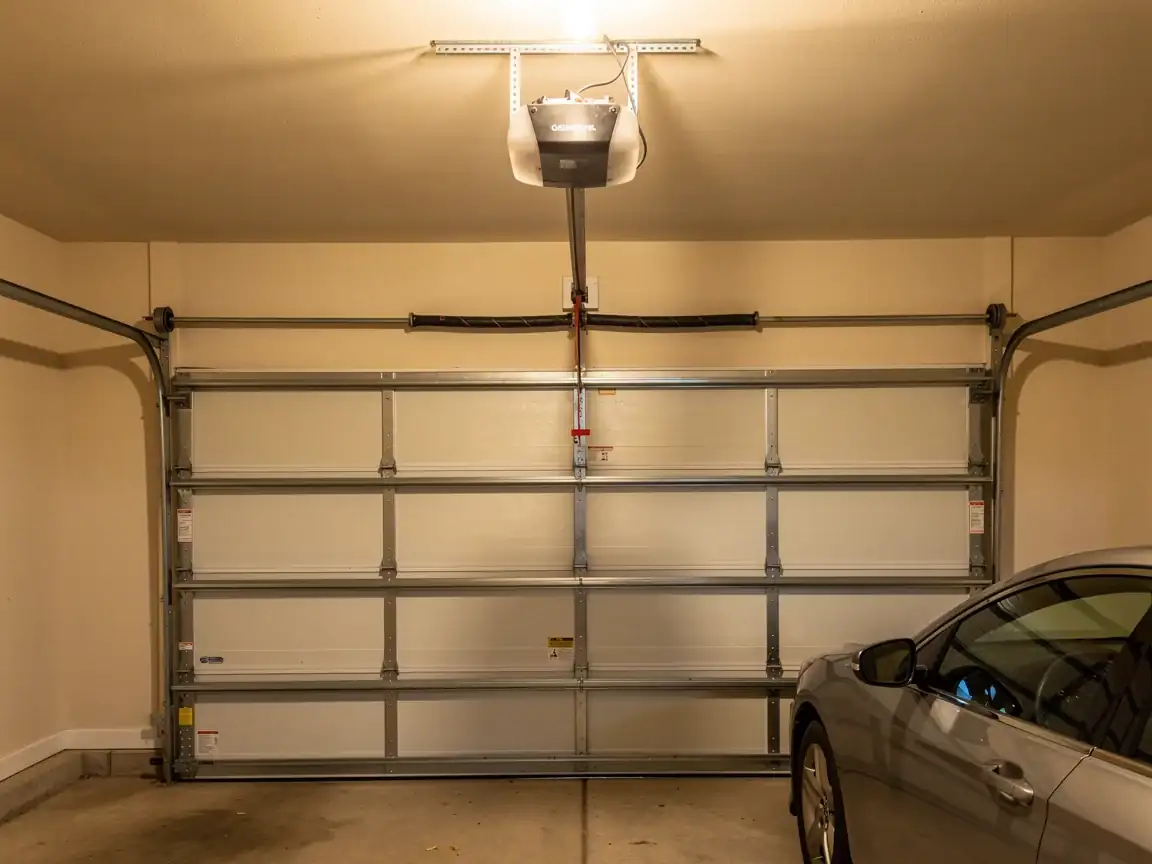
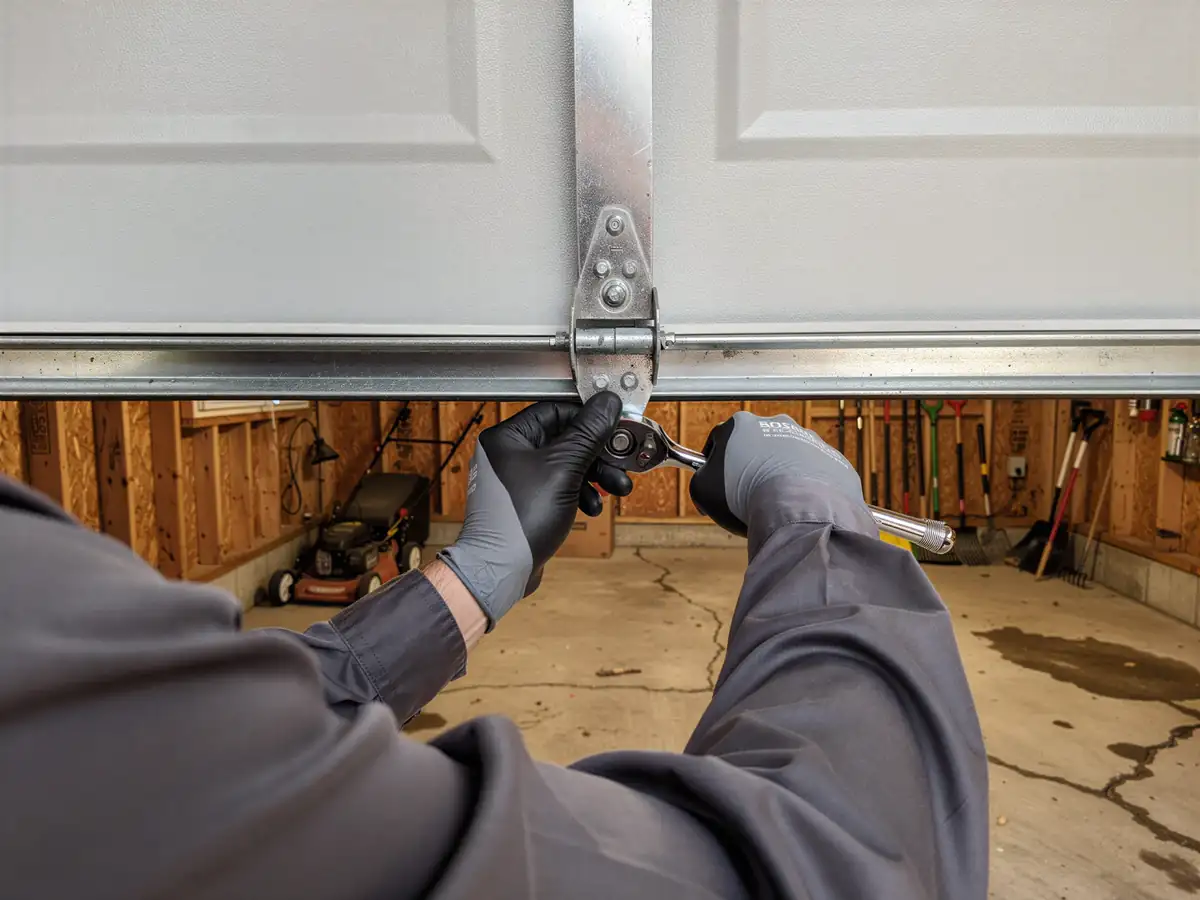
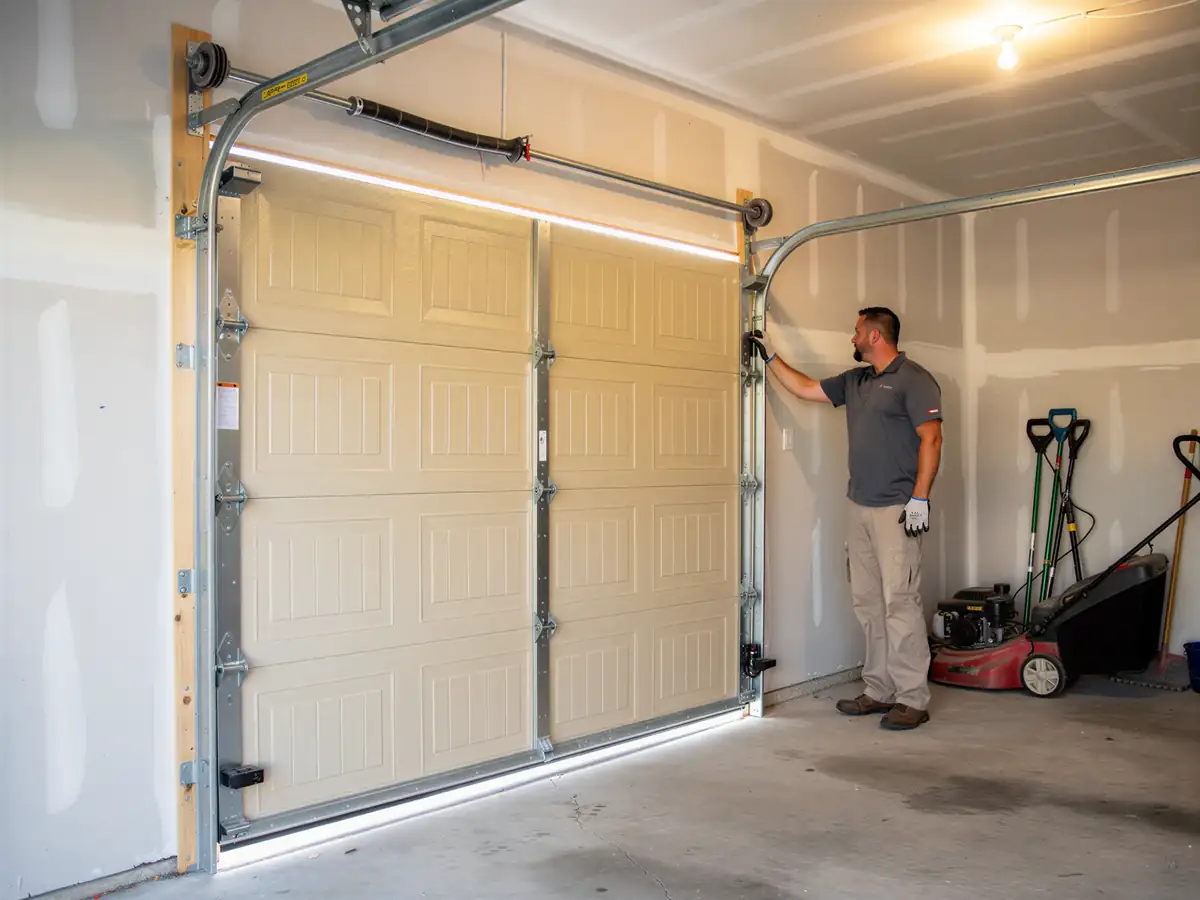
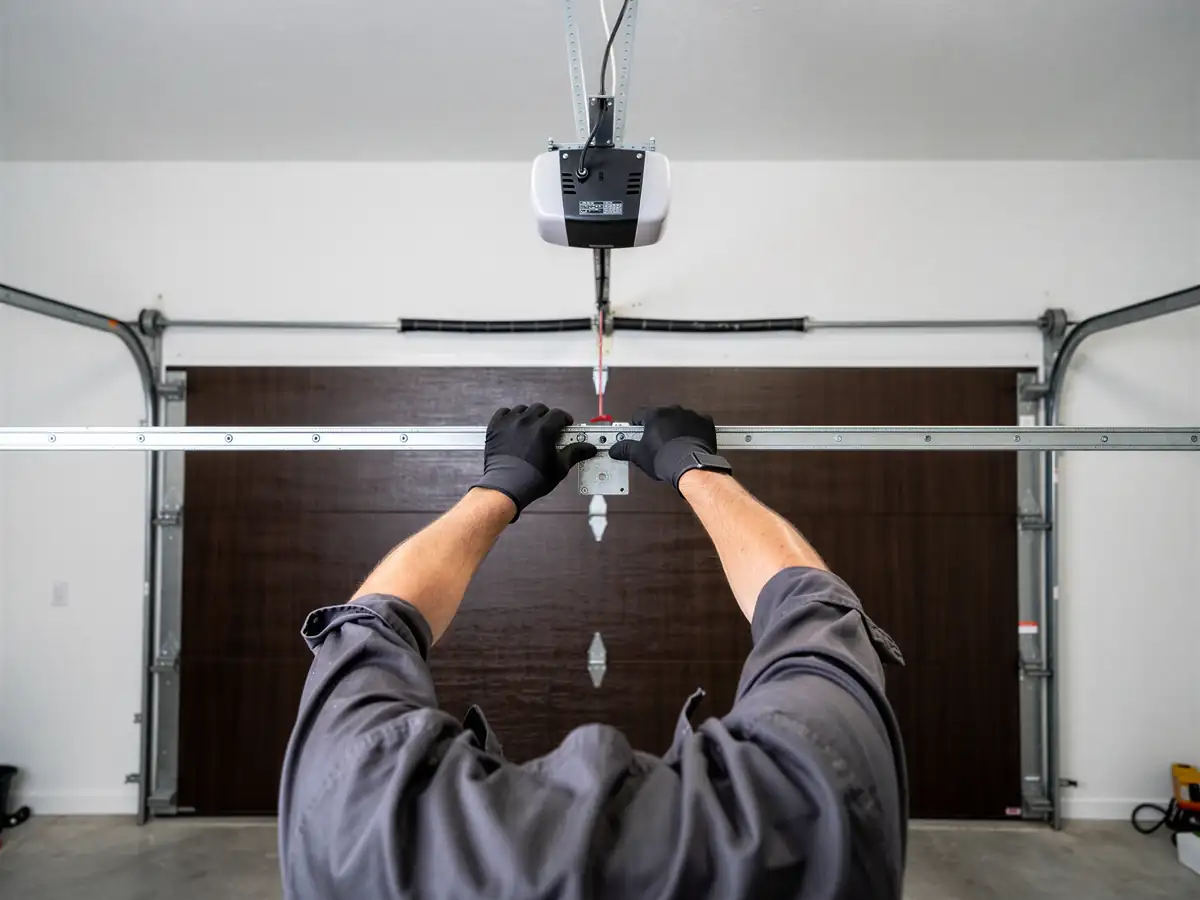
A standard maintenance visit on a door from this era runs through the lift cables, the spring's wind and wear, the roller tracks for bends or rust, and the opener's force settings, since an opener running on worn rollers and a tired spring tends to have its force cranked up to compensate - which is itself a safety issue if the door doesn't reverse properly on an obstruction. With 849 households in Fort Hall, this isn't a neighborhood of identical builder-grade doors; what's original varies house to house, which is why the visit starts with an inspection rather than a standard parts list. Median household income here runs $40,757, noticeably under the $66,000 median across the wider service area the company covers, so a lot of these calls end up weighing a repair against the hardware's age rather than reaching straight for replacement. Sometimes the honest answer is that the spring and cables get replaced and the door itself is fine for another decade. Sometimes the track is bent enough that no amount of tuning fixes it. That call gets made at the house, not before.