Where This Job Goes Sideways
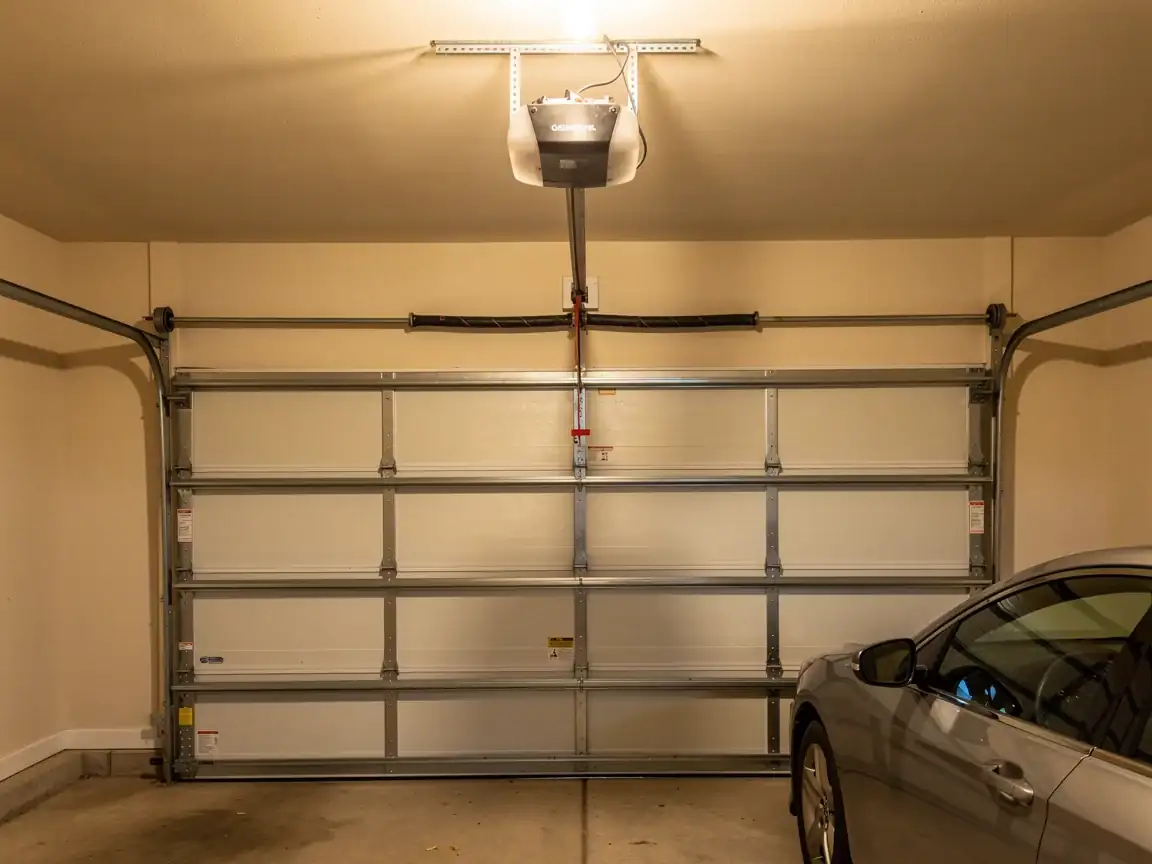
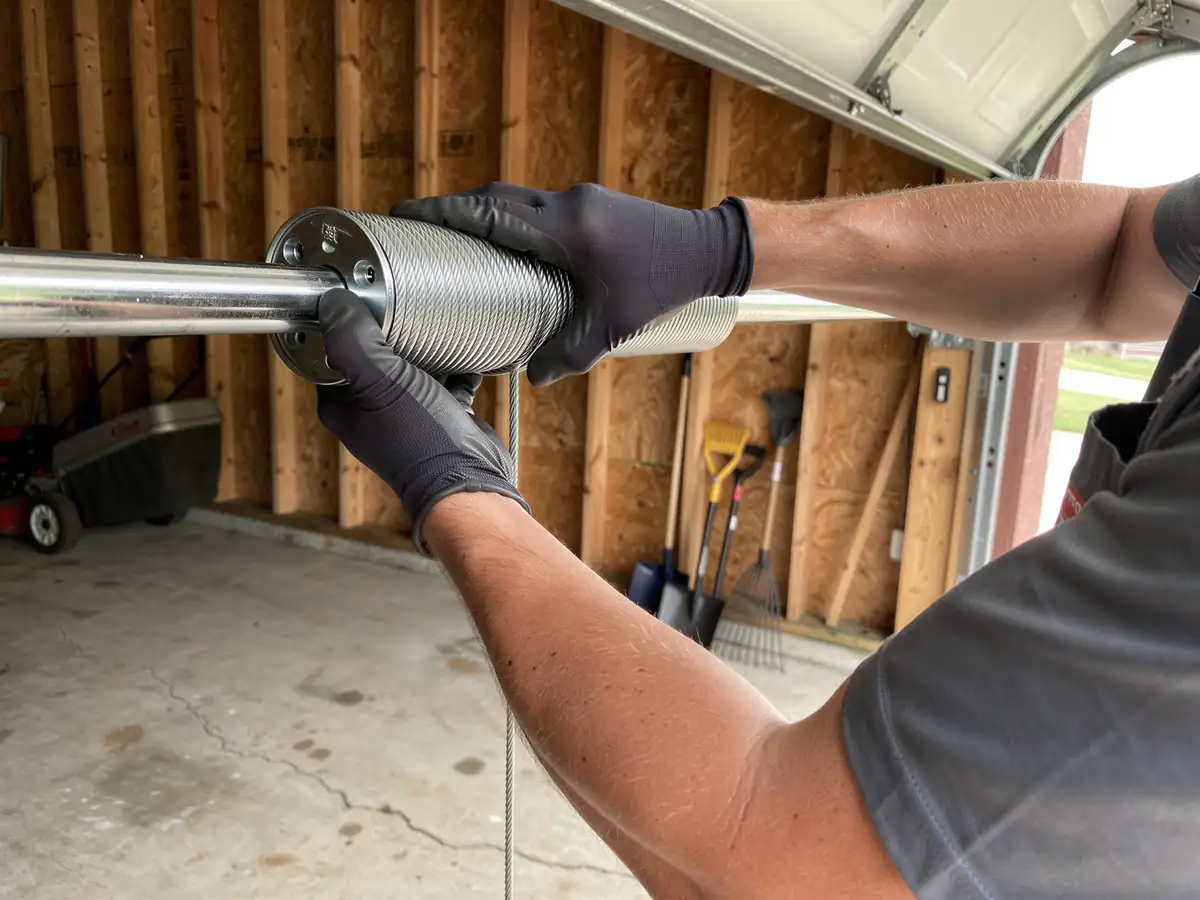
The number that matters most in Fort Hall isn't how often a cable snaps - it's when the door went up. The median year built out here is 1977, which puts most garage doors on extension spring systems with lift cables run over pulleys at the bottom bracket, not the torsion-and-drum setup that's standard on newer builds. That hardware was common through the 70s and 80s, and a lot of it is still hanging on the original cable.
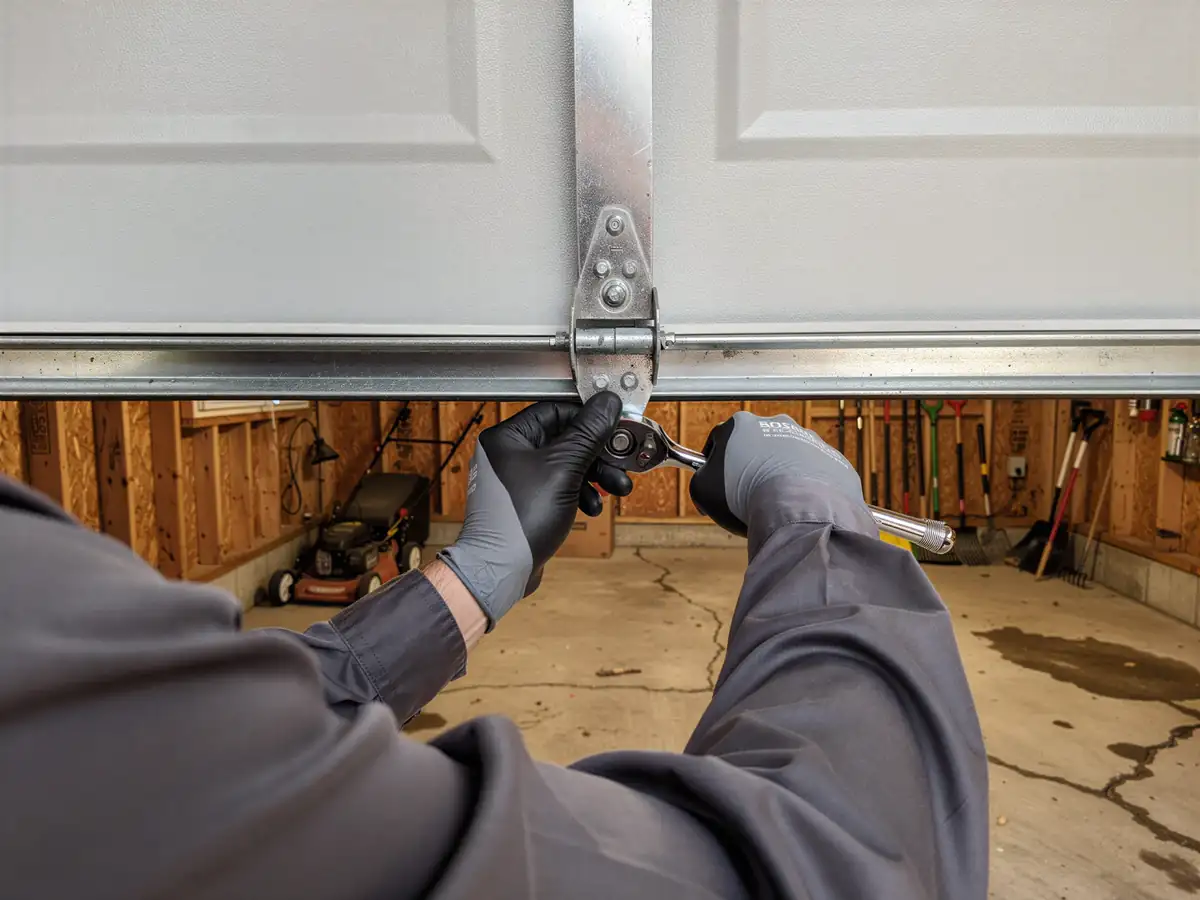
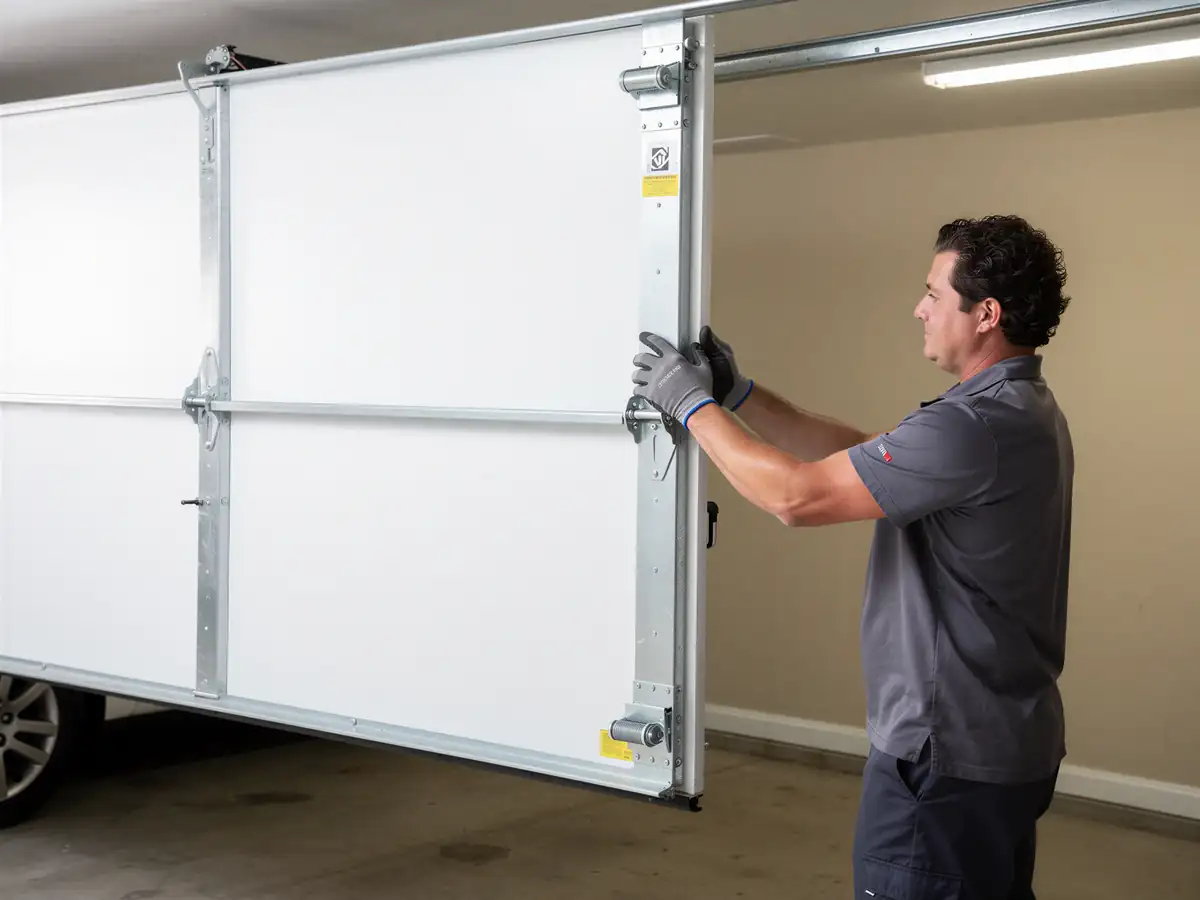
A cable on a door that old doesn't usually snap clean. It frays at the bottom bracket where it's been rubbing the same spot for four decades, or it slips off a worn pulley and binds, which looks like a cable problem but is really a pulley problem wearing out the cable. Either way, the fault shows up as a door that drops crooked on one side, or a door that won't budge because the opener thinks it's still attached to a working lift system. We see this pattern more in Fort Hall's housing stock than in the newer subdivisions closer to Pocatello, simply because the doors are older.
The DIY Question
An extension spring under tension and a frayed cable is not a safe combination to work on without the right clamps. If the spring lets go while you're loosening the cable, it can put real force into whatever's in its path - your hand included. That's the honest limit here: we won't walk a homeowner through replacing a cable on an extension system over the phone, because the margin for a bad outcome is too thin.
What you can safely check yourself is whether the cable is the actual problem. Pull the emergency release, and with the door down, look at both cables where they meet the bottom bracket. If one is frayed, kinked, or has visible strands popping loose, that's your answer. If both look fine but the door still won't lift evenly, the fault is more likely in the pulley or the spring itself, and that changes what the job costs. Fort Hall's median household income, at $40,757, runs well under the roughly $66,000 median across the wider service area, which is part of why we'd rather diagnose accurately on the first visit than have someone pay twice.
How Long You Are Without the Door
We don't run a branch in Fort Hall
Every job out here is a drive from Pocatello, about 10 miles each way. That distance doesn't change the repair itself, but it does mean the door sits broken a little longer than a job four miles out in Chubbuck would. If a cable fails and the door is stuck down, that's usually fine to leave overnight. If it's stuck open, that's worth addressing sooner, especially once the cold sets in, since this area sits in a climate band with severe winter conditions that make a wide-open garage a real problem for anything stored or parked inside.
- 10 miles
With roughly 849 households in Fort Hall
We're not scheduling daily routes through here the way we might in a denser part of the service area, so a same-day appointment depends more on what else is on the truck that day than it would somewhere closer in.
- 849 households
What the Repair Takes
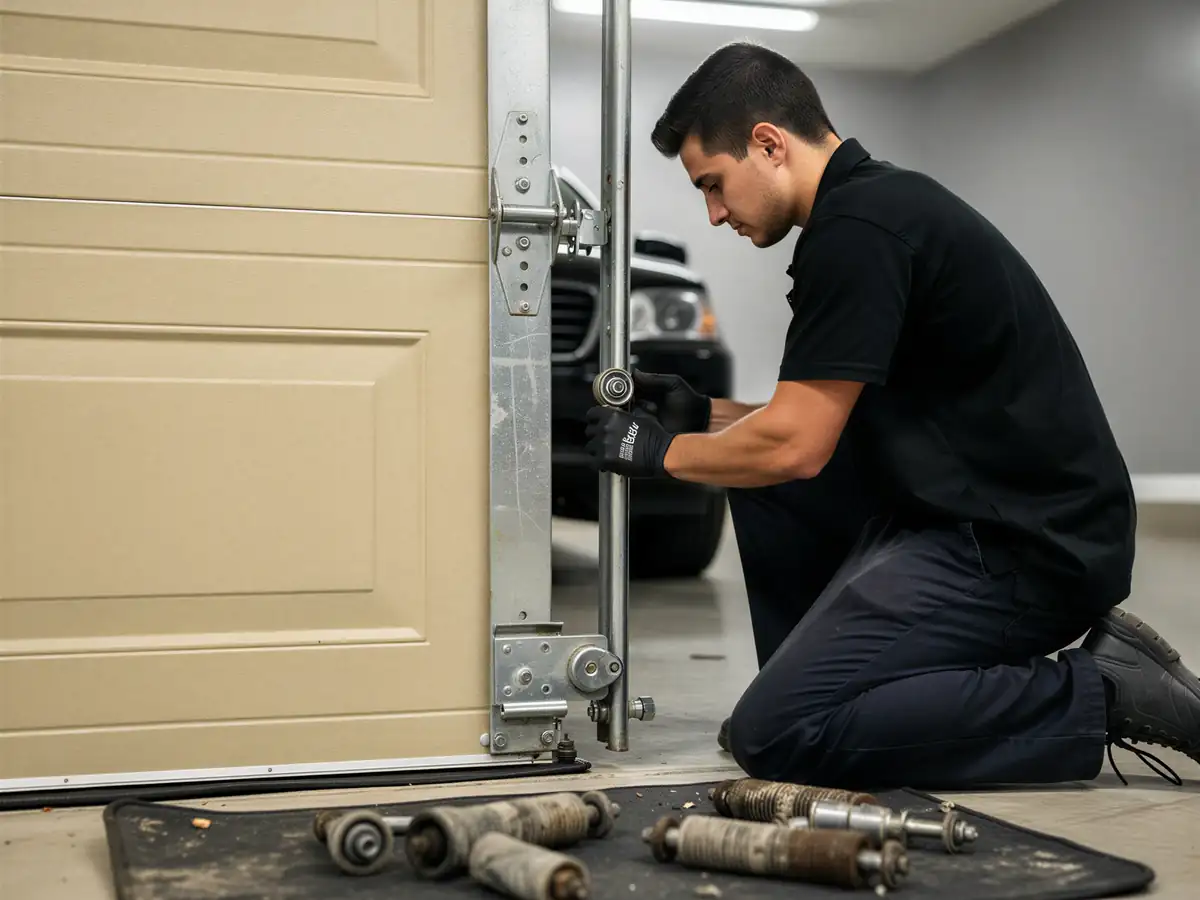
A straight cable swap on an extension spring door is a contained job: both cables get replaced together, even if only one has failed, because if one cable is forty-plus years old the other is too and it's not worth a second trip. If the bottom bracket or pulley is also worn - common on hardware this age - that gets replaced at the same time rather than reusing a part that's going to take the new cable down with it in another year or two.
We carry standard cable and pulley stock on the truck, so most of these jobs don't require a parts order. Where it gets slower is if the door itself is far enough gone - rusted track, a bent panel from the cable letting go unevenly - that cable repair alone won't fix what's wrong. In that case we'll tell you straight that replacement is the better money, rather than patching a door that's going to keep failing.