Where This Job Goes Sideways
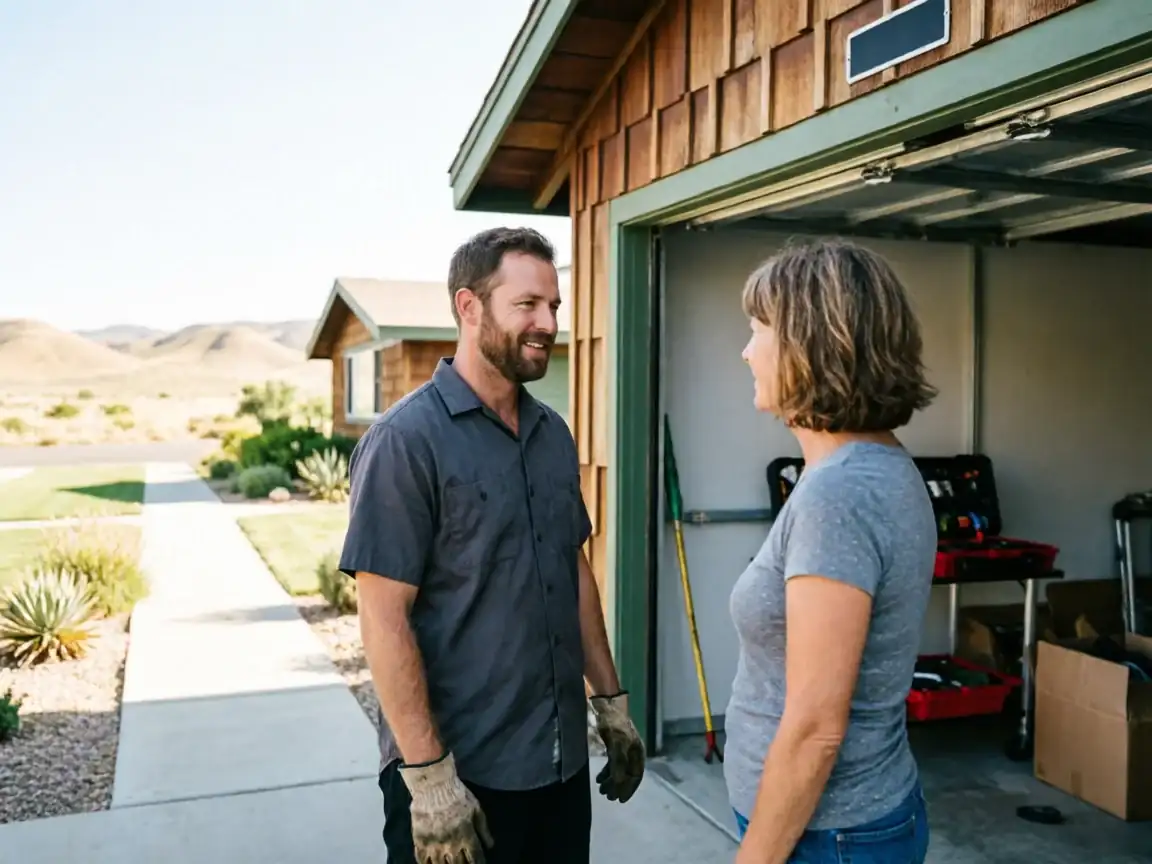
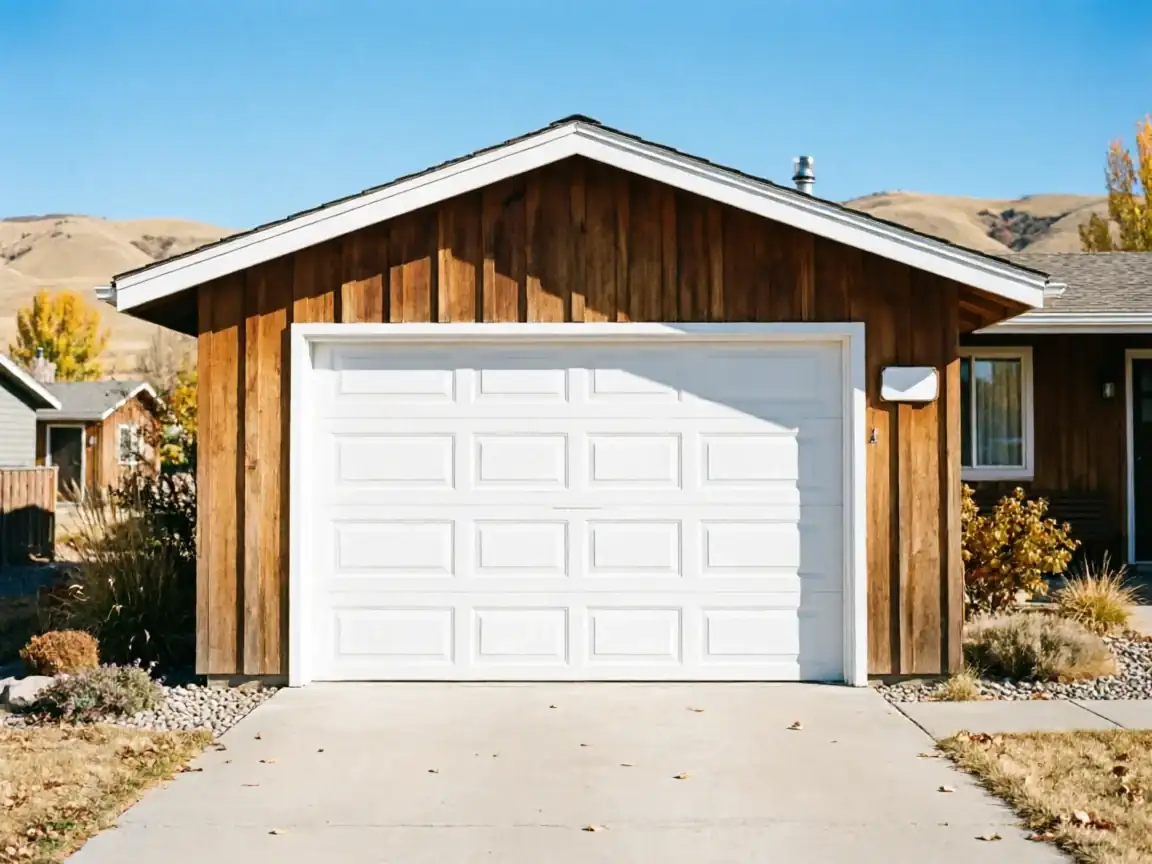
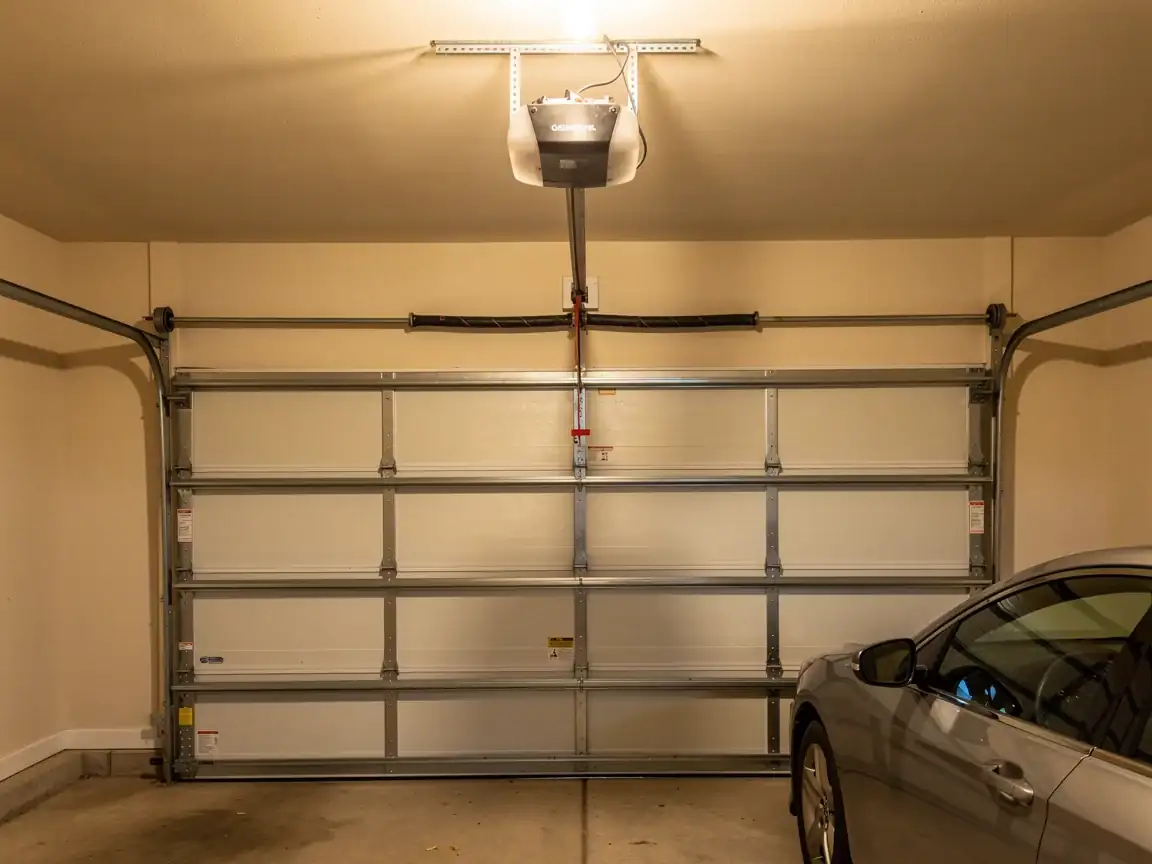
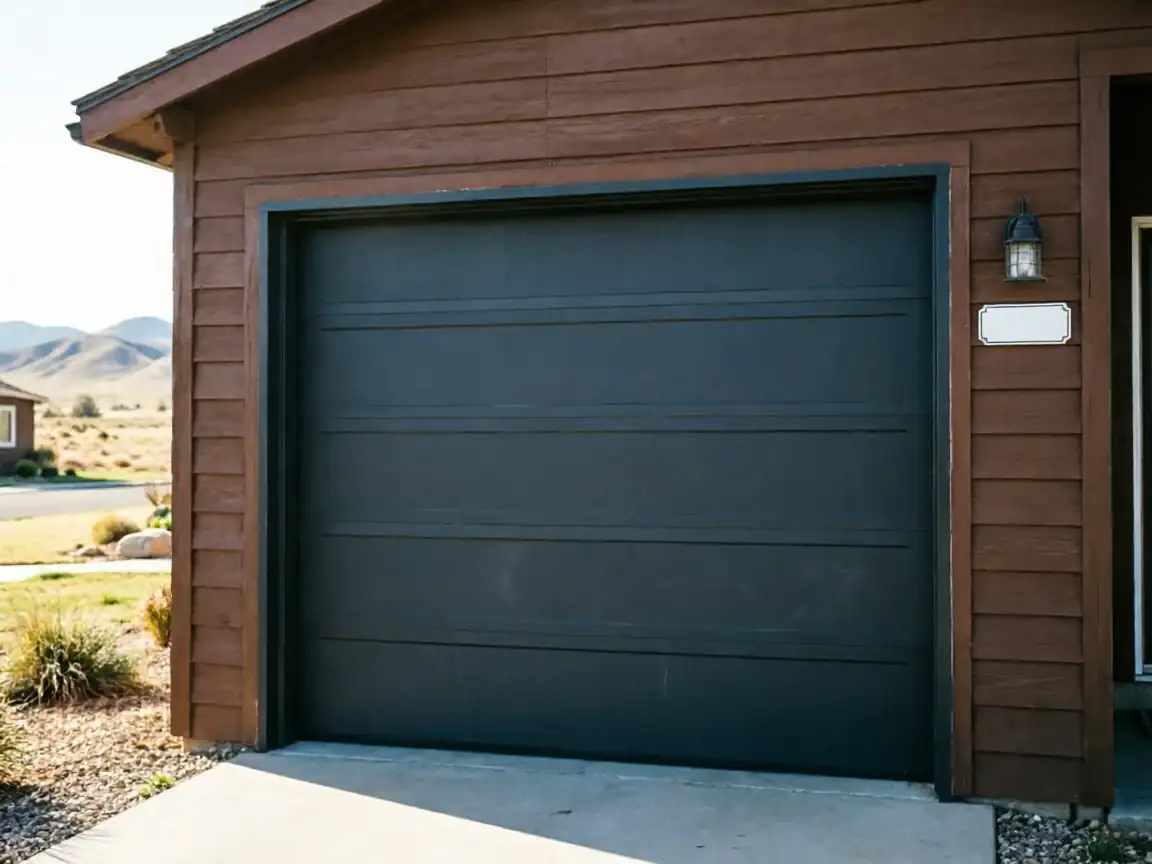
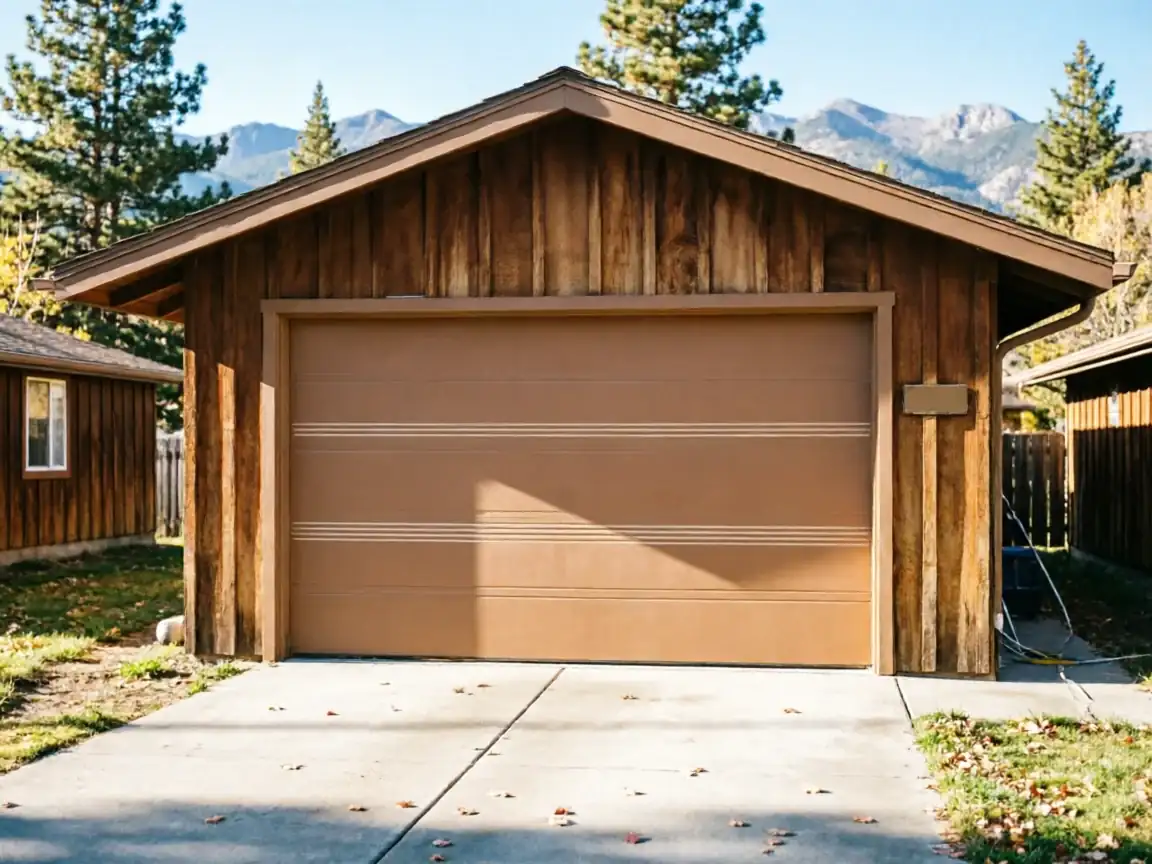
Fort Hall counts about 849 households, which is small enough that the calls out here don't scatter across a hundred different problems the way they might in a bigger town - they cluster around a handful of things that go wrong on houses built around the same time. Most homes in Fort Hall date to roughly 1977, which sits inside the 1964-1995 window that covers most of this part of the service area. That means a lot of original torsion spring setups, steel panel doors from before insulation was standard, and openers that have been swapped once or twice but still ride on hardware from the 1970s. This region sits in a cold, severe climate band, and that combination - older torsion hardware plus hard winter temperature swings - is where things go sideways. Cold steel loses flex. A spring that's been fine for forty winters can finally snap on the forty-first, usually on the coldest morning of the week, because the metal has less give left in it. We see it as a pattern here, not a one-off.
The DIY Question
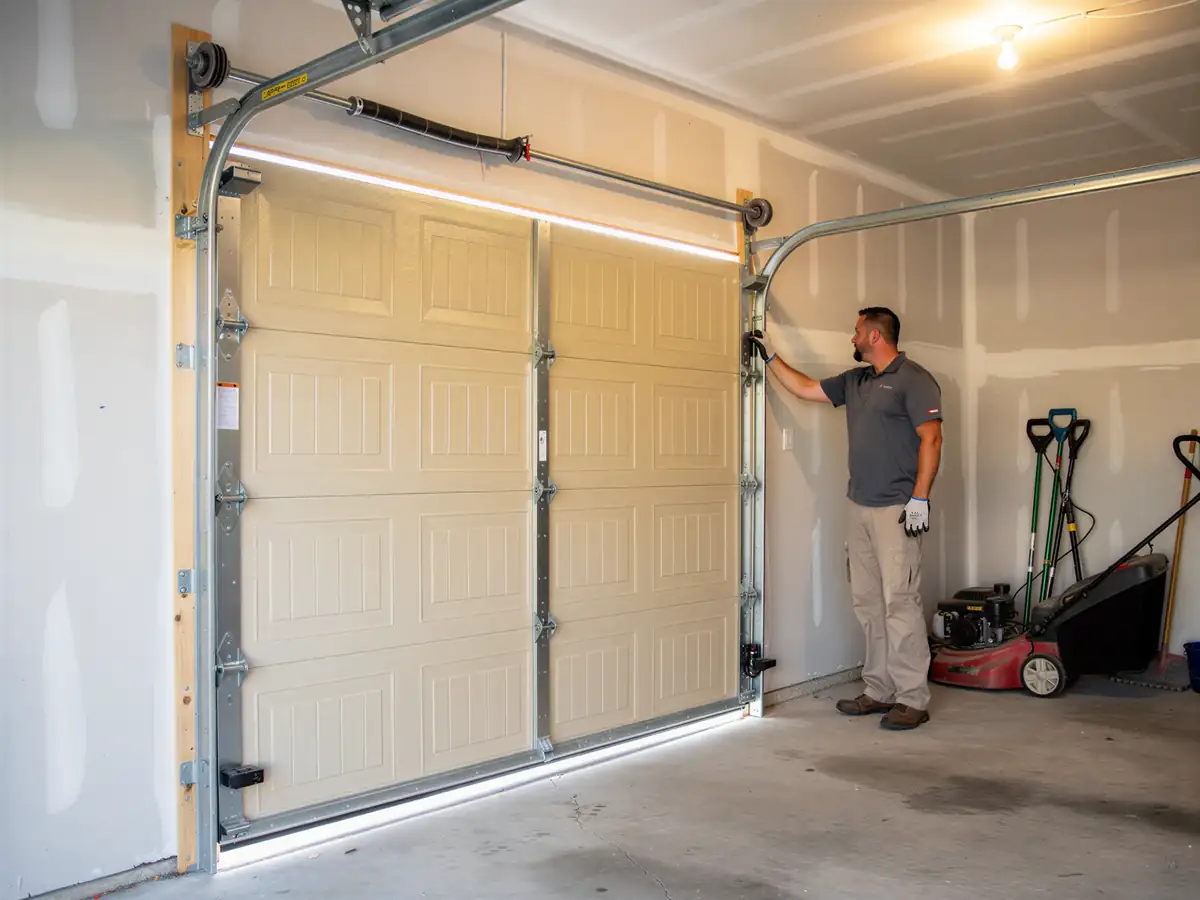
We won't talk anyone out of basic maintenance - tightening loose hardware, lubricating hinges and rollers, clearing a track of debris. But a torsion spring under load is not a DIY repair, full stop, regardless of how confident a YouTube video makes it look. That's our honest limitation: we'd rather lose the job to a homeowner's caution than gain one from a trip to the ER. Fort Hall's median household income runs around $40,757, noticeably below the roughly $66,000 median across the broader service area. That gap matters for one practical reason - on an older 1977-era door, repair almost always beats replacement on cost, and we'd rather fix what's there than sell a new door nobody asked for. If a panel is rusted through or an opener motor is seized beyond parts, replacement is the honest answer. Otherwise, on hardware this age, a repair call usually settles it.
What the Repair Takes
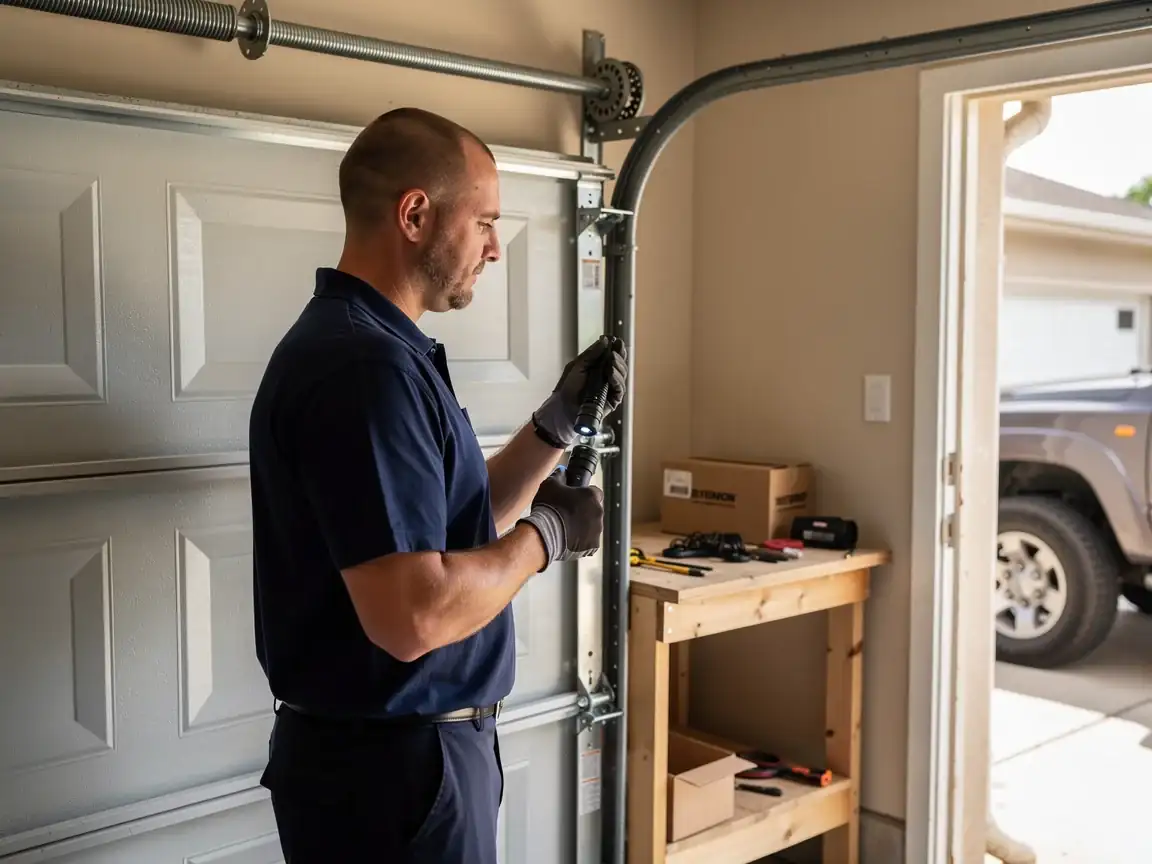
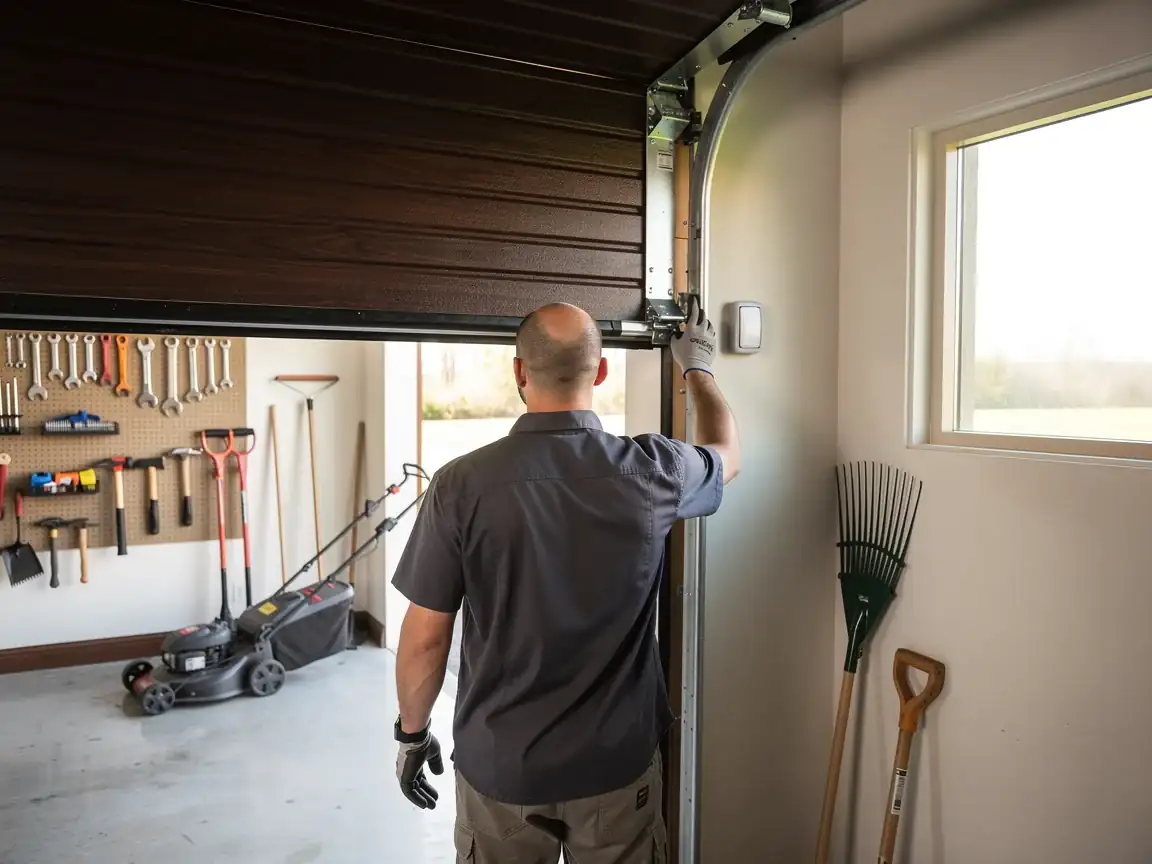
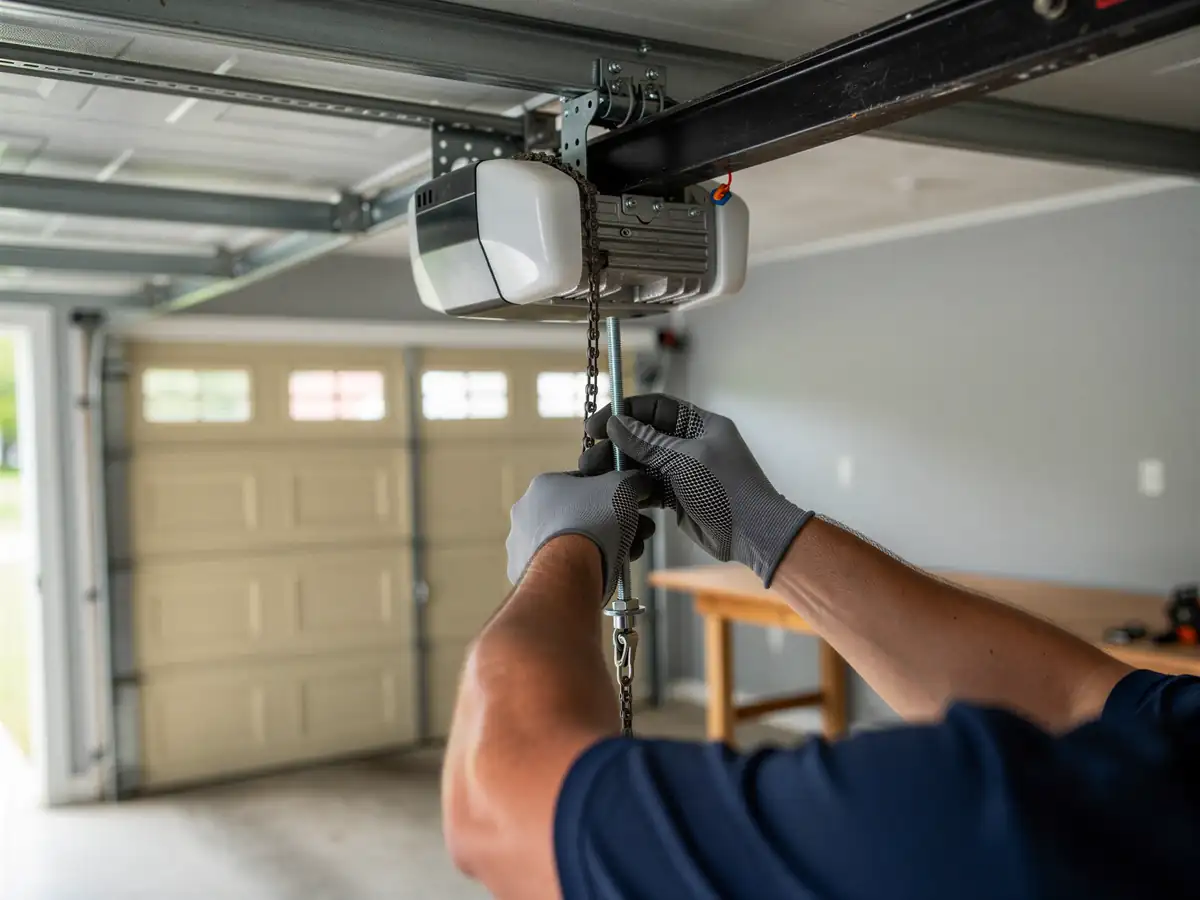
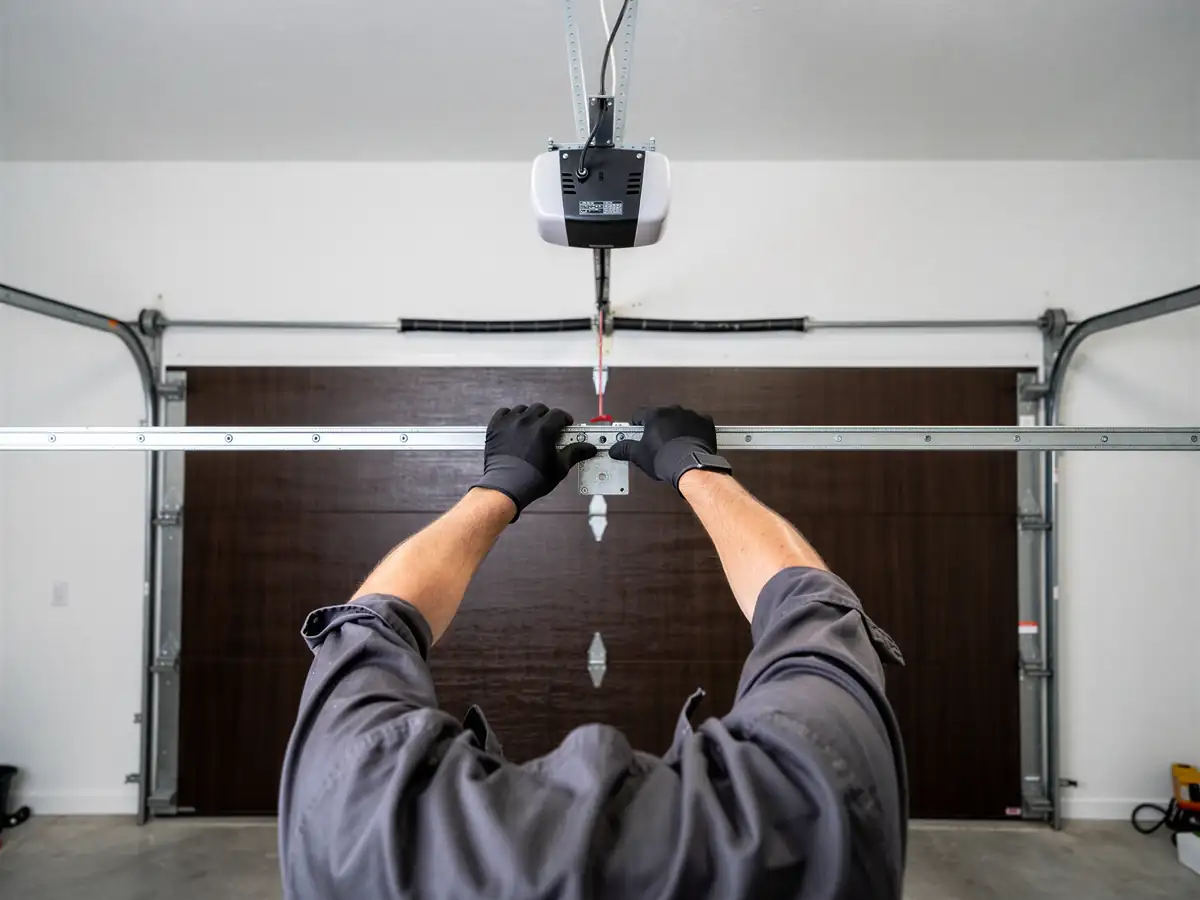
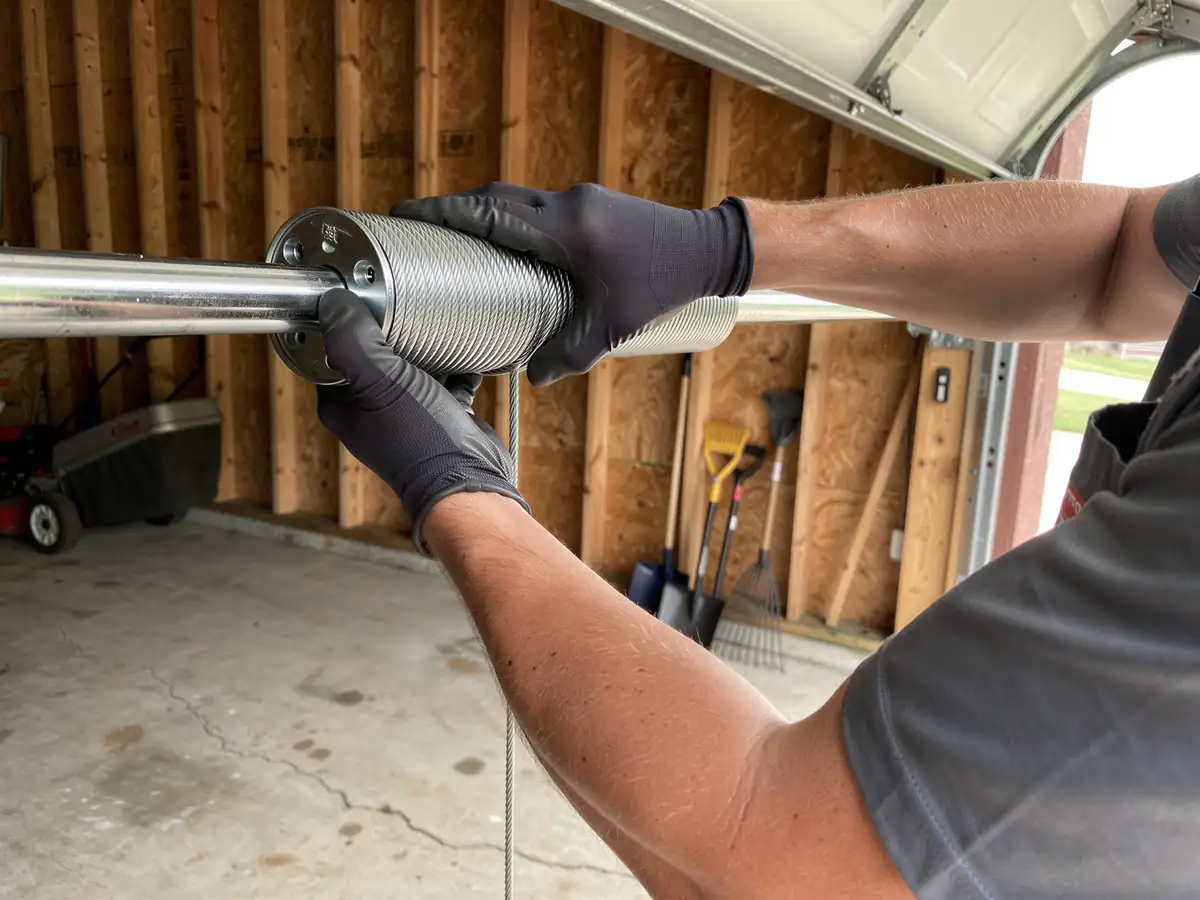
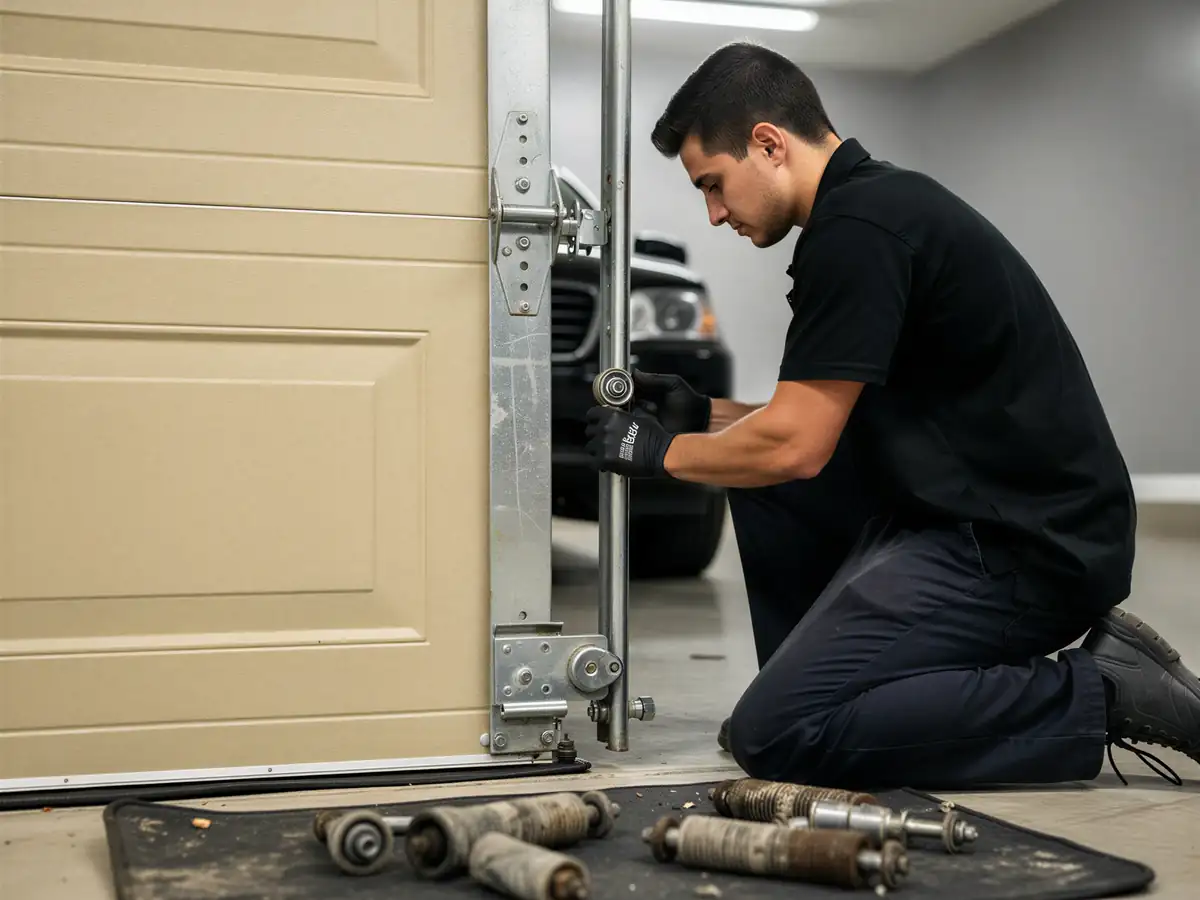
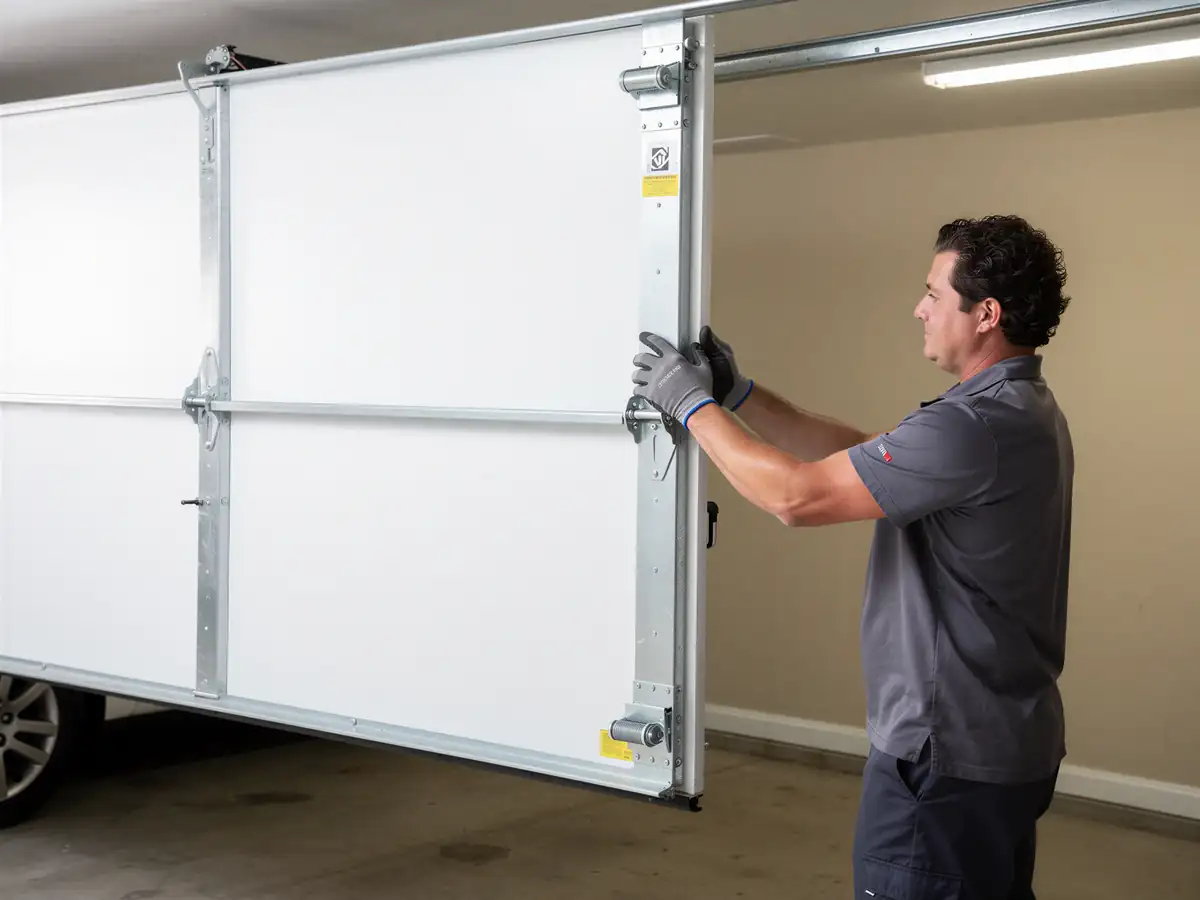
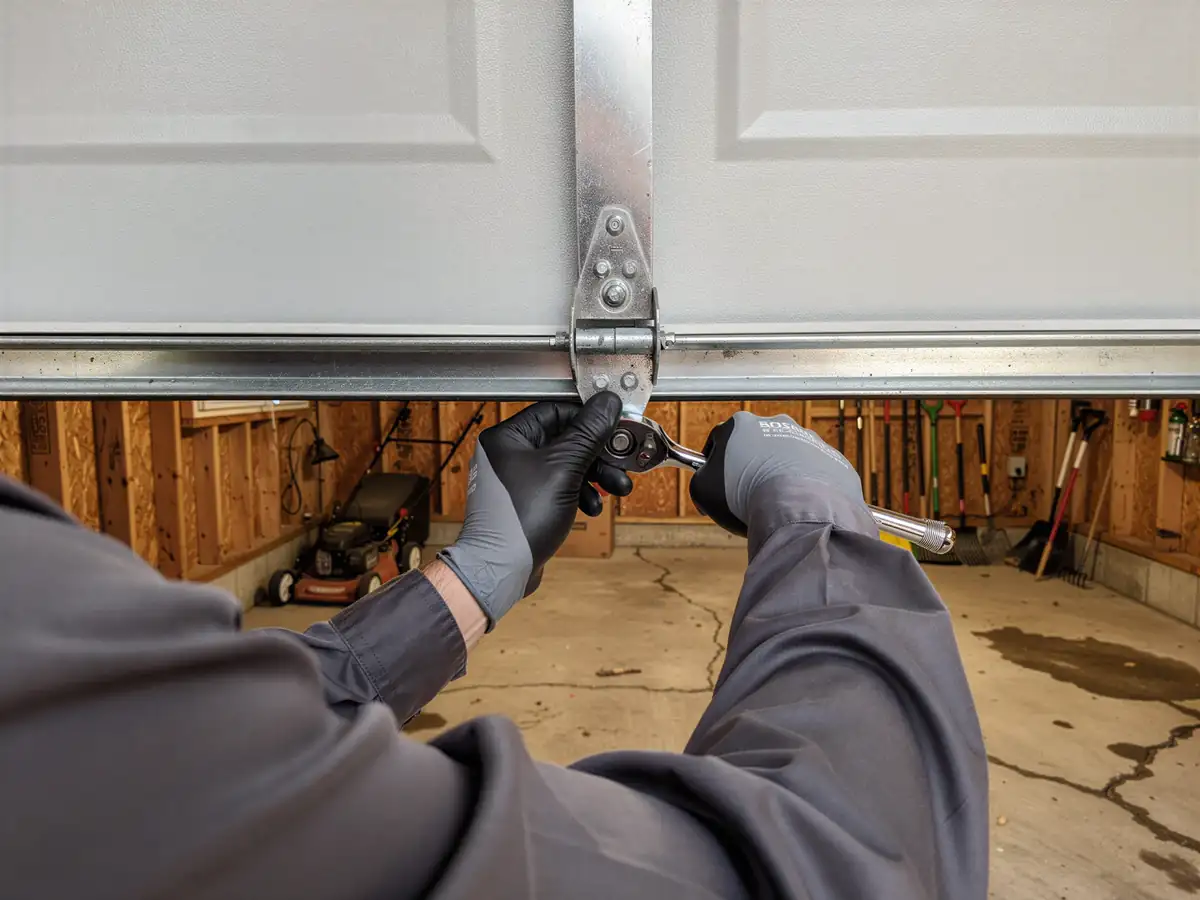
On a house from around 1977, a service call usually means one of three things: a torsion spring (sometimes two, on a double door), a broken cable that's frayed through at the drum, or an opener that's finally given out after years of carrying a heavier steel door than modern units are built for. None of that is exotic work, but parts for older torsion setups aren't always sitting on the truck - sometimes it's a same-visit fix, sometimes it's a return trip once the right spring size is on hand. That's a real limitation and we'd rather say it plainly than promise a one-visit fix we can't guarantee. Cold-severe winters also mean we check seals and weatherstripping on these older doors as a matter of course, since steel panels from this era were rarely insulated to current standards and gaps show up fast once temperatures drop.