What Causes It Around Here
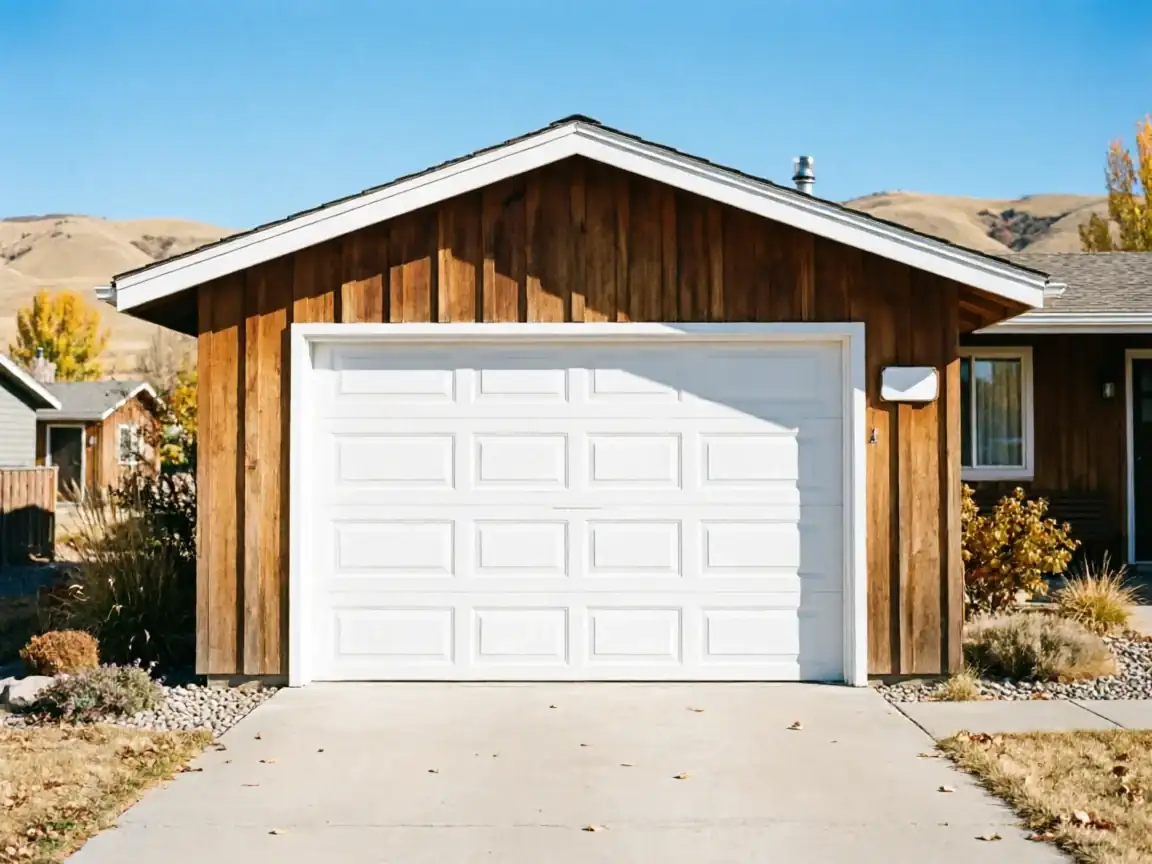
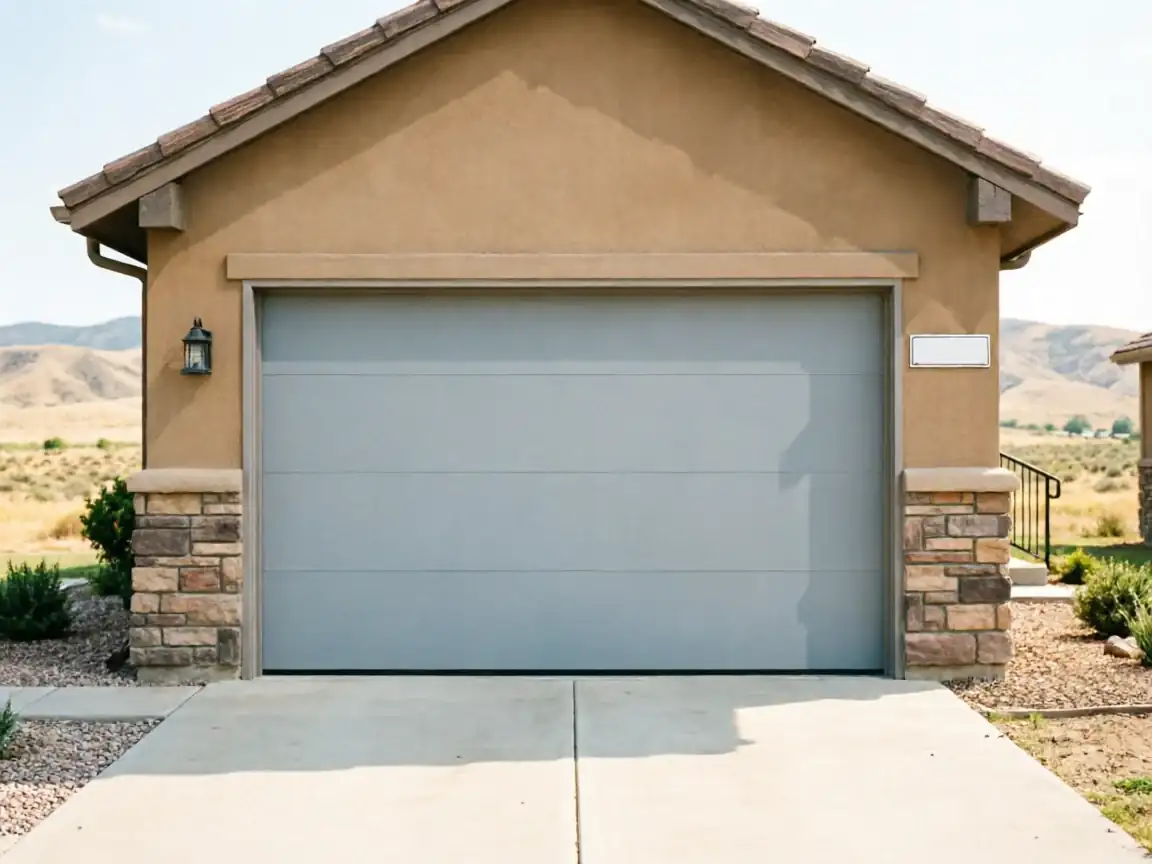
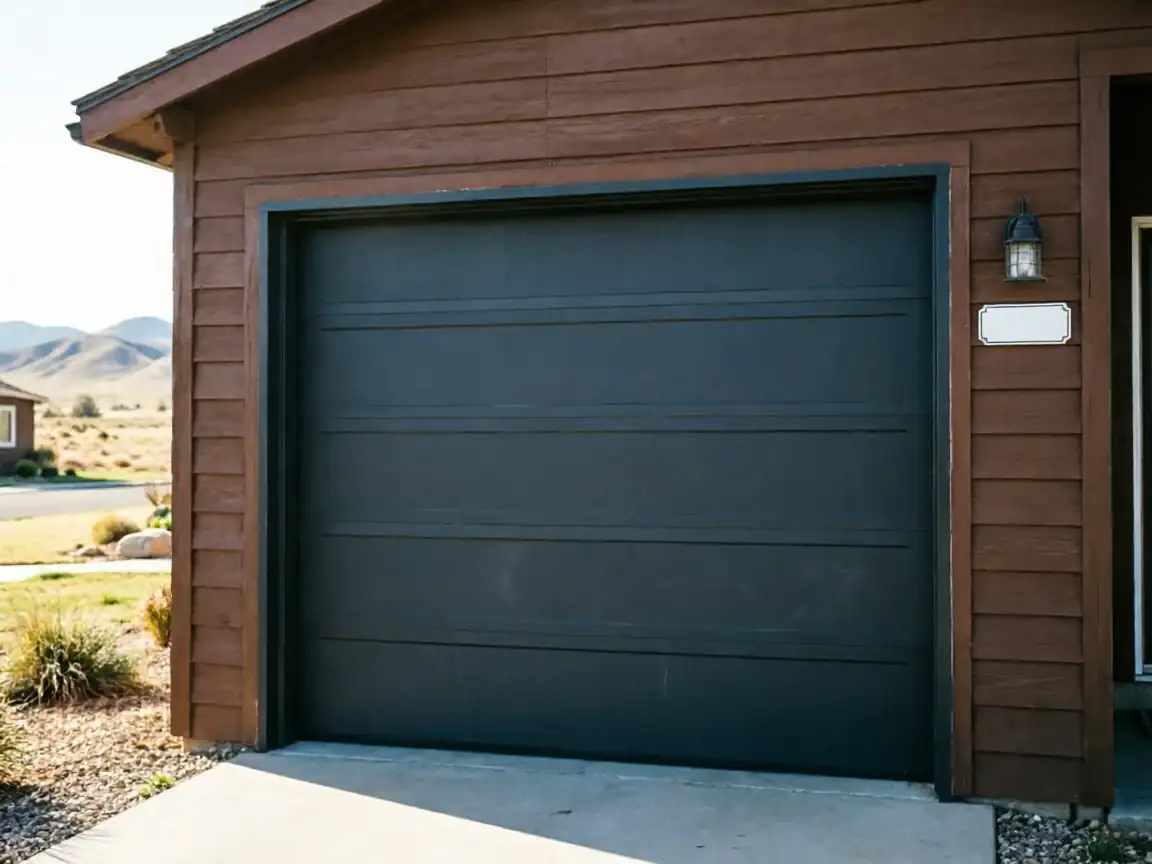
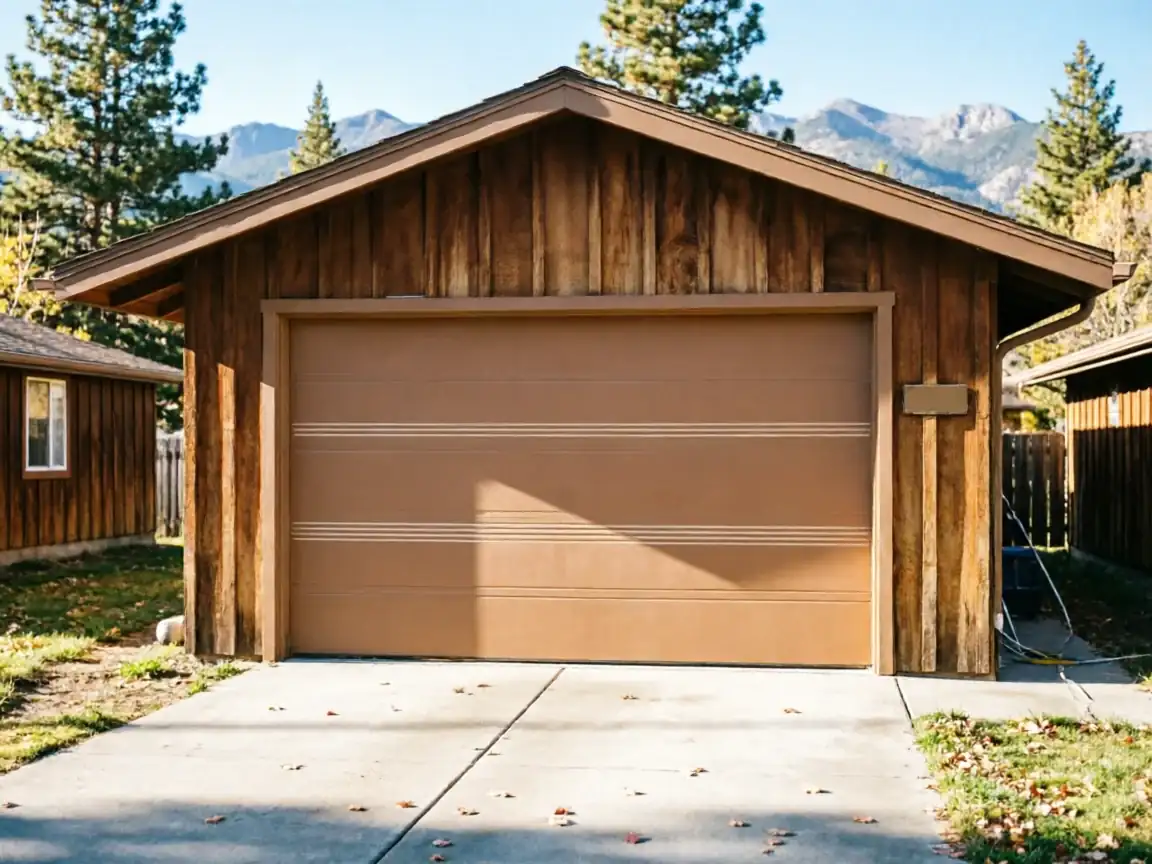
Arbon Valley's houses cluster around a median build year of 1984, right in the middle of the 1964-1995 window that defines most of this service area's housing. That means a lot of these garage doors are the same ones that came with the house: single-layer steel sectional panels, narrow seams, no foam core, hung on hardware that was standard for builders in the 1980s and 90s across the four main areas we work. None of that was wrong for its time. It just wasn't built for forty winters.
This area sits in a cold-severe climate band, and that matters more for a bare steel panel than people expect. Freeze-thaw cycling works at the seams between sections, the bottom seal hardens and splits, and condensation forms on the inside face of an uninsulated door overnight. Over enough winters the steel itself starts to oil-can - that faint rippling you see on the flat part of the panel when the sun hits it at an angle. None of that means the opener is broken. It usually means the door is original, and original is now forty years old.
We're not saying every door built in 1984 needs replacing today. Plenty get another decade out of a tune-up. But when a panel is bowed, rusted through at the bottom corner, or the sections no longer sit flush, repair stops being the cheaper option.
What It Costs
We don't quote a number here without seeing the opening - door width, headroom, and whether the old track is standard or has been modified over the years changes the parts list. What we can tell you is how the area factors in: median household income here runs about $64,188, a bit under the $66,000 median for the wider service area we cover out of Pocatello. That's not a discount pitch - it's why we walk through steel gauge and insulation options rather than starting at the top of the catalog. A basic non-insulated steel door and a double-layer insulated door aren't priced the same, and for a cold-severe climate the insulated option earns its keep differently than it would somewhere milder.
The honest limitation: certain sizes and finishes have longer lead times from the supplier, especially anything outside a standard 16x7 or 9x7 opening. If your house has a non-standard width - not unusual in houses built before manufacturers standardized openings - expect us to tell you that up front rather than promise a door that isn't in stock yet.
The Symptom
The door that needs a repair and the door that needs replacing often show up the same way at first
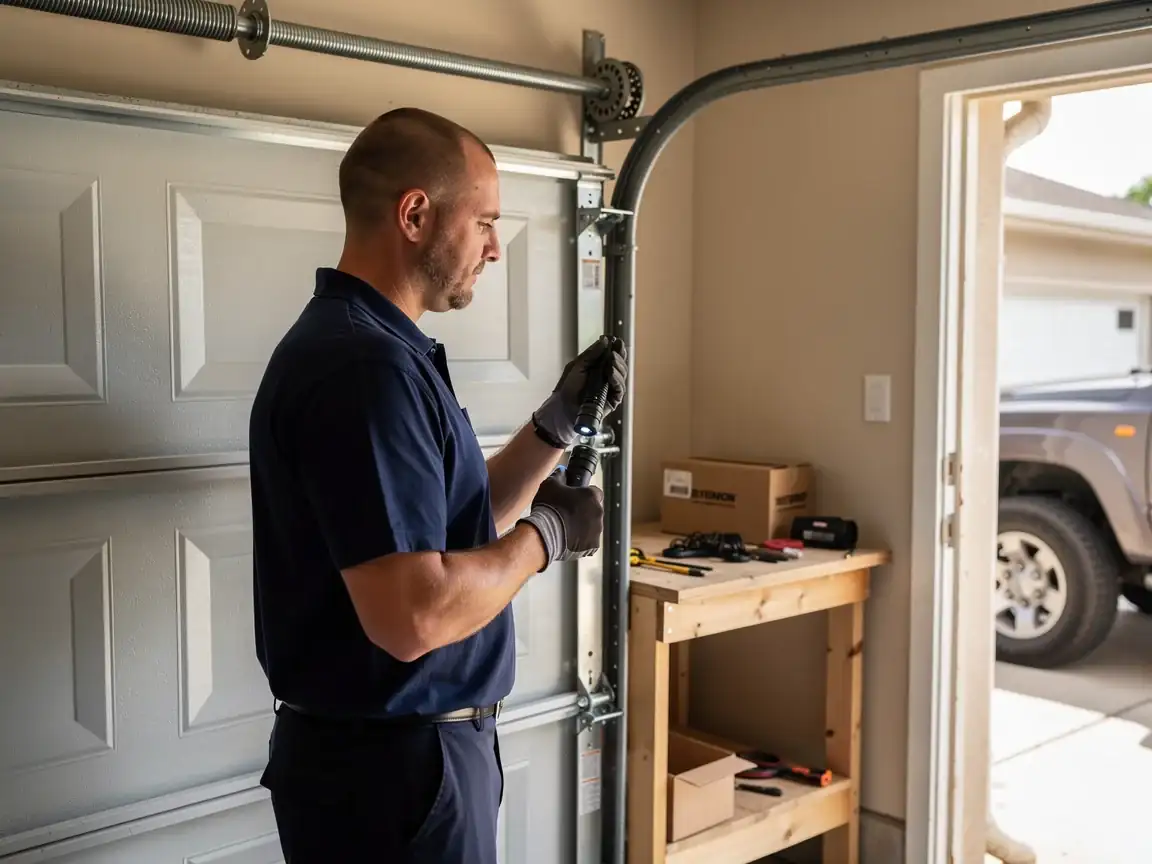
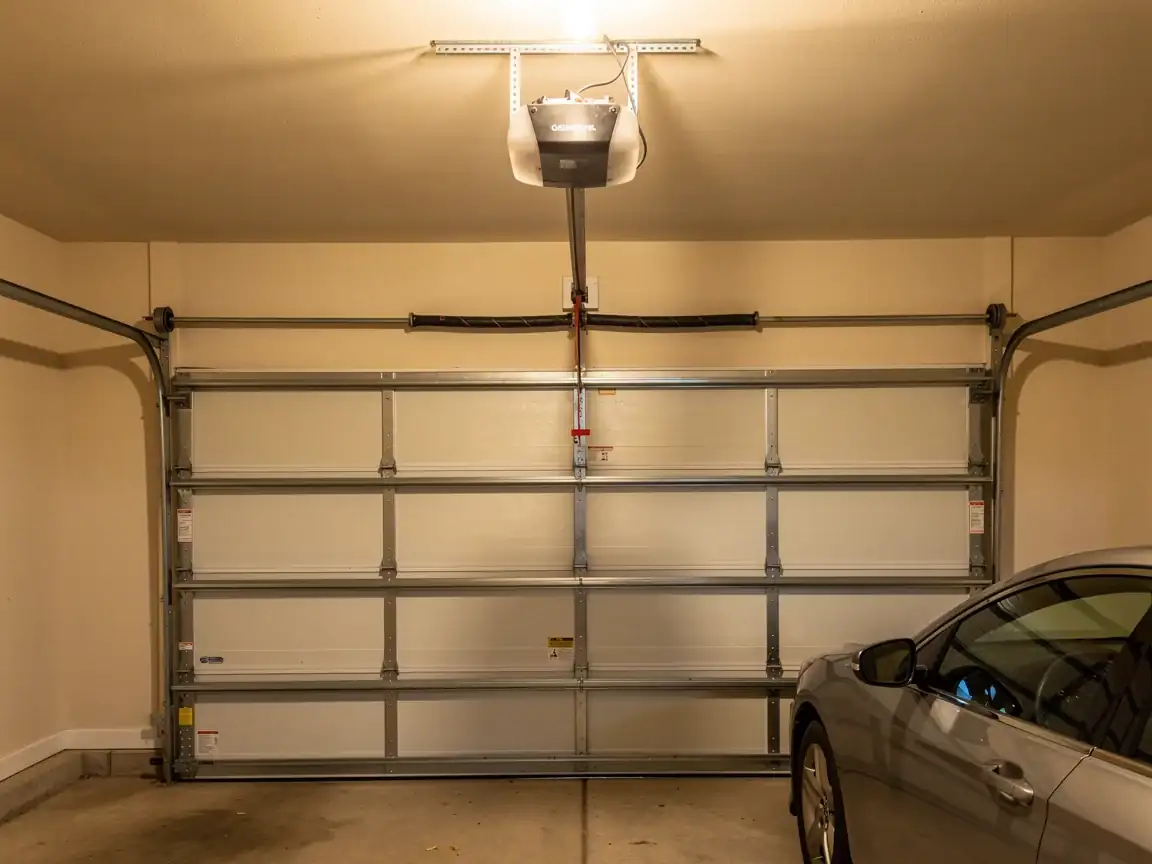
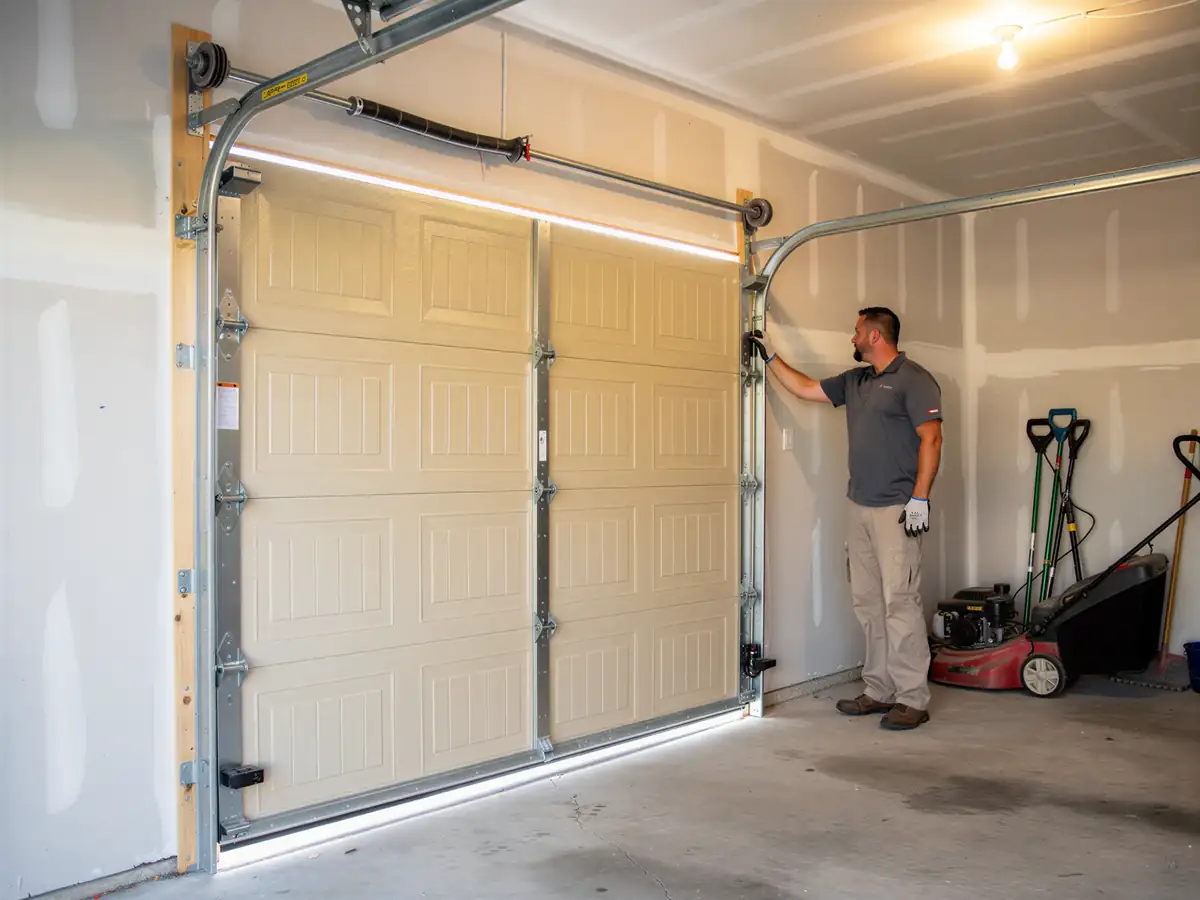
It's heavier to lift by hand, the opener strains and reverses partway up, or you can see daylight at the bottom corner where the seal used to sit flush. On a door from the 1980s-90s stock common in this area, the tell is usually in the panel itself - gentle waviness across the flat face of a section, rust blooming along the bottom rail where snowmelt sits against the steel, or a sag in the middle that wasn't there last winter.
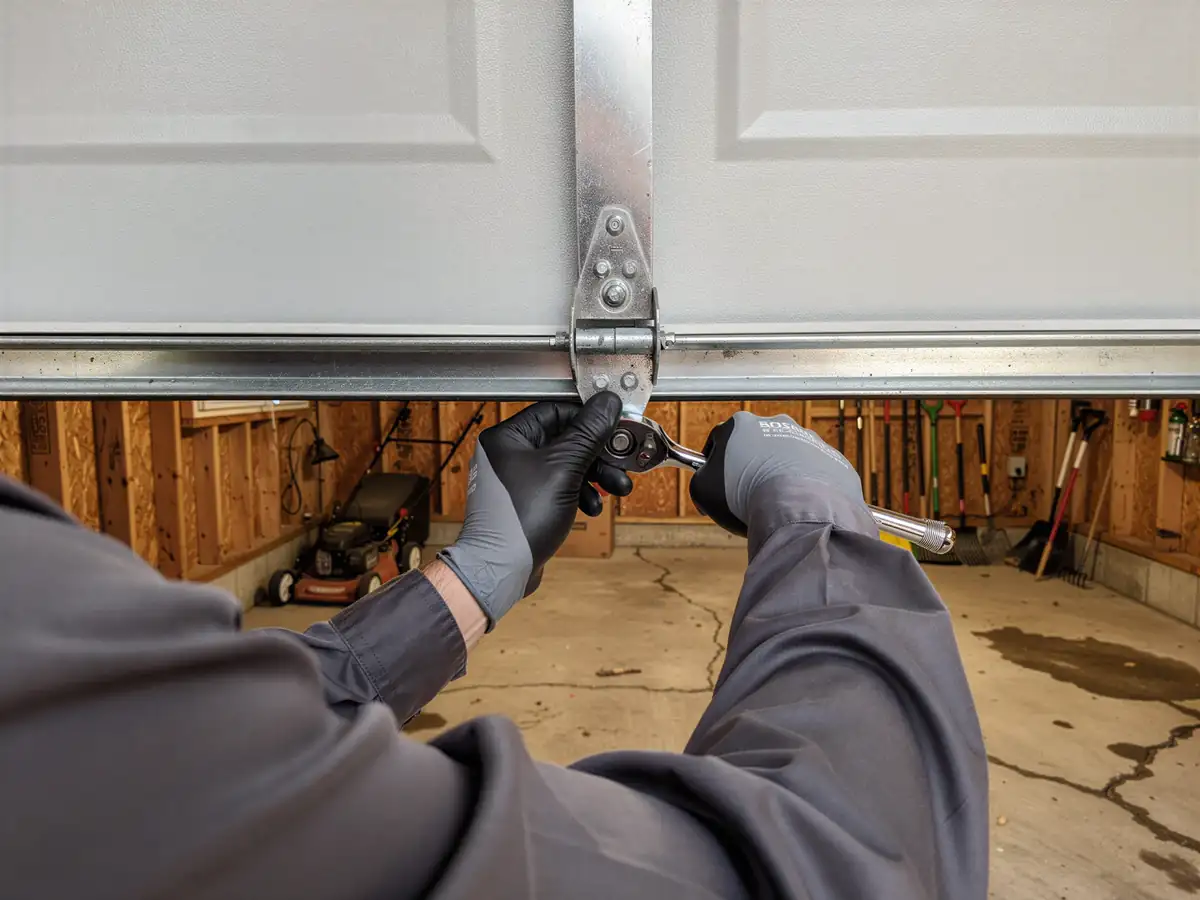
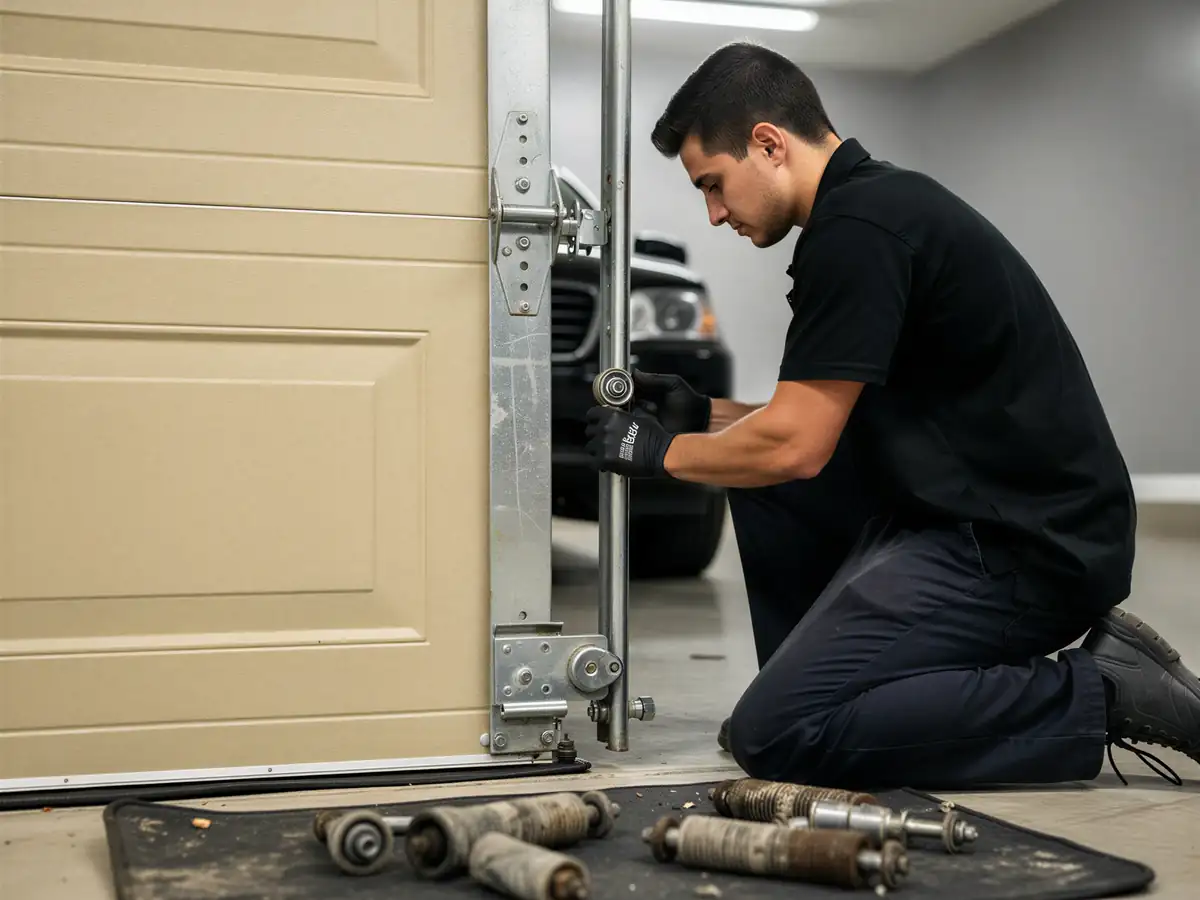
Springs and rollers get replaced on their own all the time and that's a repair
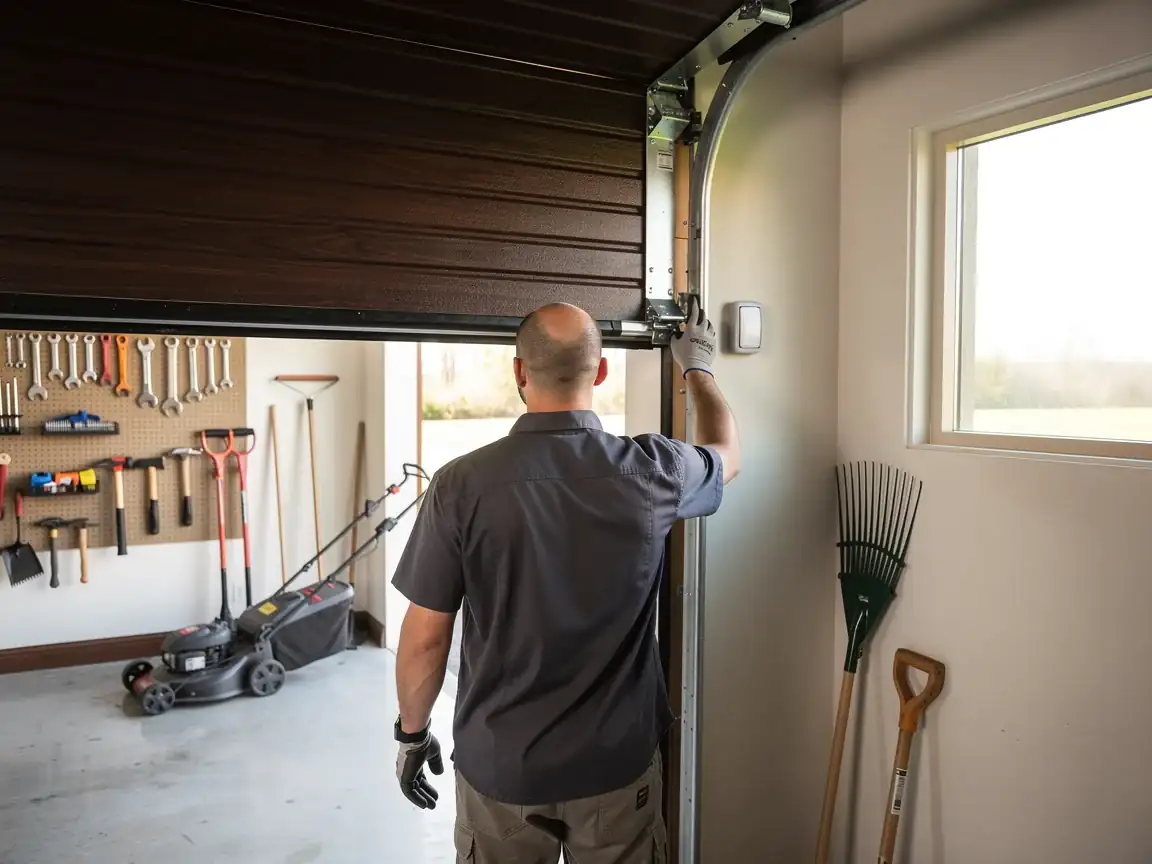
Not a replacement job. What pushes it into installation territory is when the door itself - the steel, not the hardware - has given out: warped panels that won't track straight even with new rollers, or a bottom section rusted through from years of snow runoff pooling against an unheated slab. At that point new hardware on an old panel is just delaying the same call.
How Long You Are Without the Door
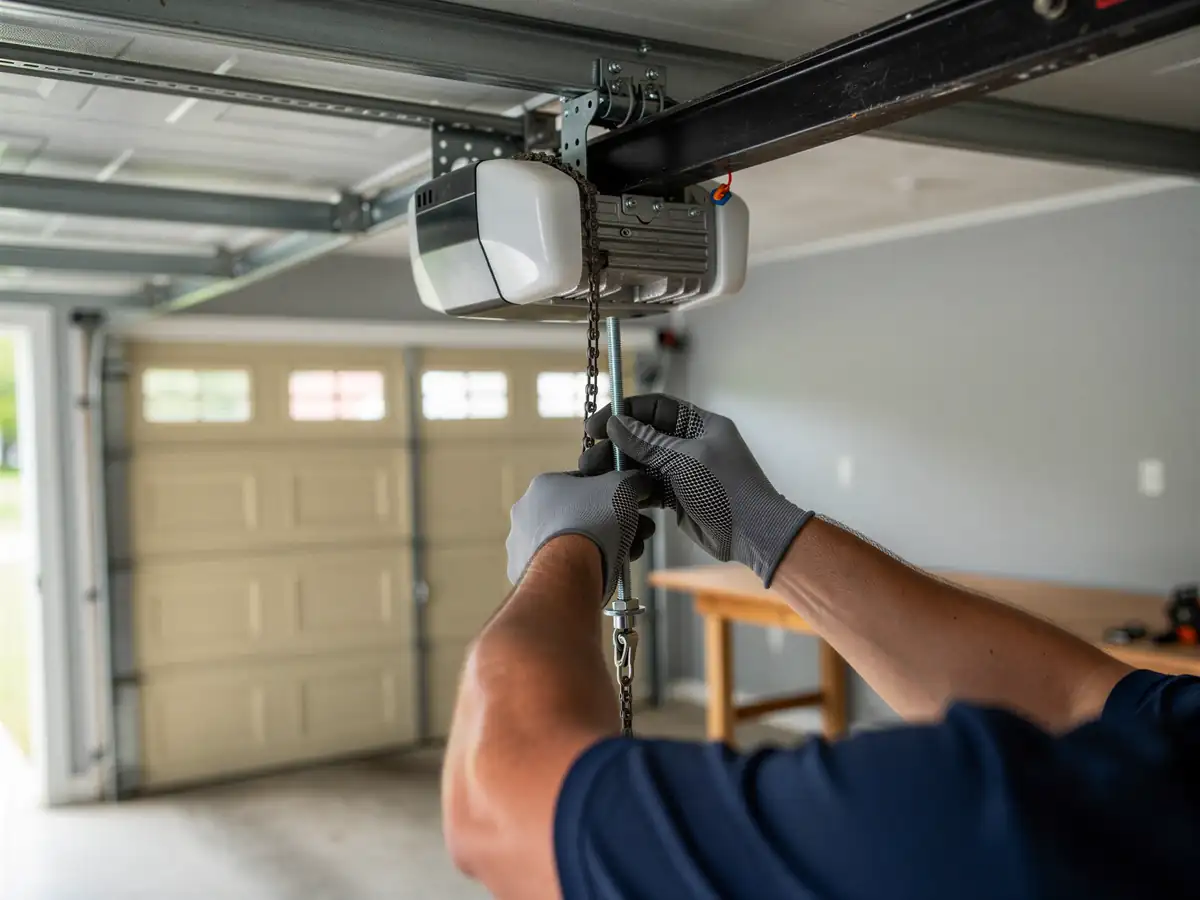
We run out of Pocatello, about 6 miles from Arbon Valley, and a new door install is a scheduled job, not a same-day walk-in - we bring the door, track, and opener parts with us on the truck for that trip, so the work itself usually wraps in a single visit once we're on site. What we won't do is promise a window we haven't confirmed, since with only 223 households out this way, trips get planned rather than squeezed in on short notice.
If your old door fails outright - cable snaps, panel caves in - you're not left with an open garage for days. We can usually get a secure temporary fix in place quickly and schedule the full install separately, so the opening is closed up while you wait on the new door itself rather than waiting on both at once. Ask about that when you call if you're dealing with a door that's already down.