What Causes It Around Here
Arbon Valley sits about six miles out from our shop in Pocatello, and that drive matters more than people think. It means a tech isn't swinging by on a whim between two other jobs in the neighborhood - a visit out here gets scheduled, which is exactly why maintenance beats waiting for a breakdown. You want the spring, the rollers, and the opener checked on a day you picked, not on a morning your truck is stuck in the driveway and you're the one calling at 7 a.m.
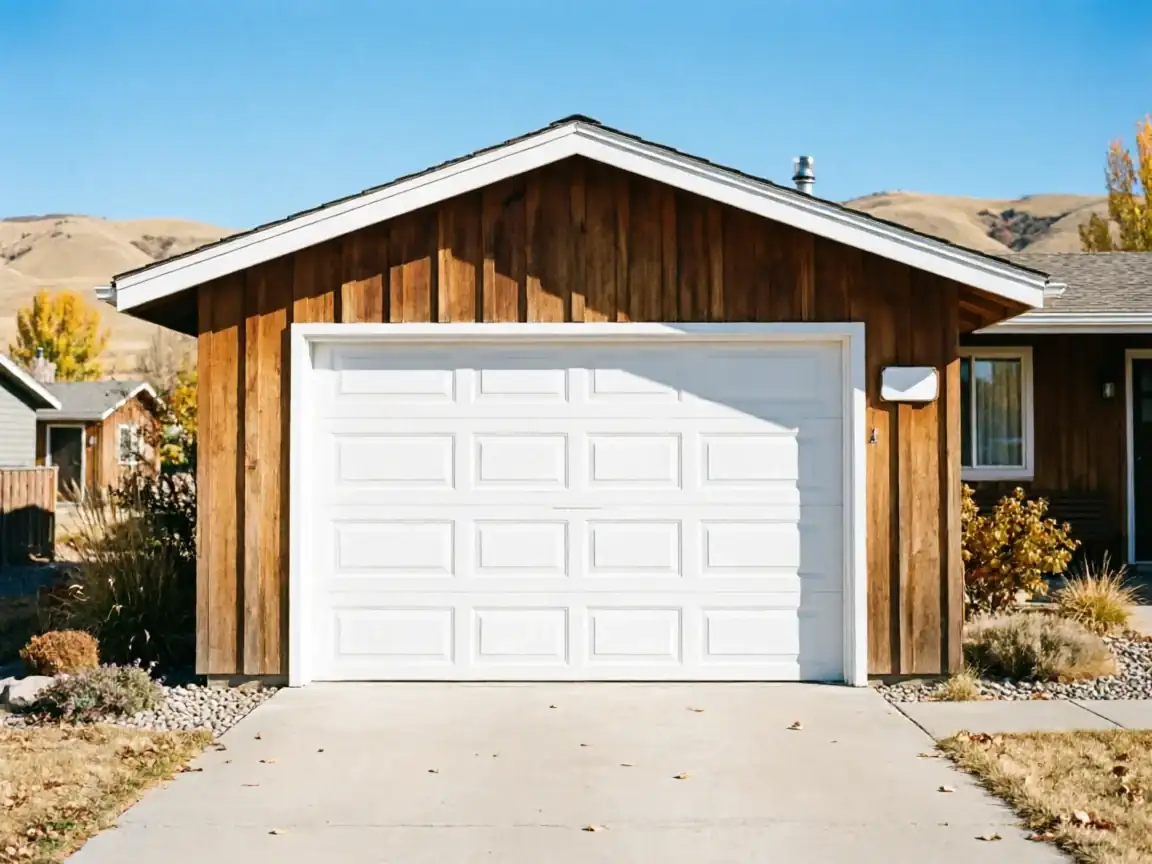
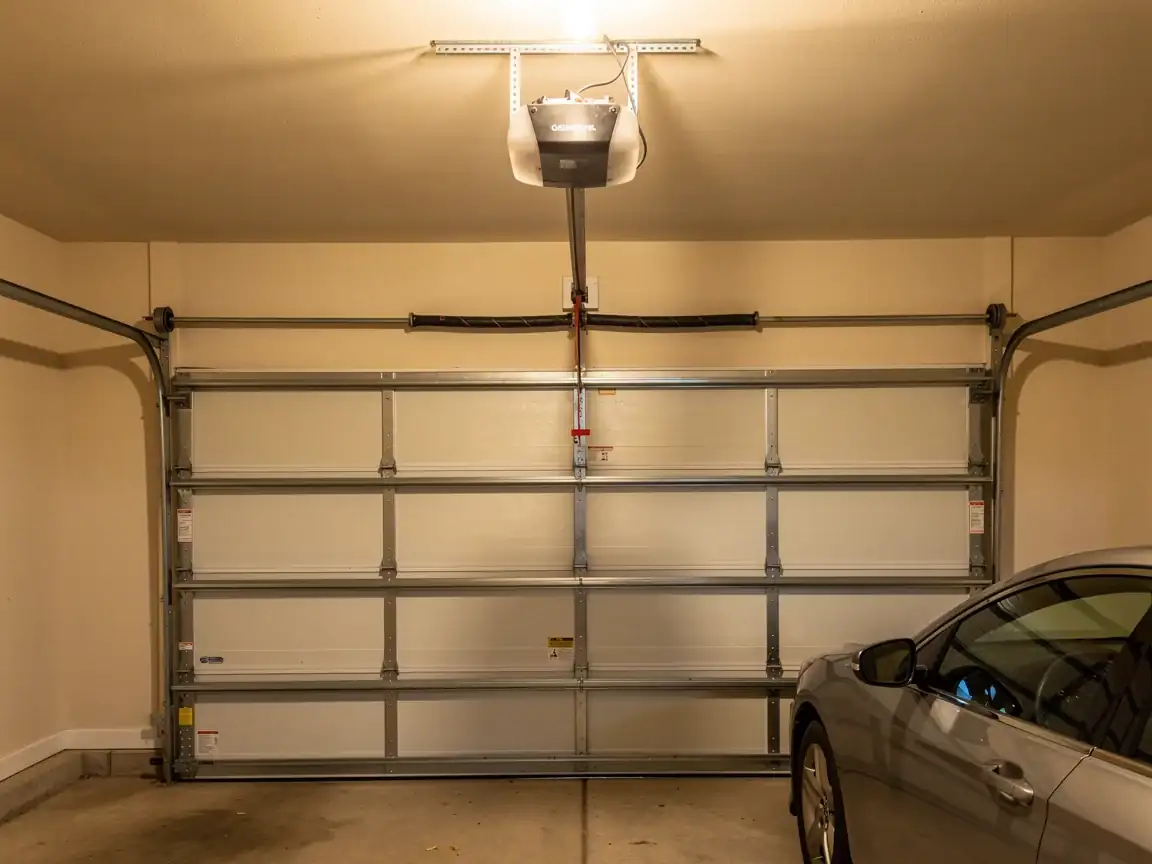
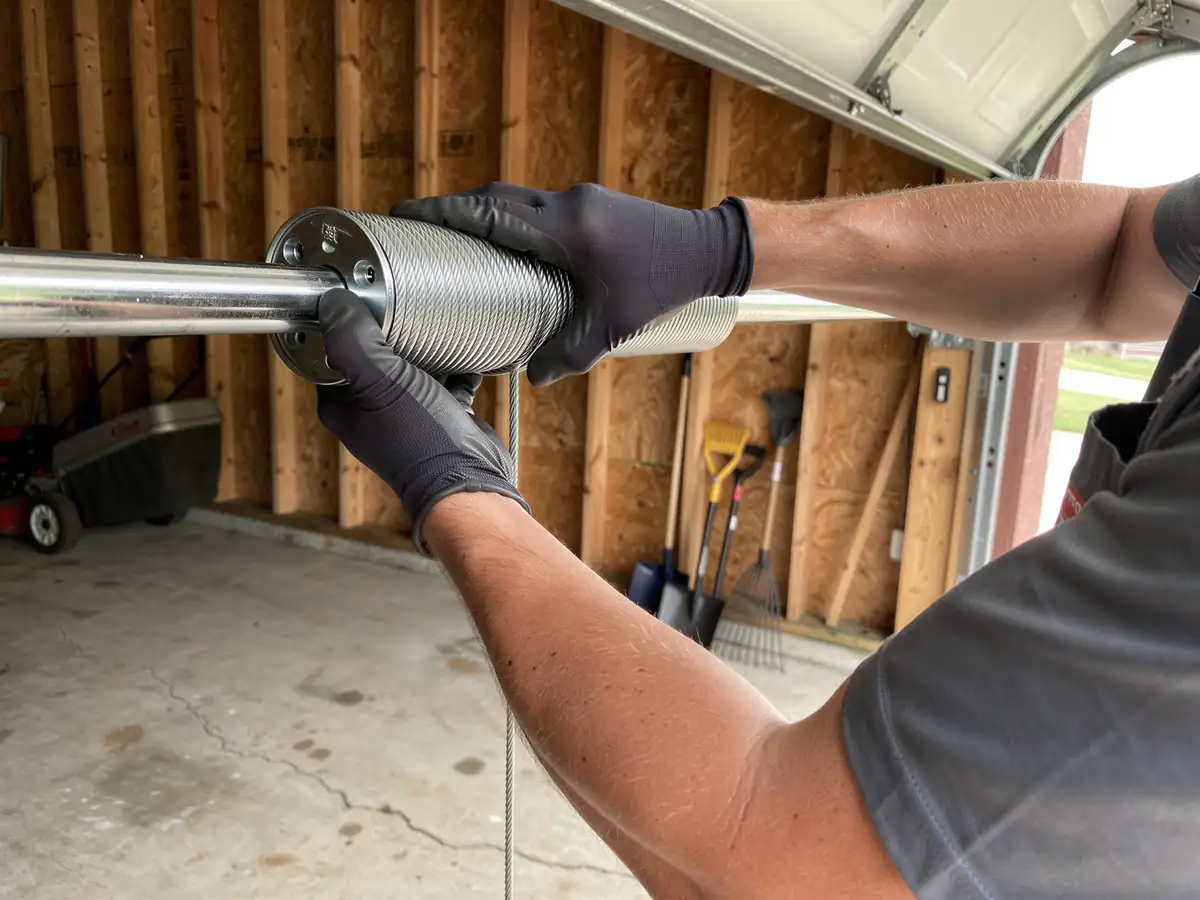
The houses here cluster around 1984, which puts most doors and openers squarely in the era of steel torsion springs rated for a lighter door than what often gets installed on a replacement later - a mismatch that shows up as a door that slams down instead of lowering smooth. Add the cold band this part of Idaho sits in and you get grease gone stiff in the torsion tube and nylon rollers that crack rather than wear. None of that is unique to one house - it's the whole stock out here aging the same way at the same time.
What It Costs
We're not going to put a number on this page that we can't back up without seeing the door. Maintenance pricing depends on whether the opener is original to a 1980s install or already swapped once, what the springs are rated for, and how much the hardware has been neglected. What we can tell you: a maintenance visit is cheaper than the service call that follows a spring snapping on a cold morning, and it's a lot cheaper than replacing an opener that burned out its gears because nobody lubed the chain in a decade.
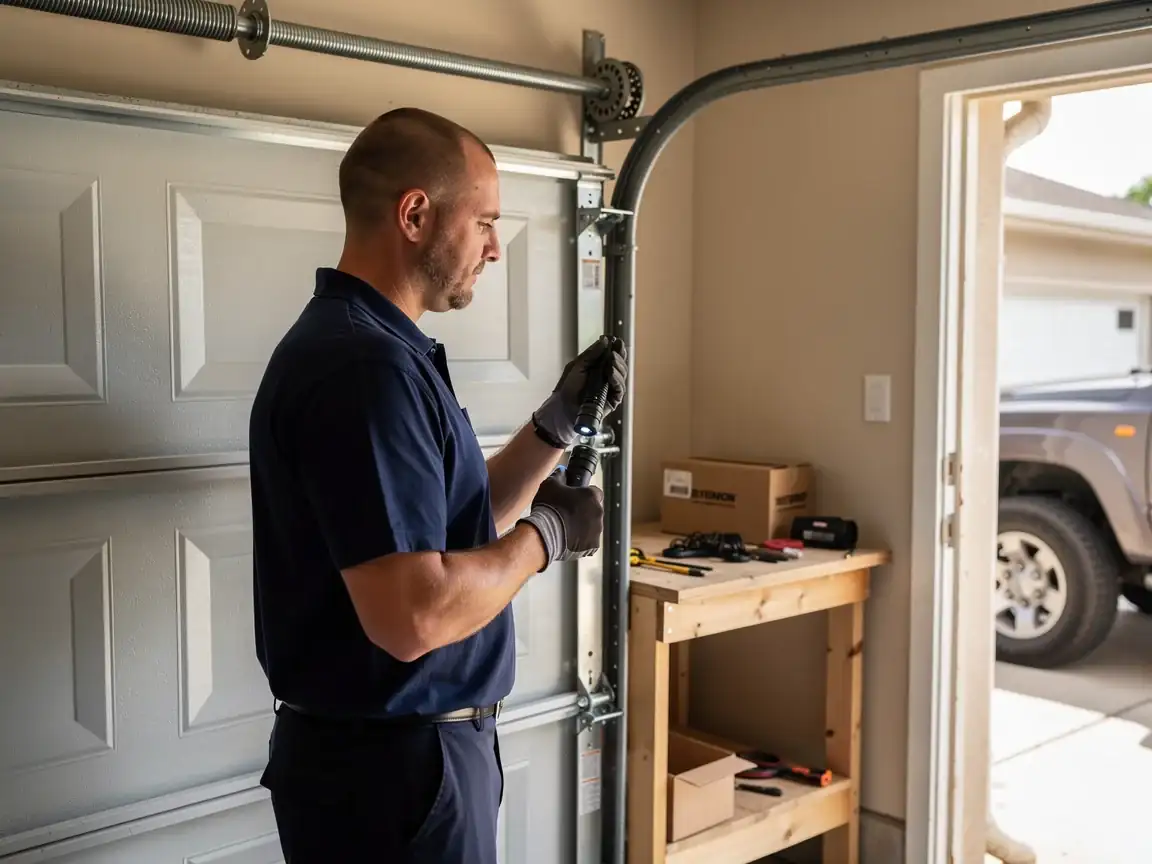
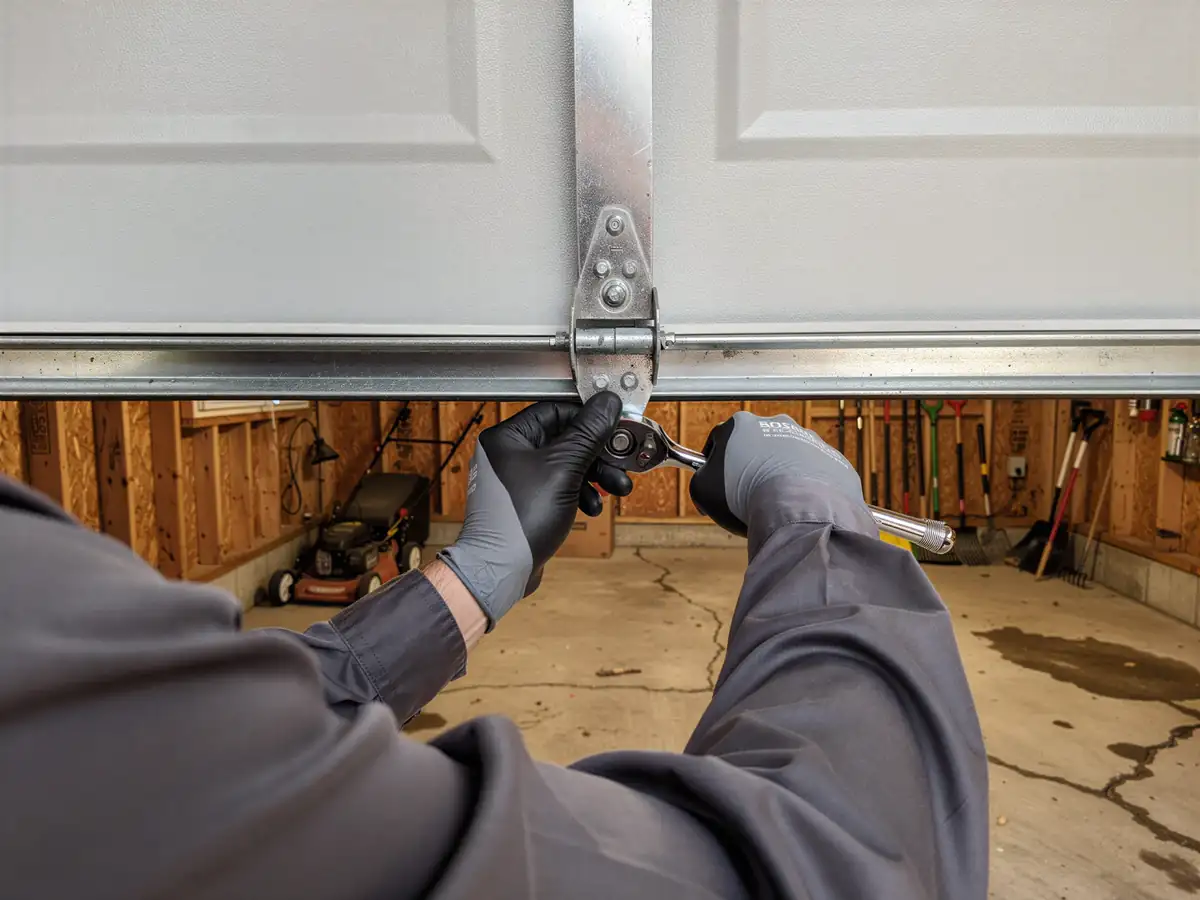
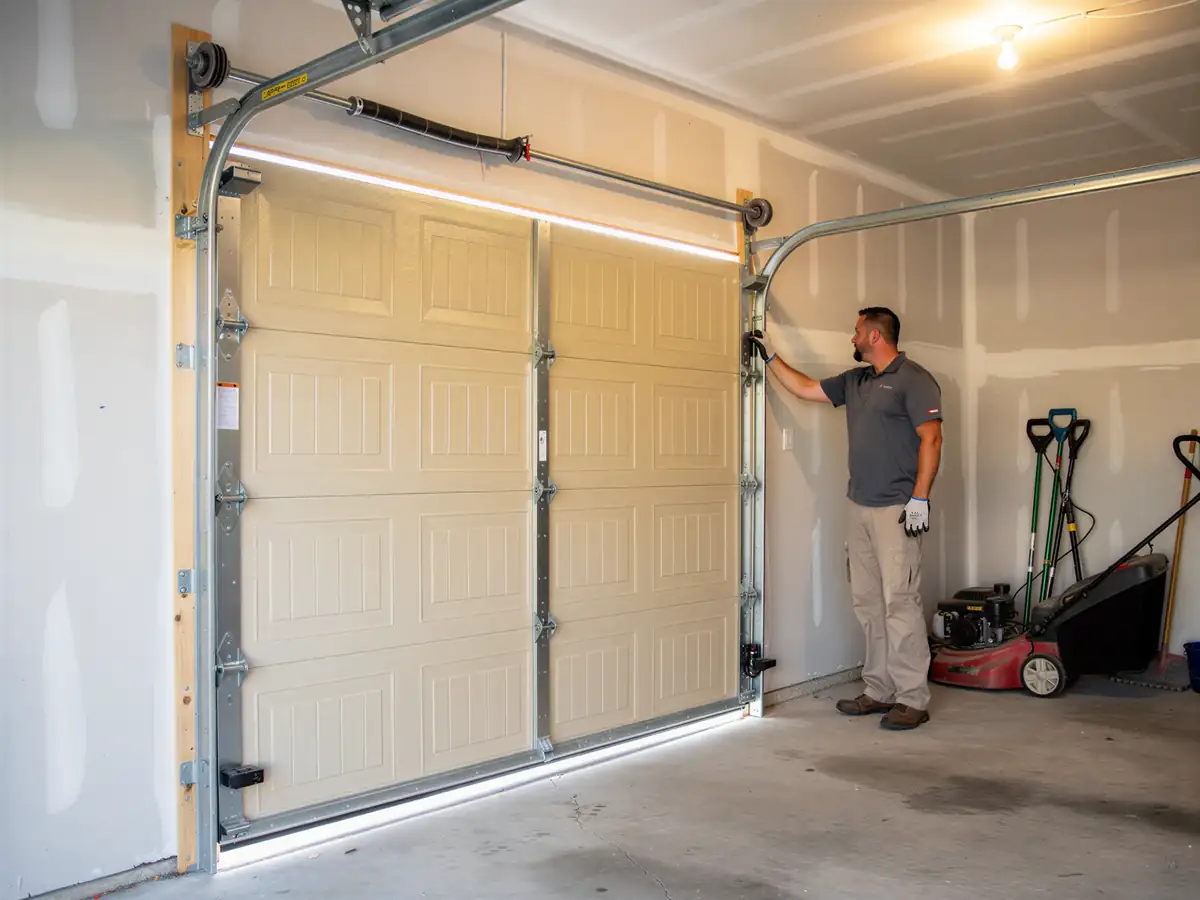
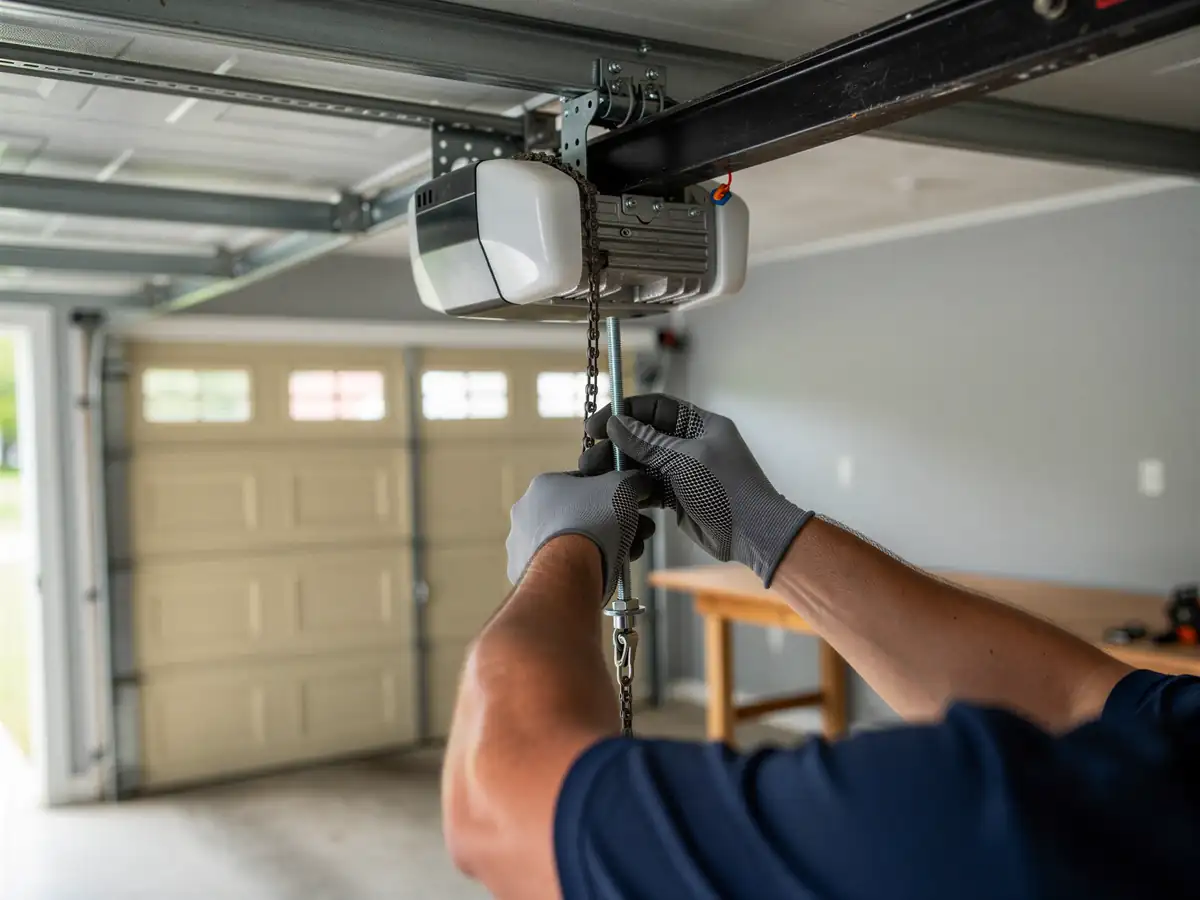
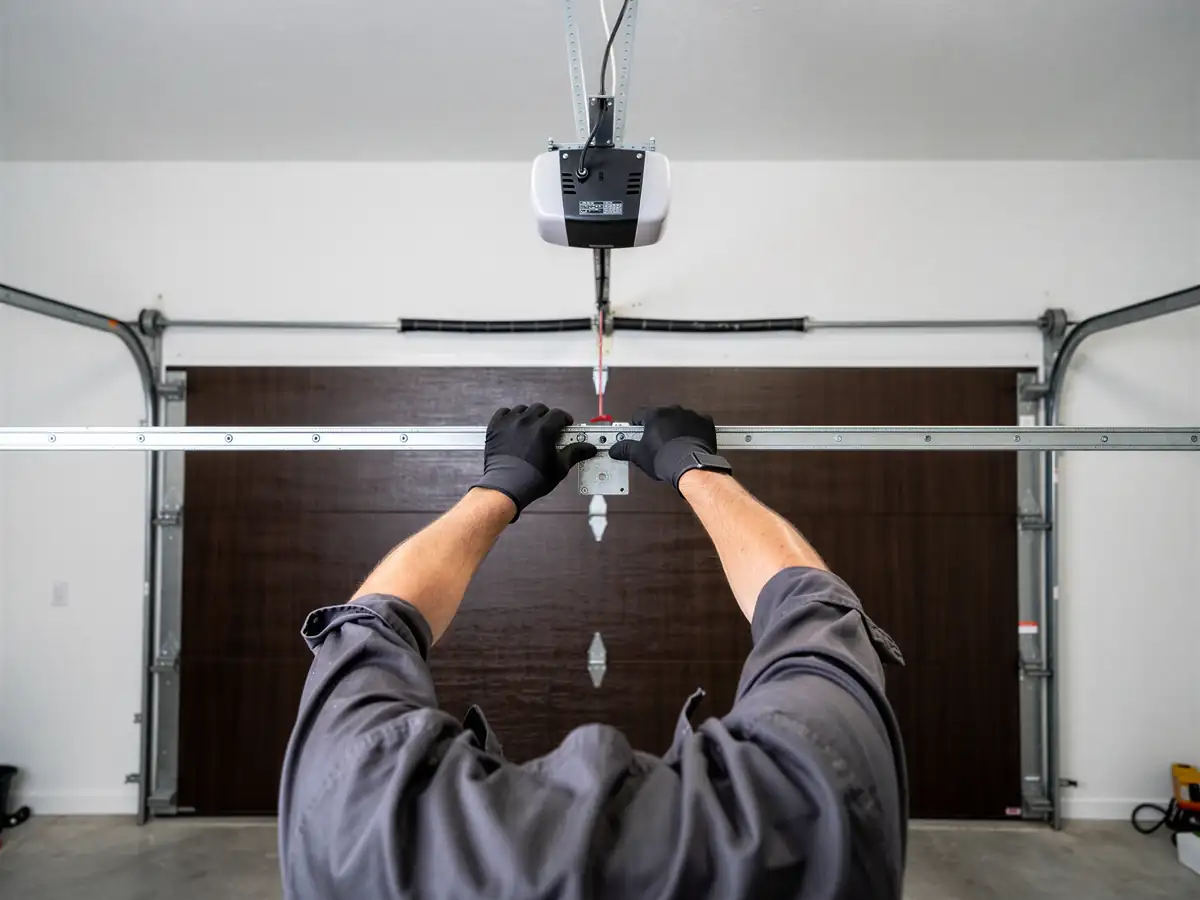
Given the distance out here, we build the inspection to cover everything in one trip - springs, cables, rollers, track alignment, opener force settings, and weatherseal - rather than sending a truck back out for something we should have caught the first time. Ask for a number when you call and we'll give you one based on what's actually on your garage, not a guess that applies to every house in the valley.
The Symptom
The complaint we hear most from this part of the service area is a door that's gotten loud or jerky going up
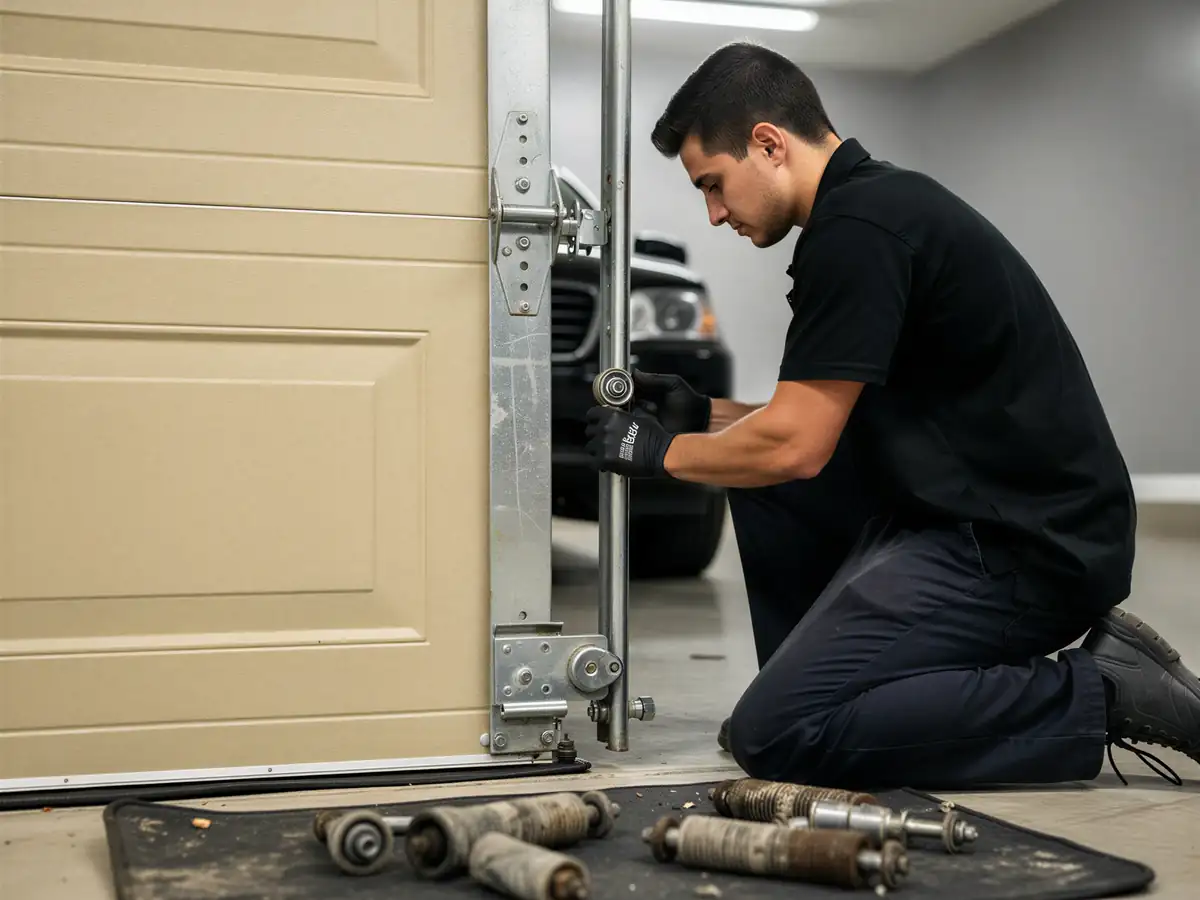
With a hard bang at the bottom instead of a soft set-down. On a door built around the mid-80s stock common here, that's almost always rollers past their life or a torsion spring that's lost tension and is letting the cable take the slack unevenly. You'll also hear it in the opener - a motor straining and grinding on the last foot of travel, which is the opener compensating for a spring doing less work than it used to.
A second version of this shows up as a door that reverses right after it touches the floor
That's usually the opener's down-force setting fighting old hardware, not a bad opener. Either way, by the time you notice the noise, the spring and the opener have already been working harder than they should for a while - the noise is the symptom, not the start of the problem.
How Long You Are Without the Door
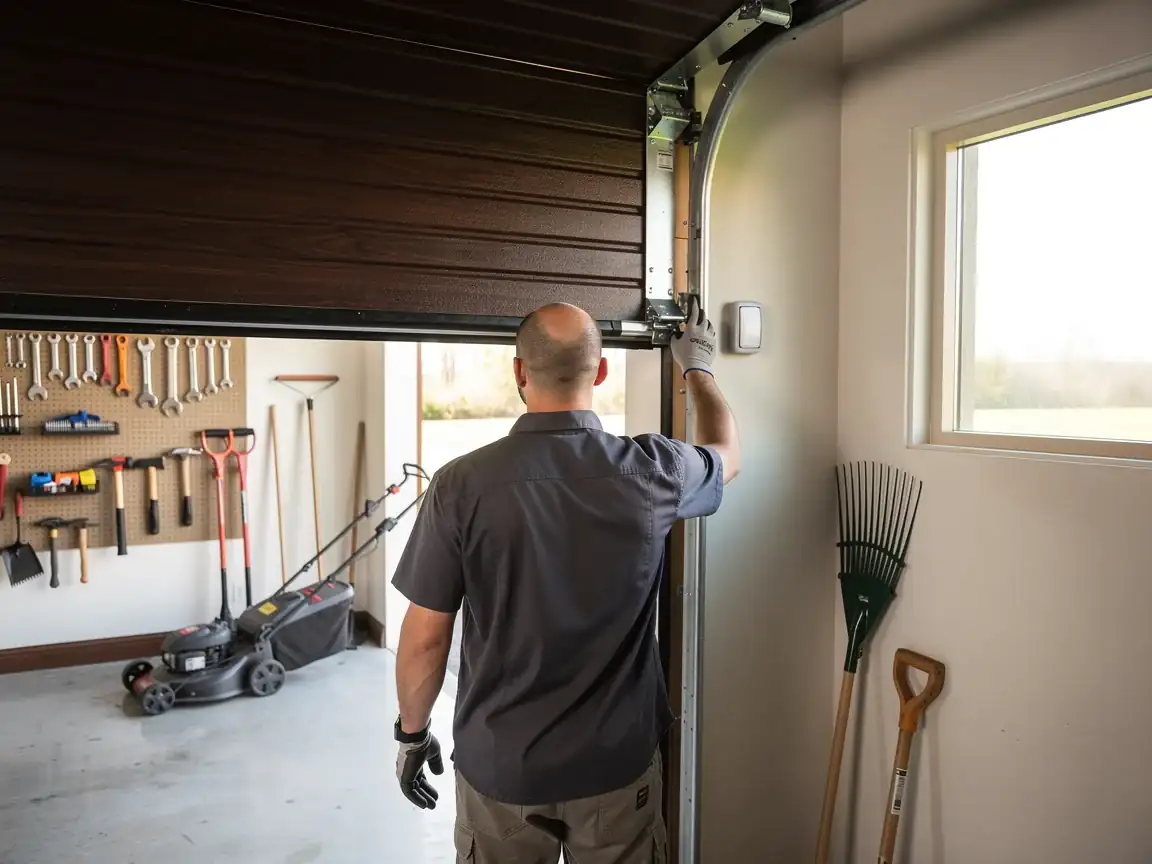
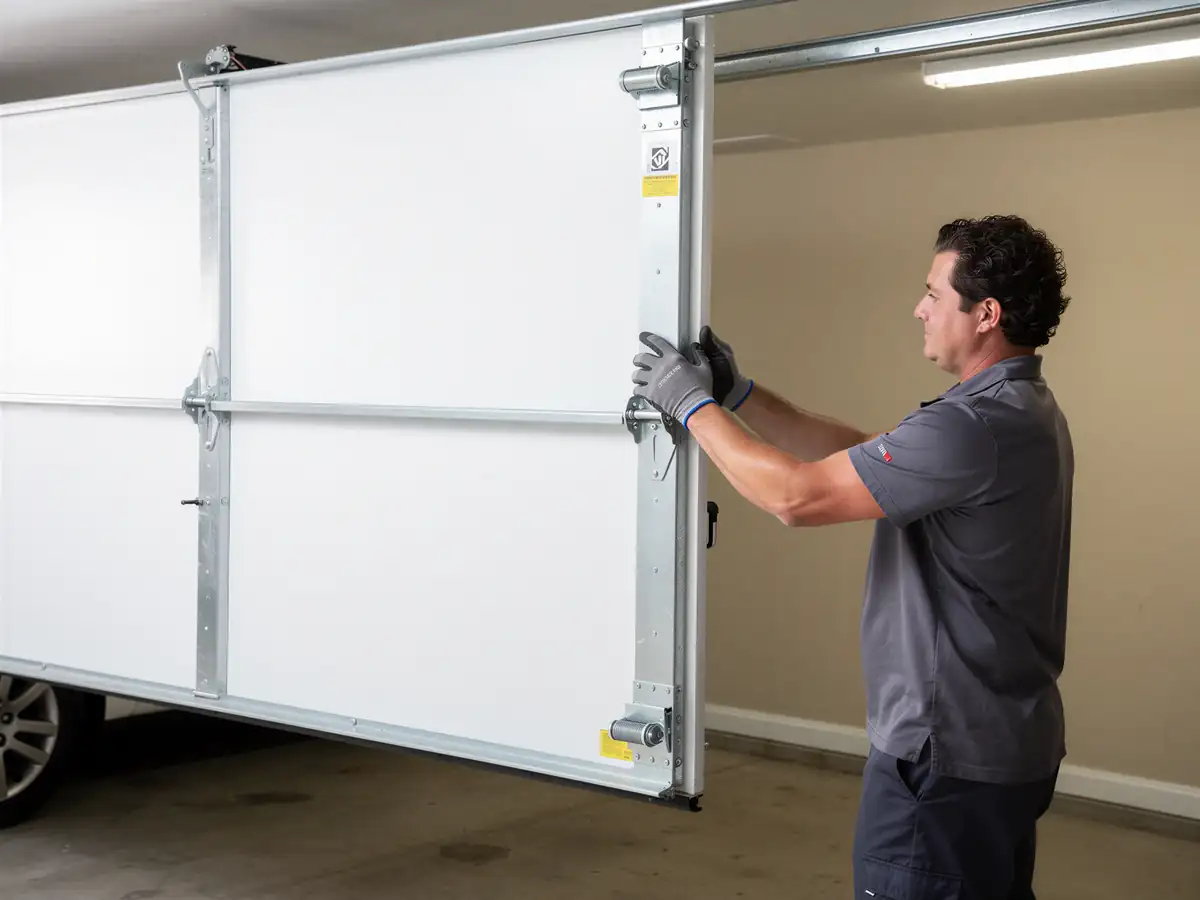
A maintenance visit itself doesn't leave you without a door - that's the point of doing it before something breaks. The door stays functional the whole time; we work section by section while it's up or down as needed.
What changes the math is the trip. Because Arbon Valley is a drive from our Pocatello base rather than a stop on a route we're already running, we schedule the visit rather than fitting it in same-day. If the inspection turns up a spring close to failing or cable fraying, we'll tell you on the spot and talk about doing the repair right then so you're not waiting on a second trip out for a problem we just found on the first one.